#national-climate-assessments
#national-climate-assessments
[ follow ]
#climate-change #global-warming #california #snowpack #environmental-impact #fossil-fuels #greenhouse-gases




fromwww.theguardian.com
1 day agoEvacuations as two wildfires break out in southern California
The Springs fire in Riverside county has grown to 3,500 acres, prompting local authorities to issue several evacuation orders. The fire is concentrated in an area mostly north and east of Lake Perris, burning portions of the surrounding state recreation area.
East Bay (California)
Non-profit organizations
fromLos Angeles Times
1 day agoTrump's 2027 budget would cut billions from clean energy and climate programs while boosting military spending
Trump's 2027 budget proposal includes significant cuts to clean energy and environmental programs, aiming to eliminate funding for the 'green agenda.'
fromwww.theguardian.com
2 days agoWhy reducing air pollution deaths isn't just about reducing air pollution
Air pollution is the second-largest risk factor for early death globally. Traditionally, our response has focused on reducing the levels of pollution people breathe, but this is only part of the story.
Public health

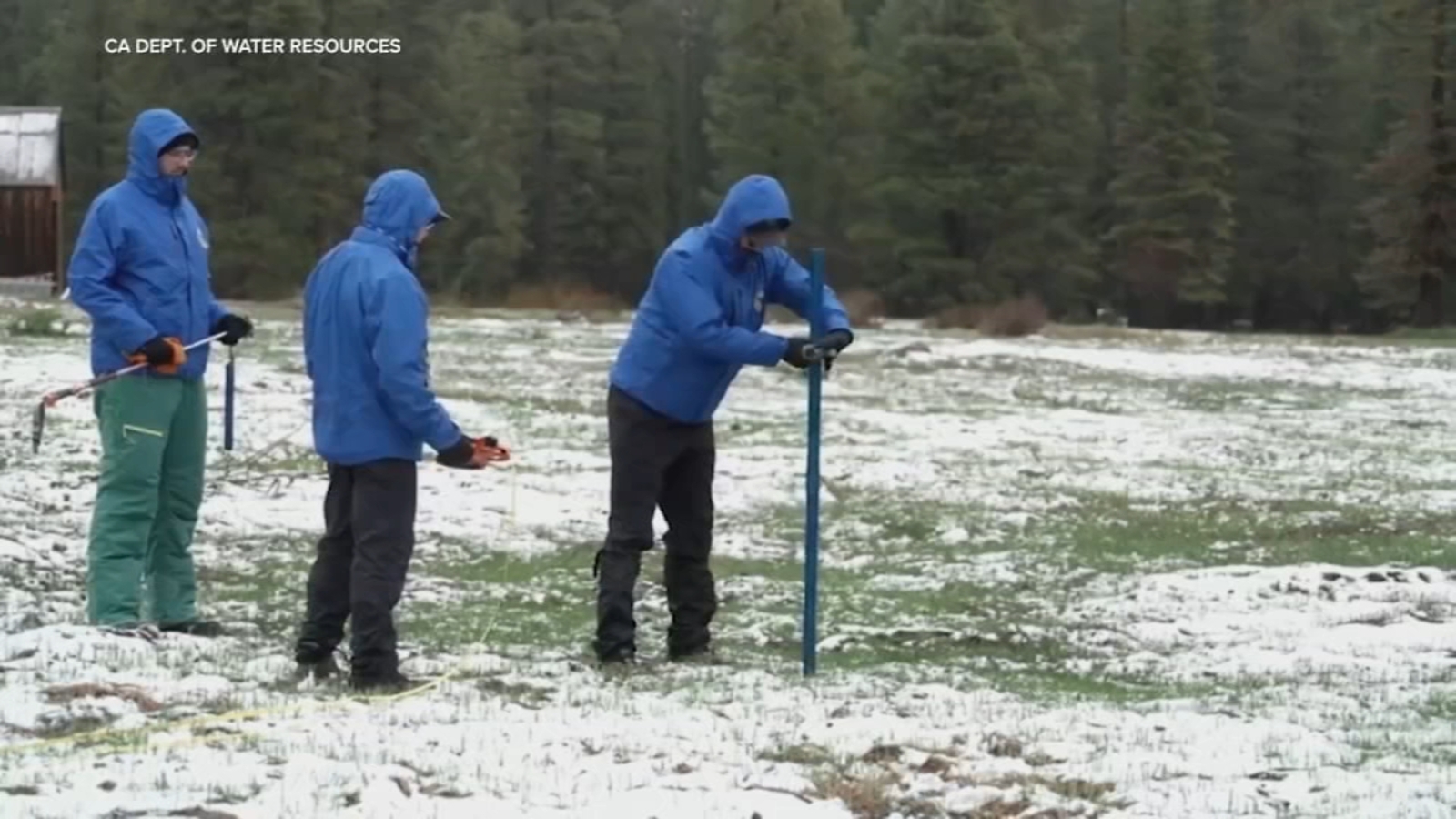
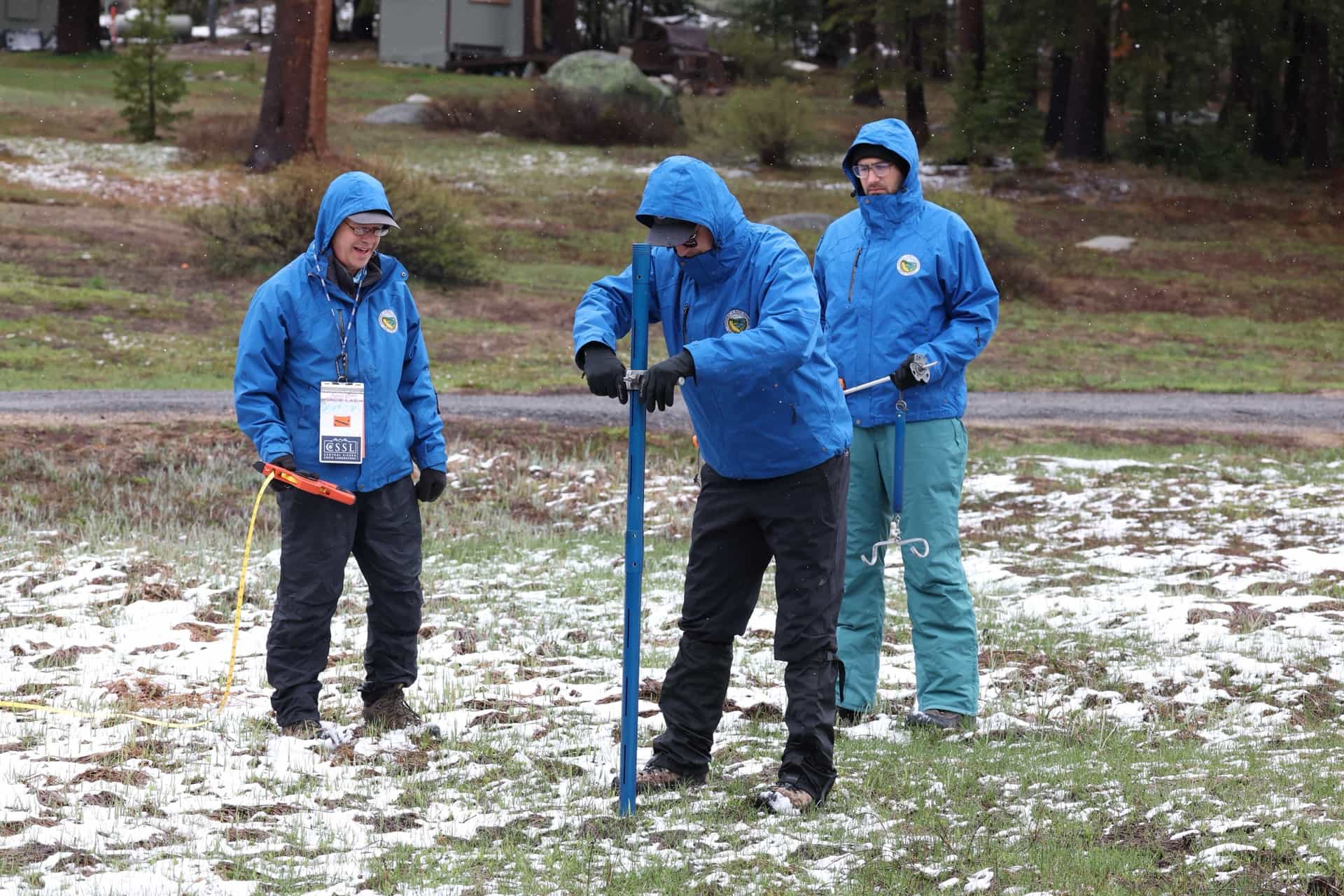

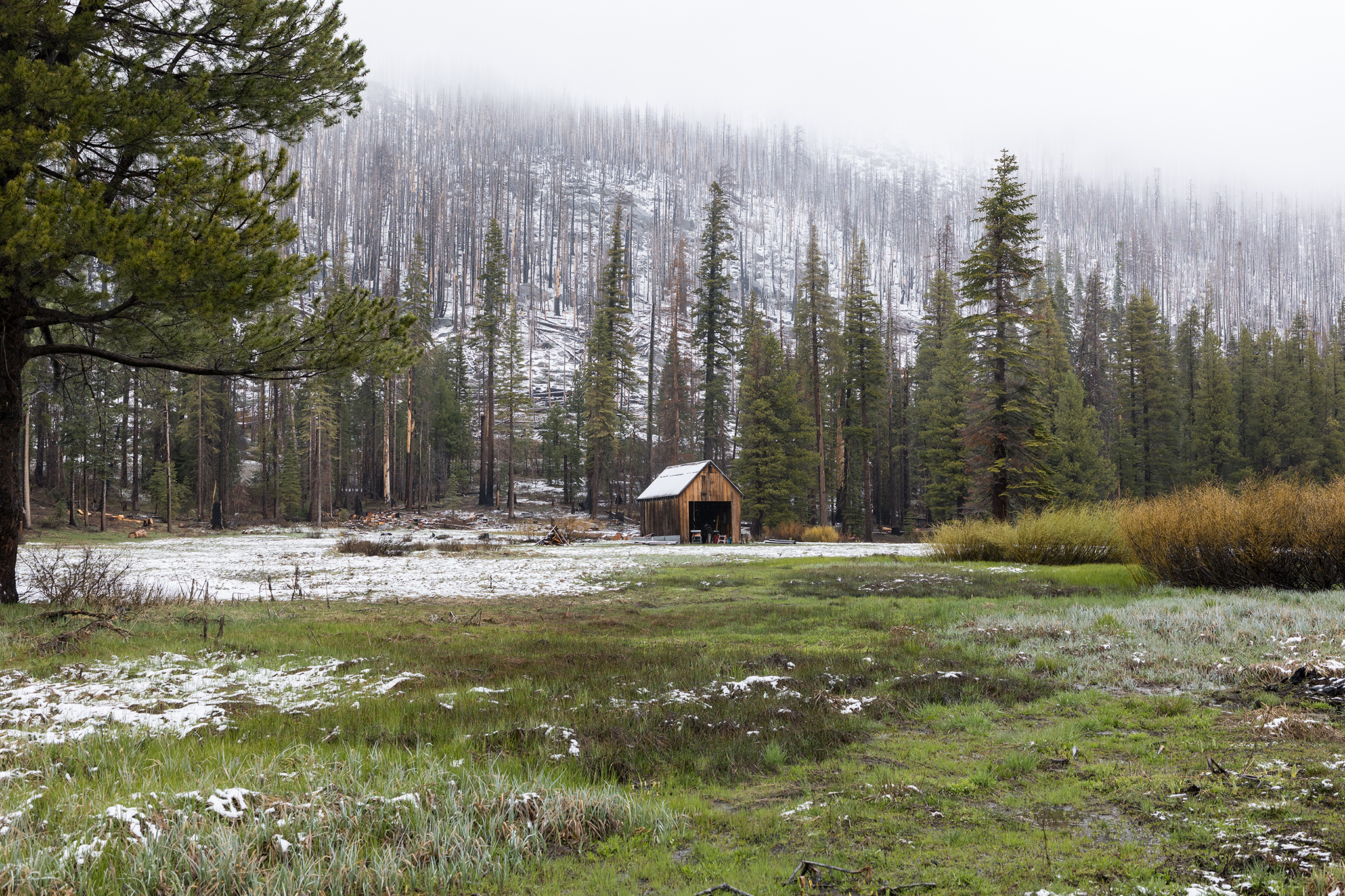
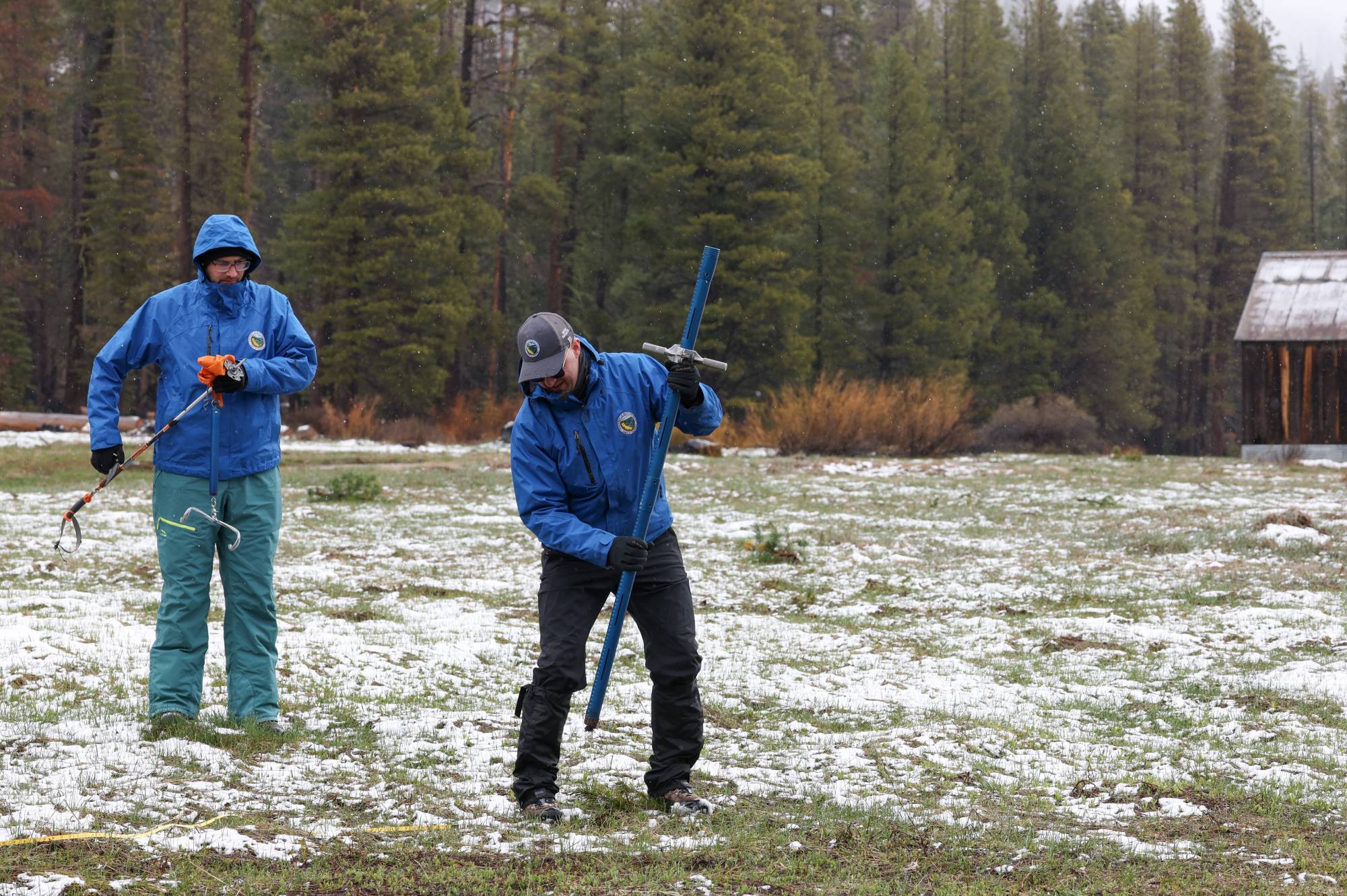
fromHigh Country News
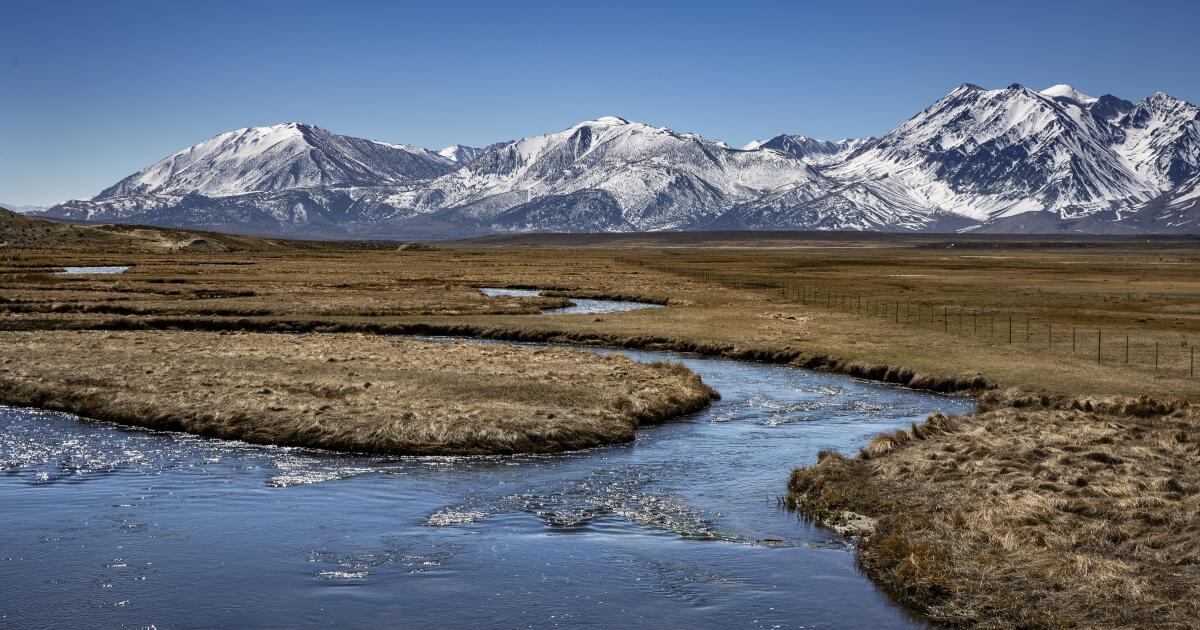
4 days agoForest Service overhaul sows confusion, concern - High Country News
"Nobody is asking for this. None of the farm groups want this. No one in conservation wants this. Nobody." Robert Bonnie, former Forest Service undersecretary, highlights widespread opposition to the reorganization.
Washington DC
fromFast Company
3 days agoSee it: Air temperatures and pollution around the world are captured in real time in these animated weather maps
We created Earth in Action to provide a lens into what's happening on our planet, as it happens. Whether it's something typical, like the current air temperature, or an extreme event like a major dust storm, we wanted to provide an opportunity for people to see them.
OMG science
Higher education
fromArs Technica
2 weeks agoNational Academies of Sciences says no to demands it remove climate info
State attorneys general challenged the National Academies' climate science chapter as unbalanced, but the NAS responded with a two-sentence defense citing standard procedures, leaving no clear enforcement mechanism for the critics.
fromMail Online
2 weeks agoRevealed: How many will DIE by 2050 if we don't curb climate change
Rising temperatures are projected to increase the prevalence of physical inactivity, translating into additional premature deaths and productivity losses, especially in tropical regions. Prioritising heat-adaptive urban design, subsidised climate-controlled exercise facilities, and targeted heat-risk communication is essential to mitigate these emerging health and economic burdens, in addition to ambitious emissions reductions.
Public health
fromSFGATE
3 days agoHawaii storms produced enough rain to fill 3 million Olympic swimming pools
The powerful March storms that drenched Hawaii produced more than 2 trillion gallons of rain and pushed precipitation levels to as much as 3,000% above normal in a 14-day period for this time of year.
Environment
Agriculture
fromwww.pressdemocrat.com
1 month agoLow snowpack, higher temperatures cause concern for Bay Area scientists, farmers
California needs significant March rain and snow to restore water resources after an unusually warm winter, despite February storms improving reservoir levels to 70-80% capacity.
Environment
fromFortune
3 days agoData centers are so hot, their 'heat island' effect is raising temperatures up to 6 miles away and impacting 343 million people worldwide, study finds | Fortune
AI infrastructure is creating a 'data heat island effect' that raises local temperatures and impacts millions of people.
fromwww.theguardian.com
1 month agoExtreme heat lab: enduring the climate of the future
"So whenever people think about hot weather, they always talk about the temperature," he says. "There's two issues with that. First of all, most people don't realise that the temperature is measured in the shade. So if you're in direct solar radiation, the amount of heat stress you're exposed to is much greater as it will stress your body out a lot more."
Public health
US politics
fromNew York Daily News
3 years agoMost Americans don't believe government is doing enough to combat climate change: poll
Most Americans believe the government is not doing enough on climate change and remain largely unaware of the Inflation Reduction Act's $350 billion clean-energy incentives.
fromEngadget
2 weeks agoStates are suing the EPA for relinquishing its role as a greenhouse gas emissions regulator
The lawsuit specifically argues that the EPA's decision to rescind a 2009 study that determined greenhouse gases are dangerous to public health was illegal. The study, which is the source of what's called the "Endangerment Finding," was one of several justifications - along with things like the Clean Air Act - for the agency's ability to regulate emissions.
Environment
Environment
fromwww.aljazeera.com
2 weeks agoUS states file lawsuit challenging Trump's revocation of climate finding
Twenty-three states filed a legal challenge against Trump's revocation of the 2009 endangerment finding that established climate change as a threat to human health and environment, which formed the basis for federal greenhouse gas emission regulations.
fromArs Technica
2 weeks agoEmerging legislation would shield polluters from liability for climate change
Dozens of local communities, states, and individuals are suing major oil and gas companies and their trade associations over rising climate costs and for allegedly lying to consumers about climate change risks and solutions. At the same time, some states are enacting or considering laws modeled after the federal Superfund program that would impose retroactive liability on large fossil fuel producers and levy a one-time charge on them to help fund climate adaptation and resiliency measures.
Environment
fromThe Nation
3 weeks agoA World on Fire Needs More Climate Reporting-Not Less
Covering Climate Now was formed in 2019 in response to the climate silence that then prevailed in much of the press, especially in the United States. Over the years that followed, hundreds of newsrooms joined our effort, and press coverage of the story began to reflect the scale of the crisis. Newsrooms beefed up their climate reporting teams; they confronted misinformation that sought to play down the problem; they thought creatively about how to find the climate connection on every beat.
Environment
fromNature
1 month agoThe world is getting hotter faster - its pace nearly doubled in the past decade
Because the past three years have shattered temperature records, researchers have been exploring whether global warming is accelerating, and if so, why. Many scientists agree that the rate at which it is increasing has picked up. This is mainly because of a reduction in air pollution following the introduction of fuel regulations for international shipping (which has resulted in fewer pollutant particles that reflect sunlight into space and seed insulating clouds).
Environment
Environment
fromMail Online
4 weeks agoGlobal warming has accelerated significantly since 2015, study reveals
Global warming has accelerated to 0.35°C per decade over the past 10 years, double the 1970-2015 rate, threatening to exceed the 1.5°C Paris Agreement limit before 2030 without urgent CO2 emission reductions.
#global-warming
Environment
fromFortune
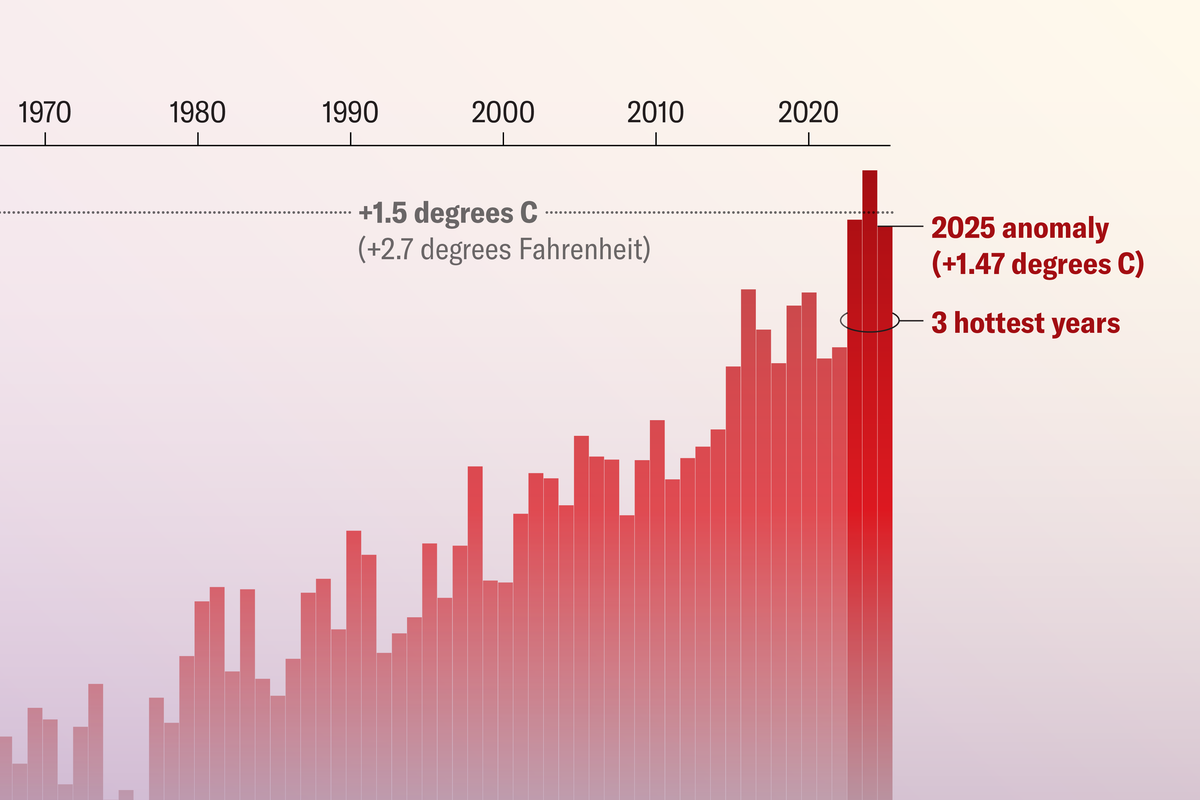
4 weeks agoThe last 3 years were the hottest ever recorded. Here's why we may look back at them as some of the coolest we remember | Fortune
2025 was the third-hottest year on record despite cooling factors like La Niña, reduced solar activity, and fewer wildfires, indicating hidden warming influences are masking expected temperature decreases.

Environment
fromFortune
4 weeks agoThe last 3 years were the hottest ever recorded. Here's why we may look back at them as some of the coolest we remember | Fortune
2025 was the third-hottest year on record despite cooling factors like La Niña, reduced solar activity, and fewer wildfires, indicating hidden warming influences are masking expected temperature decreases.
Environment
fromwww.scientificamerican.com
2 months agoU.S. Greenhouse Gas Emissions Are Rising for the First Time in Two YearsThey Could Climb Far Higher
Rapid expansion of AI data centers and colder winter increased U.S. electricity use, driving a projected 2.4% rise in greenhouse-gas emissions in 2025.
fromwww.theguardian.com
1 month agoEnforcement of laws against polluters nearly non-existent in US, analysis finds
Enforcement of environmental laws against major polluters has virtually ground to a halt under the Trump administration, a new analysis of Environmental Protection Agency records from January 2025 to January 2026 shows. Major polluters typically include companies that are among the largest in the oil, gas, coal and chemical industries. Records show the EPA filed just one Clean Air Act consent decree compared with 26 in the first year of Trump's first term, and 22 during Biden's first year.
Environment
Environment
fromEarth911
2 months agoGuest Idea: Climate Risk Has Become A Defining Economic Issue
Climate-driven financial risks threaten housing and public budgets while large-scale clean-energy and durable carbon-removal investments (geothermal, biochar, novel hydrogen) accelerate to build resilience.
[ Load more ]