Washington DC
fromTruthout
1 hour agoTrump Budget Boosts War Spending While Slashing Domestic Programs
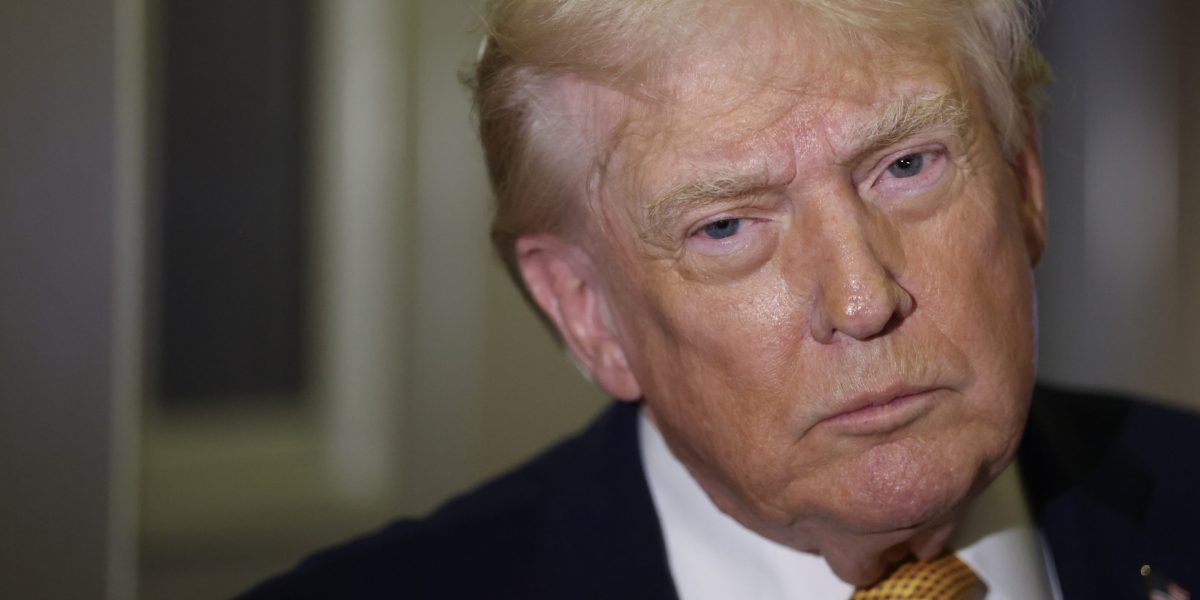
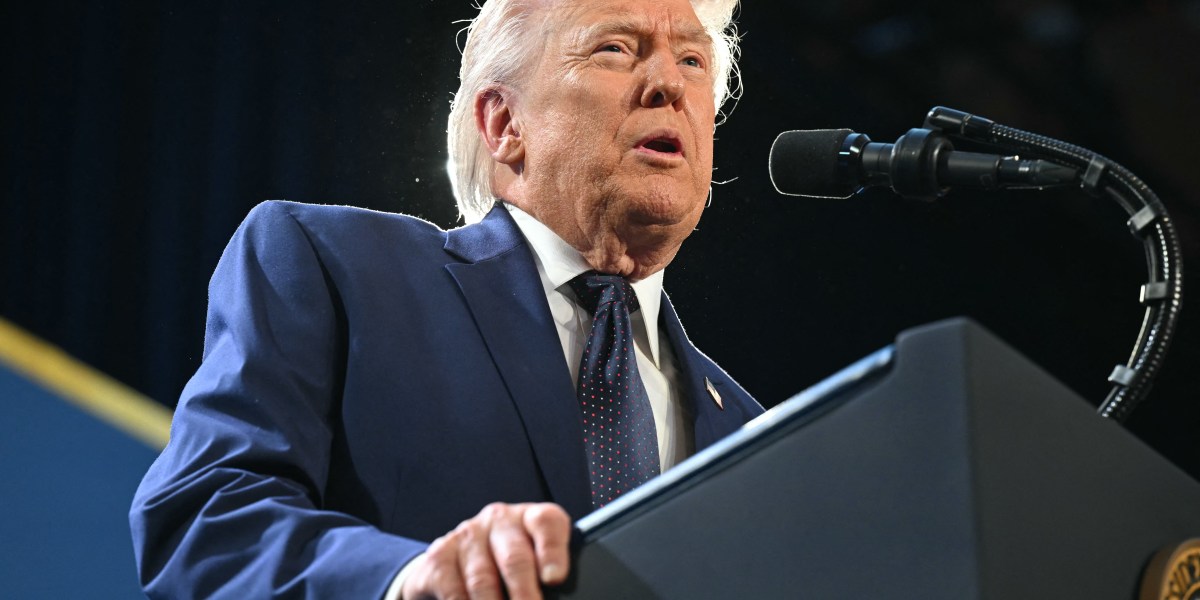
The Trump administration's fiscal 2027 budget requests a 43% increase in defense spending and a 10% decrease in non-defense funding.
The tax provides more than $23 billion per year in revenue for federal highway and public transit programs. The federal gas tax has been in place, in one way or another, since 1919 and was last raised in 1993.
The proposed rule establishes broad principles to guide the determination of whether state-level stablecoin regulatory regimes are 'substantially similar' to the federal framework, allowing smaller issuers to remain under state supervision.
Escalating geopolitical risk continued to dominate global markets' concerns, with safe-haven demand keeping the dollar index anchored near a multi-week high.
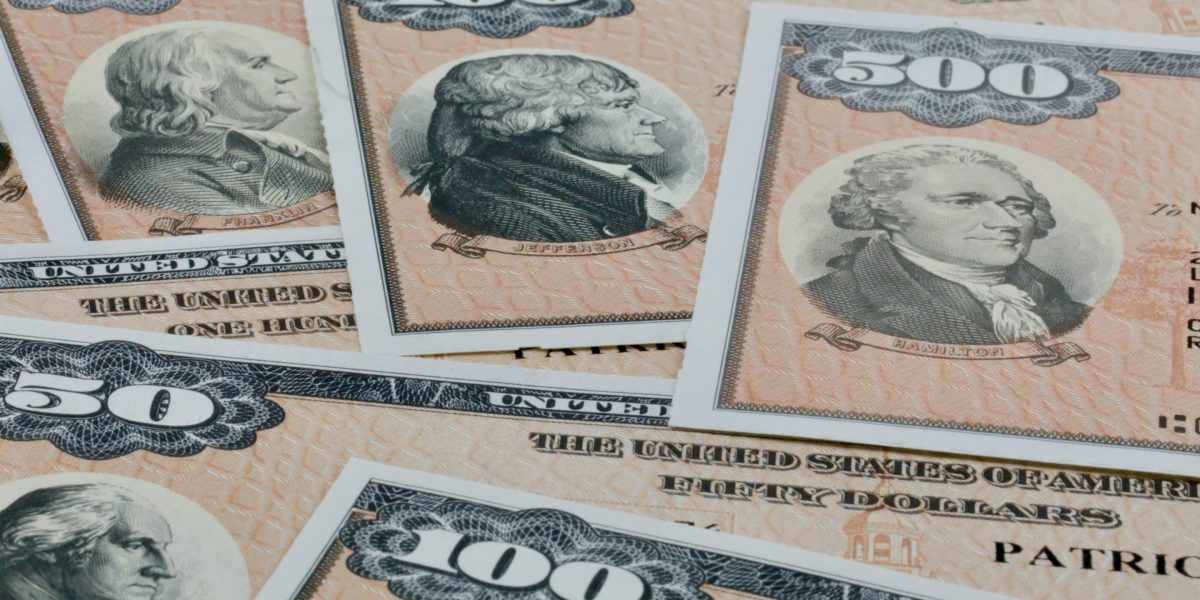
"The historical evidence reveals a striking pattern: government bonds have repeatedly generated substantial real losses during these extreme episodes. They have even underperformed equities and real estates which are traditionally regarded as risky assets."
As the Federal student aid portfolio soars to nearly $1.7 trillion and with nearly a quarter of student loan borrowers in default, Americans know that the Department of Education has failed to effectively manage and deliver these critical programs. By leveraging Treasury's world-renowned expertise in finance and economic policy, we are confident that American students, borrowers, and taxpayers will finally have functioning programs after decades of mismanagement.
Operation Epic Fury is racking up a staggering military bill. According to the Center for Strategic and International Studies, a DC think tank, the military campaign is costing approximately $891.4 million every single day. The first 100 hours of the conflict alone consumed $3.7 billion, CIS added in a report on the costs of the fighting, as reported by CNN.
It might make the average American consumer happy, but the decision could amount to trillions of dollars worth of lost government revenue over the next decade, and eventually come back to haunt the country's fiscal stability. As evidence mounted that tariffs were taking a toll on American shoppers and companies, the Supreme Court justices ruled 6-3 that Trump had exceeded his authority when he installed sweeping "emergency" tariffs on a number of trade partners. The decision was cheered by business coalitions, and markets surged on the news.