US Elections
fromAxios
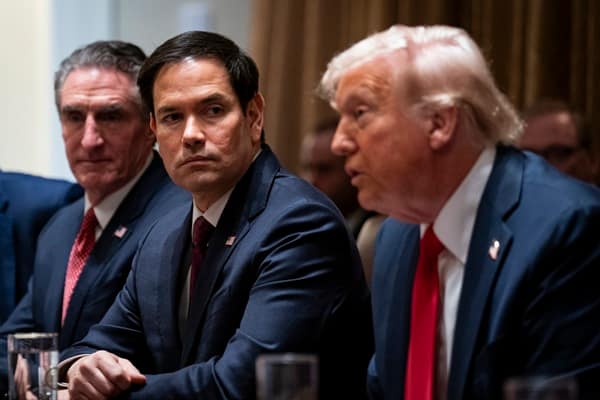
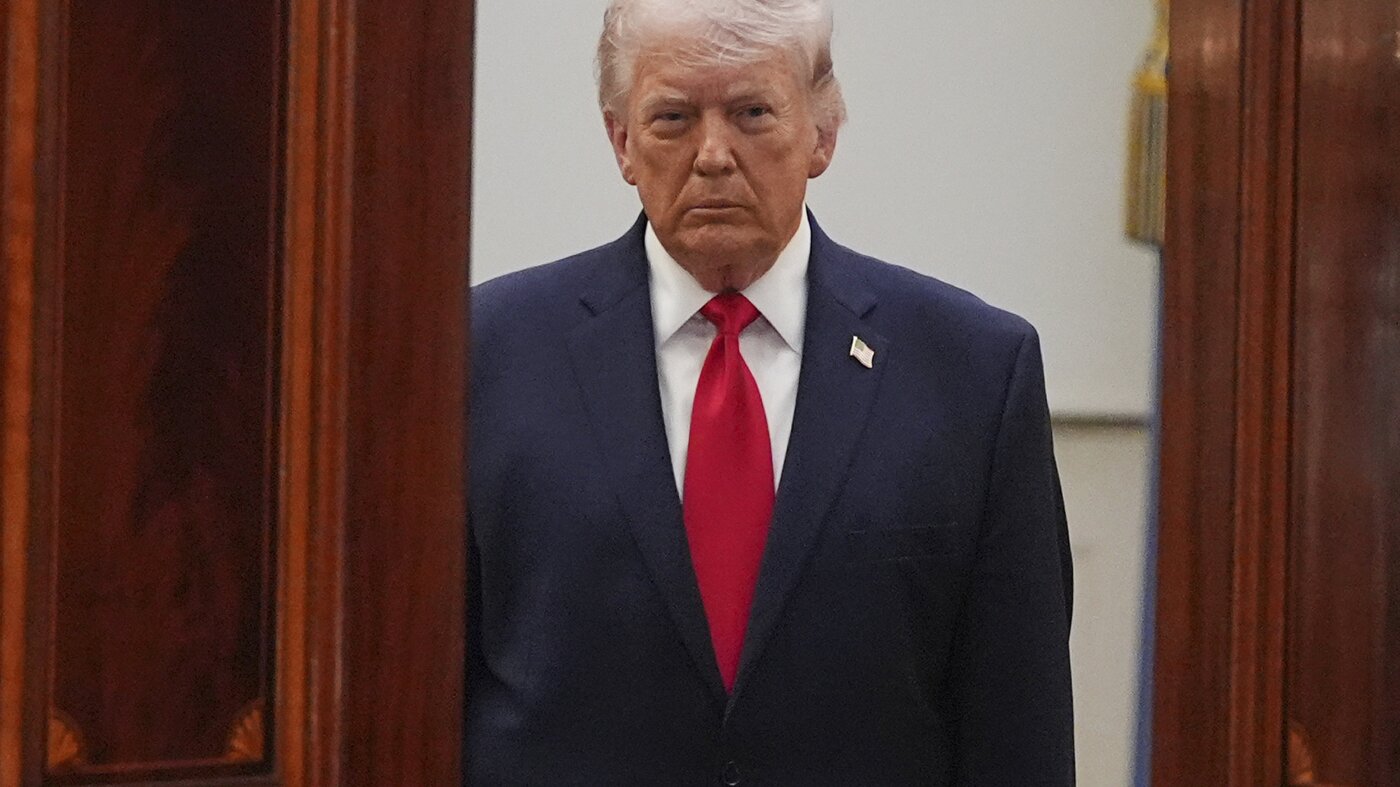
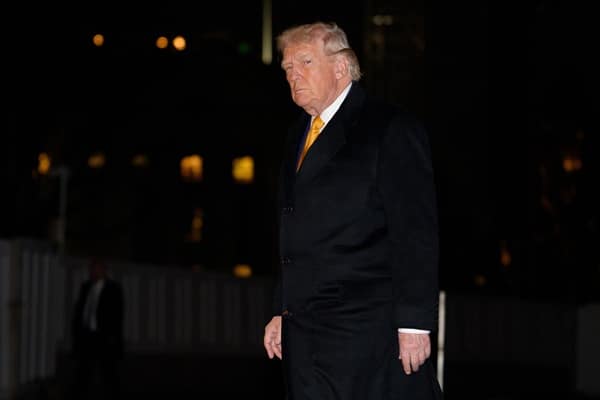
5 hours ago"We're fighting wars": Trump bets his presidency on the Pentagon
Trump's budget prioritizes military spending, significantly cutting non-defense programs amid declining approval ratings and rising gas prices.
"To accelerate current weapons development timelines, DARPA is considering an alternative development paradigm to increase the nation's magazine depth and breadth."
Attempting to eke out the remaining oil and gas from the North Sea was not the answer to the challenges facing the UK. It will not bring down the price for consumers, nor will it deliver long-term energy security. The international markets will determine the price and destination; that is not energy independence.
Austria's Defense Ministry stated, 'There have indeed been requests and they were refused from the outset.' The refusal is based on the country's neutrality policy, which has been in effect since 1955.
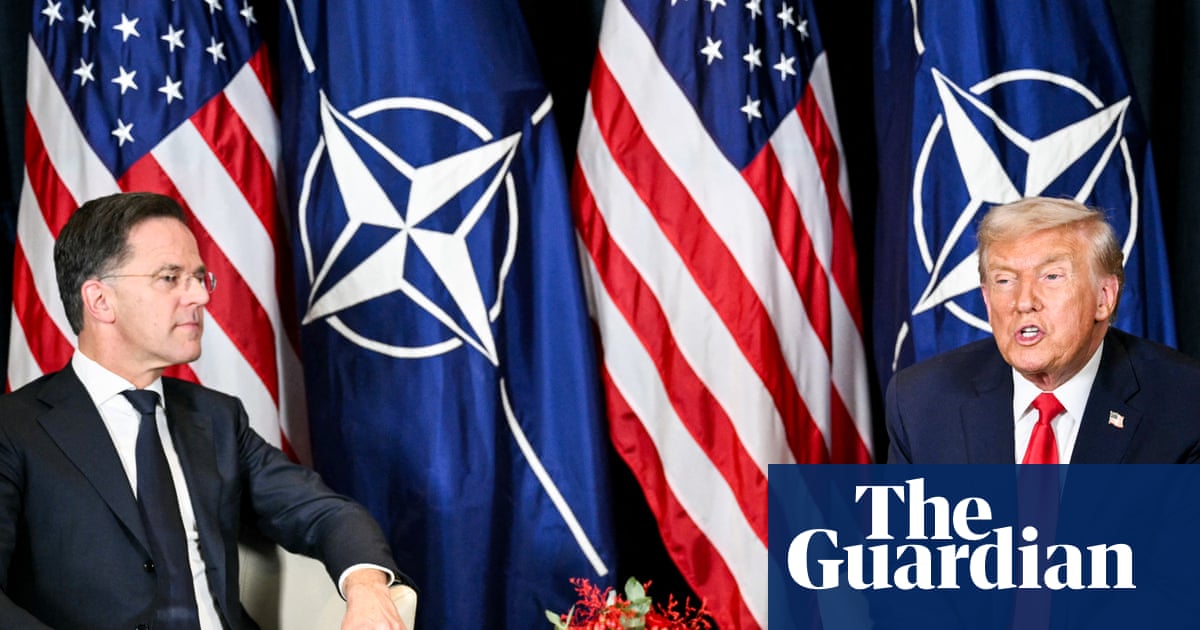
NATO is sending another Patriot missile defence unit to its Incirlik Air Base, after several ballistic missiles Ankara says were fired by Iran were downed heading towards or in Turkish airspace. The ministry announced the new missile battery during a Wednesday briefing at the Incirlik base, located near the southern city of Adana, saying it would complement national-level measures to ensure the security of our airspace and our citizens.
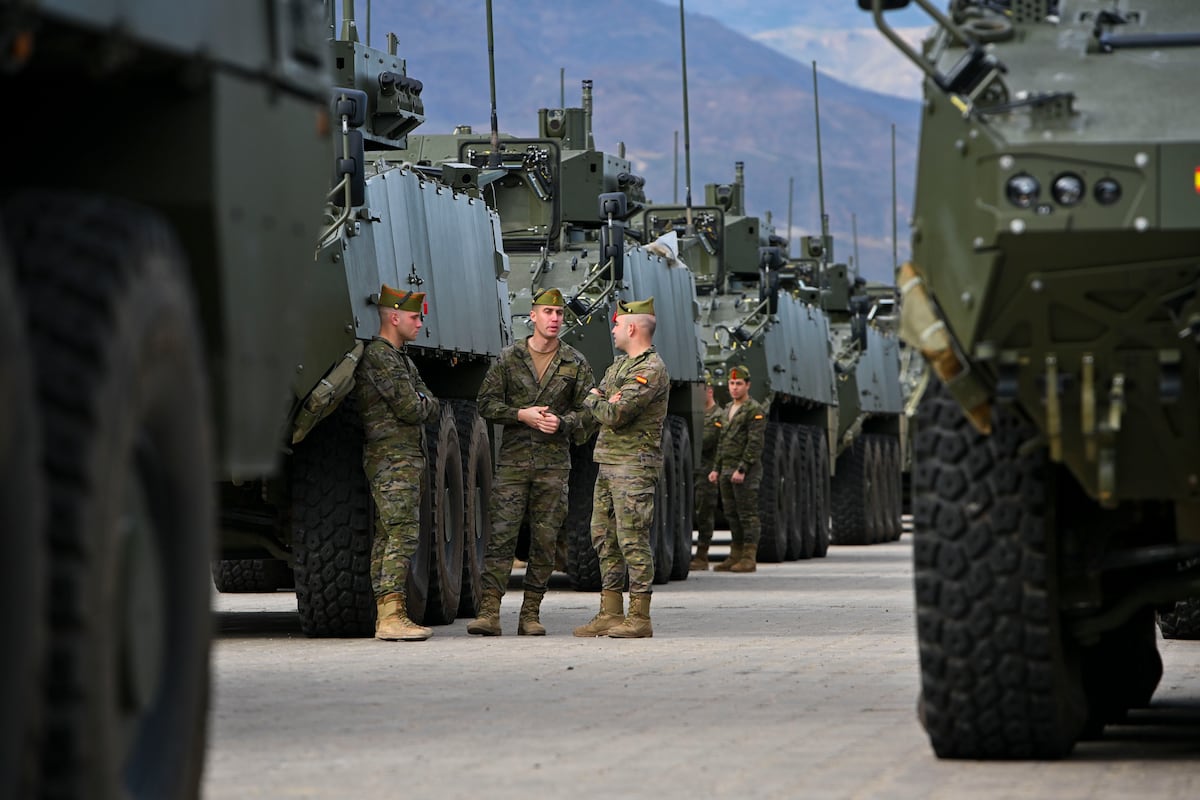
Defending the countries of Nato's eastern flank in the event of a potential Russian aggression would cost at least twelve hundred billion euros - twenty-four times more than the Polish defence budget. A free Ukraine, as part of the West, is our chance to render Russian imperialism toothless.
The government is refusing to deny reports that plans to make Britain's armed forces "war ready" will require billions more than it has allocated so far. The Ministry of Defence (MoD) believes it will require an extra 28bn over the next four years to meet its forecast costs, according to The Times and The Sun. The department's investment plan has been delayed, with Sir Keir Starmer reportedly ordering a rewrite of the proposals.
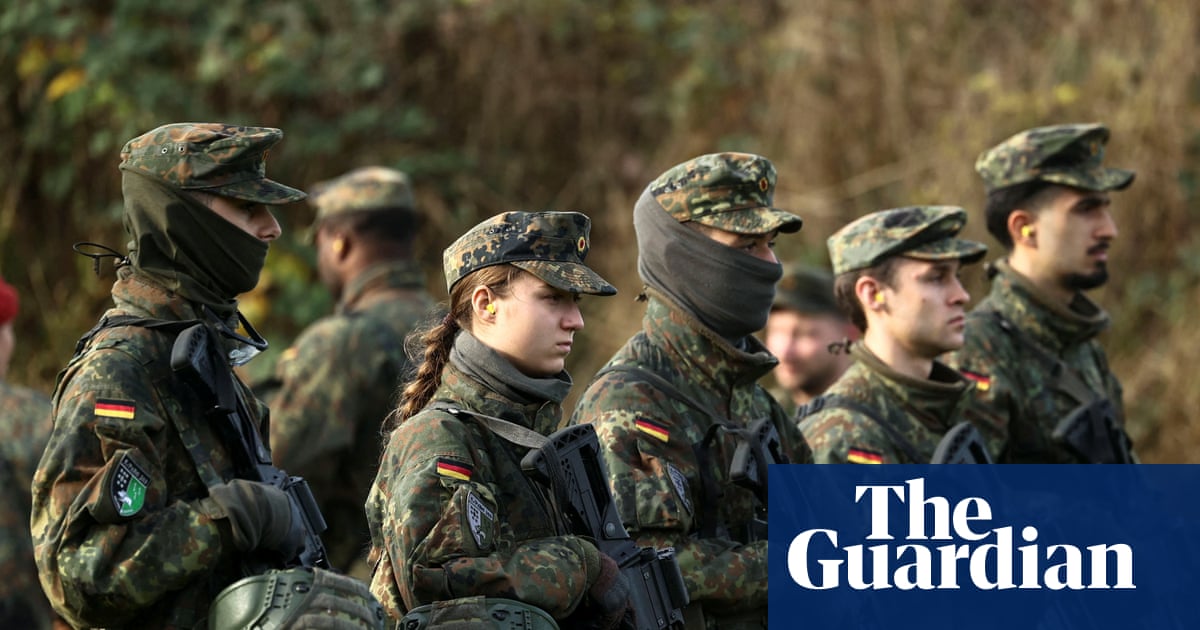
Germany's military, the Bundeswehr, is currently on a spending spree: it has more than 108 billion ($129 billion) at its disposal this year a gigantic, unprecedented sum. This is being financed both by the official federal budget and special funds, for which the state is taking out loans. This money is intended to make the Bundeswehr, which has been subject to decades of cutbacks, more powerful and modern. There is also time pressure.
At the beginning of the year, German men aged 18 began to receive a compulsory questionnaire registering their fitness for army service under a law passed last month. Joining the army is voluntary for now, but the law allows the government to introduce mandatory service to meet its goal of building what it says will be the strongest army in Europe for the first time since World War II.
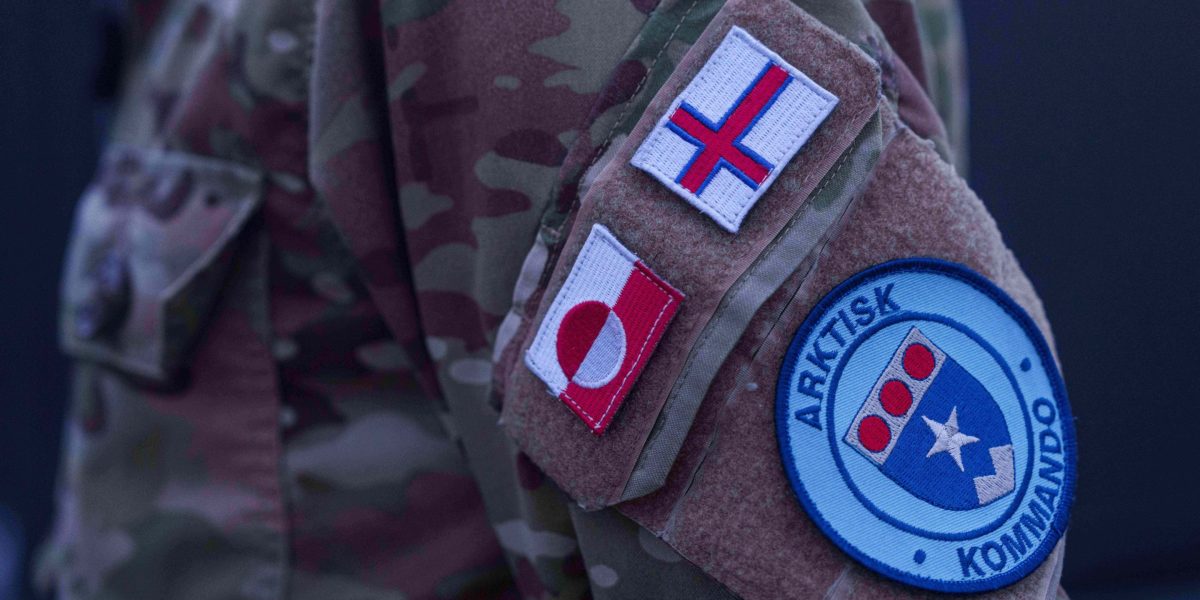
The Foreign Secretary said: "The Arctic is the gateway for Russia's Northern Fleet to be able to threaten the United Kingdom, to threaten Western Europe and Norway, to threaten the United States and Canada. "So it's a whole transatlantic security depends on our Arctic security," she added. Cooper explained that Nato needs to "double down" and "do what we've done in other areas", to make sure that "we really strengthen the security of the high north".