#nautical-history
#nautical-history
[ follow ]



:max_bytes(150000):strip_icc()/tl-cruise-essentials-tout-7b2a7593995c4b12ac221887f563009a.jpg)


fromOpen Culture
3 weeks agoThe Fascinating Engineering of the Titanic: How the Great Ocean Liner Was Built
The Titanic was one of a trio of similar White Star Line ships completed in the early nineteen-tens. In the video above, Bill Hammack, known on YouTube as Engineerguy, tells the story of not just the Titanic, but also the Olympic and the HMHS Britannic. An engineering professor at the University of Illinois, he found in the campus library issues of the journal The Engineer published between 1909 and 1911 that contain detailed photographs of the construction of both the Titanic and Olympic, sister ships that were built side-by-side.
OMG science
US news
fromwww.theguardian.com
3 weeks agoTreasure hunter freed after decade in prison for not revealing location of gold
Treasure hunter Tommy Thompson was released after 10 years in prison for refusing to disclose the location of 500 gold coins from the SS Central America, which he discovered in 1998.
Intellectual property law
fromPatently-O
1 month agoSoak and Pounce: 1920's Style Submarine Patents
Patent applicants historically delayed filing divisional applications to allow competitors to independently develop inventions, then emerged with claims to capture those market investments through interference proceedings.
fromJezebel
1 month agoThe 2 Notorious Female Pirates Who Fought Brutally, Ruthlessly, and Sometimes Topless
According to witness testimonies that eventually landed them at a courthouse in Jamaica in 1720, they were more ruthless and deadly than their male counterparts; they shot their rifles whenever they felt like it; and, in some cases, they fought topless.
Women
History
fromBusiness Insider
1 month agoWorld War II museum ships suddenly feel less like history after a US submarine sank an Iranian warship
A US Navy submarine's recent sinking of an Iranian warship has revived interest in World War II museum ships, making historical naval combat vessels relevant to contemporary military strategy and public discourse.


fromdesignboom | architecture & design magazine
2 months agophotographer captures cargo ships passing by on his ferry ride home
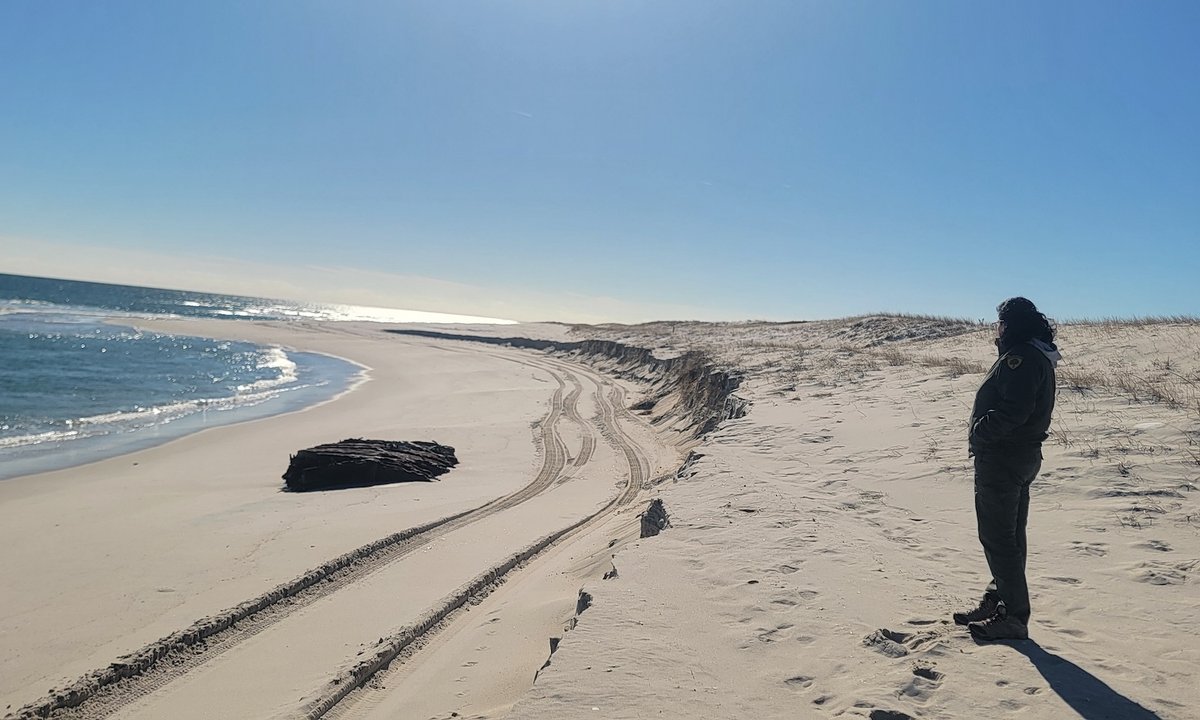
Counting Ships is a photography series by Pierfrancesco Celada that examines proximity, movement, and scale within a maritime landscape. The project captures a busy ferry route connecting an island to one of the most densely populated regions nearby. The crossing takes approximately 25 minutes and passes through one of the world's most active maritime trade corridors, where more than two hundred cargo ships transit daily.
Photography
fromArtnet News
2 months agoNew Research Could Rewrite the Story of One of New York's Earliest Shipwrecks
In 1916, subway construction near Greenwich and Dey Streets in Lower Manhattan unearthed a surprising relic. Some 20 feet underground, workers turned up charred timber; digging further, the contours of an ancient ship came into view-its prow, keel, and ribs. The wreck was later deemed to be the Tyger, a 17th-century vessel that represents a rare archaeological trace of early Dutch exploration in Manhattan.
Arts
Science
fromwww.nature.com
2 months agoAuthor Correction: Hunter-gatherer sea voyages extended to remotest Mediterranean islands
Corrections to regional radiocarbon uncertainties do not meaningfully change conclusions about timing of the Mesolithic–Neolithic transition or maritime voyages in the central Mediterranean.
Arts
fromColossal
2 months agoPaintings on Antique Navigational Tools Are a Poetic Nod to Bird Migration by Steeven Salvat
Steeven Salvat creates meticulous hybrid drawings of creatures fused with mechanical elements, using antique maps and navigational objects to explore migration, navigation, and ecological vulnerability.
fromwww.aljazeera.com
2 months ago'Inevitably difficult'
On September 14, Alejandro Carranza, a 42-year-old fisherman, set out to sea from a remote town in La Guajira, Colombia's northernmost province, bordering Venezuela. It was an ordinary fishing trip, in search of tuna and marlin, said Leonardo Vega, a childhood friend and the president of the fishing association Carranza belonged to. But this time, Carranza never returned.
World news
World news
fromwww.theguardian.com
2 months agoReflagged by Russia, spied on by UK, seized by US: why so much interest in a rusty tanker in the Atlantic?
The 300-metre tanker Marinera, part of a sanctions-evasion shadow fleet, was seized by US forces amid suspicions of illicit cargo or symbolic strategic value.
fromBrooklyn Eagle
1 month agoTime running out for S.S. United States as group pushes for preservation
ALABAMA - THE HISTORIC S.S. UNITED States ocean liner, currently undergoing environmental remediation work in Mobile, Alabama ahead of its planned sinking and conversion to an artificial reef off of Florida's coast, was this week given a tentative April departure date from that port for its final destination, Fox 10 WALA reports . The new timeline has lit a fire under the New York Coalition to Save the S.S. United States, the preservation group battling to save the ship .
US news
fromwww.scientificamerican.com
1 month agoAncient seafarers helped shape Arctic ecosystems
In the pristine High Arctic sits the Kitsissut island cluster, also known as the Carey Islands, nestled between northwest Greenland and northeast Canada. The surrounding seas are perilous, and traveling there is difficult even with modern boats. But new archaeological evidence suggests ancient humans managed to sail to the islands, too. Early settlers lived on the islands between 4,500 and 2,700 years ago.
Science
fromMail Online
1 month agoArchaeologists fight tides to save the Swash Channel Wreck in Dorset
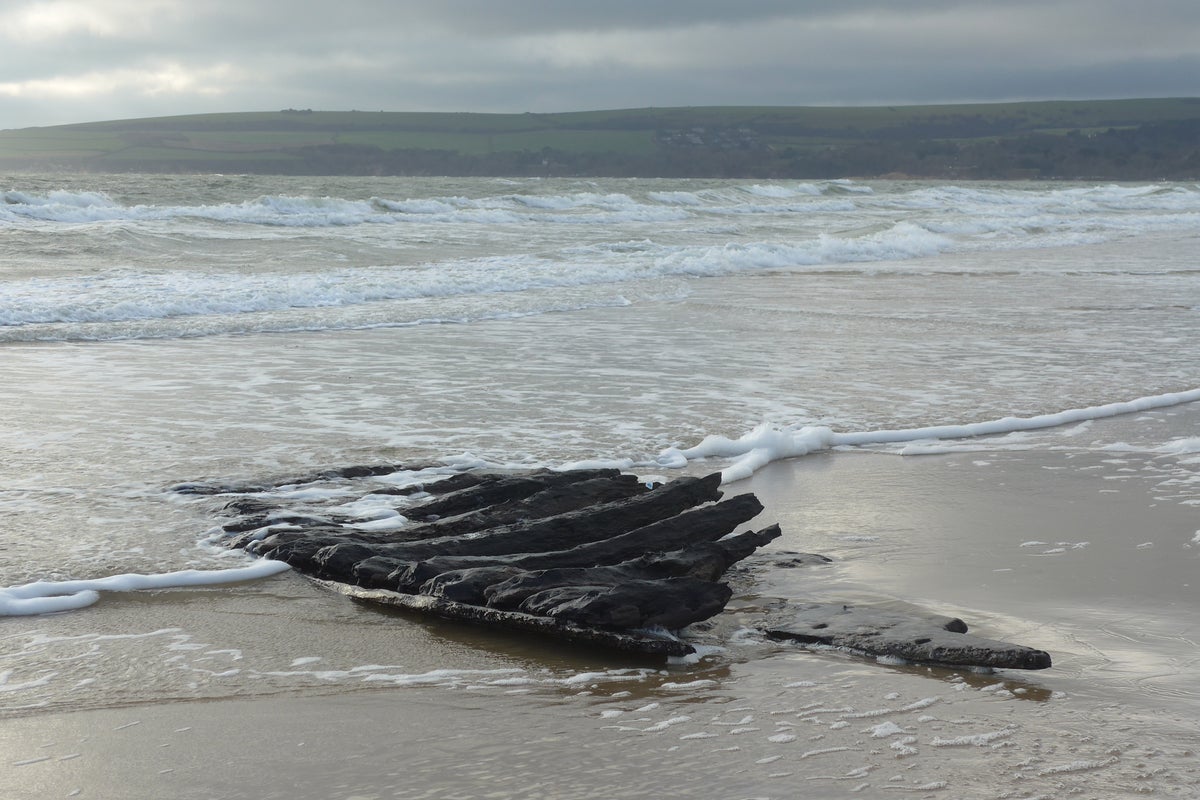
Archaeologists have fought the tides to save a 17th-century shipwreck from a popular nudist beach in Dorset. The remains are believed to be part of the Swash Channel Wreck, a Dutch merchant ship called The Fame of Hoorn that ran aground while approaching Poole Harbour in 1631. The wreck was found on Dorset's Studland Beach at the end of January when Storm Chandra washed away the sand that had kept it hidden for almost 400 years.
History
History
fromSmithsonian Magazine
2 months agoArchaeologists Discovered the 'Holy Grail' of Shipwrecks a Decade Ago. Now, They're Finally Beginning to Unravel the Secrets of the 'San Jose'
A priceless 1708 Spanish galleon, the San José, was discovered in 2015 but remains contested amid political and legal battles over ownership and treasure.
fromSmithsonian Magazine
2 months agoMeet 13 People Who Survived on Deserted Islands, From a Real-Life Robinson Crusoe to a Noblewoman Marooned With Her Lover
Countless books, movies and television shows chronicle the adventures (or misadventures) of people stranded on remote islands. Consider, for example, Daniel Defoe's Robinson Crusoe, the beloved Tom Hanks movie and the classic 1960s sitcom " Gilligan's Island." Now , a new Sam Raimi horror-thriller about a woman (played by Rachel McAdams) stuck with her overbearing boss (Dylan O'Brien) after a plane crash, is set to join the ranks of these survivalist stories.
History
fromSmithsonian Magazine
2 months agoMeet 13 People Who Survived on Deserted Islands, From a Real-Life Robinson Crusoe to a Noblewoman Marooned With Her Lover
Narratives about deserted islands often depict the ingenuity required to build shelter and acquire food and water, as well as the mental fortitude needed to patiently wait for rescue. Many of these story lines are exaggerated and sensationalized for dramatic effect. Still, the challenge of being pitted against nature, secluded from civilization and forced to live with only the barest essentials taps into themes of resilience and adventure that have always fascinated humans.
History
fromMedievalists.net
2 months agoMedieval gold ring discovered in Norway - Medievalists.net
A gold ring with a deep-blue, oval setting - decorated with fine spirals of filigree and tiny granulated beads - has been recovered from medieval deposits in Tønsberg, a historic town in southeastern Norway. The ring was found during an excavation in the modern town centre, where archaeologists have been investigating layers of urban life preserved beneath today's streets. The discovery was made within the protected archaeological area known as Tønsberg Medieval Town.
History
[ Load more ]