Germany news
fromwww.dw.com
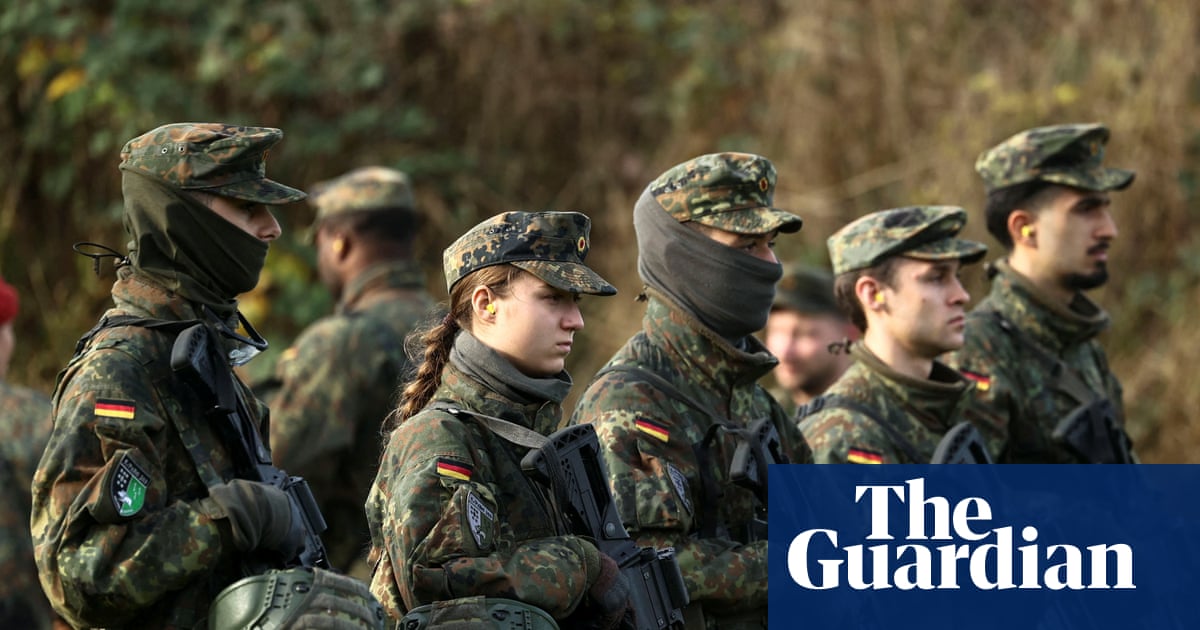
14 hours agoYoung German men refusing military service
Phil Werring opposes compulsory military service in Germany, citing a lack of perceived threats and organizing a nationwide protest against it.
Germany started the First World War (1914-18) with the belief its armed forces could win a quick and decisive victory over France and then Russia. The reality turned out to be much more complicated as more countries became involved in a global war that lasted five years. An alternative title to this article, of course, could be How the Allies Won the War.
A few years ago, sometime during the harrowing year of 2020 that would change everything, author Herve Le Tellier discovered that someone had written a name on the outer wall of his new house in the village of La Paillette, in southern France. When he later found that the same name appeared on the monument to the town's sons who died for the homeland, Le Tellier realized he had a story in his hands and that he wanted nothing more than to tell it.
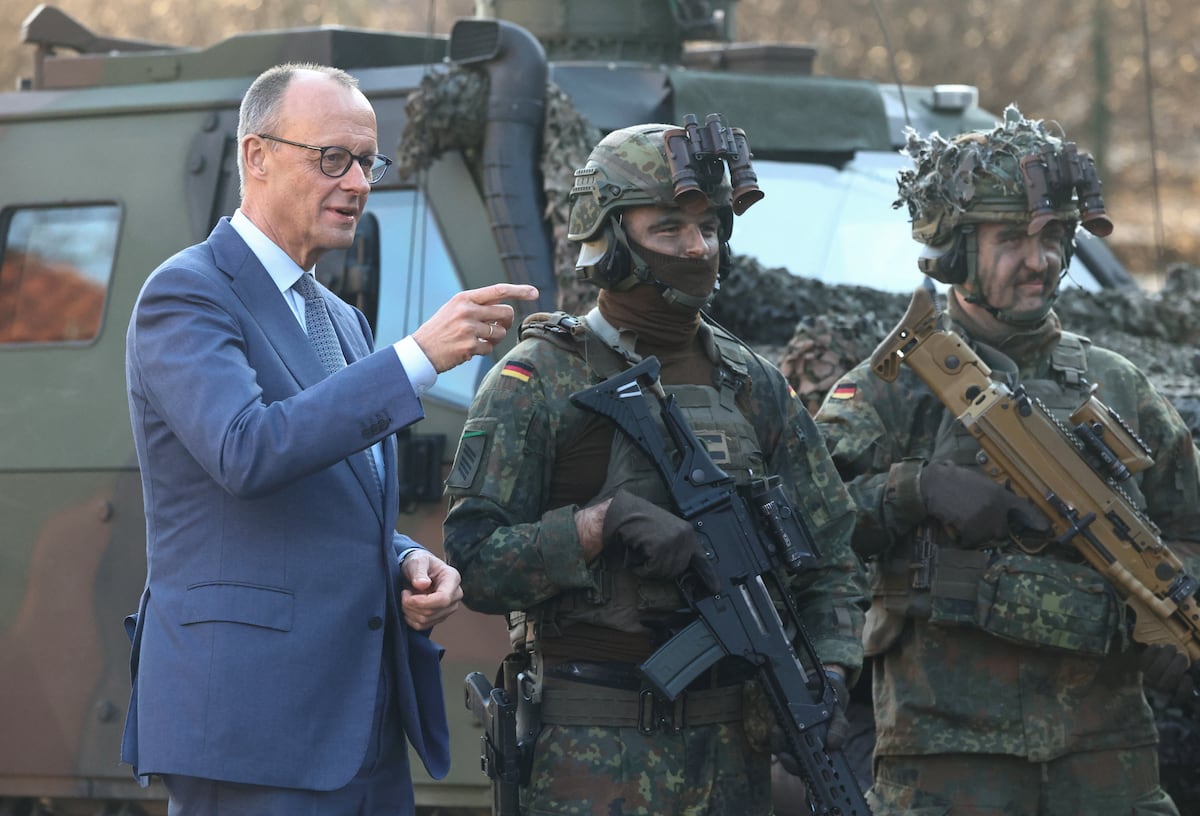
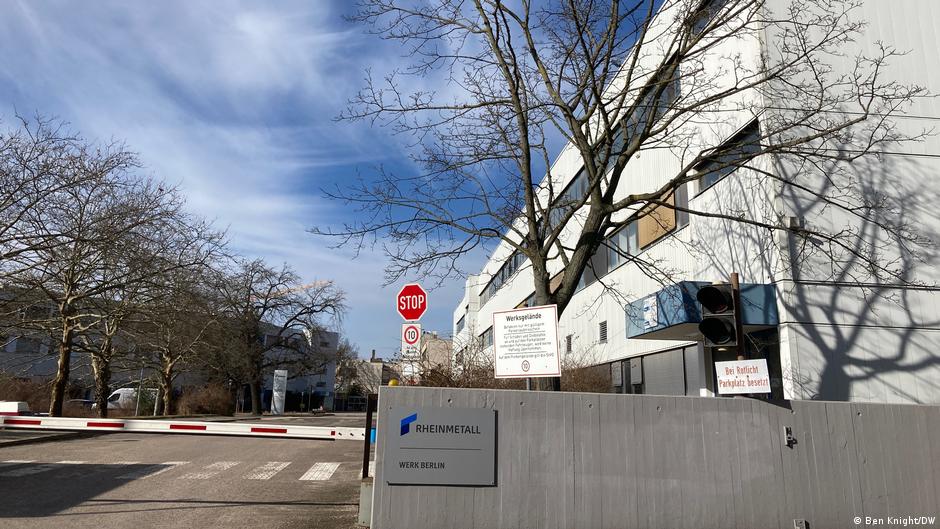
Germany's military, the Bundeswehr, is currently on a spending spree: it has more than 108 billion ($129 billion) at its disposal this year a gigantic, unprecedented sum. This is being financed both by the official federal budget and special funds, for which the state is taking out loans. This money is intended to make the Bundeswehr, which has been subject to decades of cutbacks, more powerful and modern. There is also time pressure.