#neanderthal-communication
#neanderthal-communication
[ follow ]
Education
fromwww.scientificamerican.com
2 weeks agoCan you solve these language puzzles? Test your skills with these problems from North America's biggest linguistics competition
Over 250 students competed in NACLO's invitational round, with winners advancing to the International Linguistics Olympiad in Romania, representing the growing field of computational linguistics that powers modern AI systems.

fromThe Local France
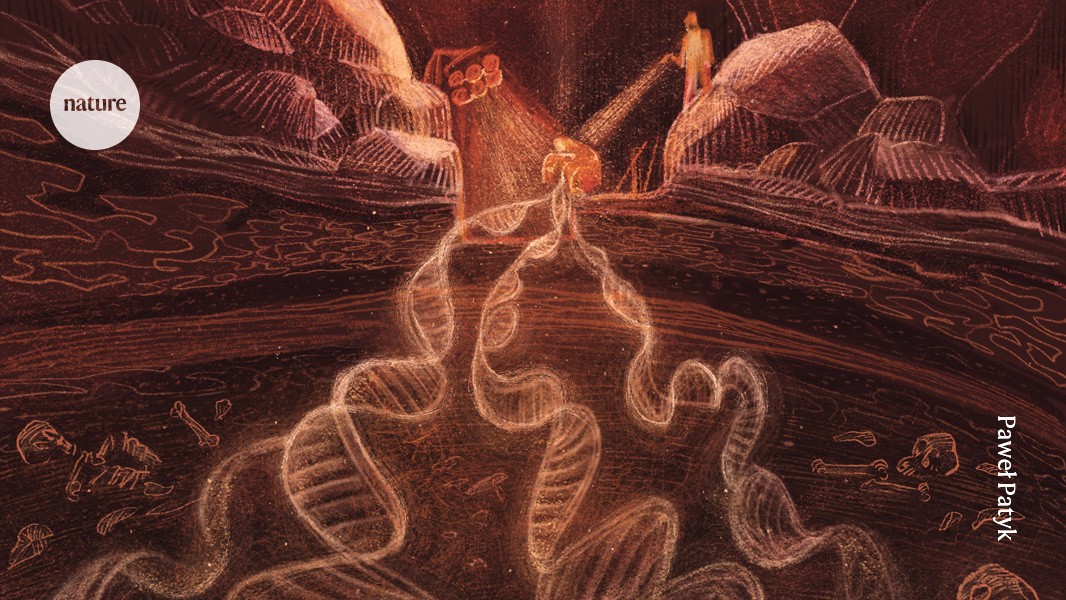
2 weeks agoMysterious ancient skeletons discovered sitting upright in France
Similar to four others unearthed nearby earlier this month, it is sitting upright at the bottom of a one-metre-wide pit. The skeleton's hands are resting in its lap. Like the others, its back is against the eastern wall, its face directed westward.
France news

OMG science
fromMail Online
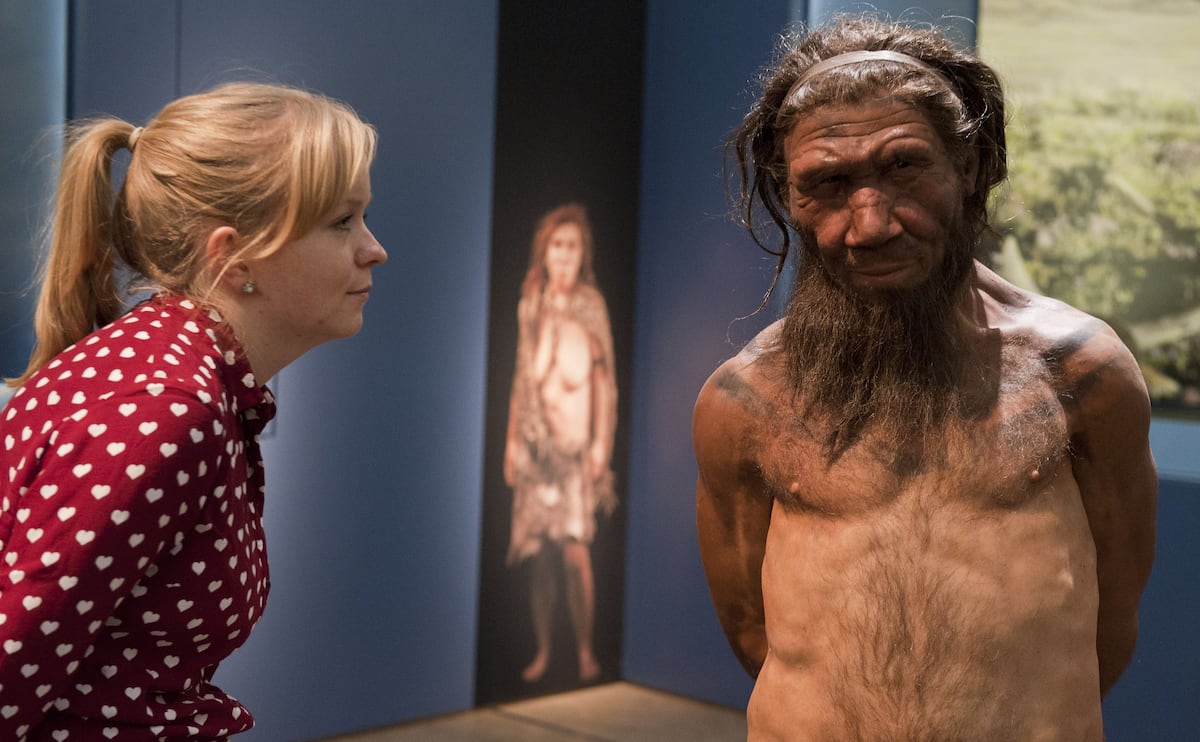
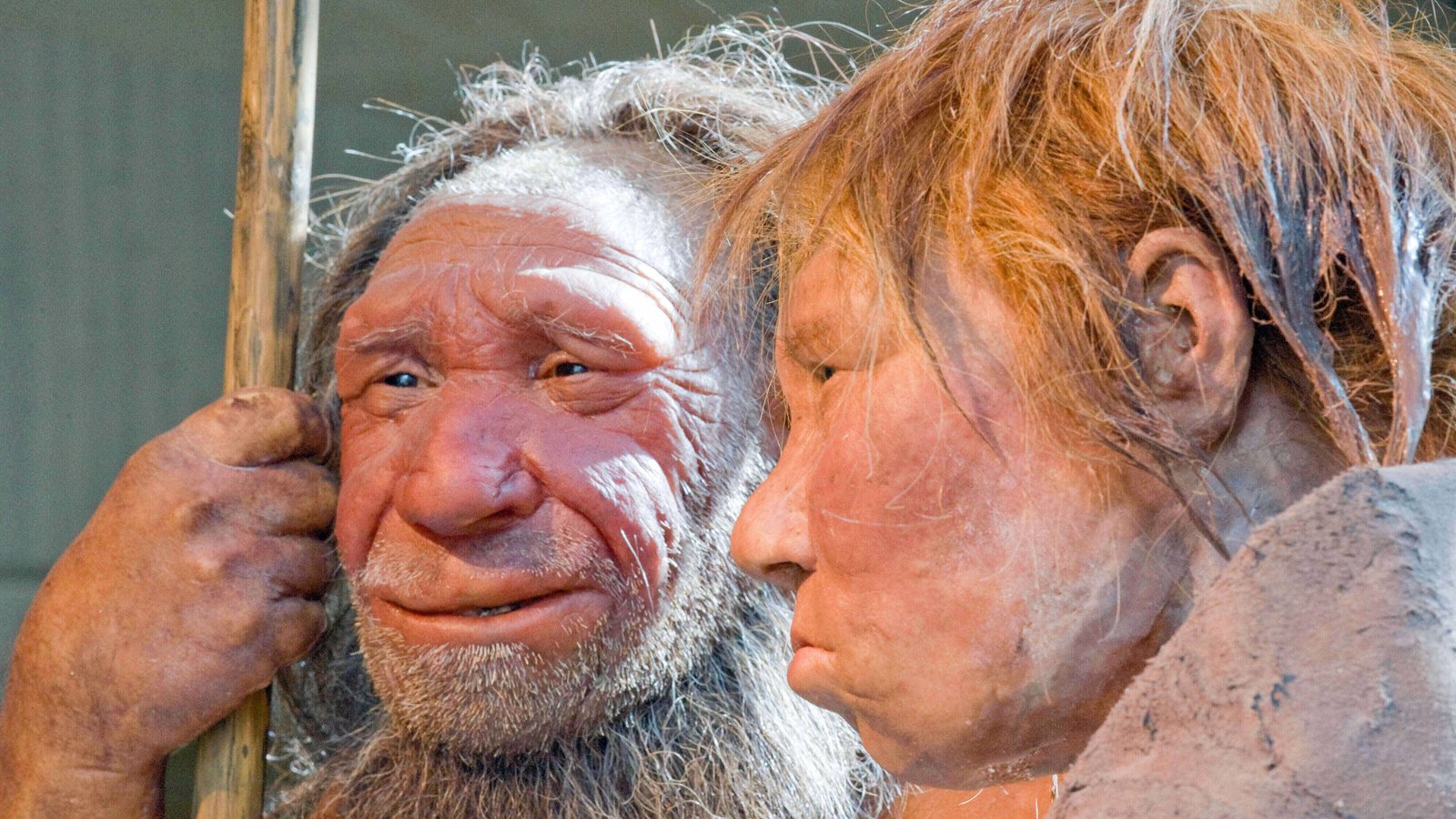
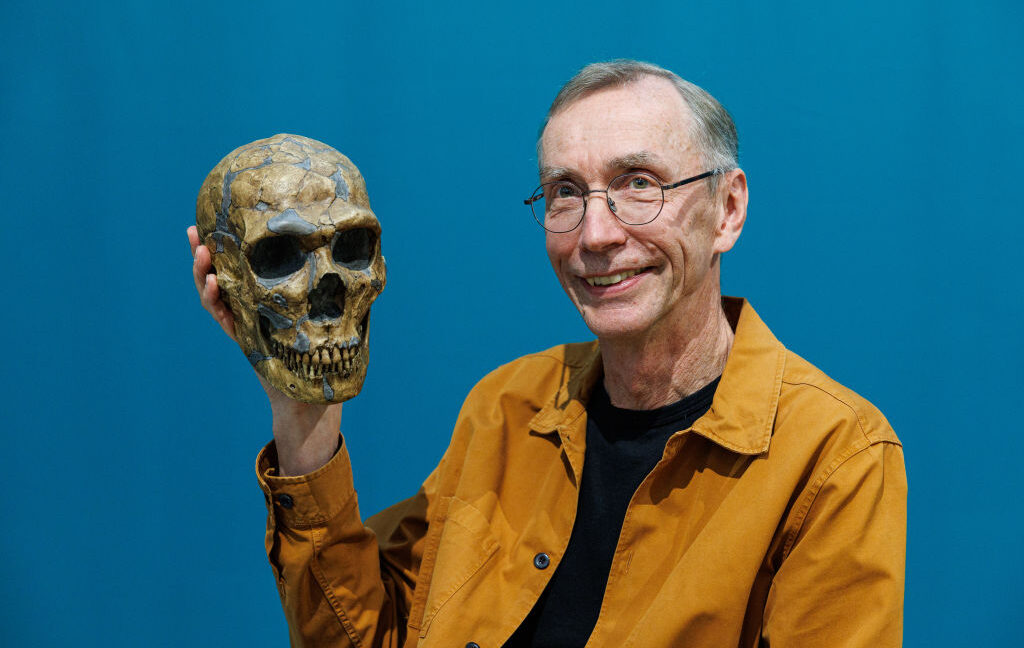
3 weeks agoScientists recreate the lost languages of ancient humans
Scientists reconstructed ancient human species languages by analyzing fossilized skeletal imprints of soft tissues like the larynx, tongue, and brain, revealing that Neanderthals likely spoke languages understandable to early Homo sapiens.
Psychology
fromSilicon Canals
1 month agoPsychology says people who feel a wave of sadness at dusk even on good days are experiencing these 5 patterns - and it connects to something so ancient in the human brain that psychologists say the feeling predates language itself - Silicon Canals
Twilight melancholy is a real neurochemical phenomenon where serotonin, dopamine, and cortisol levels shift as daylight fades, creating evening sadness rooted in evolutionary biology rather than psychological choice.

Science
fromwww.scientificamerican.com
1 month agoSex between Neandertals and anatomically modern humans tended to follow a specific pattern
Neandertal-human interbreeding was primarily between male Neandertals and female humans, evidenced by the absence of Neandertal DNA on modern human X chromosomes.


fromPsychology Today
1 month agoHow Brawn and Engineering-Not Brains-Led to Human Domination
I'm always looking for books that challenge the status quo, and when I learned about Roland Ennos' new book The Powerful Primate: How Controlling Energy Enabled Us to Build Civilization, I couldn't wait to get my eyes on it, and I'm thrilled I did. In this landmark book, Ennos offers "a compelling argument that flips the traditional view of humanity on its head."
Science
Science
fromenglish.elpais.com
1 month agoLudovic Slimak on Neanderthals: It was suicide. Humans disappear when they no longer want to live because their values have collapsed'
Neanderthals, despite cultural complexity and interbreeding, went extinct around 42,000 years ago, likely due to isolation and abandonment while Homo sapiens prevailed.
fromwww.scientificamerican.com
2 months agoHumans Made Poisoned Arrowheads Thousands of Years Earlier Than Previously Thought
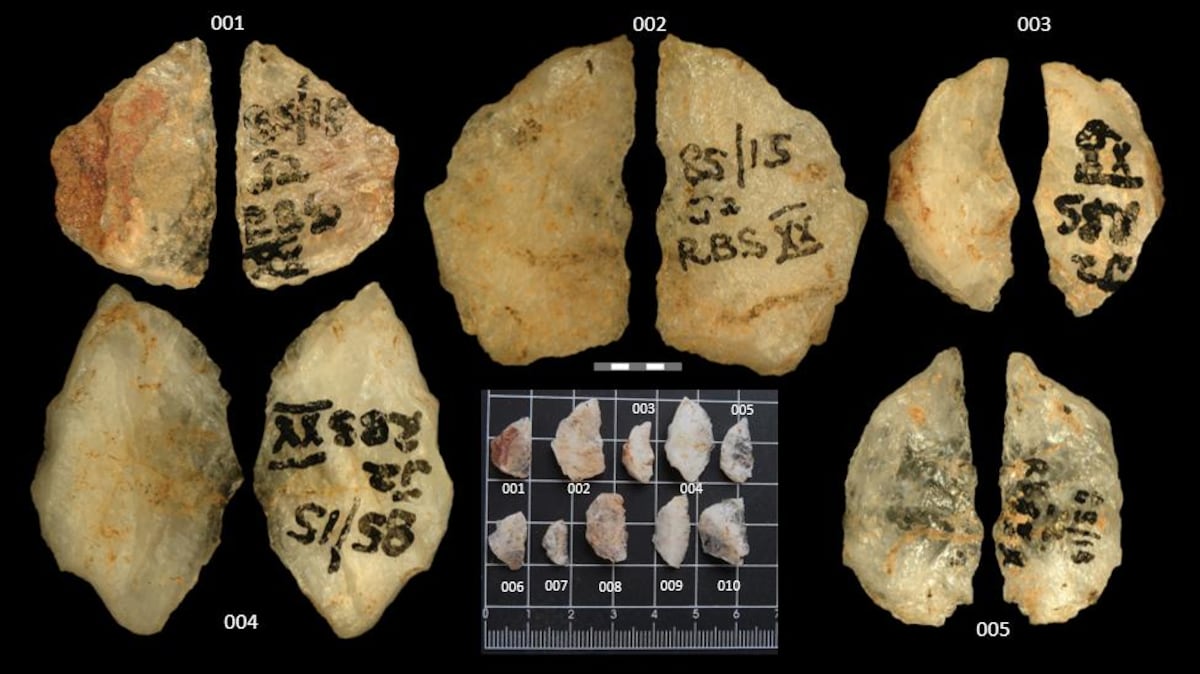
Researchers have found traces of what appears to be plant-derived poison on tiny stone arrowheads from South Africa dated to 60,000 years ago. The finding pushes back the origin of this revolutionary hunting technology by tens of thousands of years. Scientists have long been fascinated by the development of poisoned hunting weapons. For one thing, they would have seriously leveled up our ancestors' foraging game.
Science
fromMail Online
1 month agoMysterious symbols spanning the globe hint at a lost civilization
His investigation began after identifying recurring giant T-shapes, three-level indents, and step pyramids carved into ancient stones worldwide. 'These specific symbols that are built in different size proportions, and the symbols are found in ancient stones around the world, are not supposed to exist; no cultures are supposed to have any cross-platform,' LaCroix explained. The symbols appear in locations ranging from Turkey's Van region to South America and Cambodia.
History
fromwww.scientificamerican.com
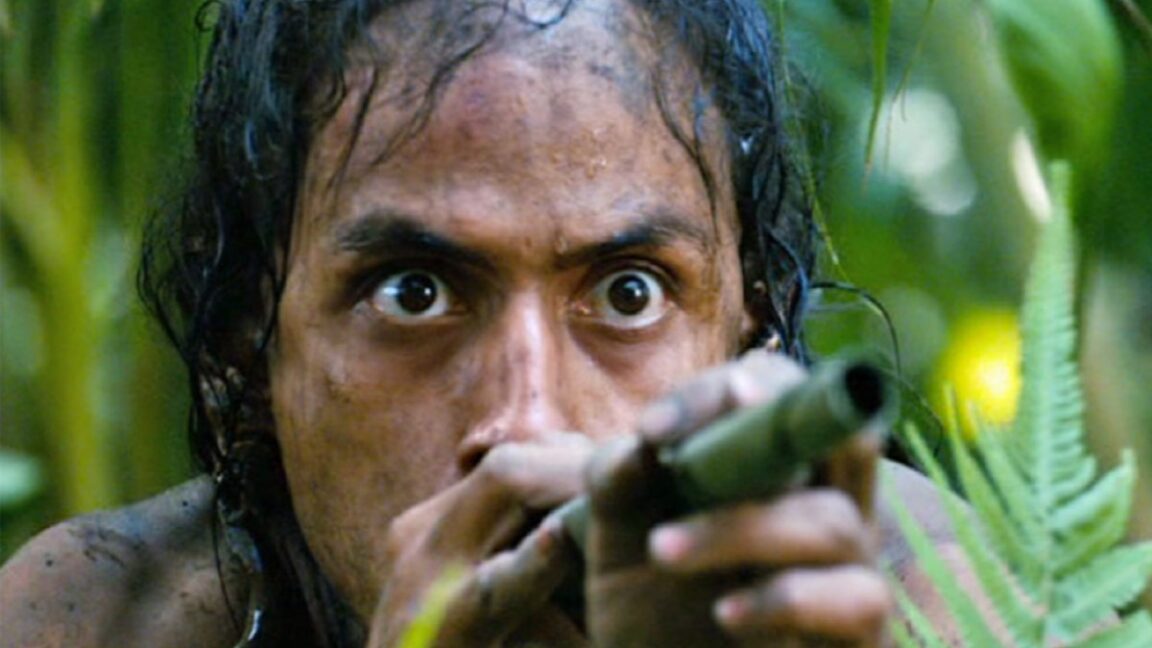
2 months agoA foraging teenager was mauled by a bear 27,000 years ago, skeleton shows
We have little physical evidence of these interactions turning violent, however, because burials were rare and carnivores were more likely to finish off their prey. That's why the embellished burial site of a 15-year-old from 27,000 years ago is an important window into the past: the teenager's bones indicate he was mauled by a bear. The finding represents some of the first evidence of its kind.
Science
Science
fromNature
1 month agoDaily briefing: Hunter-gatherers in Europe's 'water world' resisted the switch to farming for millennia
Rhine-Meuse delta populations retained substantial hunter-gatherer ancestry for millennia before steppe-related mixing spurred Bell Beaker expansion and large genetic turnovers.
fromwww.scientificamerican.com
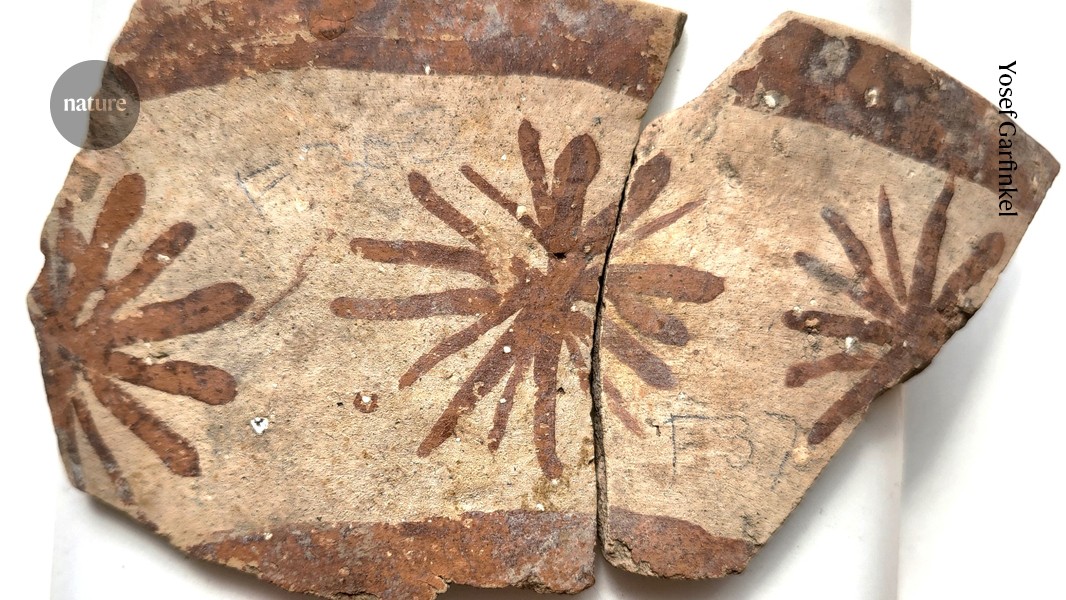
2 months agoMeet the Ancestor That Connects Us to Neandertals and Denisovans
New research published today in Nature dates the boneschipped out from a cave called Grotte a Hominides and nearby it over decadesto about 773,000 years ago, during the era of the last common ancestor of Homo sapiens, Homo neanderthalensis and Denisovans (a group of humans that ranged across Asia and that does not have an agreed-upon species name). We can say that the shared ancestry between these three species is perhaps in Grotte a Hominides in Casablanca, says study co-author Abderrahim Mohib, a prehistorian at the National Institute of Archaeology and Heritage Sciences in Rabat, Morocco.
Science
fromThe New Yorker
1 month agoAnimals Say Hello, but Do They Say Goodbye?
Jane Goodall, the late primatologist, was known for her imitations of chimpanzee greetings. When she met with Prince Harry, in 2019, she approached him slowly, making panting noises through circular lips. She prompted him to pat her lightly on the head, then reached up for an embrace, making soft hooting sounds. During her career, Goodall observed chimps engaging in more than a thousand such greetings. They sometimes touched their lips together, breathed into one another's open mouths, or stood on two legs and hugged.
Science
fromNature
2 months agoOldest known poison arrows show Stone Age humans' technological talents
Making poisoned arrows is about as hard as following a "complex cooking recipe", says study co-author Marlize Lombard, an archaeologist at the University of Johannesburg in South Africa. "You have to add to it the danger of the poison, and planning to work with it without getting poisoned yourself, then you have to hunt and track the prey animal under difficult and dangerous conditions sometimes for a day or two."
Science
Science
fromArs Technica
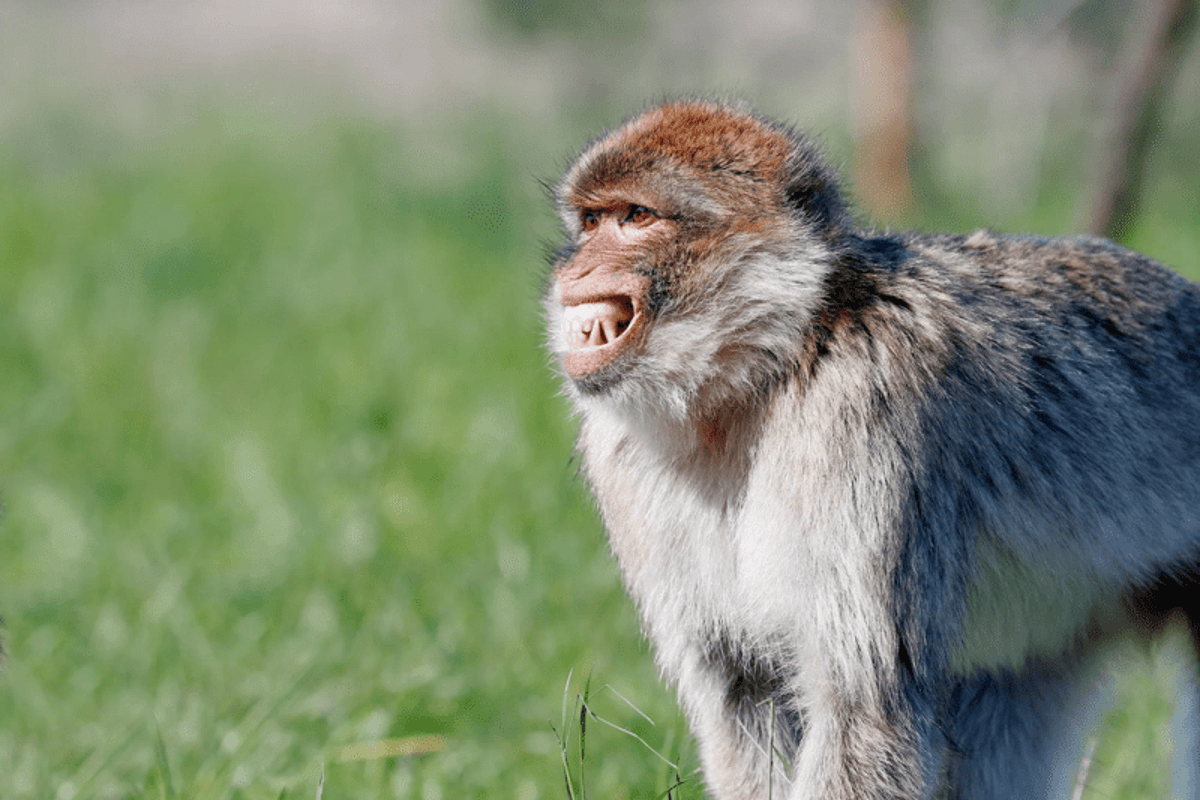
2 months agoMacaque facial gestures are more than just a reflex, study finds
Multiple cortical regions jointly generate facial gestures in macaques, with distinctions between social and non-social actions arising from different temporal neural codes rather than separate anatomical loci.
Science
fromwww.nature.com
2 months agoAuthor Correction: Hunter-gatherer sea voyages extended to remotest Mediterranean islands
Corrections to regional radiocarbon uncertainties do not meaningfully change conclusions about timing of the Mesolithic–Neolithic transition or maritime voyages in the central Mediterranean.
fromDefector
2 months agoLet The Record Show That Otzi Fucked | Defector
Ötzi, the 5,000-something-year-old man found frozen in the Alps, did not have an easy go of it. He was probably murdered, shot from behind with an arrow that missed his vital organs and led to heavy bleeding and a prolonged and painful death. Days before his death, he fought another person in hand-to-hand combat and gashed his right hand. The more scientists have been able to study his body, the more ailments they have unveiled.
Science
fromPsychology Today
1 month agoTool Use By Animals: Why the Hype and Why It's So Important
Recently, two unexpected examples by a wild wolf and a domesticated cow named Veronika attracted global attention and once again opened the door for experts and others to weigh in on the question, "Are these really examples of tooling?" Many people are eager to know more about the nitty-gritty details of tooling, so I am thrilled that Dr. Benjamin Beck, an expert in this area, could answer a few questions about this fascinating behavior.
Science
[ Load more ]