#near-earth-asteroid
#near-earth-asteroid
[ follow ]
#nasa #artemis-ii #space-exploration #moon-mission #human-spaceflight #planetary-defense #orion-spacecraft
#planetary-defense

OMG science
fromTheregister
3 weeks agoNASA's asteroid defence mission slowed targets just a bit
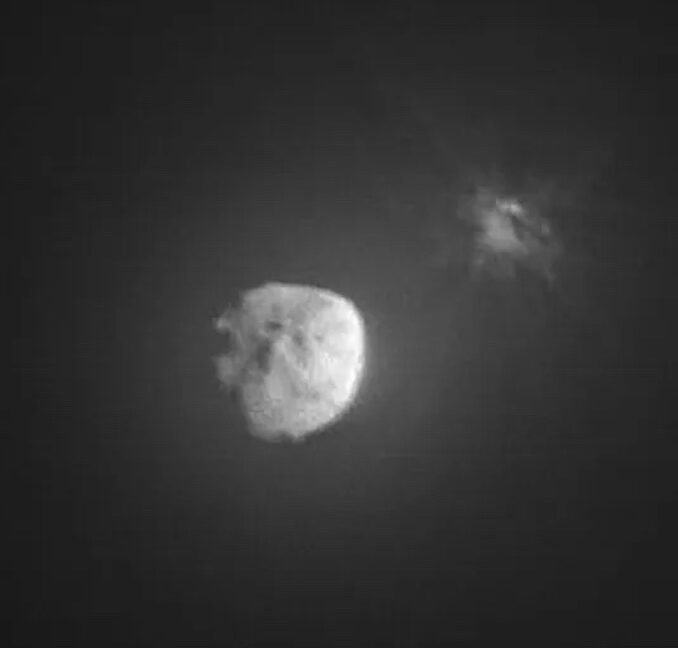
NASA's DART mission successfully demonstrated that a spacecraft collision can alter an asteroid's trajectory, with debris ejection doubling the impact's momentum and changing the binary system's orbital period by 0.15 seconds.


OMG science
fromFuturism
2 weeks agoScientists Spot Two Planets That Collided, Resulting in Carnage That Will Send Prickles Through Your Scalp
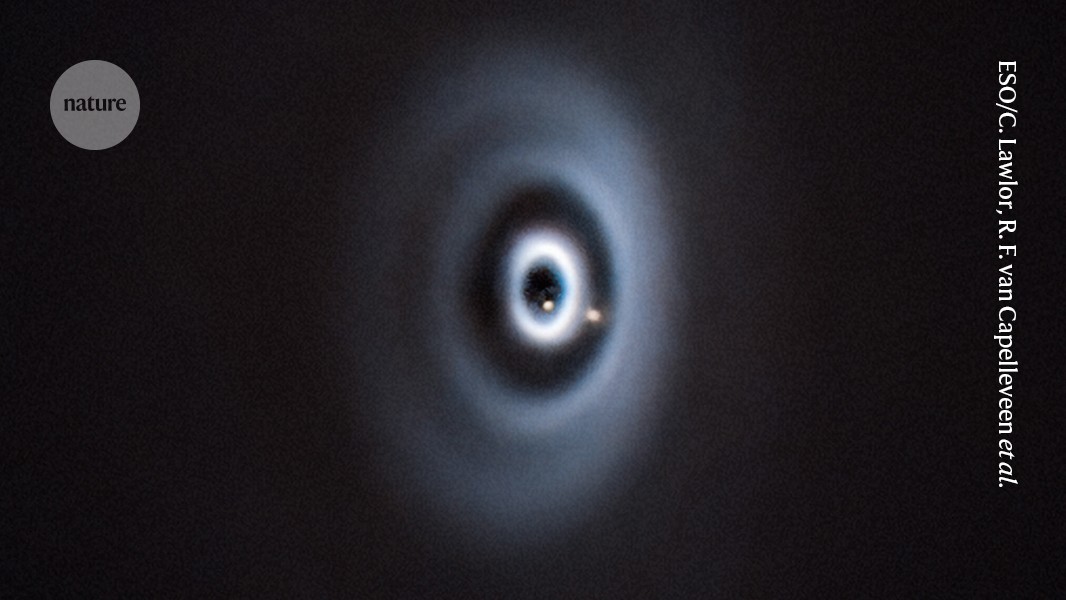
Astronomers detected a planetary collision around star Gaia20ehk through unusual brightness fluctuations and infrared signatures consistent with massive debris and extreme heat from impact.
fromwww.theguardian.com
3 days agoLunar prospectors: the businesses looking to mine the moon
In the silent vacuum of space, five autonomous robots churn through the lunar surface, digging up a loose layer of rock and dust and leaving rows of uniform tracks in their wake. Stopping only to recharge at a central solar power station, the car-sized machines process the lunar dirt internally to extract a type of helium so rare on Earth that a palm-sized container is estimated to be worth millions.
Science
fromwww.theguardian.com
3 weeks agoThe moon is safe': asteroid is not on collision course, scientists confirm
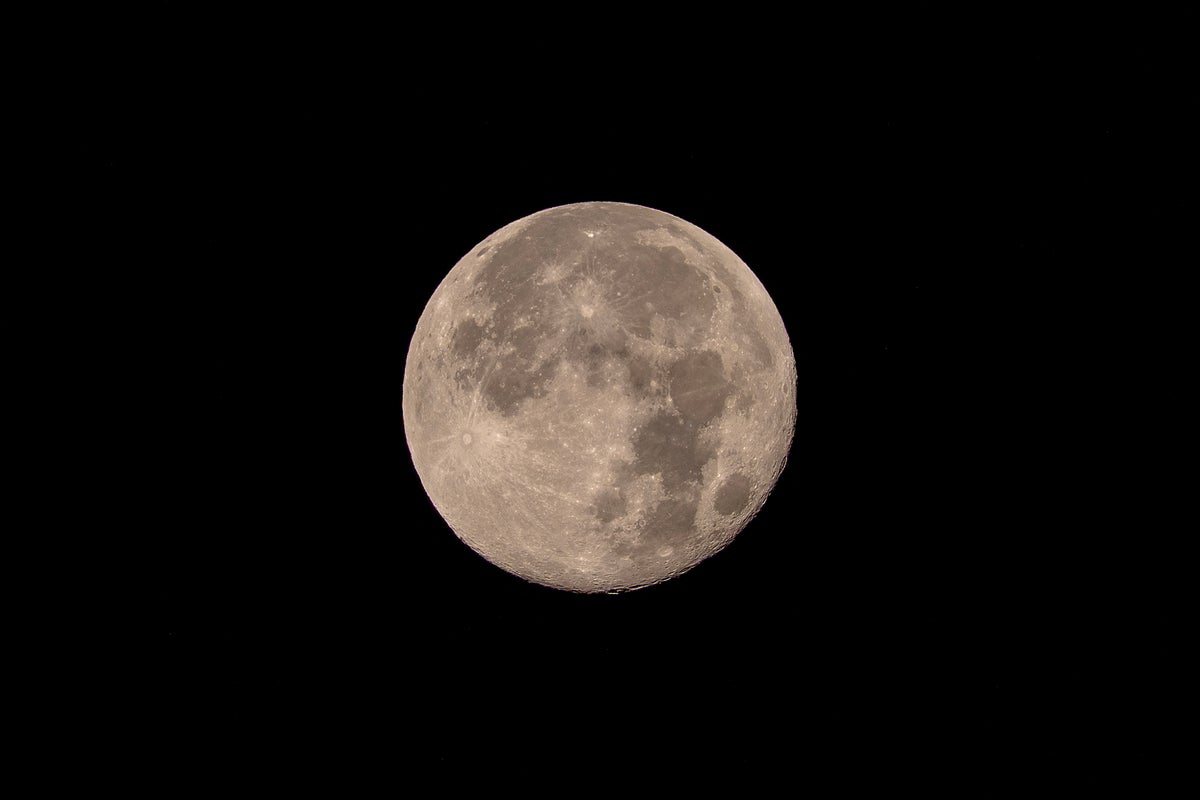
Discovered in December 2024, asteroid 2024 YR4 was briefly considered the most dangerous asteroid in decades after scientists initially estimated it had a 3.1% chance of colliding with the Earth in 2032. Closer observations quickly ruled out a city killer scenario, but instead astronomers calculated there was a 4.3% chance that the moon lay in the path of impact.
Science

fromMail Online
1 month agoAliens could be CATAPULTED onto Earth via an asteroid, study claims
We found that life is more likely to survive an asteroid impact, so it's definitely still a real possibility that life on Earth could have come from Mars. Maybe we're Martians! The idea that life could have spread through the solar system or even the universe on rocks is known as the lithopanspermia hypothesis.
Science
fromFuturism
1 month agoScientists Say Heck, Just Nuke a Killer Asteroid Heading for Earth
Plenty of asteroids can survive their fiery plunge through the Earth's atmosphere. If they're big enough, they can prove incredibly destructive, like the 60-foot Chelyabinsk meteor that exploded over the southern Ural region in Russia in 2013, releasing a blast equivalent to 30 times the energy of the atomic bomb that was dropped on Hiroshima. And in case an even larger space rock were to ever threaten humanity, we'd have to get creative to keep it from colliding with our planet.
Science
[ Load more ]