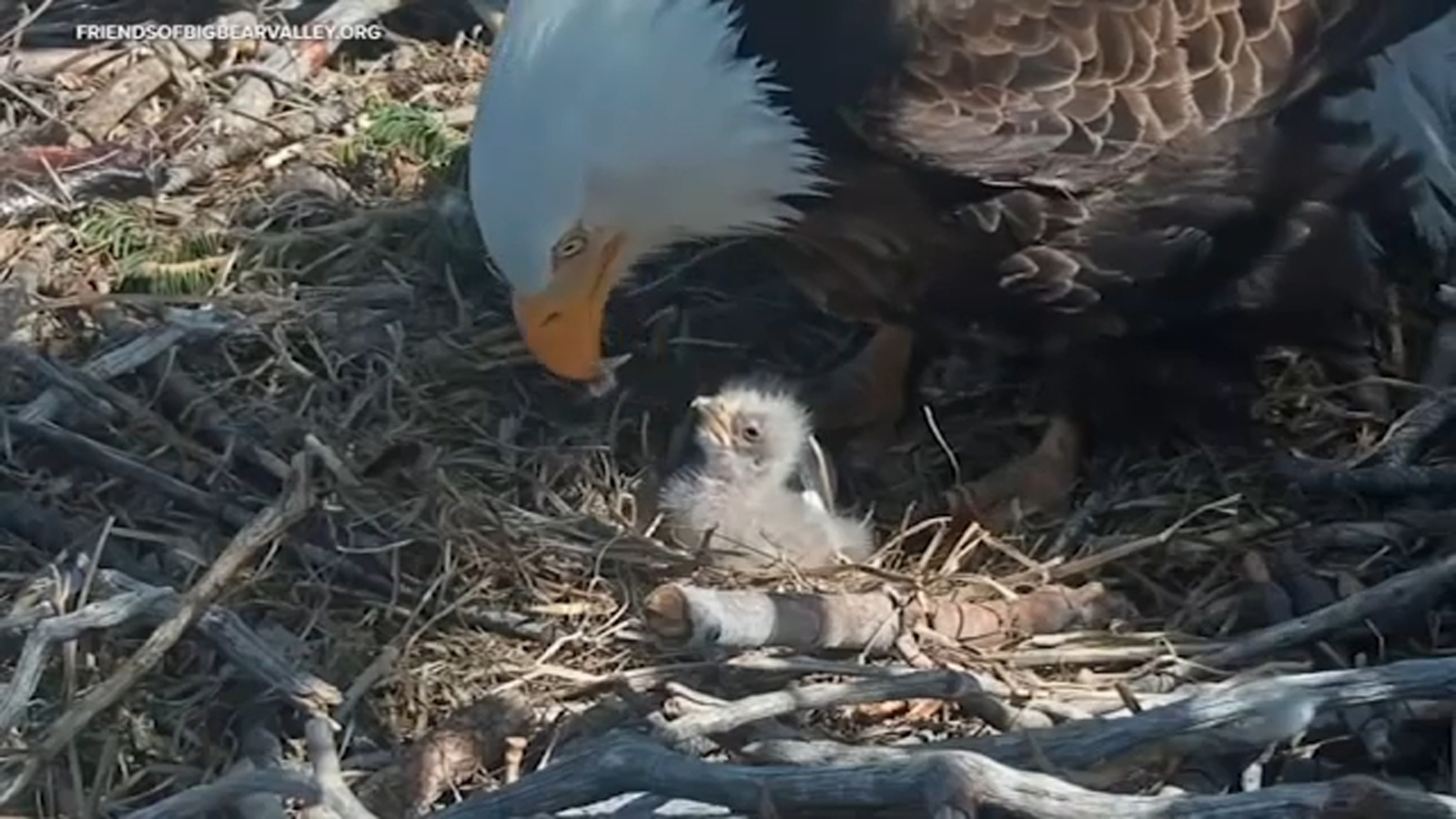
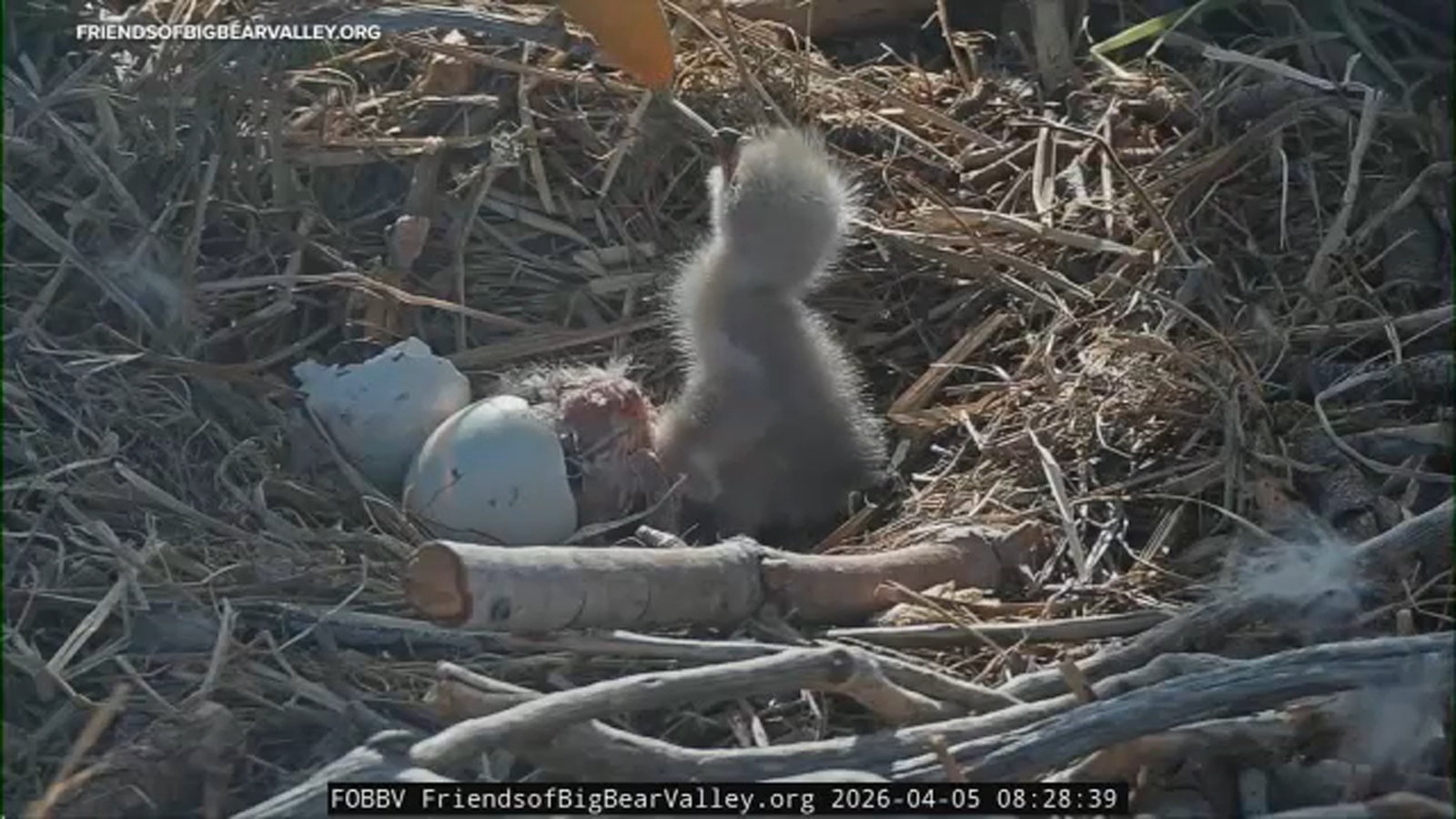
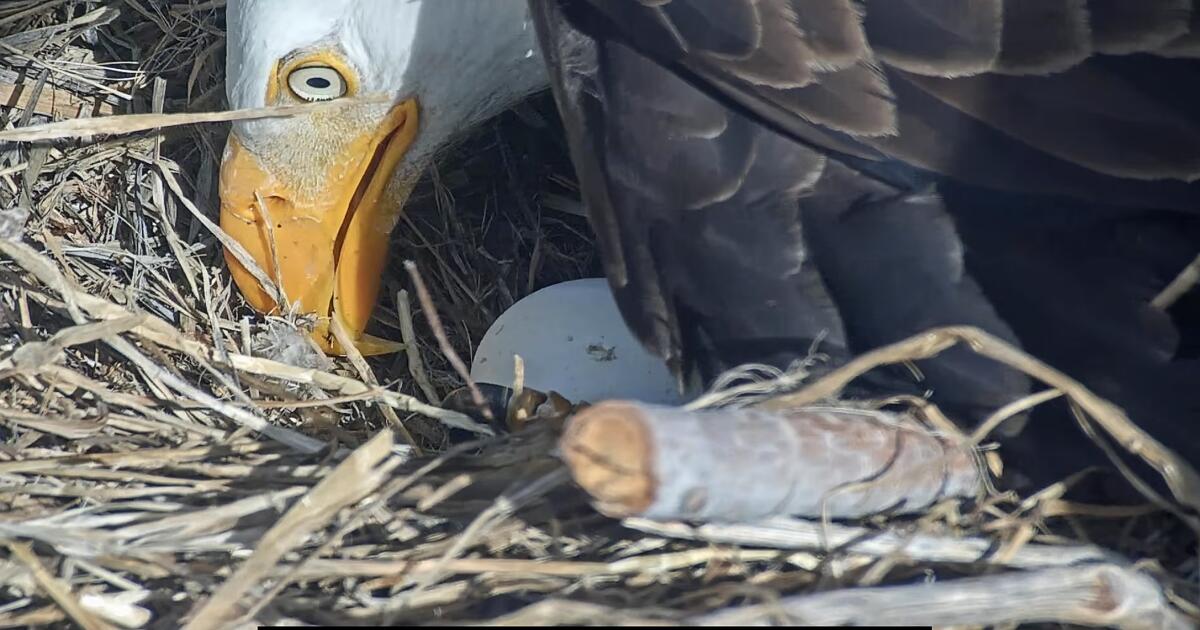
#nestingeggs
#nestingeggs
[ follow ]



fromGothamist
5 days agoRock it like a woodcock: This Bryant Park bogsucker is NYC's latest 'it bird'
"It's the way they walk. That's what the main attraction is," said self-described amateur birder Sheeba Garg, who traveled to Bryant Park specifically to see the American woodcock during its migration.
NYC music


fromSFGATE
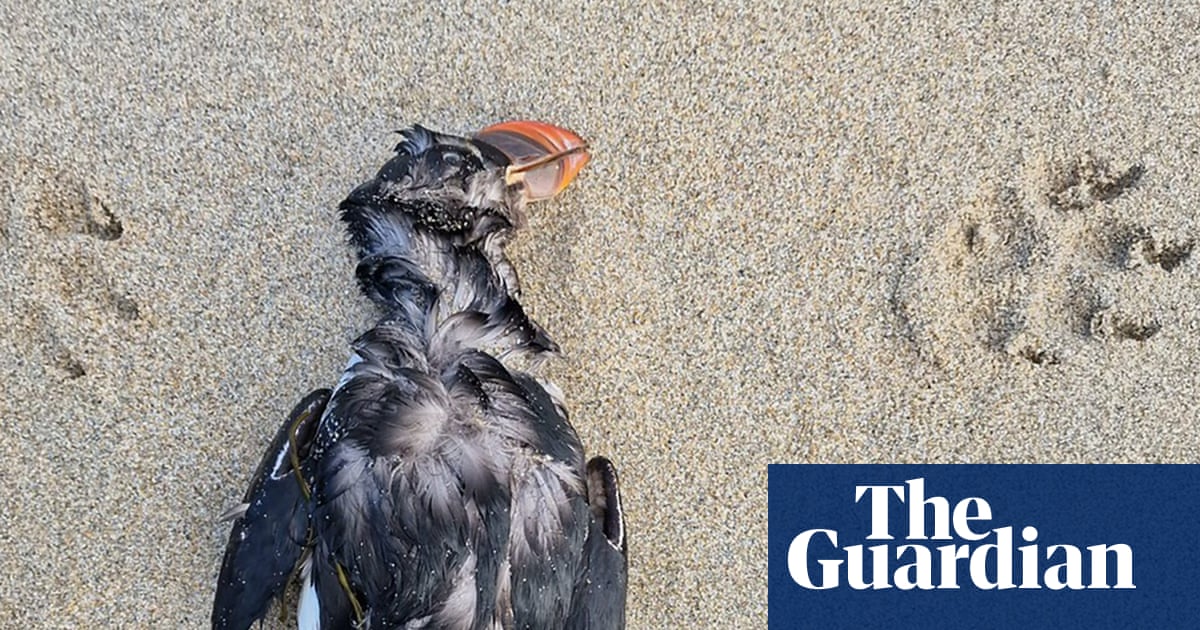
5 days agoSeabirds are dying in large numbers along California beaches
"They didn't even try to fly away. They just feebly made noise," a woman told the Santa Barbara Independent on Saturday after spotting over two dozen dead or dying cormorants near Goleta Beach. "A few were on their stomachs, wings spread [and] gasping for breath.... Heartbreaking."
Miami Marlins


fromTheregister
1 week agoBees and hummingbirds get trace alcohol from nectar
A study by researchers at the University of California Berkeley has found that ethanol is surprisingly common in floral nectar, the sugary fuel that keeps pollinators alive. Yeast feeding on those sugars produces trace amounts of alcohol, and in this study, it showed up in 26 of the 29 plant species sampled.
Beer
fromwww.theguardian.com
2 weeks agoShooting restricted for six British wild birds to halt population decline
The new rules would restrict the shooting of species including the distinctive woodcock, and the striking pintail, goldeneye and pochard ducks, all of which are classed as under threat and have seen their populations fall sharply in recent years.
UK news
#rare-bird-sighting
Brooklyn
fromAol
4 weeks agoRare, majestic trumpeter swan spotted in NYC for first time -hangs out with fellow fowl
A rare Trumpeter Swan, never before recorded in New York City, has been spotted in Brooklyn's East River and Prospect Park, attracting significant attention from bird watchers and the public.
Brooklyn
fromNew York Post
4 weeks agoRare, majestic trumpeter swan spotted in NYC for first time -hangs out with fellow fowl
A rare Trumpeter Swan, never before recorded in New York City, has been spotted in Brooklyn's East River and Prospect Park, attracting significant attention from bird watchers and the public.
fromFlowingData
1 month agoBird search patterns
A comprehensive analysis of Google search patterns related to birds explores what species people seek information about most frequently. The investigation spans six interconnected analyses examining bird variety, taxonomic classifications, information sharing behaviors, birder sighting correlations with search trends, regional popularity differences across states, and temporal patterns in search interest.
Data science
fromwww.theguardian.com
1 month agoAerial athletes and unsung hunters by night, tawny frogmouths are more than just their Muppet looks | Debbie Lustig
Frogmouths have another life that few people see: like vampires, they wake at sunset and night-hunt until dawn. These stolid creatures turn into zephyrs that silently swoop, catching prey on the ground and in the air.
Miscellaneous
fromwww.mercurynews.com
1 month agoAccessible walks bring the joys of birding to people with mobility and other limitations
It's an opportunity for people to get out and see birds without pressure, no matter how long it takes or how many birds we see, said OBara, a retired nurse who has been leading the accessible outings for three years. She said disabled people often cannot keep up on traditional outings, especially when competitive birders are focused on checking off a list of the greatest possible number of species.
Skiing
fromwww.theguardian.com
3 weeks agoSmall changes in how we garden can make a big difference to birds | Letter
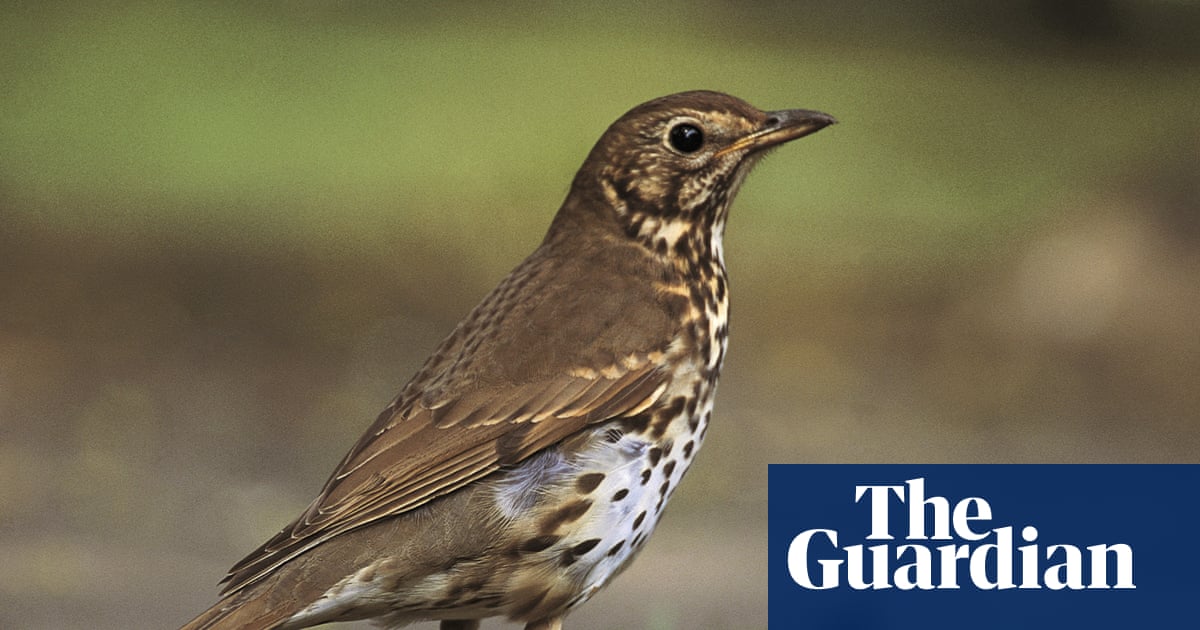
Around a third of UK gardeners use pesticides, and our studies found that house sparrow numbers, for example, were nearly 40% lower in gardens where the pesticide metaldehyde was used. By reducing pesticide use, you can actively encourage birds back into your outdoor spaces, as they rely on invertebrates such as slugs and snails as natural prey.
Pets
fromwww.theguardian.com
1 month agoI did it. I actually saw a Cetti's warbler | Lev Parikian
Cetti's warblers barely existed in Britain in my childhood, with just a handful of sightings. But since the first breeding record in 1972 they've made inroads. Nowadays, if I visit a watery reserve and don't hear one, I write a strongly worded letter of complaint to the relevant authorities.
London music
fromwww.ocregister.com
1 month agoShrinking North American bird population is getting worse faster. Experts blame agriculture, warming
Nearly half of the 261 species studied showed big enough losses in numbers to be statistically significant and more than half of those declining are seeing their losses accelerate since 1987, according to Thursday's journal Science. The study is the first to look at more than the total bird population by examining the trends in their decrease, where they are shrinking the most and what the declines are connected to.
Environment
fromwww.theguardian.com
2 months agoFeeling chirpy: how listening to birdsong can boost your wellbeing
Previous research has shown that people feel better in bird-rich environments, but Christoph Randler, from the University of Tubingen, and colleagues wanted to see if that warm fuzzy feeling translated into measurable physiological changes. They rigged up a park with loudspeakers playing the songs of rare birds and measured the blood pressure, heart rate and cortisol levels (a marker of stress) of volunteers before and after taking a 30-minute walk through the park.
Mental health
Miscellaneous
fromwww.theguardian.com
1 month agoCountry diary: Persistence and confusion this is how magpies build their nest | Nic Wilson
Magpies start nesting in winter, build bowl-shaped platforms with heavy sticks using persistence over finesse, while other birds build protective covered or domed nests.
fromenglish.elpais.com
1 month agoToday's birds are up to 72% smaller than those of 80 years ago in Indigenous territories
Between 1940 and 2020, the average body mass of birds in 10 Indigenous and local communities on three continents declined by up to 72%. For the Indigenous communities who were interviewed, birds often hold immeasurable symbolic and ceremonial significance. Thus, ritual dances, songs, and place names are at risk of being lost in the face of this loss of biodiversity.
Environment


fromwww.theguardian.com
1 month agoWe feel kinda bad when a solo bird shows up': Canada sees its first European robin but how did it get there?
On a quiet Montreal street of low-rise brick apartment buildings on one side and cement barrier wall on the other, a crowd has gathered, binoculars around their necks and cameras at the ready. A European robin has taken up residence in the neighbourhood, which is sandwiched between two industrial areas with warehouses and railway lines and, a few blocks away, port facilities on the St Lawrence River.
Miscellaneous
fromInsideHook
2 months agoAn Essential Part of Farming Has Two Wings and a Beak
When you think of farming, what ingredients do you generally associate with a successful harvest? The basics certainly come to mind: fertile soil, plenty of sunlight and lots of water. But there are other variables that can also mean the difference between a crop of healthy fruits and vegetables and a large heap of organic waste. And it turns out that one of those variables is a very small hawk.
Agriculture
fromwww.theguardian.com
2 months agoWe thought they would ignore us': how humans are changing the way raptors behave
Many people look up to admire the silhouette of raptors, some of the planet's largest birds, soaring through seemingly empty skies. But increasingly, research shows us that this fascination runs both ways. From high above, these birds are watching us too. Thanks to the development of tiny GPS tracking devices attached to their bodies, researchers are getting millions of data points on the day-to-day lives of these apex predators of the skies, giving us greater insight into where they hunt and rest.
Environment
[ Load more ]