#neural-integration
#neural-integration
[ follow ]
#ai #technology #artificial-intelligence #neuroscience #openai #mental-health #education #ai-models #anthropic


#artificial-intelligence
Higher education
fromInside Higher Ed | Higher Education News, Events and Jobs
1 day agoHow 5 Colleges Are Approaching AI
Artificial intelligence is transforming higher education, prompting new courses and initiatives while also raising concerns about academic integrity and student support.

fromWIRED
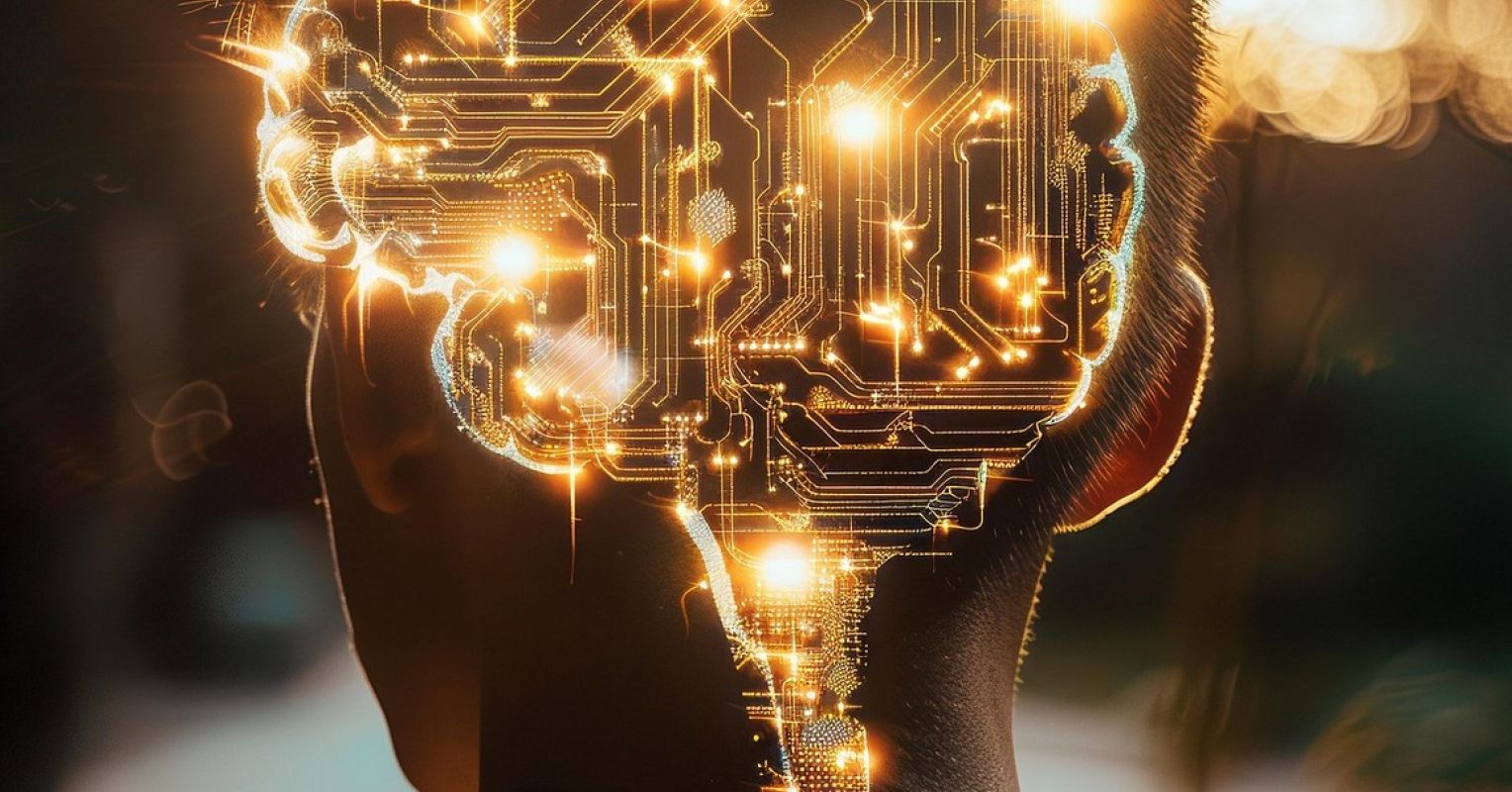
5 days agoMeet the Man Making Music With His Brain Implant
Galen Buckwalter, a 69-year-old research psychologist and quadriplegic, participated in a brain implant study to contribute to science that aids those with paralysis. The six chips in his brain decode movement intention, allowing him to operate a computer and feel sensations in his fingers again.
Music production
#brain-computer-interfaces
Medicine
fromNature
2 weeks agoDaily briefing: China approves world-first brain-computer interface device
China approved the first brain-computer implant outside clinical trials for paralyzed patients, while US courts blocked vaccine schedule changes and AI leaders warn against manipulative chatbot design.
Medicine
fromNature
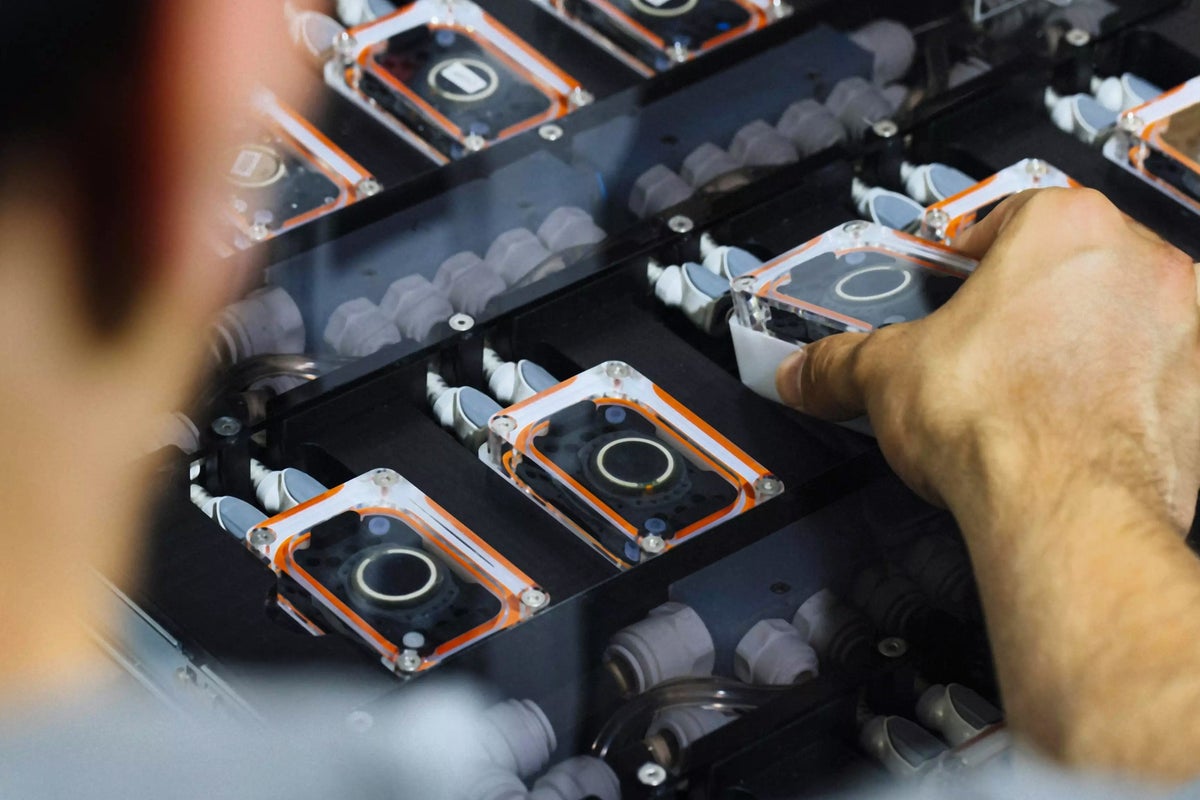
2 weeks agoDaily briefing: China approves world-first brain-computer interface device
China approved the first brain-computer implant outside clinical trials for paralyzed patients, while US courts blocked vaccine schedule changes and AI leaders warn against manipulative chatbot design.
Science
fromHarvard Gazette
2 months agoWant to speed brain research? It's all in how you look at it. - Harvard Gazette
SmartEM uses machine learning to guide common single-beam scanning electron microscopes in real time, increasing scanning speed sevenfold and democratizing high-resolution connectomics.
fromPsychology Today
1 month agoAI-Decoded Brain Signals May Help Paralyzed Regain Movement
Artificial intelligence (AI) machine learning is making a difference in assistive technology to help restore movement for the paralyzed. A new study in the American Institute of Physics journal APL Bioengineering shows how AI has the potential to restore lower-limb functions in those with severe spinal cord injuries (SCIs) by identifying patterns in brain signals captured noninvasively via electroencephalography (EEG).
Artificial intelligence
[ Load more ]