#niklas-suumlle
#niklas-suumlle
[ follow ]
#contemporary-art #art #fashion-photography #exhibition #photography #art-exhibition #design #surrealism
Design
fromdesignboom | architecture & design magazine
3 days agoreversible cultural pavilion activates public space in frankfurt 2026
Spain's pavilion for World Design Capital 2026 emphasizes reversible cultural infrastructure and sustainable design through innovative materials and construction methods.
fromItsnicethat
3 days agoBravas Graphix are the rave connoisseurs behind some of Brussels' most explosive posters
"We're constantly striving to strike a balance between work that respects academic rules of composition, established visual codes and good readability, with something more spontaneous, adventurous, playful, even naive."
Typography
#art

Arts
fromIrish Independent
4 days ago'You have to step in and experience it' - artists on the rise of AI-generated art and the 'essential' gallery visit
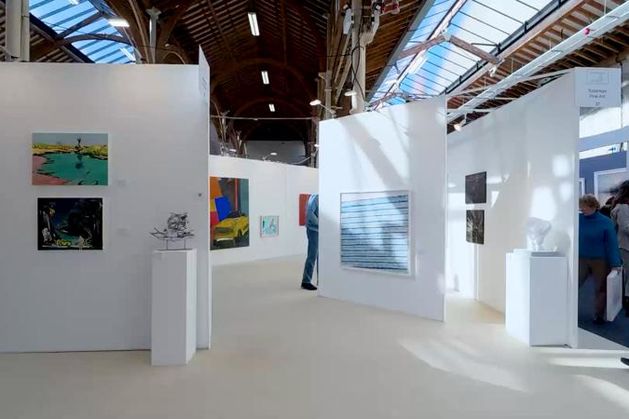
Miriam Fitzgerald Juskova's exhibit combines paper quilling with mathematics, showcasing intricate art that engages viewers and emphasizes the value of handmade creations.


fromKALTBLUT Magazine
5 days agoEmbrace the Transformation: Faravazs "Butterfly" EP Soars with Empowering New Video - KALTBLUT Magazine
Butterfly unfolds across four unique versions of the same song, each exploring different genres and emotional depths while maintaining a cohesive melody and lyrics.
Berlin music
fromBOOOOOOOM!
3 days ago"Idling" by Artist Greta Kresse
"These paintings merge the landscape and the intimacy of windows through the framing of the car, bridging the two realms I've typically explored separately. The car becomes a meditation on transition, on existing simultaneously here and elsewhere."
Arts
fromwww.kaltblut-magazine.com
3 weeks agoMadita
As an interdisciplinary artist, Madita defies simple categorisation, moving fluidly between the worlds of fine art, fashion, and performative expression. In this photo editorial, Madita proves that the artist and the artwork are often the same.
Fashion & style
Berlin music
fromKALTBLUT Magazine
2 weeks agoExperience the Pulse of Existence: "Urgency" by Leonis Works at Haus Der Visionare - KALTBLUT Magazine
"Urgency" is a groundbreaking multi-disciplinary dance work exploring personal experience and socio-political issues through immersive choreography that transcends traditional stage boundaries.
fromKALTBLUT Magazine
3 weeks agoIn Conversation with Malte Bossen! A Movement Of Change. - KALTBLUT Magazine
Pornceptual challenges mainstream perceptions of pornography, reframing it as inclusive, artistic, intimate, and respectful rather than exploitative or taboo. Its events, from Berlin to international stages, bring a sex-positive, body-inclusive ethos to nightlife. Strict consent practices, no-photo policies, and spaces designed for authentic self-expression create a rare kind of freedom - one that allows visitors to explore identity, desire, and intimacy without judgment.
Berlin music


fromBerlin Art Link
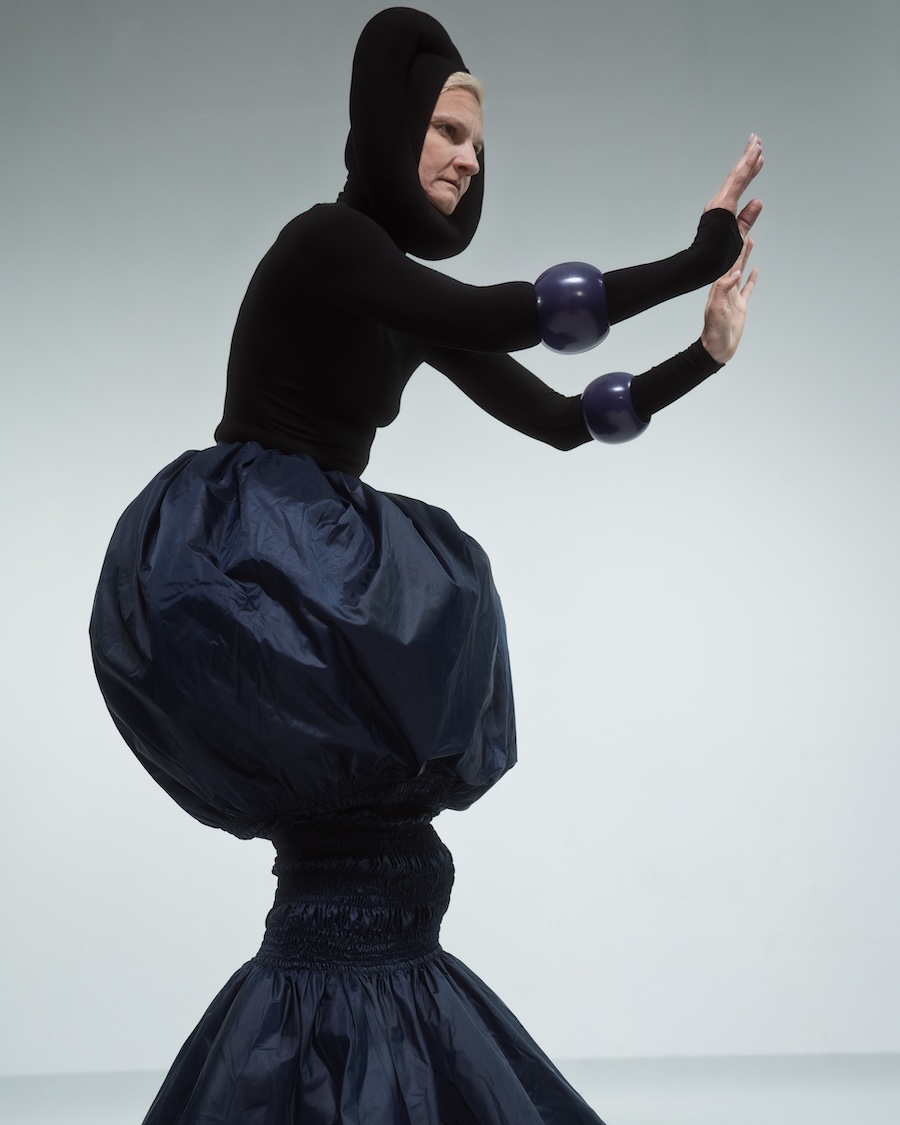
1 month agoStudio Visit with Jerszy Seymour | Berlin Art Link
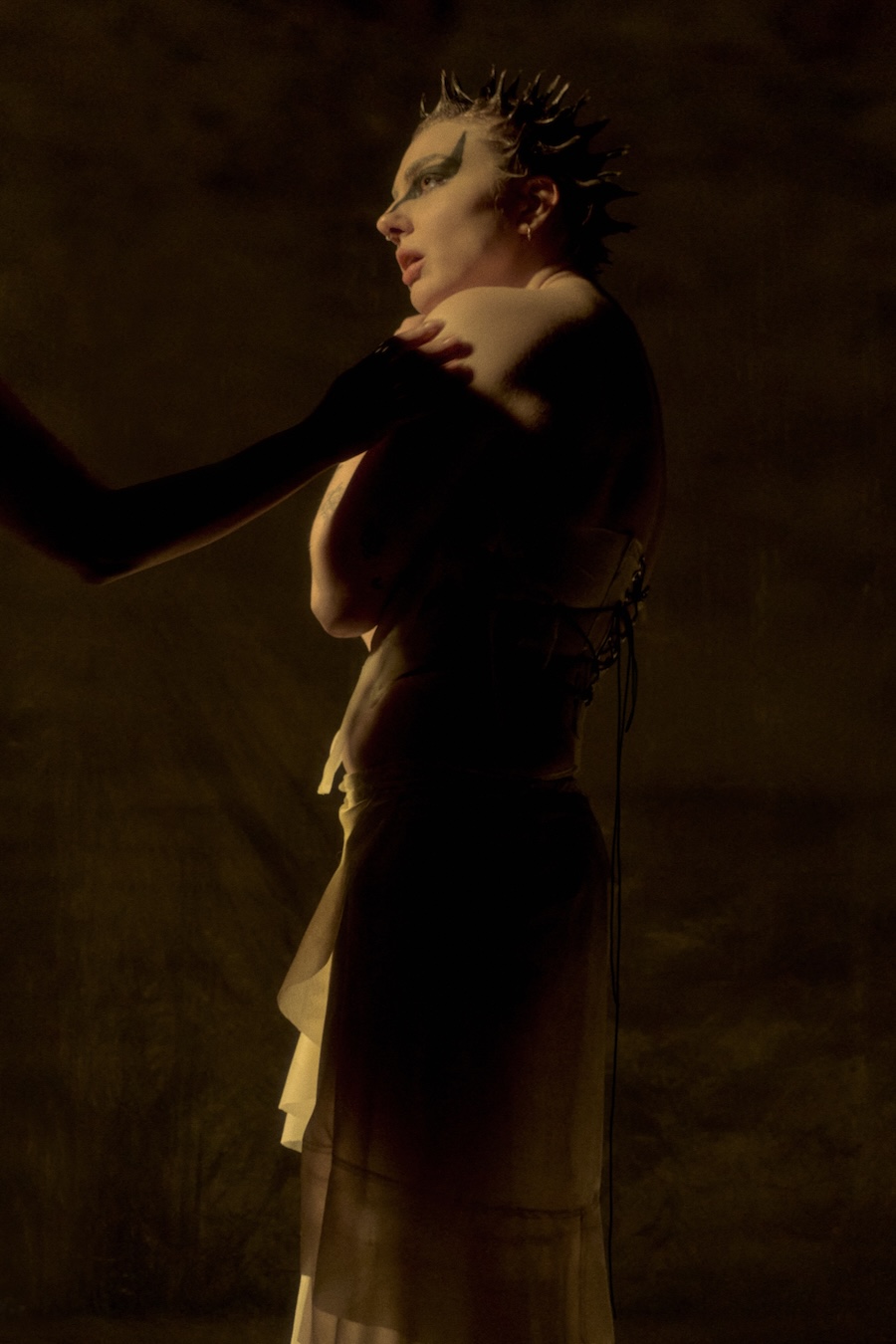
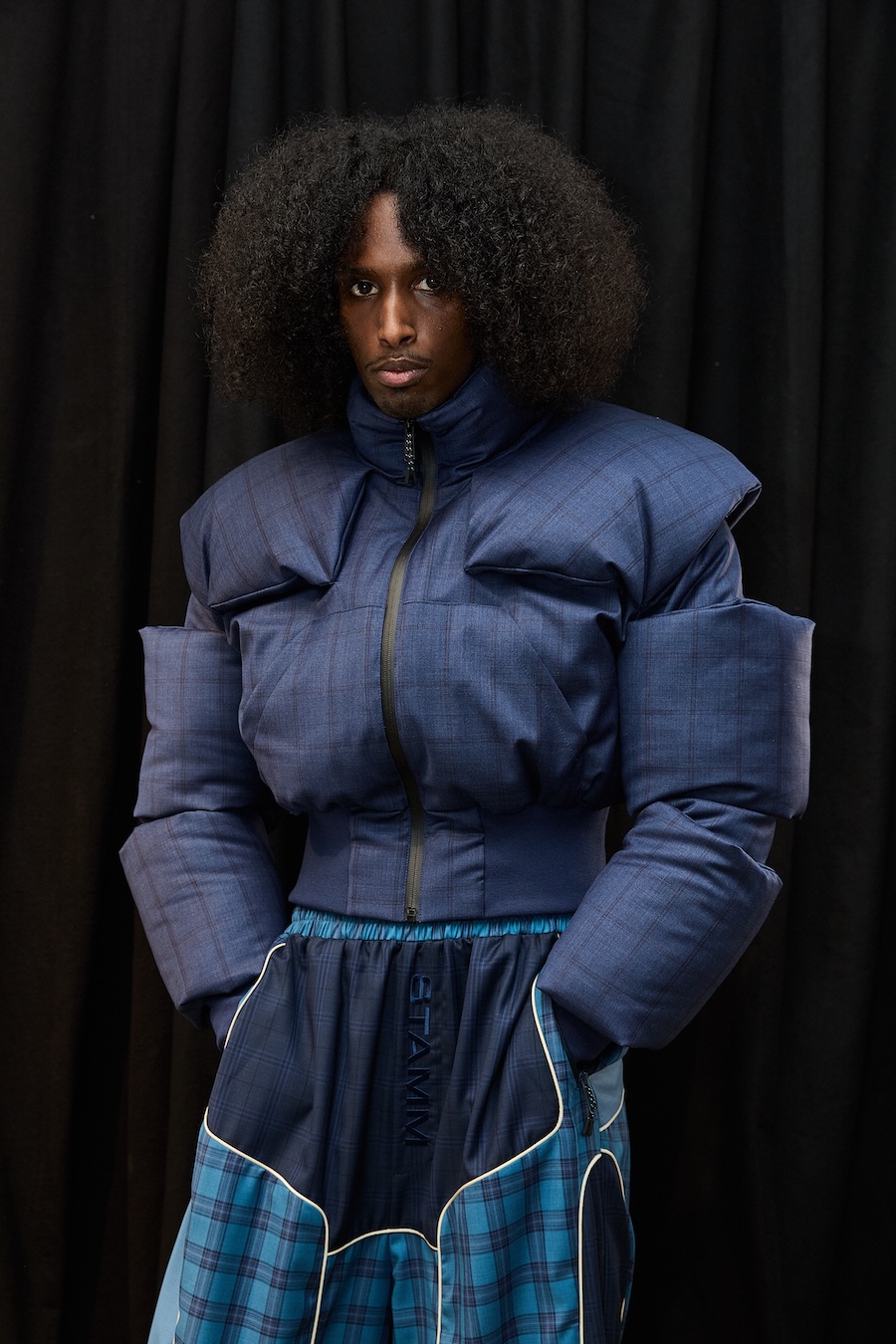
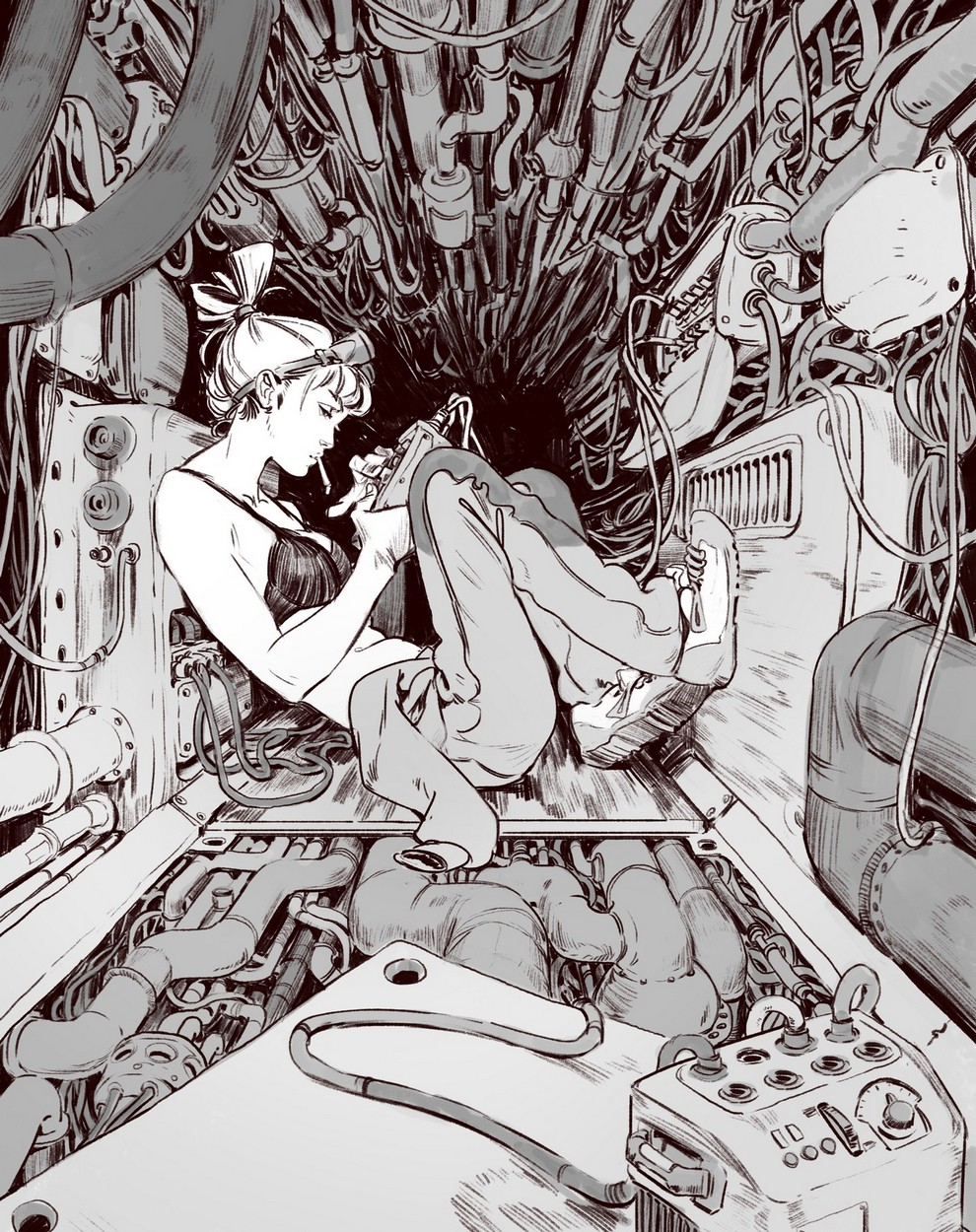
Countering the passive consumption of today's social, political, ecological and informational debacle, artist and designer Jerszy Seymour proposes a necessarily utopian alternative, grounded in cooperative creativity. His interdisciplinary practice engages the transformative potentials of art, design and activism through instinctual and embodied energies.
Design
fromArtnet News
2 weeks agoBerlin's First-Ever Art Gala Was a Love Letter to the City
The evening, spearheaded by directors Sam Bardouil and Till Fellrath alongside patrons Monique Burger and Christine Würfel-Strauss, arrived at a fraught moment for Berlin, whose cultural scene faces funding cuts of roughly €130 million.
Arts
fromArtnet News
2 weeks agoPeter Halley Returns to Austria with First Solo Show in Two Decades
In many ways working in the tradition of Kazimir Malevich and Josef Albers, his compositions employ a language of squares and rectangles known as "Cells" and "Prisons," connected by bold lines called "Conduits." Together, these geometric and linear arrangements tap into the inherent geometry that structure reality, and conceptually refer to the construction of everyday life, both public and private as well as physical and psychological.
Arts
Berlin music
fromKALTBLUT Magazine
1 month agoUnveil the Pulse of Memory: Filipp Jenikae's Visual Symphony at Galerie Sara Lily Perez - %
Filipp Jenikäe's exhibition explores how urban spectacle, collective memory, and personal experience merge through dynamic paintings of cities, crowds, and athletic figures.
Photography
fromdesignyoutrust.com
1 month agoStunning Digital Storytelling Landscapes By Prismofpixels, Turning Quiet Streets And Town Squares Into Cinematic Moments Of Color And Light
A curated collection of diverse visual works spanning paintings, photography, design, and historical images across eras, genres, and artistic mediums.
fromKALTBLUT Magazine
1 month agoSaint - KALTBLUT Magazine
There is a certain kind of presence that requires no grand staging. The editorial "Saint" captures exactly this moment: the intersection of youthful nonchalance and a nearly statuesque stillness. While the first part of the series maintained a cool distance in gleaming white, the continuation dives into an atmospheric darkness. Here, the boundaries between shadow and silhouette blur, lending the series a nearly sacral, heavy depth.
Fashion & style
fromBerlin Art Link
2 months agoReview of Alexander Basil at Galerie Judin | Berlin Art Link
Alexander Basil has created a cosmos. His instantly recognizable style and established color palette implicate the subject matter in a process of calm and sure scrutiny. Central to this cage is the familiar figure that reappears, on a quest through daily life. The protagonist is both the subject and object of reflection that morphs in and with his surroundings, travelling worlds beyond the room he finds himself in.
Wellness
fromBoard Game Quest
1 month agoSand Art Review
Sand Art is a game by Kory Jordan and published by 25th Century Games for two to four players ages 10 and up. It takes about an hour to play, and has you collecting resources and then coloring in a bottle, making art in a bottle out of sand, in case the name didn't give away the plot. Gameplay Overview: Sand Art has you gathering and mixing sand, which is used to fill your bottle.
Board games
Berlin music
fromKALTBLUT Magazine
1 month agoImmerse Yourself in Time: The Infinite Now at Kraftwerk Berlin - KALTBLUT Magazine
Berlin Atonal and Unsound present The Infinite Now, a 30-hour continuous sound experience at Kraftwerk Berlin on May 16-17, 2026, featuring over 20 artists in a communal immersive environment.
fromHyperallergic
3 weeks agoEmbracing Friction in the Art World
On Franklin Street in Brooklyn's Greenpoint neighborhood, one non-commercial gallery fosters 'a small, stubbornly human space for friction.' Friction—the ubiquitous buzzword that captures the simultaneous delight and discomfort of doing things the slow way—is at the heart of artists Pap Souleye Fall and Char Jeré's current show at Subtitled NYC. It also reflects the overall spirit of this little exhibition space and of a burgeoning movement to reject our culture of optimization in favor of a bumpier, more intimate, less alienating experience.
Arts
fromKALTBLUT Magazine
2 months agoGulu's Berlin Solo Debut: NIHILISTIC SUPERSTAR at Migrant Bird Space - KALTBLUT Magazine
As we traverse an era dominated by algorithms and driven by the impulse for efficiency, we increasingly sacrifice our ability to feel. In this "age of emotional poverty," highlighted by philosopher Byung-Chul Han, our emotional landscapes grow flatter, our pains diluted, and genuine intimacy replaced with a sterile digital façade. However, in Gulu's evocative imagery, the body emerges as a resilient space of resistance, pushing back against a world that demands we conform to neat, predictable narratives.
Photography
fromwww.kaltblut-magazine.com
1 month agoExperience the Essence of Black Creativity at Platte Berlin!
From February 17 to March 10, 2026, the vibrant intersection of fashion and art will come alive at Platte Berlin with SPOTLIGHT ON BLACK CREATIVITY. This unmissable pop-up exhibition showcases the brilliance of Black designers and visual artists, setting the stage for an extraordinary celebration of heritage and contemporary expression. Dive into a world where creativity knows no bounds, featuring groundbreaking brands such as adesa, Amaluma Studio, Gelisa George, Dinga, Azea Zalea, and GEMZ.
Fashion & style
Graphic design
fromItsnicethat
2 months agoThe Swamp Collective find roots of graphic design in the muck, mud and mire of Europe
Swamp Collective is a Berlin-based artist-led publishing collective producing nature-focused visual work, self-published books and identities while collaborating across European cultural institutions and festivals.
Design
fromArchDaily
2 months agoLouisiana Museum of Modern Art Opens Memoryscapes Exhibition Exploring the Design Methodologies of ATTA and DnA
Memoryscapes examines how archaeological, anthropological, and geological approaches and fieldwork enable architects to use cultural memory and site-specific histories to design locally grounded futures.
fromBerlin Art Link
2 months agoStudio Visit with Myriam Jacob-Allard | Berlin Art Link
Myriam Jacob-Allard appears through a heavy door and greets us with an easy warmth, scooping us up and welcoming us into her world. We are immediately absorbed by an unexpected color-drenched stairwell. Every surface is saturated in a dense, glowing yellow that reads unmistakably as egg yolk, insulating us from the outside in as we make our ascent. We turn into a long hallway whose fragrant freshly waxed floor catches the light, reflecting it back upward so that the corridor seems to glow beneath our feet.
Photography
Photography
fromKALTBLUT Magazine
2 months agoCamille Schaeffer: A Reflective Visual Archive - KALTBLUT Magazine
Camille Schaeffer creates sensory, reflection-based installations and collaborative film and photography that explore perception, embodiment, and the transformation of space through movement and materials.
fromwww.kaltblut-magazine.com
1 month agoUnion of Opposites
Originally from Dallas and now based in New York City, I approach photography as an exercise in atmosphere, trust, and control. Trained in the discipline of film and later in fashion photography, I work with both natural and artificial light to construct images that feel cinematic and psychologically charged. Moving fluidly between studio and location, I transform spaces into environments that heighten mood and presence.
Fashion & style
fromBerlin Art Link
1 month agoAn Interview with Monia Ben Hamouda | Berlin Art Link
Monia Ben Hamouda's work weaves calligraphy, material transformation and ancestral memory into sculptures and installations that oscillate between language and form. In conversation, we traced the conceptual and sensory threads of her practice, unfolding through key works that reflect on heritage, embodiment and translation. Using materials such as iron, stone and pigment, her installations become sites where history is not only referenced but physically felt.
Arts
Arts
fromdesignyoutrust.com
2 months agoRobert Reimann Turns Synthography Into Surreal Fine Art Where Prompts Meet Hand And Lens
A wide-ranging showcase of contemporary visual art and photography spanning surrealism, digital and AI art, conceptual sculptures, documentary photography, and inventive fashion and design.
fromRalph Ammer
2 months agoNo more boring drawings!
They teach us how to make photo-like drawings. Such renderings look decent but also generic, conventional-like something an AI tool might produce. And they are boring. Why is that? Because they don't mean anything. Meaning An object, like a cup, can mean many different things to us. Now the question is: Which meaning is relevant to you right now? And the answer to this question is what makes your drawing interesting.
Arts
Arts
fromThe Art Newspaper - International art news and events
1 month ago'Still young and going strong': Berlin's pioneering contemporary art space Hamburger Bahnhof turns 30
Hamburger Bahnhof will operate as an experimental, production-oriented public museum that engages artists to reshape institutional structures, practices, and public dialogue.
fromdesignboom | architecture & design magazine
2 months agopixel virtual gardens and robotic installations animate miguel chevalier's solo digital art show
Digital by Nature: The Art of Miguel Chevalier at Kunsthalle München presents the artist's largest solo exhibition in Europe to date, curated by Franziska Stöhr. The exhibition surveys Miguel Chevalier's practice from the early 1980s to the present, tracing his sustained engagement with digital technologies as both tools and subjects of artistic inquiry. Born in 1959 in Mexico City and based in Paris, Chevalier has worked with computers as a creative medium for more than four decades.
Arts
fromThe Art Newspaper - International art news and events
2 months agoDenmark exhibition invites visitors to come face to face with Basquiat's 'head' works
When a 22-year-old Jean-Michel Basquiat (1960-88) was asked how he typically began a piece, his answer was simple: "I suppose I would start with a head." That instinct-almost a reflex-sits at the core of a remarkable group of early works on paper that remained largely unseen during his lifetime. The Basquiat: Headstrong exhibition, which opens this month at the Louisiana Museum of Modern Art in Denmark, is set to become the first comprehensive showing devoted to the artist's depictions of the human head.
Arts
[ Load more ]