#oil-and-gas-price-surge
#oil-and-gas-price-surge
[ follow ]




fromwww.businessinsider.com
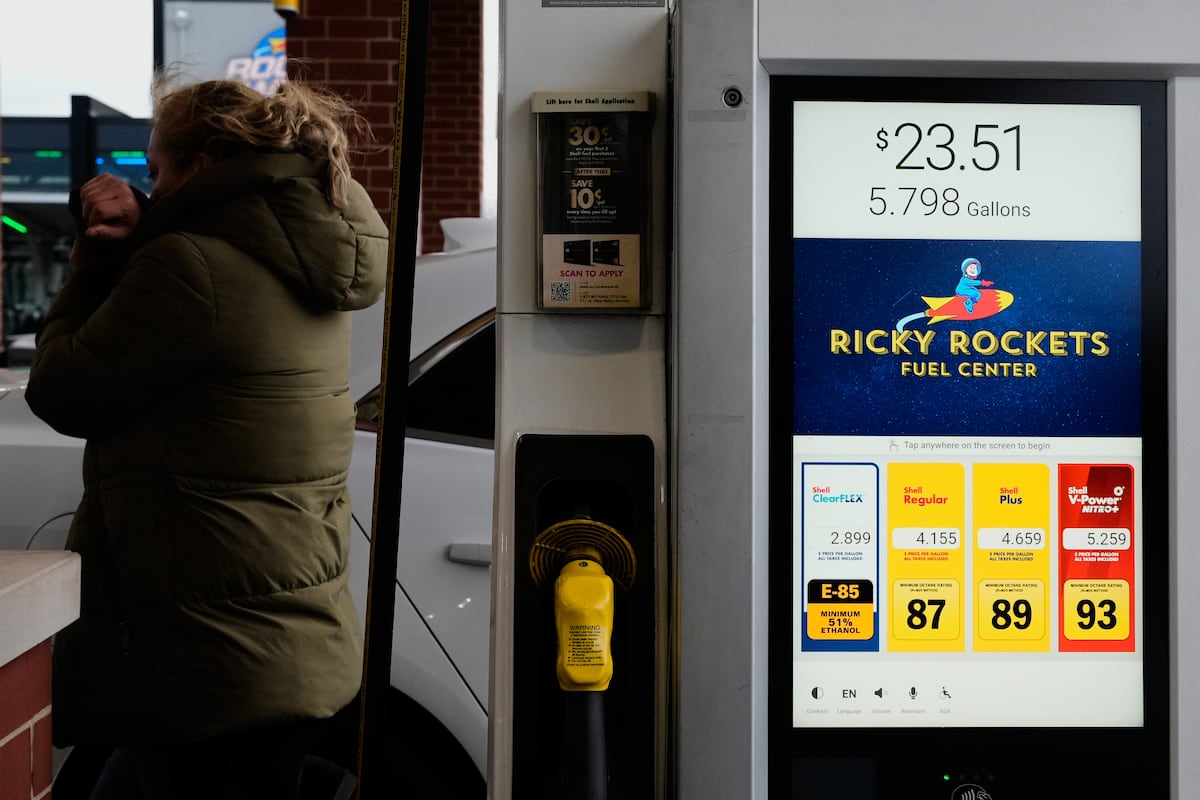
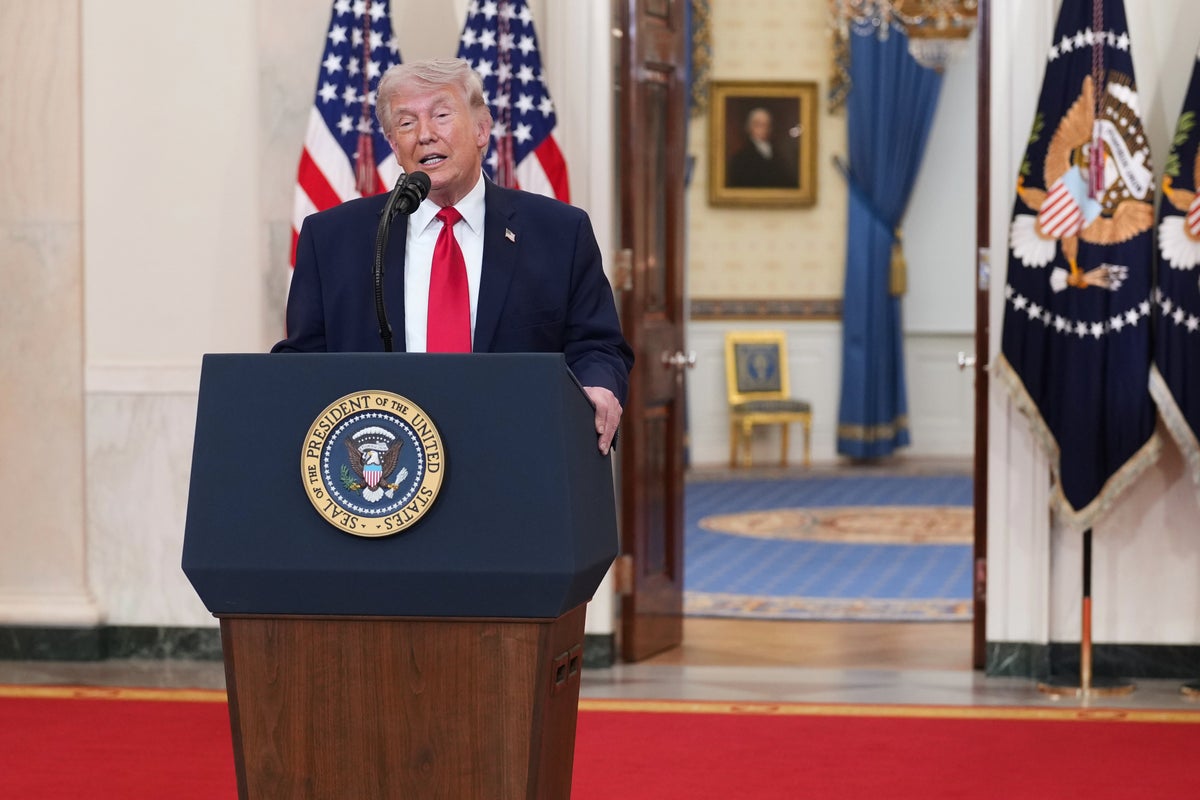
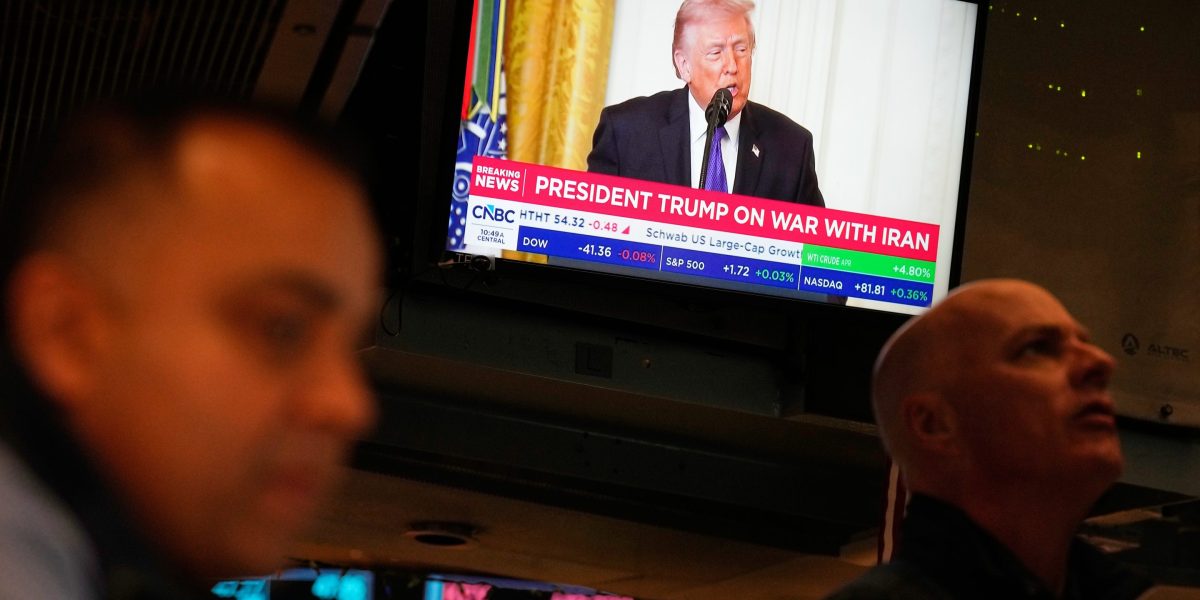
8 hours agoYour produce bill is about to get pricey as the Iran war jacks up US food costs
"Fresh food and perishables are almost like the canary in the coal mine," when energy prices go up, according to Vidya Mani, an associate professor at the University of Virginia's Darden School of Business.
Agriculture


#oil-markets

World politics
fromLondon Business News | Londonlovesbusiness.com
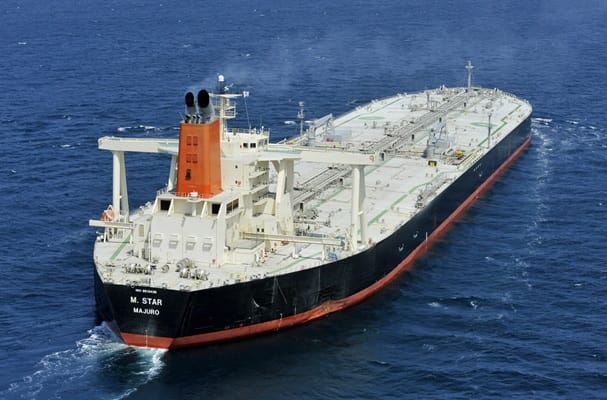
2 days agoCrude oil between geopolitical escalation and dollar pressure - London Business News | Londonlovesbusiness.com
Geopolitical factors and monetary conditions are significantly influencing global oil prices, reflecting uncertainty rather than traditional supply and demand.
#crude-oil
World news
fromLondon Business News | Londonlovesbusiness.com
4 days agoCrude oil falls sharply in Asian session as escalation expectations temporarily ease - London Business News | Londonlovesbusiness.com
Crude oil prices are declining as the market reassesses expectations following geopolitical tensions and backchannel diplomatic progress between the U.S. and Iran.




US politics
fromwww.mediaite.com
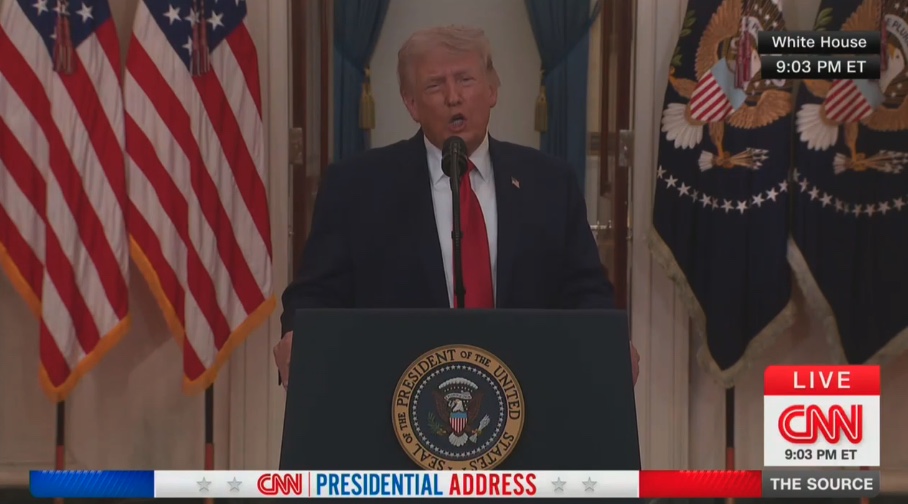
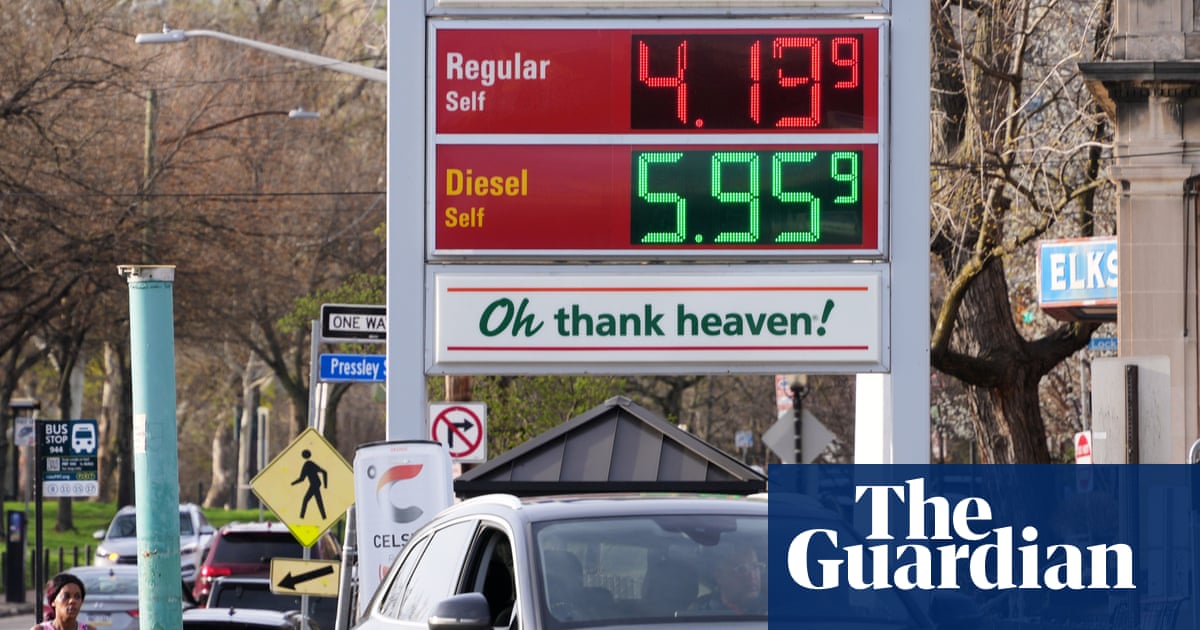
3 weeks agoTrump Brags About High Oil Prices as Americans Balk at the Pump: When Oil Prices Go Up, We Make a Lot of Money'
Trump shifted from criticizing high gas prices to accepting them as beneficial for U.S. oil profits while prioritizing military action against Iran's nuclear capabilities.
fromLondon Business News | Londonlovesbusiness.com
3 weeks agoOil remains volatile as supply risks persist ahead of potential strategic reserve release - London Business News | Londonlovesbusiness.com
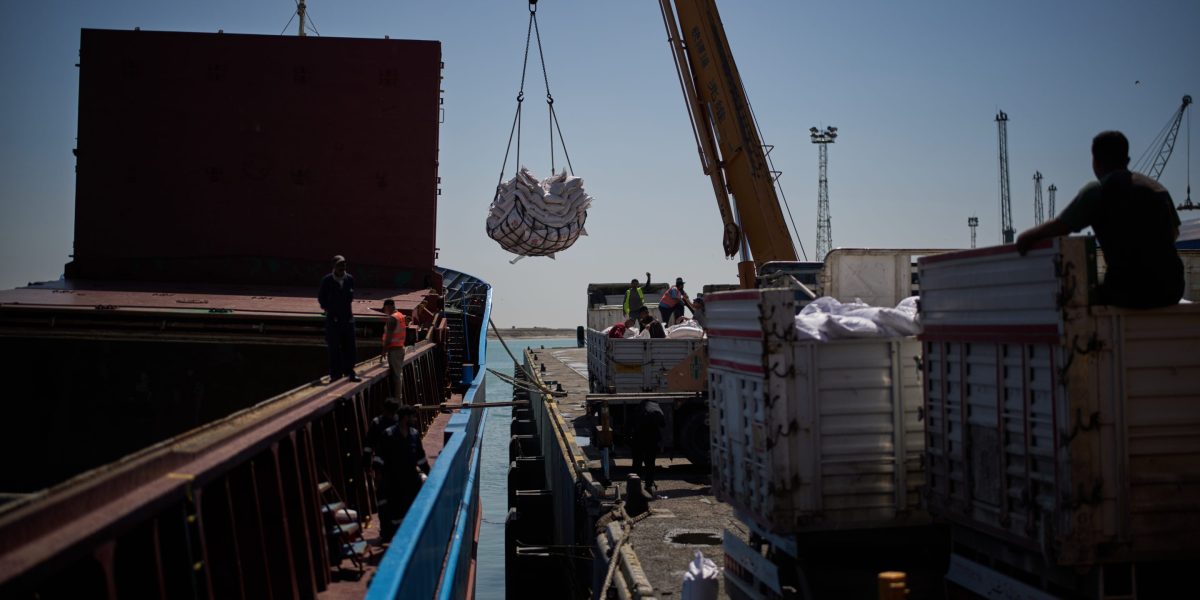
The market remains highly sensitive to developments in the Middle East, where elevated geopolitical tensions continue to expose energy infrastructure and shipping routes to significant risks. Supply conditions have already tightened, as production in parts of the region has been curtailed due to limited storage capacity and difficulties in exporting crude amid shipping constraints.
Miscellaneous
fromwww.businessinsider.com
3 weeks agoOil surged past $100 before coming back to Earth. Wall Street is bracing for what comes next.
Higher inflation expectations will be meaningless if employers still hold the cards in wage setting and their customers retrench. The US labor market is too weak to support large price spikes, making fears over oil prices spiking inflation overblown.
US politics
from24/7 Wall St.
2 days agoWall Street Upgrades Cheniere Energy as Iran War Reshapes Global LNG Demand
Citi's upgrade reflects a broader geopolitical reality reshaping global energy markets. The Iran war is accelerating the flight of European and Asian buyers toward secure, long-term U.S. LNG supply contracts.
Business

#energy-crisis
World politics
fromFortune
2 weeks agoIt's almost inexplicable why oil prices aren't much higher. But here's why markets are 'resilient' so far despite the biggest energy supply shock ever | Fortune
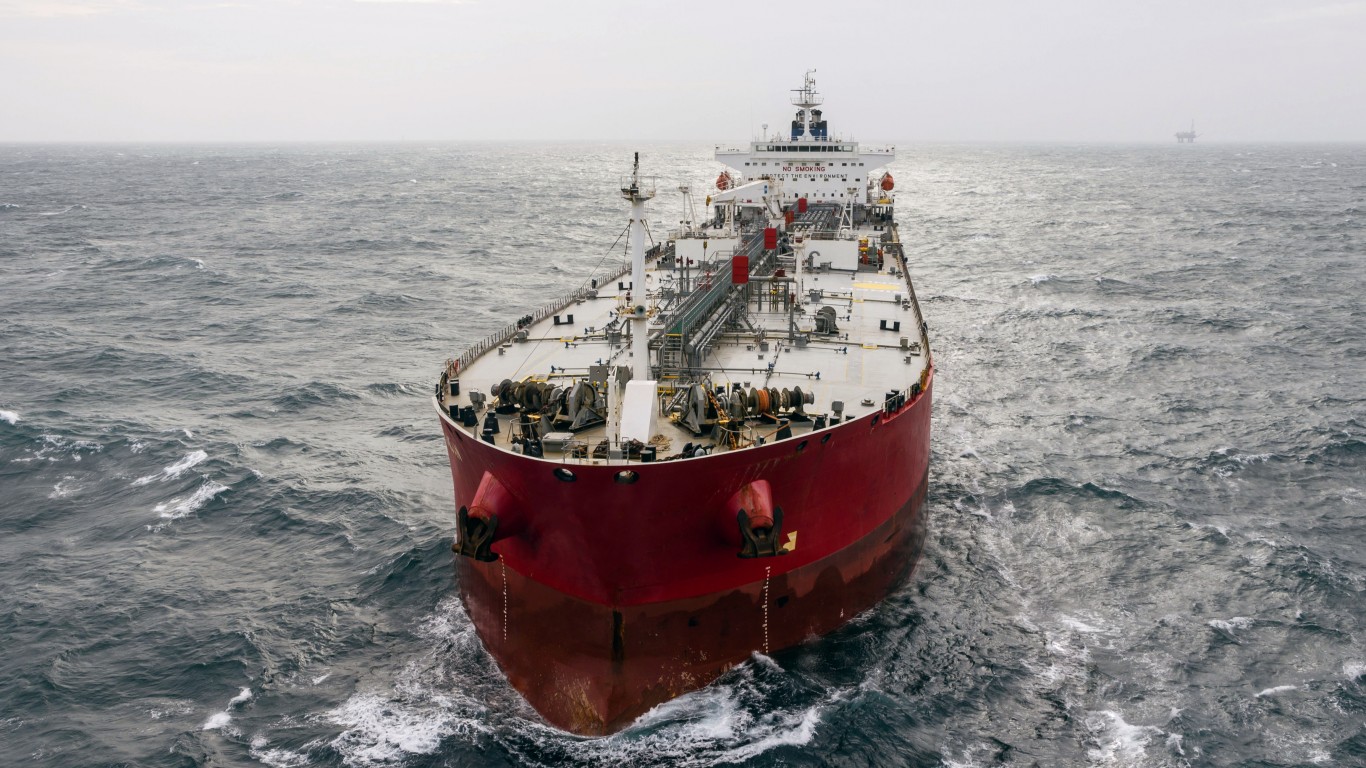
Despite a historic energy supply shock from the Iran war and Strait of Hormuz disruption affecting 20% of global oil and gas flows, oil prices remain below theoretical highs due to reduced Middle Eastern dependence, strategic reserves, and optimism about conflict resolution.
#oil-price-surge
World news
fromLondon Business News | Londonlovesbusiness.com
2 weeks agoOil Prices Surge as Attacks Impact Global Supply - London Business News | Londonlovesbusiness.com
Brent crude oil surged 7% above $114 per barrel following Iranian missile strikes on Qatar's Ras Laffan LNG facility, escalating Middle East tensions and threatening global energy supply stability.
World news
fromLondon Business News | Londonlovesbusiness.com
2 weeks agoCrude oil remains elevated as supply risks turn into actual disruptions - London Business News | Londonlovesbusiness.com
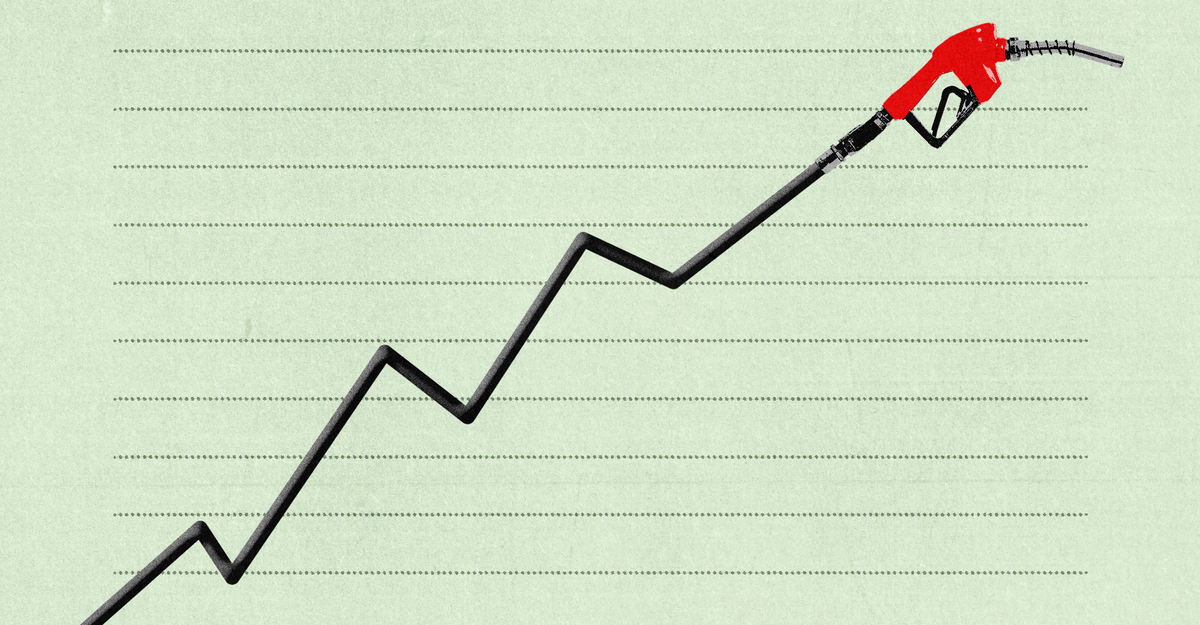
Oil prices have surged 40-50% since late February due to actual Middle East supply disruptions, with Brent at USD 103.6 and WTI near USD 95, as Iran's attacks on production facilities materialize real supply losses rather than anticipated risks.
fromPoynter
2 weeks agoThe US exports oil, but that won't shield Americans from higher gas prices - Poynter
The United States - we produce more oil than we can consume. We're a net oil exporter," Wright said. This comment misses some important context. Some metrics show the U.S. as a net exporter, but for crude oil - the material that's refined into gasoline - the U.S. is a net importer.
World politics
World politics
fromwww.theguardian.com
3 weeks agoHow high could oil go, and what might the global economic fallout be?
Oil prices surpassing $100 per barrel due to US-Israel conflict with Iran threaten global economic stability through inflation, market volatility, and potential central bank rate increases.
[ Load more ]