#oil-and-gas-supply-chain
#oil-and-gas-supply-chain
[ follow ]
#oil-prices #iran #strait-of-hormuz #gas-prices #middle-east-conflict #iran-war #trump #geopolitical-tensions
#trump
World news
fromIrish Independent
6 days agoTrump vows to 'obliterate' all of Iran's oil wells and energy plants unless Strait of Hormuz is 'immediately' opened; UN peacekeeper killed in Lebanon
Trump threatens to obliterate Iran's energy infrastructure if the Strait of Hormuz is not opened and a deal is not reached.
World news
fromIrish Independent
6 days agoTrump vows to 'obliterate' all of Iran's oil wells and energy plants unless Strait of Hormuz is 'immediately' opened; UN peacekeeper killed in Lebanon
Trump threatens to obliterate Iran's energy infrastructure if the Strait of Hormuz is not opened and a deal is not reached.
SF politics
fromFortune
15 hours ago'It's shocking how poorly prepared the administration is': DOGE gutted major energy personnel who warn the U.S. has lost key insights amid Iran war | Fortune
The Trump administration's cuts to the Bureau of Energy Resources hindered U.S. energy diplomacy during escalating tensions with Iran.





fromwww.aljazeera.com
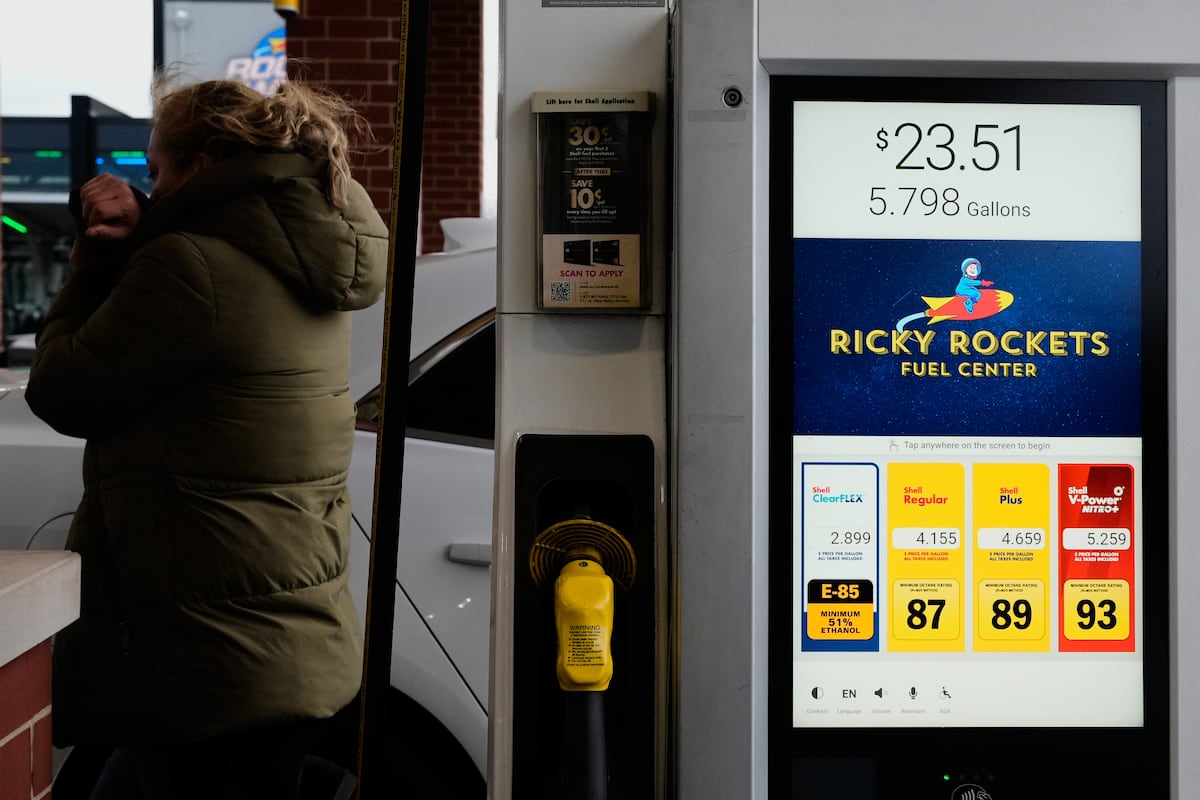
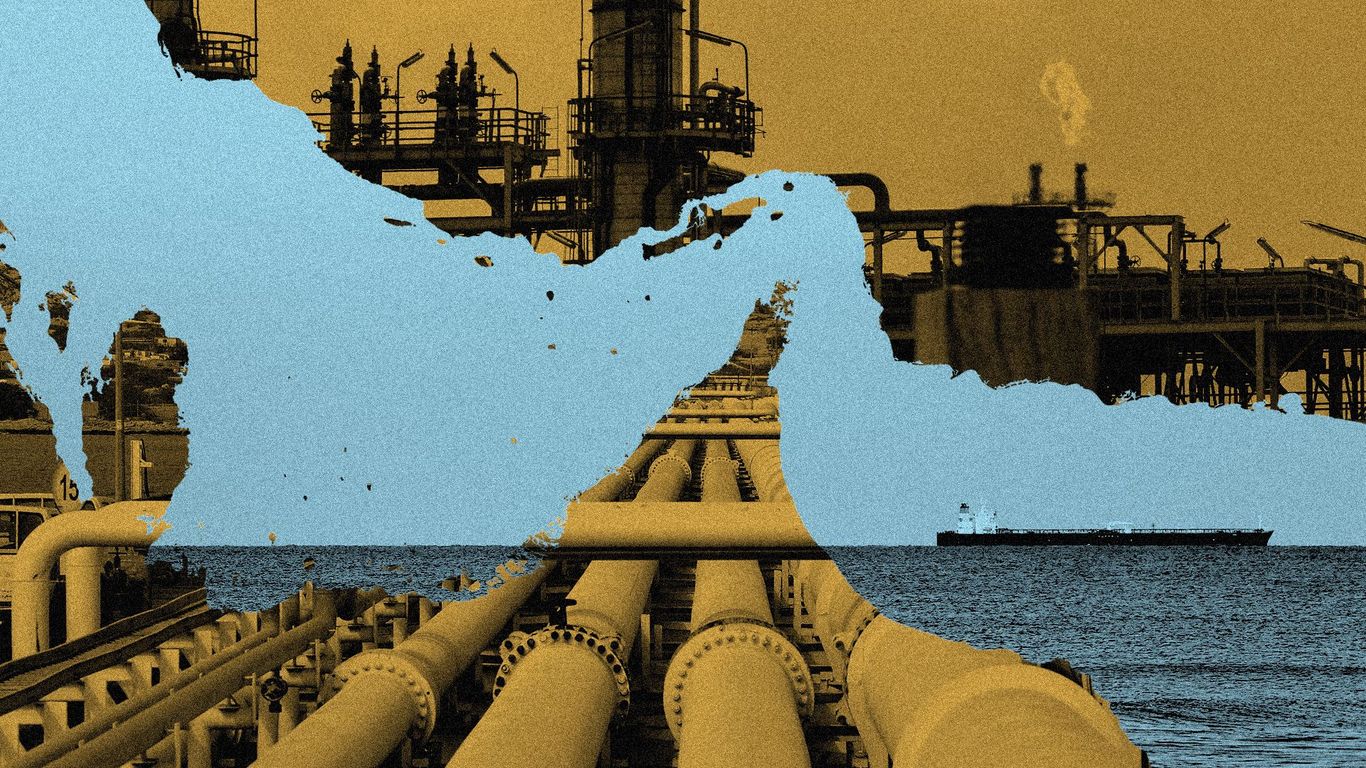
7 hours agoOPEC+ agrees to hike oil output, warns of slow recovery after attacks
The war has effectively blocked the Strait of Hormuz, the world's most important oil route, since the end of February and cut exports from OPEC+ members Saudi Arabia, the United Arab Emirates (UAE), Kuwait and Iraq.
World news



fromFortune
3 days agoCountries are turning to 'structurally more resilient' energy sources as oil and gas crisis deepens, UN renewables chief says | Fortune
"A more decentralized energy system, with a growing share of renewables and more market players, is structurally more resilient. Countries that invested in the energy transition are weathering this crisis with less economic damage, as they boost energy security, resilience and competitiveness."
Environment
#crude-oil
World news
fromLondon Business News | Londonlovesbusiness.com
5 days agoCrude oil falls sharply in Asian session as escalation expectations temporarily ease - London Business News | Londonlovesbusiness.com
Crude oil prices are declining as the market reassesses expectations following geopolitical tensions and backchannel diplomatic progress between the U.S. and Iran.

World news
fromFortune
51 minutes agoOil climbs and stock futures drop as fuel shortages spread while Trump makes series of apocalyptic threats against Iran ahead of moving deadline | Fortune
Wall Street reacts to ongoing U.S.-Iran conflict with fluctuating stock futures and rising oil prices amid threats from President Trump.
from24/7 Wall St.
6 hours agoIran Wars Fuels RTX Growth Story as Defense Demand Rockets Higher
CEO Chris Calio emphasized the urgency of delivering critical products for national security, stating, 'We understand that our products are critical to national security. And I can tell you across the organization, we absolutely feel the responsibility and urgency to deliver more and to deliver it faster.'
Business
World politics
fromLondon Business News | Londonlovesbusiness.com
3 days agoCrude oil between geopolitical escalation and dollar pressure - London Business News | Londonlovesbusiness.com
Geopolitical factors and monetary conditions are significantly influencing global oil prices, reflecting uncertainty rather than traditional supply and demand.
Environment
fromwww.theguardian.com
4 days agoAsia ramps up use of dirty fuels to cover energy shortfall triggered by Iran war
Asian governments are increasing coal use to address energy shortages caused by geopolitical conflicts, raising environmental concerns and calls for renewable energy investment.
fromwww.theguardian.com
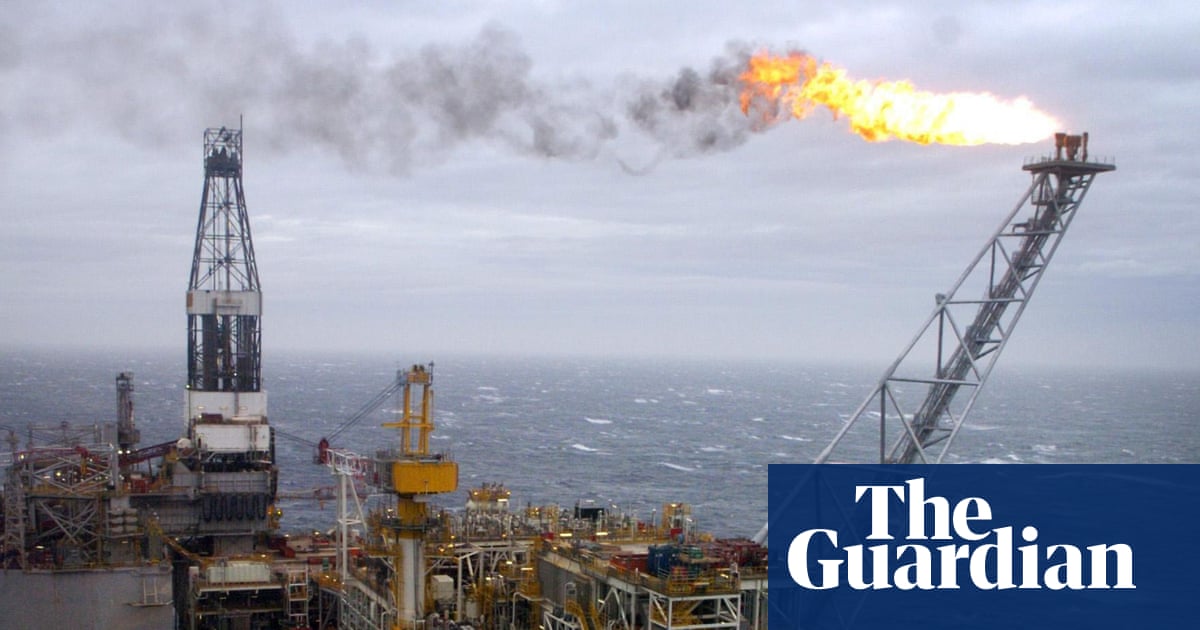
5 days agoMore drilling in North Sea not the answer' for UK energy security, say former military leaders
Attempting to eke out the remaining oil and gas from the North Sea was not the answer to the challenges facing the UK. It will not bring down the price for consumers, nor will it deliver long-term energy security. The international markets will determine the price and destination; that is not energy independence.
Environment
from24/7 Wall St.
3 days agoWall Street Upgrades Cheniere Energy as Iran War Reshapes Global LNG Demand
Citi's upgrade reflects a broader geopolitical reality reshaping global energy markets. The Iran war is accelerating the flight of European and Asian buyers toward secure, long-term U.S. LNG supply contracts.
Business
fromwww.aljazeera.com
2 days agoHow war on Iran turned Pakistan's LNG surplus into a looming shortage
At the start of this year, Pakistan had more imported liquefied natural gas (LNG) than it could use, with demand falling from a peak of 8.2 million tonnes in 2021 to 6.1 million tonnes by late 2025. The government sold excess gas shipments to other countries and shut down domestic gas wells to prevent pipelines from bursting under oversupply.
World news
Europe news
fromwww.theguardian.com
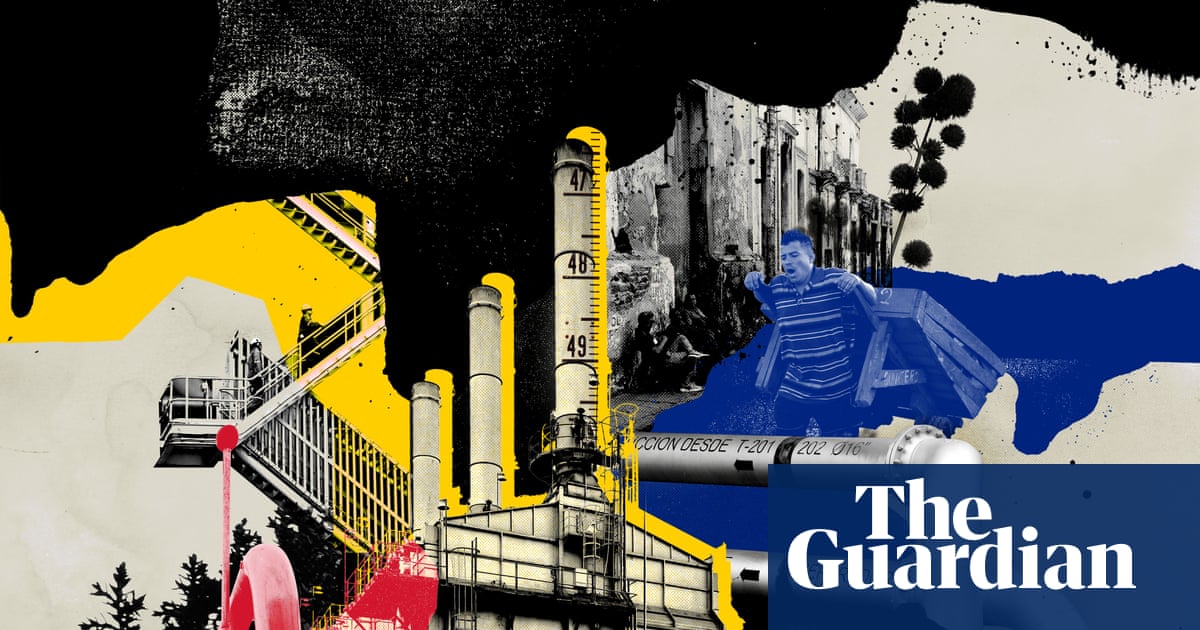
3 weeks agoOil company shares soar to all-time highs as Middle East war turbocharges price per barrel
Major oil company stock valuations surged over $130bn in two weeks following US-Israeli attacks on Iran, with western super majors reaching all-time highs amid global energy supply disruptions.
Business
from24/7 Wall St.
3 weeks agoU.S. supplies a third of world's LNG but only 3% of global oil exports
The U.S. dominates global LNG exports at one-third of supply but exports only 3% of global oil, creating structural price insulation for natural gas while leaving oil prices vulnerable to geopolitical disruptions.
fromPoynter
2 weeks agoThe US exports oil, but that won't shield Americans from higher gas prices - Poynter
The United States - we produce more oil than we can consume. We're a net oil exporter," Wright said. This comment misses some important context. Some metrics show the U.S. as a net exporter, but for crude oil - the material that's refined into gasoline - the U.S. is a net importer.
World politics
from24/7 Wall St.
1 month agoOil Explorers Are About to Get Absolutely Whipsawed and XOP Captures Every Single Move
Unlike funds that hold integrated giants with refining and chemical businesses to cushion oil price swings, XOP holds pure exploration and production companies whose entire revenue stream rises and falls with the commodity price. Its equal-weight structure amplifies this further, giving the same portfolio weight to smaller, more volatile E&P names as it does to large-caps like ConocoPhillips or Occidental Petroleum.
Business
[ Load more ]