#oil-price-exposure
#oil-price-exposure
[ follow ]


fromwww.businessinsider.com
2 days agoYour produce bill is about to get pricey as the Iran war jacks up US food costs
"Fresh food and perishables are almost like the canary in the coal mine," when energy prices go up, according to Vidya Mani, an associate professor at the University of Virginia's Darden School of Business.
Agriculture

fromIrish Independent
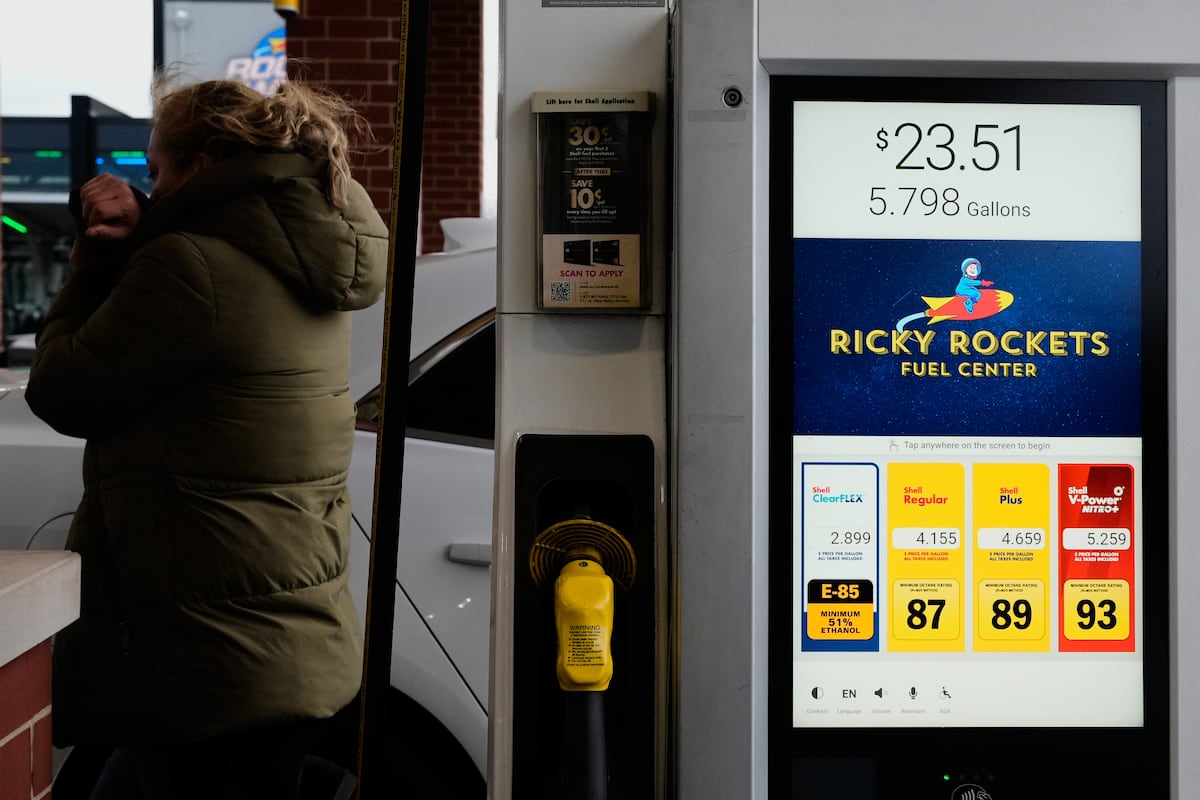
4 days agoHopes dim for swift end to Iran war after Trump's television speech; oil prices surge anew
We, the Ministers of Foreign Affairs of Belgium, Croatia, Estonia, Finland, Iceland, Italy, Ireland, Latvia, Luxembourg, Moldova, Norway, Poland, San Marino, Spain and Sweden, concerned by the conflict in the Middle East, are appalled by the dramatic situation and renewed escalation of violence in Lebanon, where there are already 1.2 million internally displaced persons, representing some 25% of the overall population.
France politics

#crude-oil
World news
fromLondon Business News | Londonlovesbusiness.com
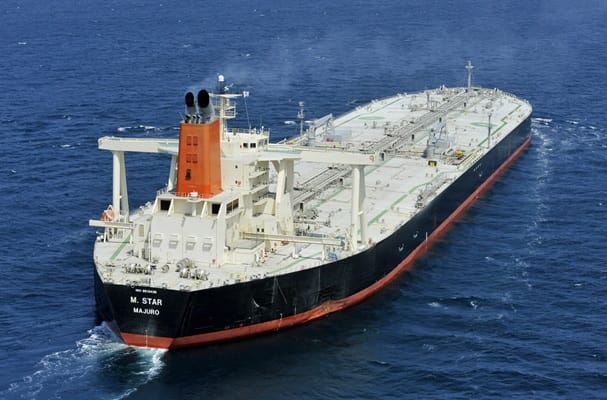
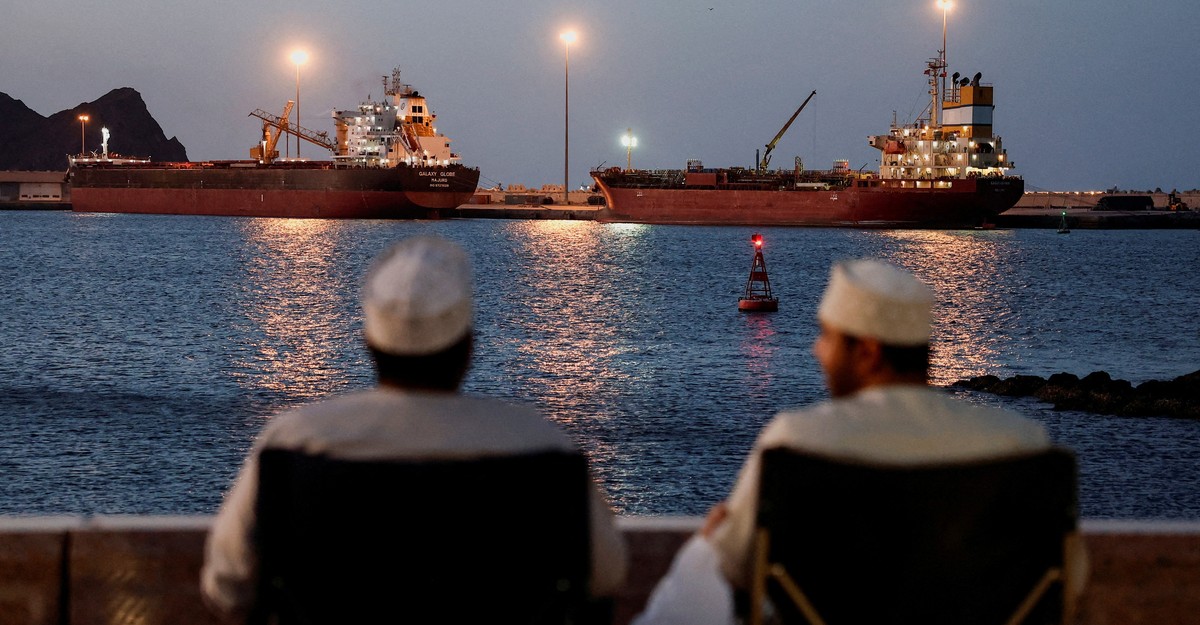
6 days agoCrude oil falls sharply in Asian session as escalation expectations temporarily ease - London Business News | Londonlovesbusiness.com
Crude oil prices are declining as the market reassesses expectations following geopolitical tensions and backchannel diplomatic progress between the U.S. and Iran.
#oil-markets
World politics
fromLondon Business News | Londonlovesbusiness.com
4 days agoCrude oil between geopolitical escalation and dollar pressure - London Business News | Londonlovesbusiness.com
Geopolitical factors and monetary conditions are significantly influencing global oil prices, reflecting uncertainty rather than traditional supply and demand.
fromwww.aljazeera.com
16 hours agoOPEC+ agrees to hike oil output, warns of slow recovery after attacks
The war has effectively blocked the Strait of Hormuz, the world's most important oil route, since the end of February and cut exports from OPEC+ members Saudi Arabia, the United Arab Emirates (UAE), Kuwait and Iraq.
World news
World news
fromFortune
10 hours agoOil climbs and stock futures drop as fuel shortages spread while Trump makes series of apocalyptic threats against Iran ahead of moving deadline | Fortune
Wall Street reacts to ongoing U.S.-Iran conflict with fluctuating stock futures and rising oil prices amid threats from President Trump.
fromwww.independent.co.uk
4 days agoUnprecedented' UK fuel price rises surpass 2022 record
Fuel price rises in March were the highest on record, adding an unprecedented 11 to the cost of filling up an average vehicle. The average cost for a litre of unleaded petrol rose by 20p in the month following America's strikes on Iran.
Europe news
fromLondon Business News | Londonlovesbusiness.com
3 weeks agoOil remains volatile as supply risks persist ahead of potential strategic reserve release - London Business News | Londonlovesbusiness.com
The market remains highly sensitive to developments in the Middle East, where elevated geopolitical tensions continue to expose energy infrastructure and shipping routes to significant risks. Supply conditions have already tightened, as production in parts of the region has been curtailed due to limited storage capacity and difficulties in exporting crude amid shipping constraints.
Miscellaneous
Europe news
fromwww.theguardian.com
3 weeks agoOil company shares soar to all-time highs as Middle East war turbocharges price per barrel
Major oil company stock valuations surged over $130bn in two weeks following US-Israeli attacks on Iran, with western super majors reaching all-time highs amid global energy supply disruptions.
#oil-price-surge
World news
fromLondon Business News | Londonlovesbusiness.com
2 weeks agoOil Prices Surge as Attacks Impact Global Supply - London Business News | Londonlovesbusiness.com
Brent crude oil surged 7% above $114 per barrel following Iranian missile strikes on Qatar's Ras Laffan LNG facility, escalating Middle East tensions and threatening global energy supply stability.
World news
fromLondon Business News | Londonlovesbusiness.com
2 weeks agoCrude oil remains elevated as supply risks turn into actual disruptions - London Business News | Londonlovesbusiness.com
Oil prices have surged 40-50% since late February due to actual Middle East supply disruptions, with Brent at USD 103.6 and WTI near USD 95, as Iran's attacks on production facilities materialize real supply losses rather than anticipated risks.
fromLondon Business News | Londonlovesbusiness.com
2 months agoOil prices slump as expectations of US military involvement in Iran cools - London Business News | Londonlovesbusiness.com
The FTSE 100 once again remains a leader in Europe, although the pullback in oil and precious metals has meant that commodity stocks are lagging behind as financials take the lead. Strong gains for the likes of HSBC, Barclays, and NatWest bring a recovery from a sector that has been hit by Trump's recent move to limit credit card interest rates to 10%.
Miscellaneous
World politics
fromFortune
2 weeks agoIt's almost inexplicable why oil prices aren't much higher. But here's why markets are 'resilient' so far despite the biggest energy supply shock ever | Fortune
Despite a historic energy supply shock from the Iran war and Strait of Hormuz disruption affecting 20% of global oil and gas flows, oil prices remain below theoretical highs due to reduced Middle Eastern dependence, strategic reserves, and optimism about conflict resolution.
World politics
fromThe Atlantic
3 weeks agoOil Really Could Hit $200 a Barrel
Iran conflict has caused the largest oil supply disruption in history, with crude prices rising from $65 to $90-$100 per barrel, potentially reaching $200 if the Strait of Hormuz remains closed for a month, risking global recession and economic upheaval.
World news
fromwww.theguardian.com
3 weeks agoWill releasing millions of barrels of oil stockpiles really bring down fuel costs?
The IEA released 400 million barrels of emergency crude oil, its largest reserve release in history, to address price shocks from geopolitical tensions affecting global oil supply.
World politics
fromwww.theguardian.com
3 weeks agoHow high could oil go, and what might the global economic fallout be?
Oil prices surpassing $100 per barrel due to US-Israel conflict with Iran threaten global economic stability through inflation, market volatility, and potential central bank rate increases.
[ Load more ]