#oil-prioritization
#oil-prioritization
[ follow ]
#oil-prices #iran #strait-of-hormuz #middle-east-conflict #gas-prices #energy-crisis #trump #geopolitical-tensions



fromFortune
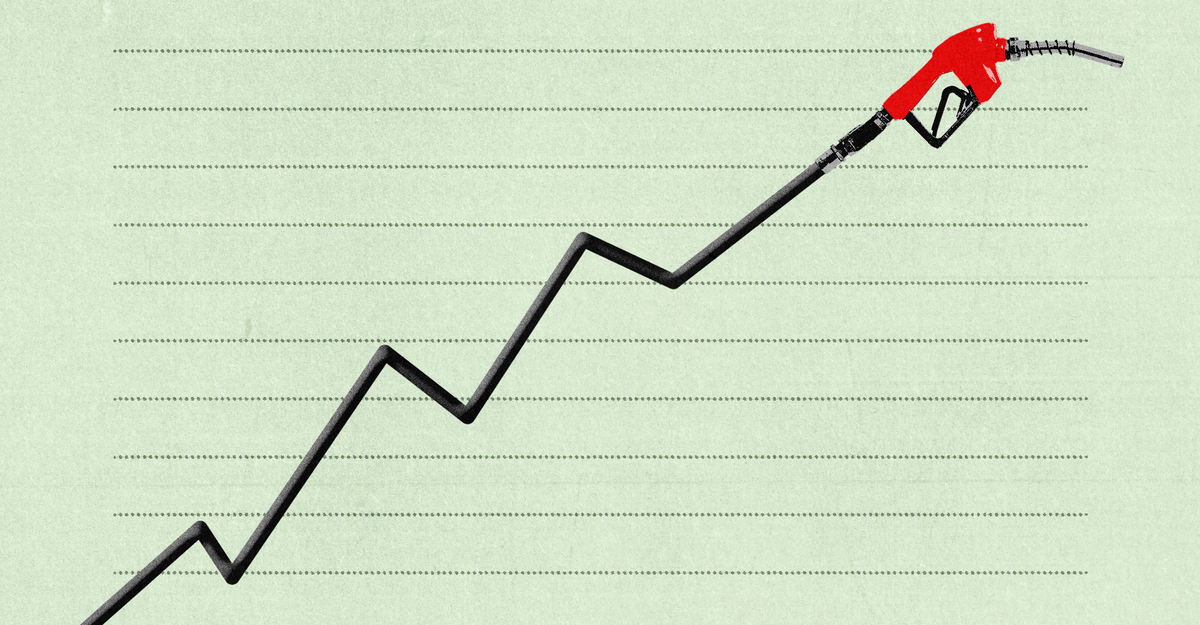
1 day agoCountries are turning to 'structurally more resilient' energy sources as oil and gas crisis deepens, UN renewables chief says | Fortune
"A more decentralized energy system, with a growing share of renewables and more market players, is structurally more resilient. Countries that invested in the energy transition are weathering this crisis with less economic damage, as they boost energy security, resilience and competitiveness."
Environment


#strait-of-hormuz

World news
fromIrish Independent
1 day agoEU warns it's 'preparing for worst scenarios' and assessing 'all possibilities' including fuel rationing as energy crisis deepens
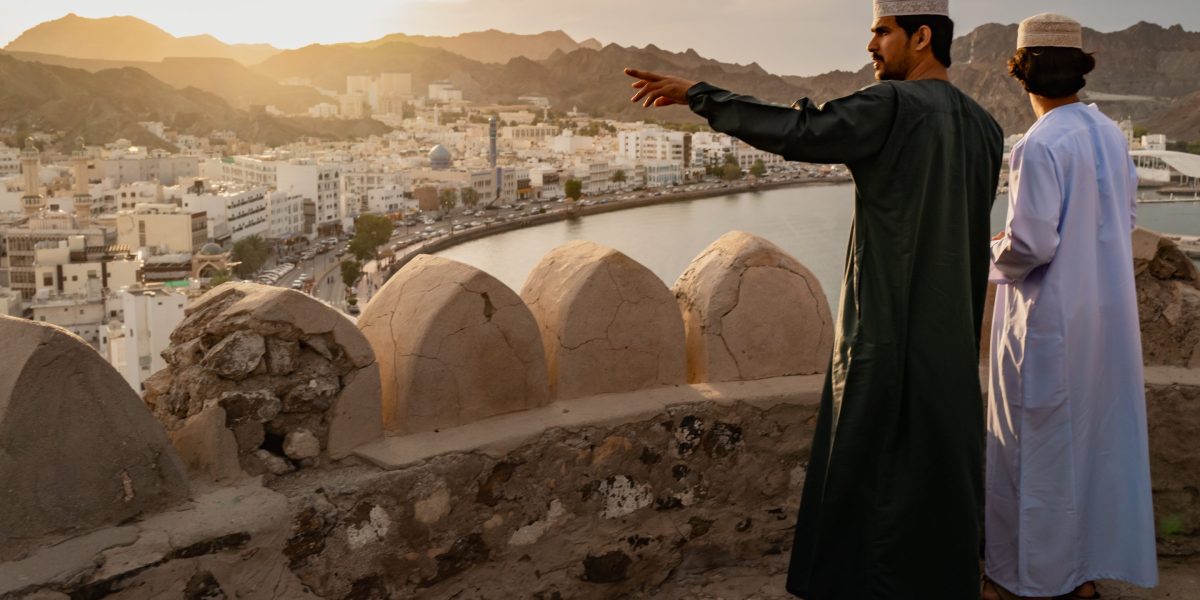
Tehran plans to charge for passage through the Strait of Hormuz, aiming to ensure safe navigation amid rising tensions with the US.
#energy-crisis

Europe news
fromwww.theguardian.com
3 weeks agoDo we want to keep fixing the same issue? Unlearned lessons from the first big oil crisis
Europe's 1970s energy crisis responses—nuclear power, building insulation, renewables, and efficiency—were abandoned after Ukraine invasion, repeating fossil fuel dependency mistakes that now require accelerated green transition.
Environment
fromwww.theguardian.com
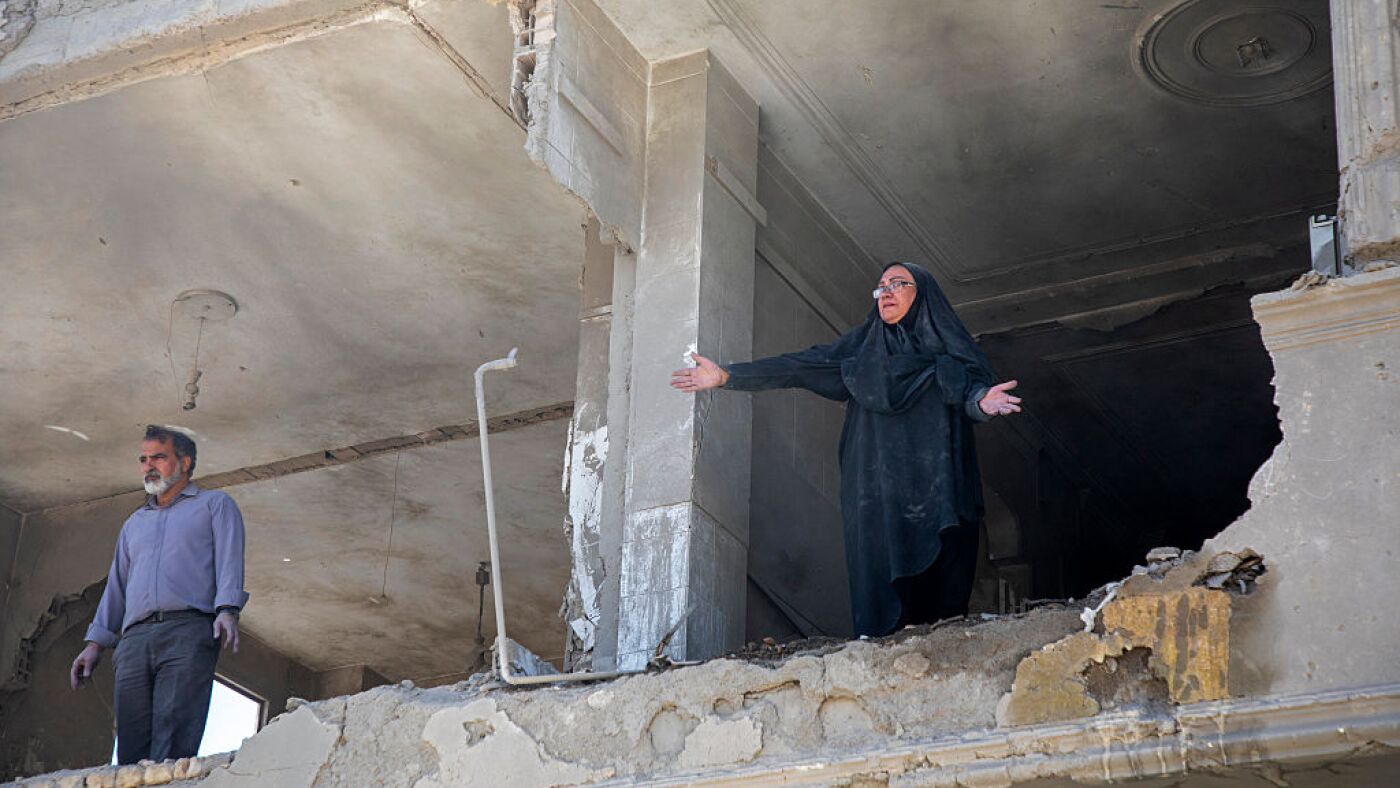
3 days agoAsia ramps up use of dirty fuels to cover energy shortfall triggered by Iran war
Asian governments are increasing coal use to address energy shortages caused by geopolitical conflicts, raising environmental concerns and calls for renewable energy investment.
World politics
fromLondon Business News | Londonlovesbusiness.com
2 days agoCrude oil between geopolitical escalation and dollar pressure - London Business News | Londonlovesbusiness.com
Geopolitical factors and monetary conditions are significantly influencing global oil prices, reflecting uncertainty rather than traditional supply and demand.
fromwww.theguardian.com
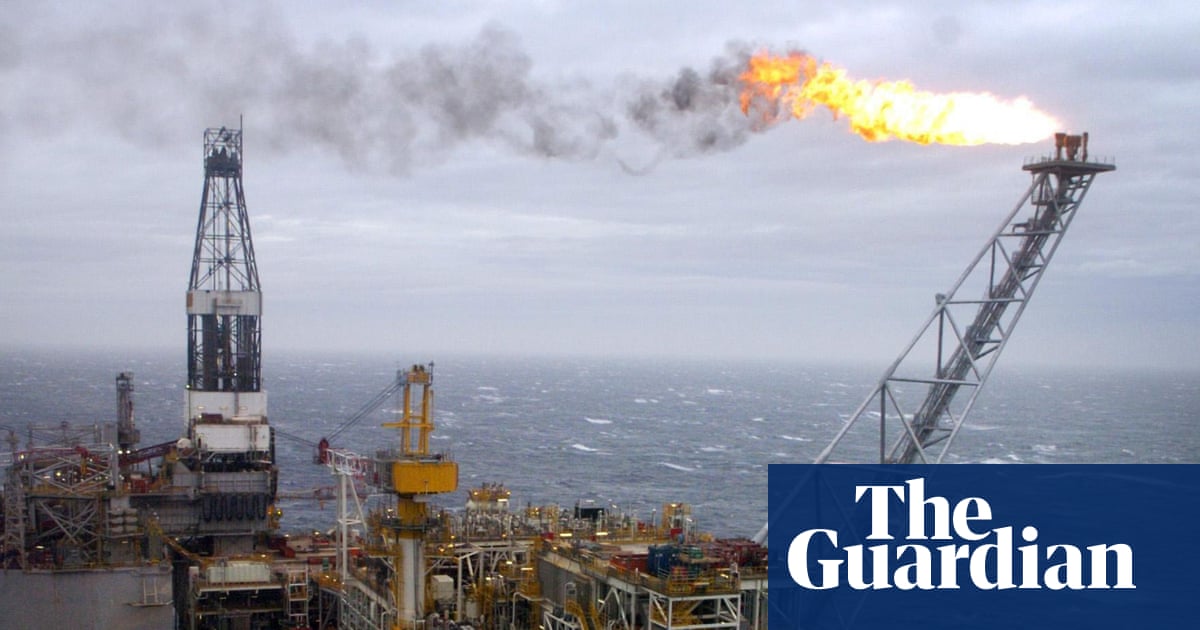
4 days agoMore drilling in North Sea not the answer' for UK energy security, say former military leaders
Attempting to eke out the remaining oil and gas from the North Sea was not the answer to the challenges facing the UK. It will not bring down the price for consumers, nor will it deliver long-term energy security. The international markets will determine the price and destination; that is not energy independence.
Environment
fromThe New Yorker
2 weeks agoThe Iran War Is Another Reason to Quit Oil
In the first two weeks of the war, there has been a surge in the number of Americans looking to save money on energy-by asking for quotes on home solar systems and looking up electric vehicles online. We can expect similar trends in other countries. In India, where many kitchens depend on increasingly scarce and costly liquefied petroleum gas cylinders, consumers are racing to buy induction stoves.
Environment
#trump

fromIrish Independent
5 days agoWorld news
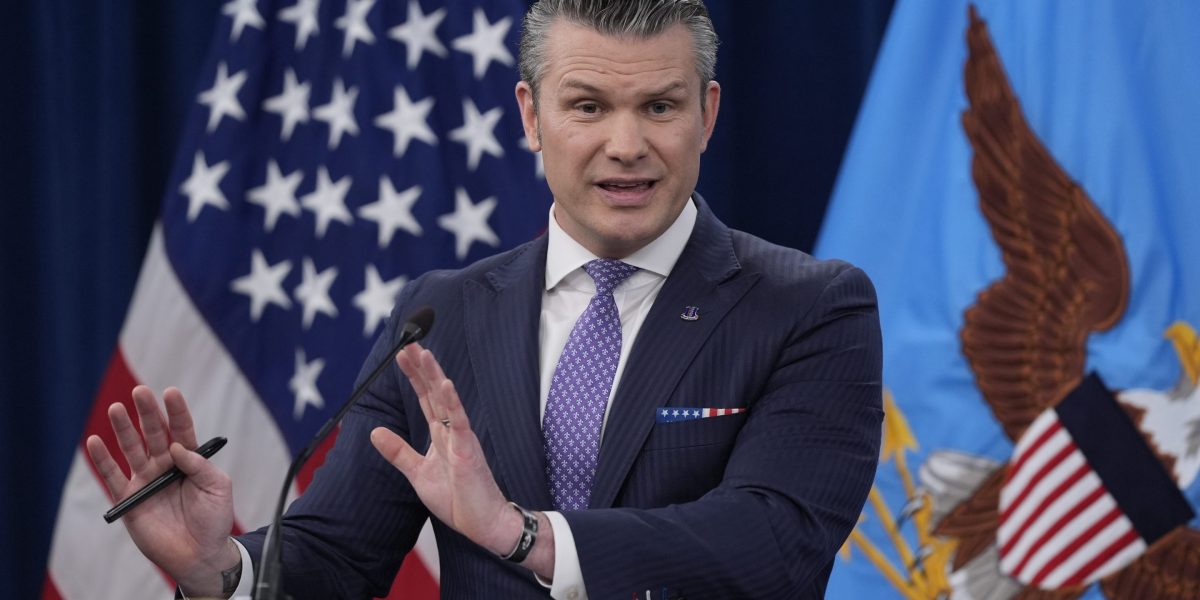
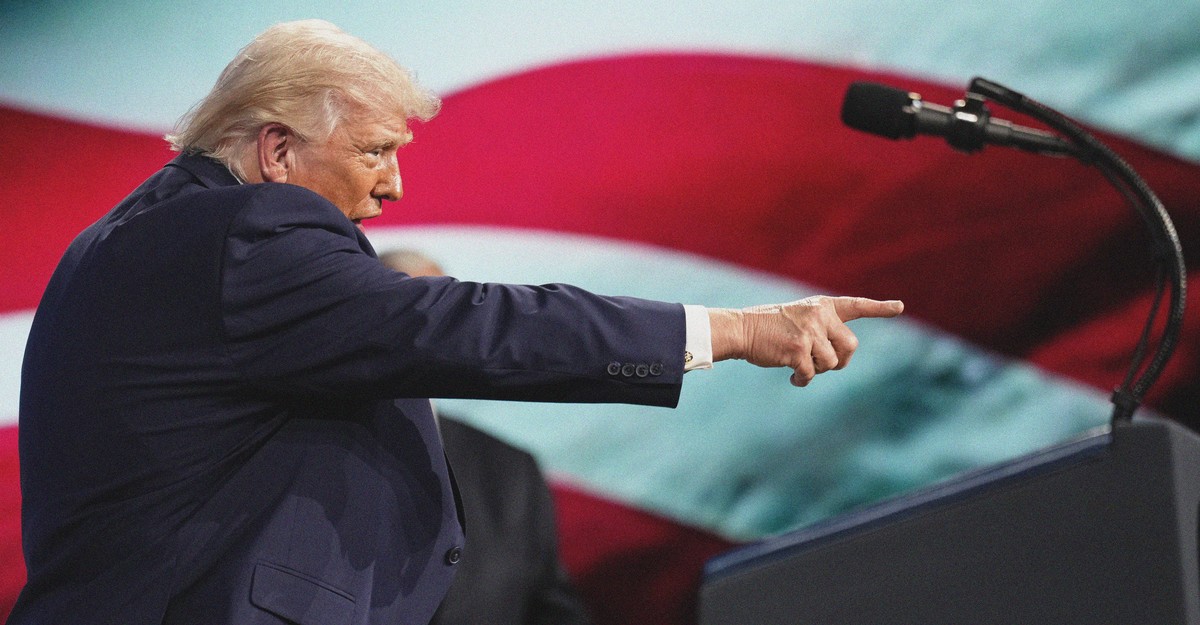
Trump vows to 'obliterate' all of Iran's oil wells and energy plants unless Strait of Hormuz is 'immediately' opened; UN peacekeeper killed in Lebanon
Trump threatens to obliterate Iran's energy infrastructure if the Strait of Hormuz is not opened and a deal is not reached.
fromLondon Business News | Londonlovesbusiness.com
5 days agoWorld news
Trump signals he may seize Iran's Kharg Island in bid for oil - London Business News | Londonlovesbusiness.com
Donald Trump suggested the U.S. could seize Kharg Island, Iran's main oil export hub, raising tensions and fears of a regional confrontation.
World news
fromIrish Independent
5 days agoTrump vows to 'obliterate' all of Iran's oil wells and energy plants unless Strait of Hormuz is 'immediately' opened; UN peacekeeper killed in Lebanon
Trump threatens to obliterate Iran's energy infrastructure if the Strait of Hormuz is not opened and a deal is not reached.
World news
fromLondon Business News | Londonlovesbusiness.com
5 days agoTrump signals he may seize Iran's Kharg Island in bid for oil - London Business News | Londonlovesbusiness.com
Donald Trump suggested the U.S. could seize Kharg Island, Iran's main oil export hub, raising tensions and fears of a regional confrontation.
fromFortune
4 days agoEnergy 'vulnerable' India seeks U.S. help to produce more oil and wean itself off Russia, Middle East reliance amid geopolitical turmoil | Fortune
India remains "vulnerable" and lacking in energy security until it can produce at least 50% of its own oil. Billionaire industrialist Anil Agarwal believes India can grow to produce enough oil to meet 30% of its domestic demand within a few years.
World news
World politics
fromLondon Business News | Londonlovesbusiness.com
5 days agoWhat does the Middle East conflict mean for gold prices? - London Business News | Londonlovesbusiness.com
Gold's decline is influenced by a stronger dollar and rising oil prices, despite its historical role as a safe haven during uncertainty.
World politics
fromTruthout
3 weeks agoWorld's Dangerous Reliance on Oil Transforms Fossil Fuels Into Weapons of War
Oil prices exceeded $100 per barrel as U.S.-Israeli military actions against Iran threaten global energy supplies, with Iranian officials blocking Middle East oil exports until bombardment ceases.
[ Load more ]