#oil-revenue-diversion
#oil-revenue-diversion
[ follow ]
#oil-prices #iran #strait-of-hormuz #iran-war #middle-east-conflict #trump #inflation #geopolitical-tensions
#iran

World news
fromLondon Business News | Londonlovesbusiness.com
5 hours agoIran vows to retain control of Strait of Hormuz as tensions escalate - London Business News | Londonlovesbusiness.com
Iran intends to maintain control over the Strait of Hormuz, asserting its military capabilities and rejecting any compromise regarding its strategic position.
Europe news
fromFortune
4 hours agoEuropean ministers urge EU to impose windfall taxes on energy companies as prices spike 'to ensure that this burden is distributed fairly' | Fortune
European finance ministers are urging a bloc-wide windfall tax on energy companies to address rising oil and gas prices and inflation concerns.



fromwww.businessinsider.com
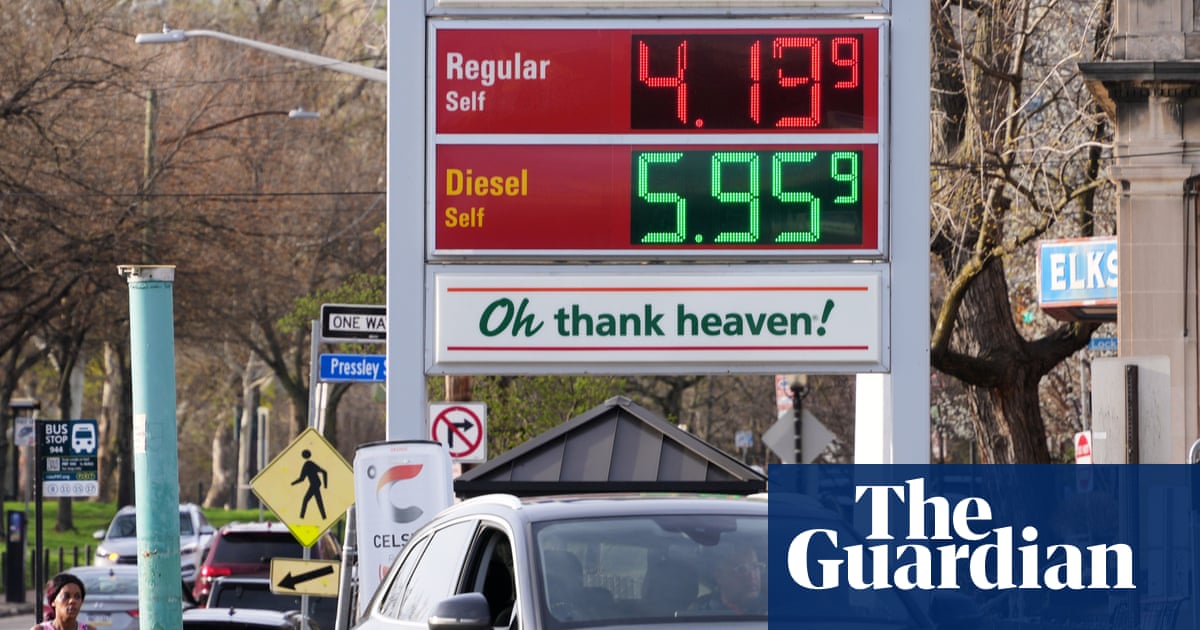
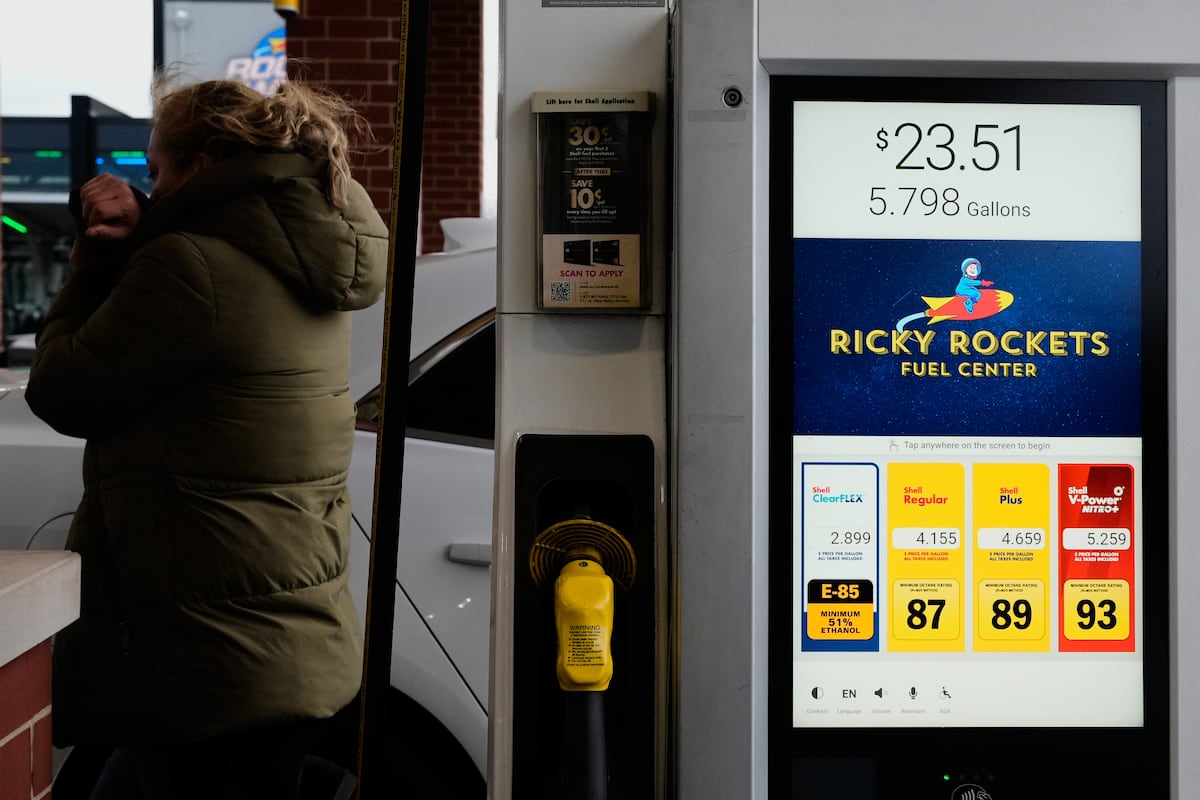
10 hours agoYour produce bill is about to get pricey as the Iran war jacks up US food costs
"Fresh food and perishables are almost like the canary in the coal mine," when energy prices go up, according to Vidya Mani, an associate professor at the University of Virginia's Darden School of Business.
Agriculture
fromFortune
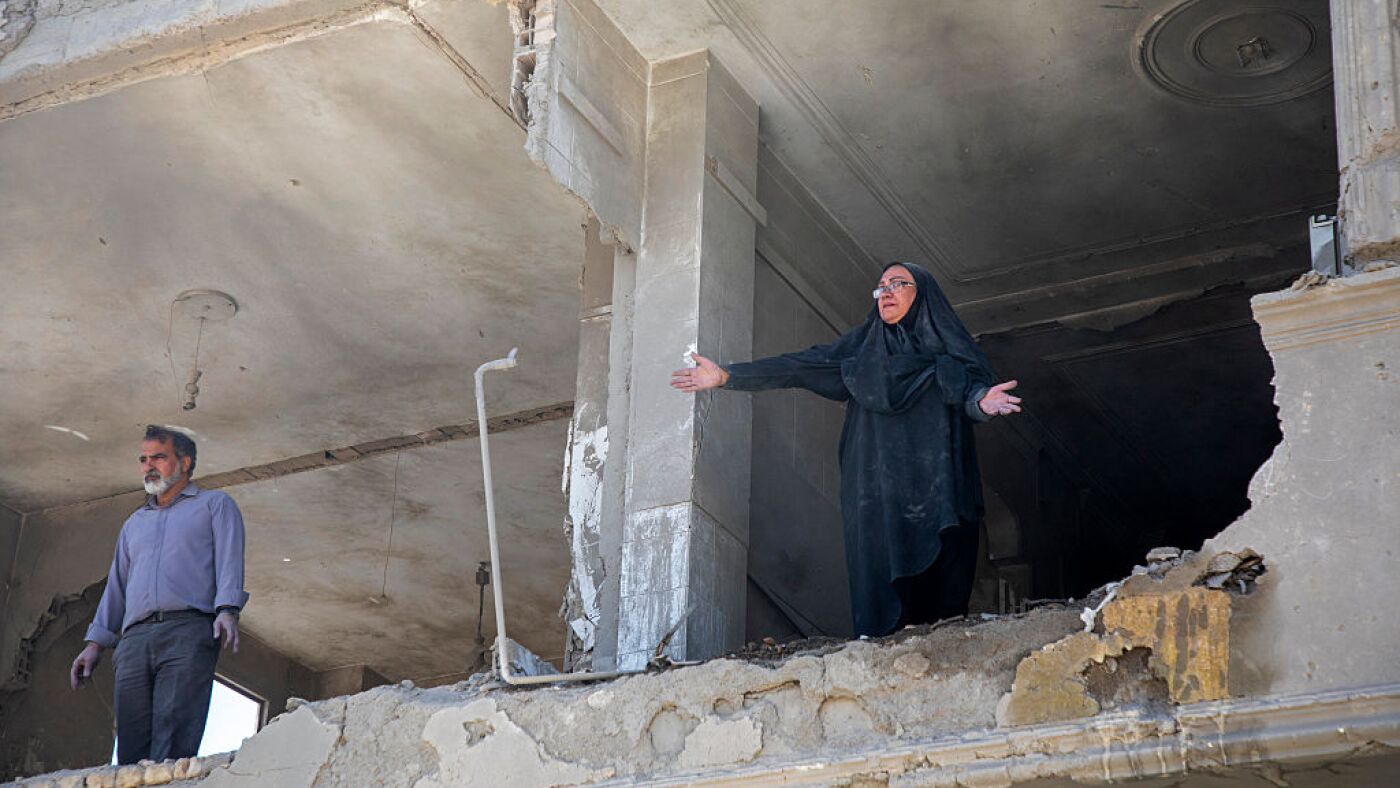
2 days agoCountries are turning to 'structurally more resilient' energy sources as oil and gas crisis deepens, UN renewables chief says | Fortune
"A more decentralized energy system, with a growing share of renewables and more market players, is structurally more resilient. Countries that invested in the energy transition are weathering this crisis with less economic damage, as they boost energy security, resilience and competitiveness."
Environment
Environment
fromwww.theguardian.com
3 days agoAsia ramps up use of dirty fuels to cover energy shortfall triggered by Iran war
Asian governments are increasing coal use to address energy shortages caused by geopolitical conflicts, raising environmental concerns and calls for renewable energy investment.
World politics
fromLondon Business News | Londonlovesbusiness.com
2 days agoCrude oil between geopolitical escalation and dollar pressure - London Business News | Londonlovesbusiness.com
Geopolitical factors and monetary conditions are significantly influencing global oil prices, reflecting uncertainty rather than traditional supply and demand.
fromLondon Business News | Londonlovesbusiness.com
2 days agoRecord number of investors buy gold on Iran war price crash - London Business News | Londonlovesbusiness.com
"Private investors have seized on gold's price drop. Gold's sudden retreat has given buyers the chance to reset the clock back before January's historic price spike."
Business


fromwww.aljazeera.com
1 day agoHow war on Iran turned Pakistan's LNG surplus into a looming shortage
At the start of this year, Pakistan had more imported liquefied natural gas (LNG) than it could use, with demand falling from a peak of 8.2 million tonnes in 2021 to 6.1 million tonnes by late 2025. The government sold excess gas shipments to other countries and shut down domestic gas wells to prevent pipelines from bursting under oversupply.
World news
#trump

World news
fromIrish Independent
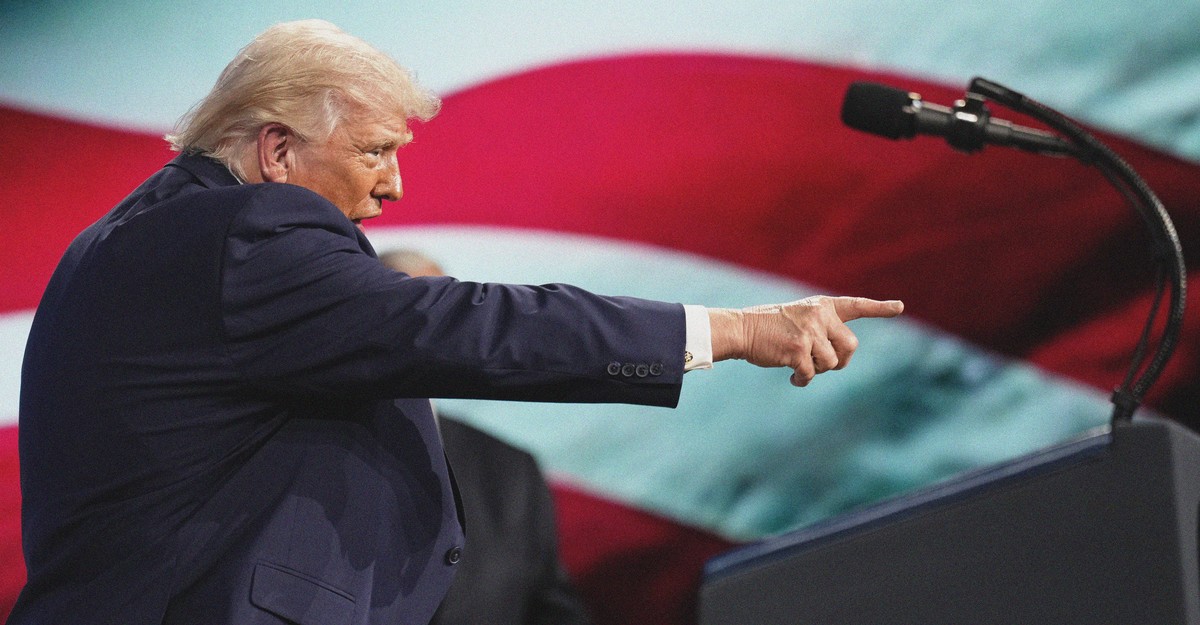
5 days agoTrump vows to 'obliterate' all of Iran's oil wells and energy plants unless Strait of Hormuz is 'immediately' opened; UN peacekeeper killed in Lebanon
Trump threatens to obliterate Iran's energy infrastructure if the Strait of Hormuz is not opened and a deal is not reached.
World news
fromLondon Business News | Londonlovesbusiness.com
5 days agoTrump signals he may seize Iran's Kharg Island in bid for oil - London Business News | Londonlovesbusiness.com
Donald Trump suggested the U.S. could seize Kharg Island, Iran's main oil export hub, raising tensions and fears of a regional confrontation.
World news
fromIrish Independent
5 days agoTrump vows to 'obliterate' all of Iran's oil wells and energy plants unless Strait of Hormuz is 'immediately' opened; UN peacekeeper killed in Lebanon
Trump threatens to obliterate Iran's energy infrastructure if the Strait of Hormuz is not opened and a deal is not reached.
World news
fromLondon Business News | Londonlovesbusiness.com
5 days agoTrump signals he may seize Iran's Kharg Island in bid for oil - London Business News | Londonlovesbusiness.com
Donald Trump suggested the U.S. could seize Kharg Island, Iran's main oil export hub, raising tensions and fears of a regional confrontation.
World politics
fromLondon Business News | Londonlovesbusiness.com
5 days agoWhat does the Middle East conflict mean for gold prices? - London Business News | Londonlovesbusiness.com
Gold's decline is influenced by a stronger dollar and rising oil prices, despite its historical role as a safe haven during uncertainty.
fromwww.dw.com
4 days agoAfter the Iran war, how fast could global trade recover?
The longer this conflict goes on, the more devastating its impact will be on the world's energy supplies, inflation and economic stability. Every extra week of disruption raises costs for consumers and businesses while growth slows.
World news
[ Load more ]