#oil-wealth-inequality
#oil-wealth-inequality
[ follow ]
#oil-prices #iran #strait-of-hormuz #geopolitical-tensions #middle-east-conflict #iran-war #gas-prices #inflation
#iran-war

World politics
fromwww.theguardian.com
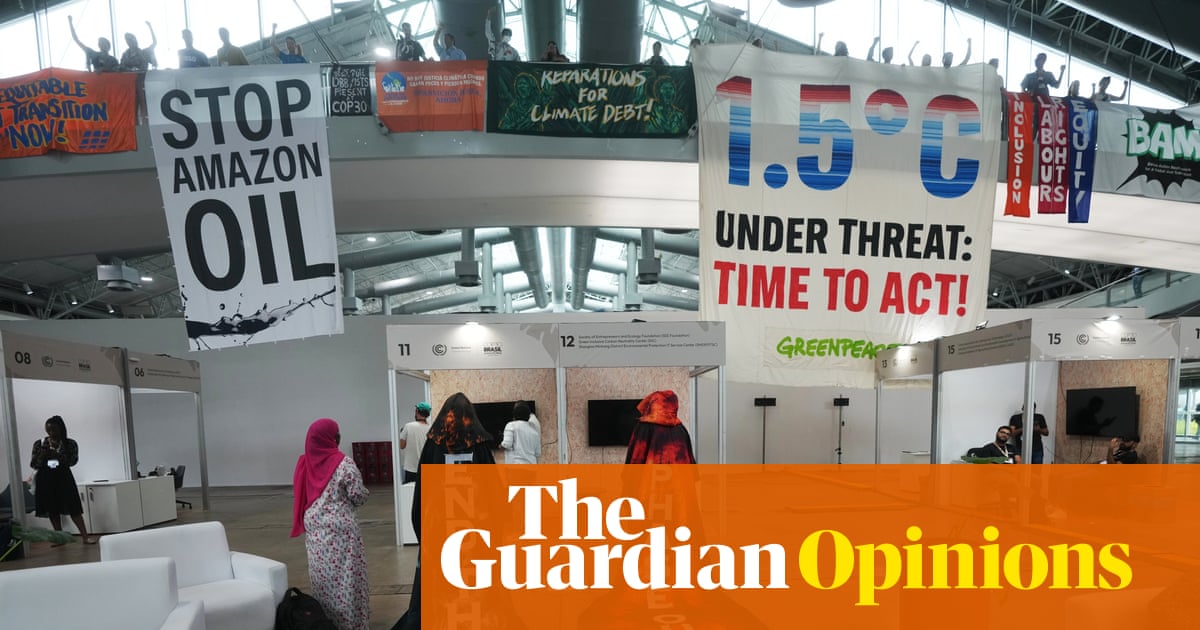
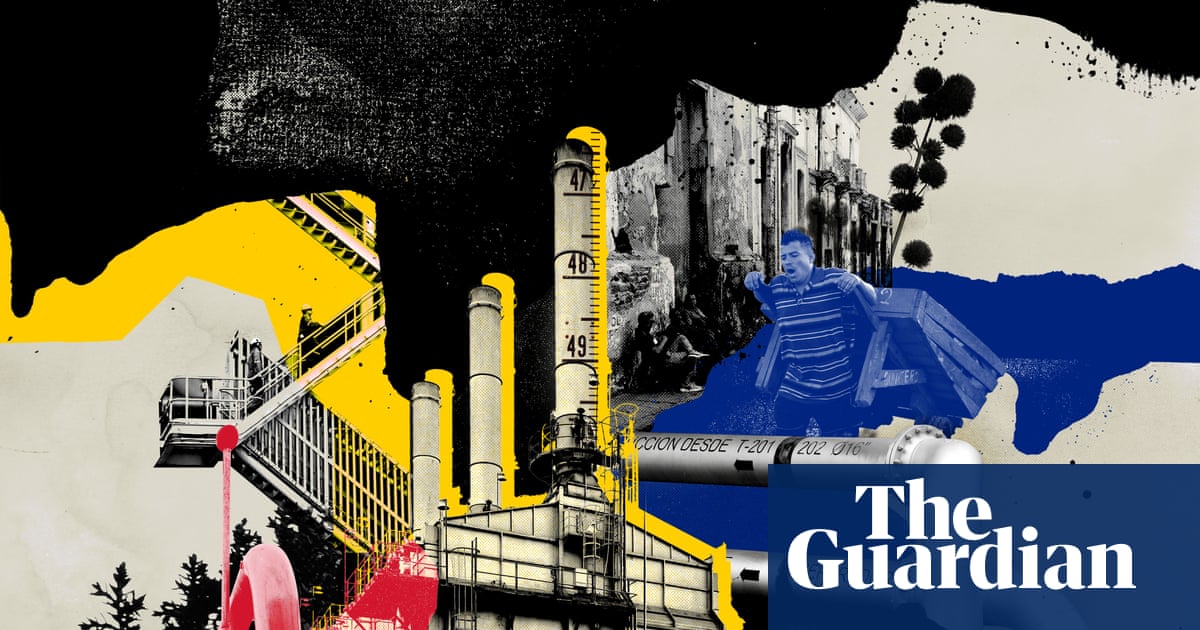
5 hours agoA new economic superpower could spark a global retreat from fossil fuels | Mark Hertsgaard and Kyle Pope
The Iran war exacerbates climate change by increasing fossil fuel reliance and greenhouse gas emissions, highlighting the urgent need for a transition to sustainable energy.
#oil-prices

Europe news
fromwww.theguardian.com
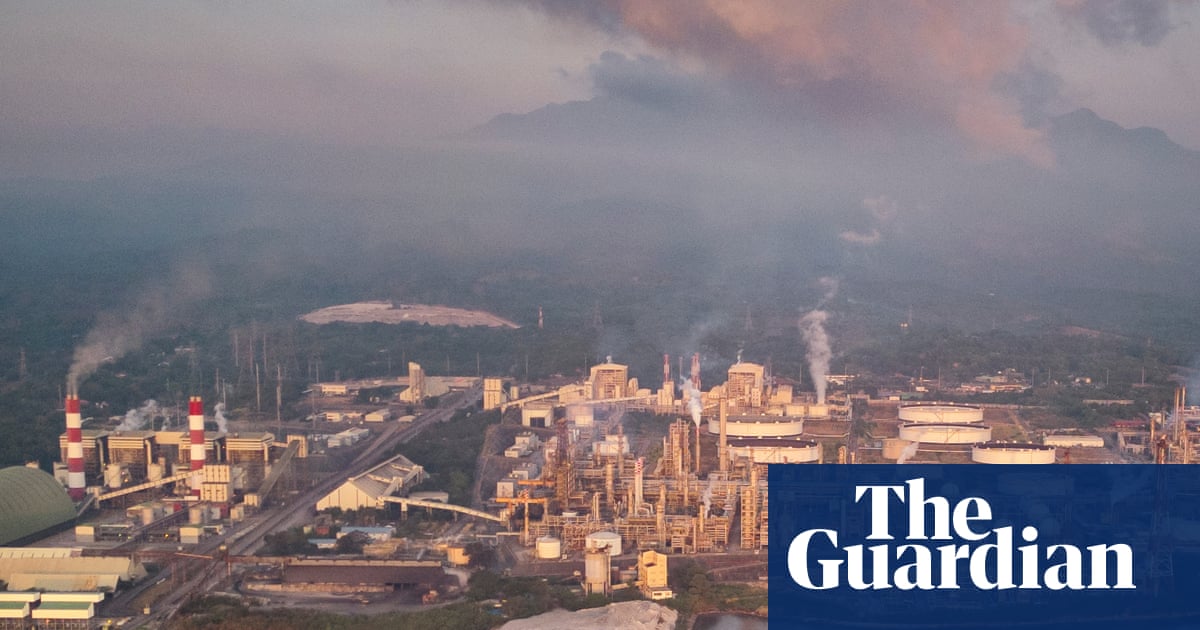
10 hours agoAs Iran war exposes global dependence on fossil fuels, the biggest emitters are reaping the rewards
Global food insecurity is rising due to oil prices and fertilizer shortages, highlighting the dependency on fossil fuels and the shift towards low-carbon futures.
fromSilicon Canals
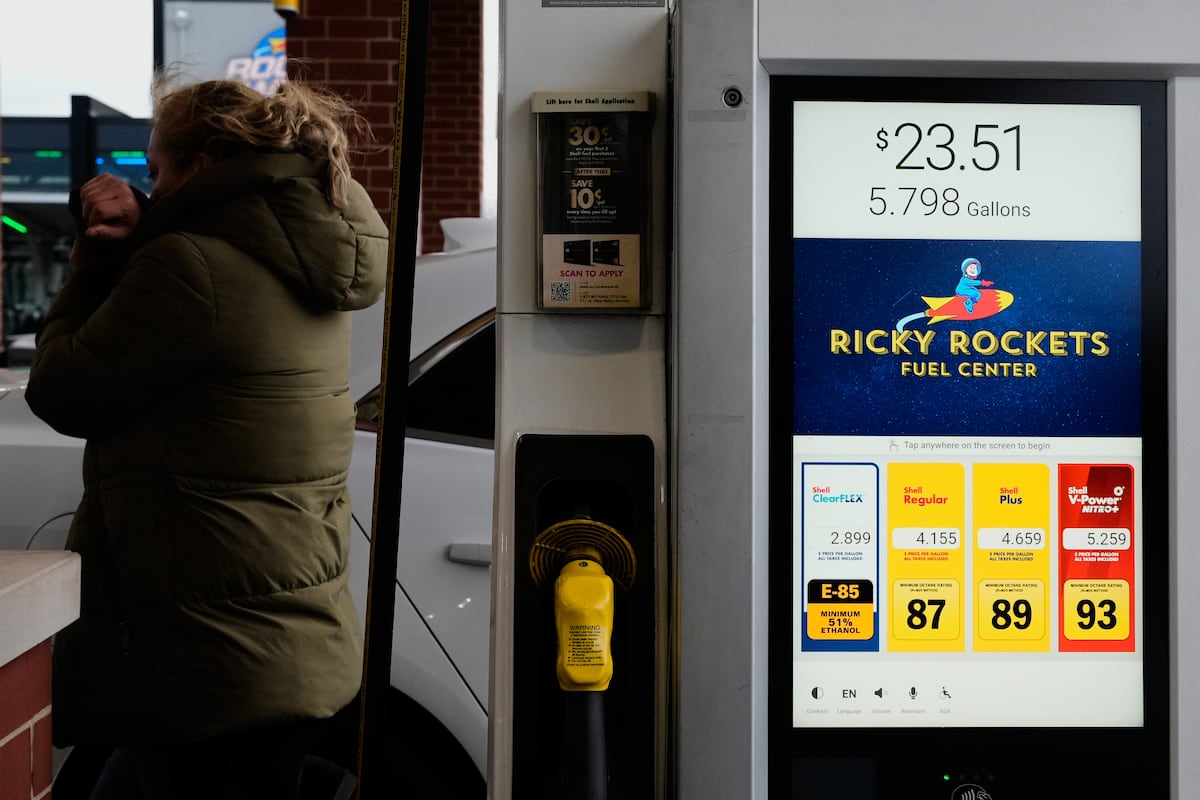
2 days agoThis isn't 2022: Why the Iran oil shock hits a US economy with no SPR buffer and no Fed room - Silicon Canals
The CPI data due this month will be the first hard measure of American consumer prices since the Strait of Hormuz became a conflict zone, and every early signal points to a number that will shock people who stopped paying attention to energy transmission mechanisms after 2022.
US politics
fromFortune
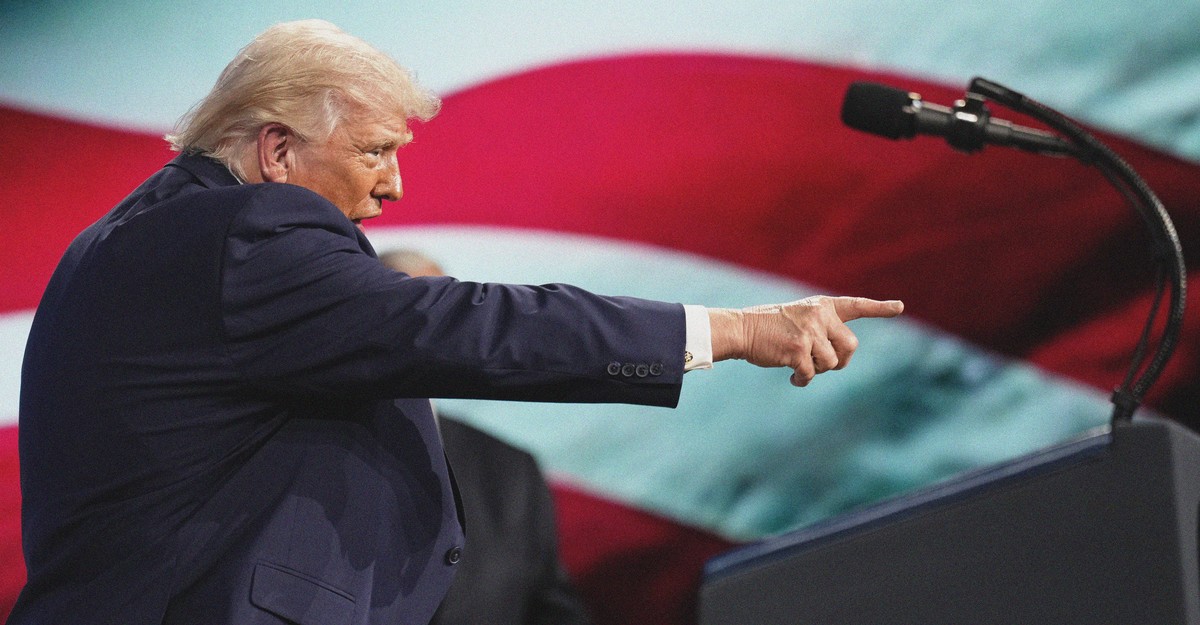
4 days agoCountries are turning to 'structurally more resilient' energy sources as oil and gas crisis deepens, UN renewables chief says | Fortune
"A more decentralized energy system, with a growing share of renewables and more market players, is structurally more resilient. Countries that invested in the energy transition are weathering this crisis with less economic damage, as they boost energy security, resilience and competitiveness."
Environment
fromIrish Independent
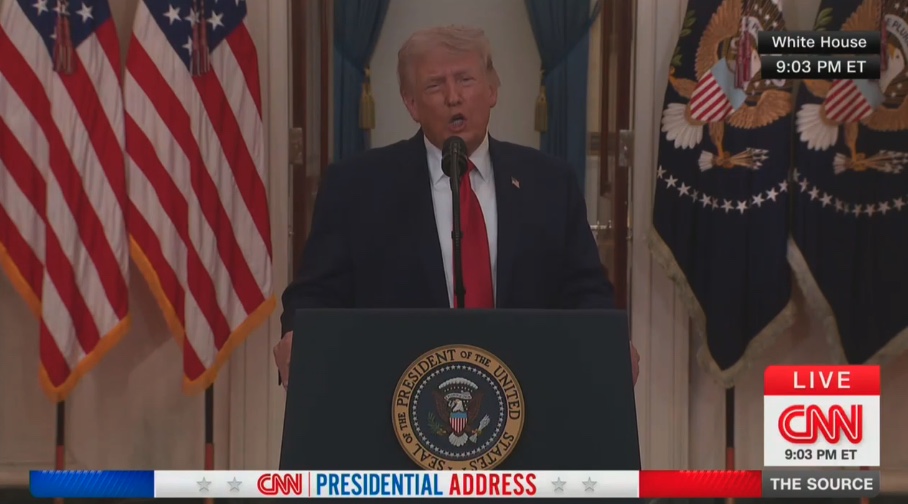
5 days agoHopes dim for swift end to Iran war after Trump's television speech; oil prices surge anew
We, the Ministers of Foreign Affairs of Belgium, Croatia, Estonia, Finland, Iceland, Italy, Ireland, Latvia, Luxembourg, Moldova, Norway, Poland, San Marino, Spain and Sweden, concerned by the conflict in the Middle East, are appalled by the dramatic situation and renewed escalation of violence in Lebanon, where there are already 1.2 million internally displaced persons, representing some 25% of the overall population.
France politics
fromLondon Business News | Londonlovesbusiness.com
1 day agoGeopolitical tensions and energy volatility shape global markets - London Business News | Londonlovesbusiness.com
Major indices, including the Nasdaq Composite, S&P 500, and Dow Jones Industrial Average, all recorded gains, with the Nasdaq delivering its strongest weekly performance since November.
Europe news
Environment
fromwww.theguardian.com
6 days agoAsia ramps up use of dirty fuels to cover energy shortfall triggered by Iran war
Asian governments are increasing coal use to address energy shortages caused by geopolitical conflicts, raising environmental concerns and calls for renewable energy investment.
World politics
fromLondon Business News | Londonlovesbusiness.com
1 day agoWhen monetary policy intersects with Middle East crisis - London Business News | Londonlovesbusiness.com
Monetary policy and geopolitical dynamics are causing significant volatility in the U.S. Dollar Index and Treasury yields, reflecting market corrections rather than structural weaknesses.


fromwww.aljazeera.com
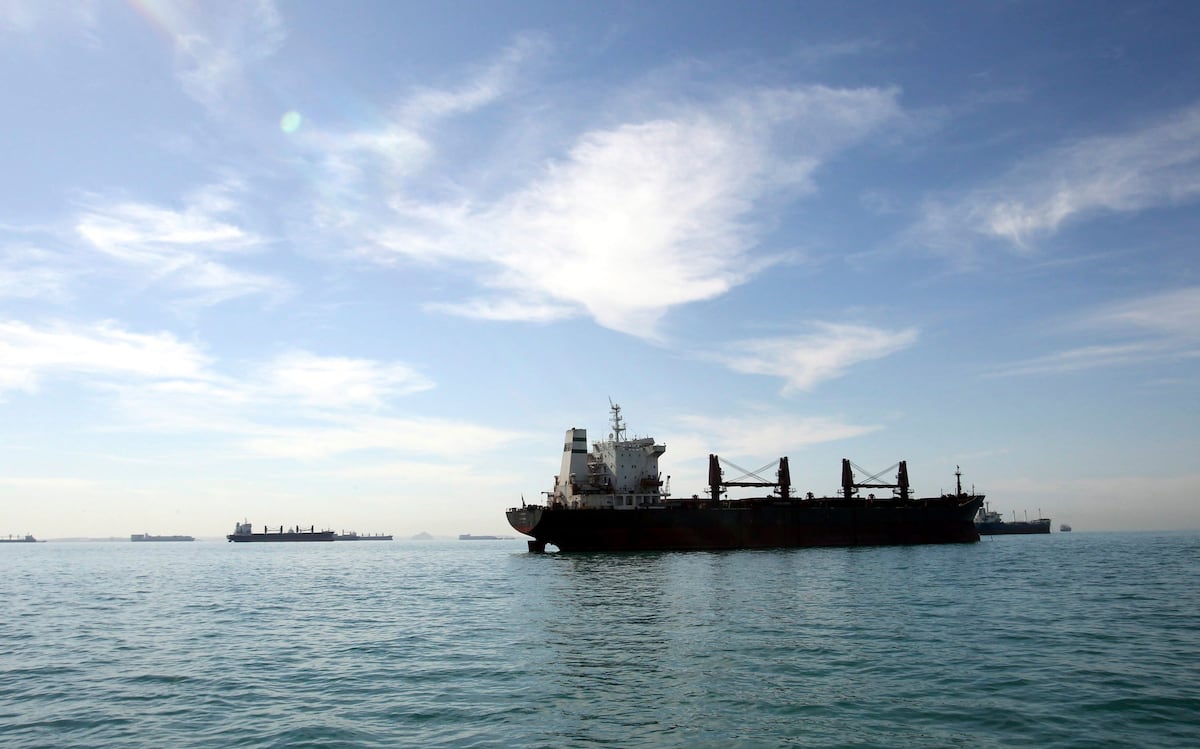
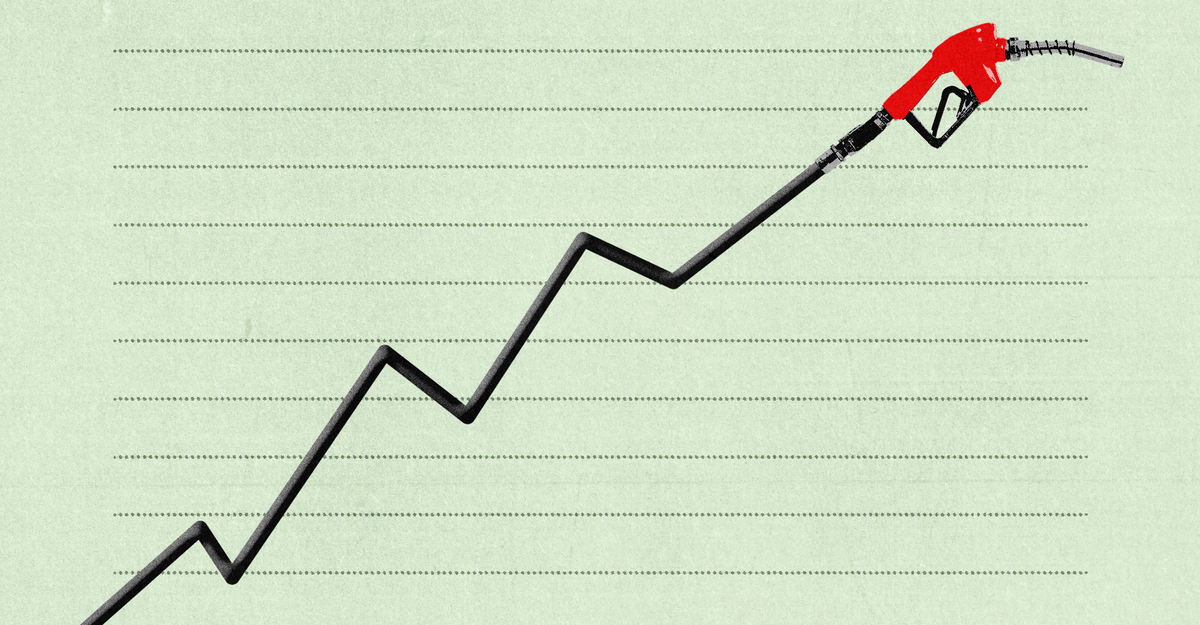
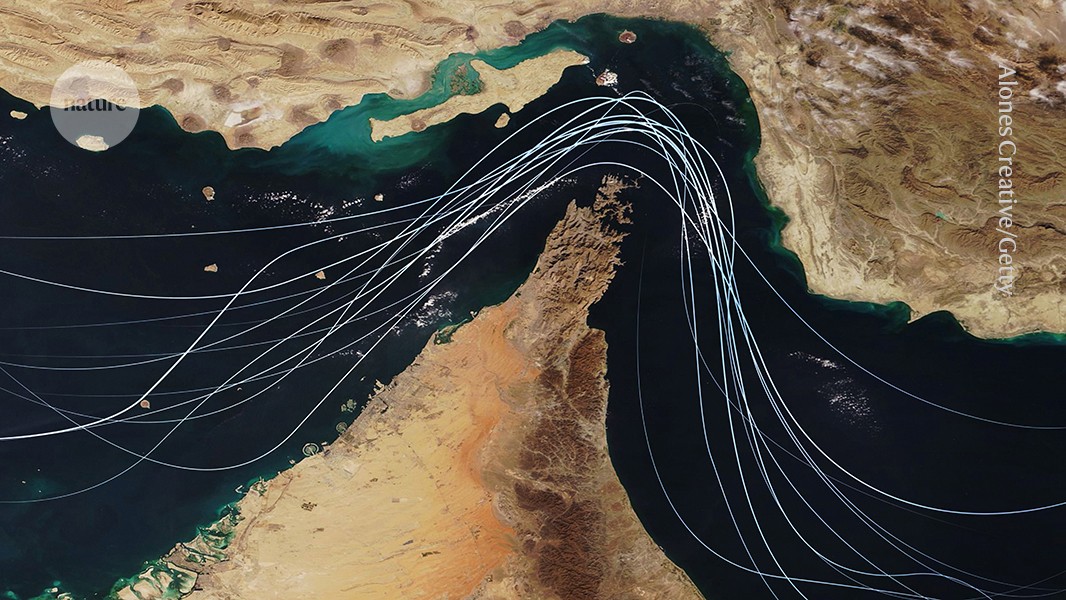
1 day agoOPEC+ agrees to hike oil output, warns of slow recovery after attacks
The war has effectively blocked the Strait of Hormuz, the world's most important oil route, since the end of February and cut exports from OPEC+ members Saudi Arabia, the United Arab Emirates (UAE), Kuwait and Iraq.
World news
Europe news
fromFortune
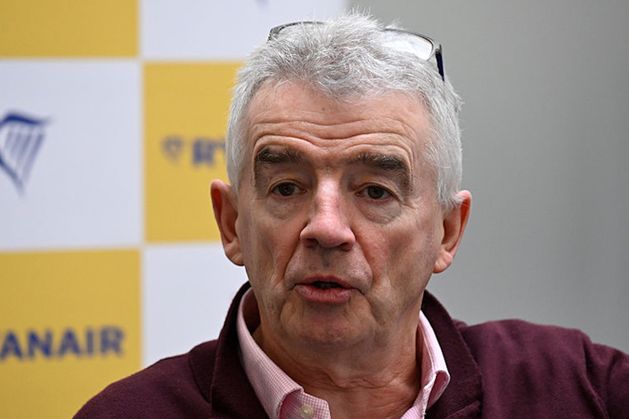
2 days agoEuropean ministers urge EU to impose windfall taxes on energy companies as prices spike 'to ensure that this burden is distributed fairly' | Fortune
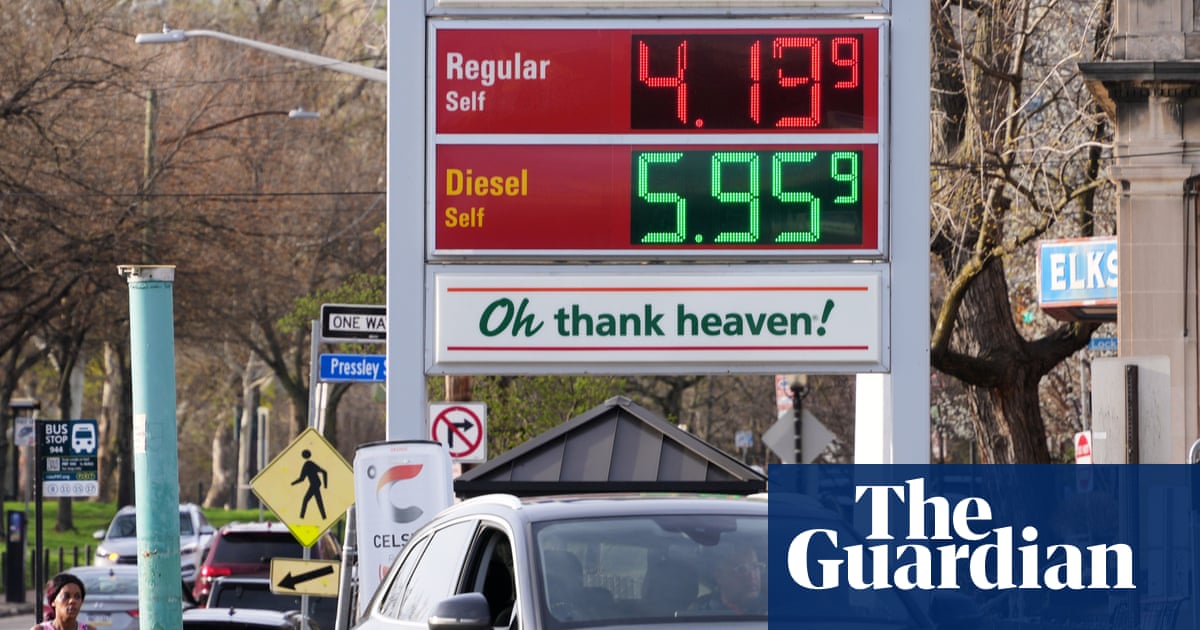
European finance ministers are urging a bloc-wide windfall tax on energy companies to address rising oil and gas prices and inflation concerns.


World politics
fromLondon Business News | Londonlovesbusiness.com
5 days agoCrude oil between geopolitical escalation and dollar pressure - London Business News | Londonlovesbusiness.com
Geopolitical factors and monetary conditions are significantly influencing global oil prices, reflecting uncertainty rather than traditional supply and demand.
fromWIRED
18 hours agoA Single Strike Won't Shut Off the Gulf's Desalination System
"In the Gulf, desalination is built with enough breathing room that losing one plant doesn't immediately show up at the tap," says Rabee Rustum, professor of water and environmental engineering at Heriot-Watt University Dubai.
World news
World news
fromFortune
1 day agoOil climbs and stock futures drop as fuel shortages spread while Trump makes series of apocalyptic threats against Iran ahead of moving deadline | Fortune
Wall Street reacts to ongoing U.S.-Iran conflict with fluctuating stock futures and rising oil prices amid threats from President Trump.
World politics
fromLondon Business News | Londonlovesbusiness.com
1 week agoWhat does the Middle East conflict mean for gold prices? - London Business News | Londonlovesbusiness.com
Gold's decline is influenced by a stronger dollar and rising oil prices, despite its historical role as a safe haven during uncertainty.
fromwww.aljazeera.com
1 week agoHow important are the Gulf economies to the world?
The ongoing conflict between the US and Israel against Iran is creating significant challenges for Gulf Arab nations, which are already feeling the economic strain from rising tensions and instability in the region.
World politics
[ Load more ]