#open-road-tolling
#open-road-tolling
[ follow ]



fromComputerWeekly.com
2 days agoNorth America drives video telematics market to 22 million units by 2030 | Computer Weekly
The integration of cameras to enable various video-based services in commercial vehicle environments has become one of the strongest trends over recent years, in a fleet video telematics sector that is set to grow by 16% globally to 2020.
European startups
fromStreetsblog New York City
2 days ago'Highway Therapy': Lawsuit Reveals Alarming Details Of NYPD's Rampant Car Culture - Streetsblog New York City
"It's sad, really," said Schwartz's lawyer John Scola. "It's just someone who's trying to do his job, and then, because he didn't basically bow down to the egos of Chell and Kaz, his whole life gets uprooted and he has to endure years of hardship, because these people essentially have a bruised ego."
NYC politics
#congestion-pricing


Alternative transportation
fromStreetsblog
1 month agoOpinion: A Fairer - And Better Way - For Taxi Passengers To Pay The Congestion Toll - Streetsblog New York City
Replace flat taxi and Uber surcharges with per-minute fees for trips in the Manhattan congestion zone to improve traffic relief by nearly 20 percent while maintaining revenue neutrality.
New York City
fromwww.amny.com
2 weeks agoCongestion pricing: NYC subways saw millions more riders during Manhattan toll program's first year, transit group finds | amNewYork
New York's congestion pricing program drove a 7.7% increase in subway ridership to 1.3 billion rides in its first year, with over 90 million additional trips compared to the previous year.
NYC politics
fromNewsday
1 month agoCongestion pricing to stay after judge rules against Trump administration
A federal judge blocked the Trump administration's attempt to end New York's congestion pricing program, ruling the decision was arbitrary and capricious, and restored federal approval for the tolling system.
Alternative transportation
fromStreetsblog
1 month agoOpinion: A Fairer - And Better Way - For Taxi Passengers To Pay The Congestion Toll - Streetsblog New York City
Replace flat taxi and Uber surcharges with per-minute fees for trips in the Manhattan congestion zone to improve traffic relief by nearly 20 percent while maintaining revenue neutrality.
fromwww.cbc.ca
3 days agoSeen a tow truck zone expansion sign? Here's what it means | CBC News
The province is expanding its tow truck zones starting April 1 to restrict more sections of Ontario's highways to contracted companies approved by the Ministry of Transportation. This change aims to improve safety and streamline the towing process.
Toronto startup
UK news
fromwww.independent.co.uk
2 weeks agoHigh-tech 4D' speed cameras with no flash to be deployed in London
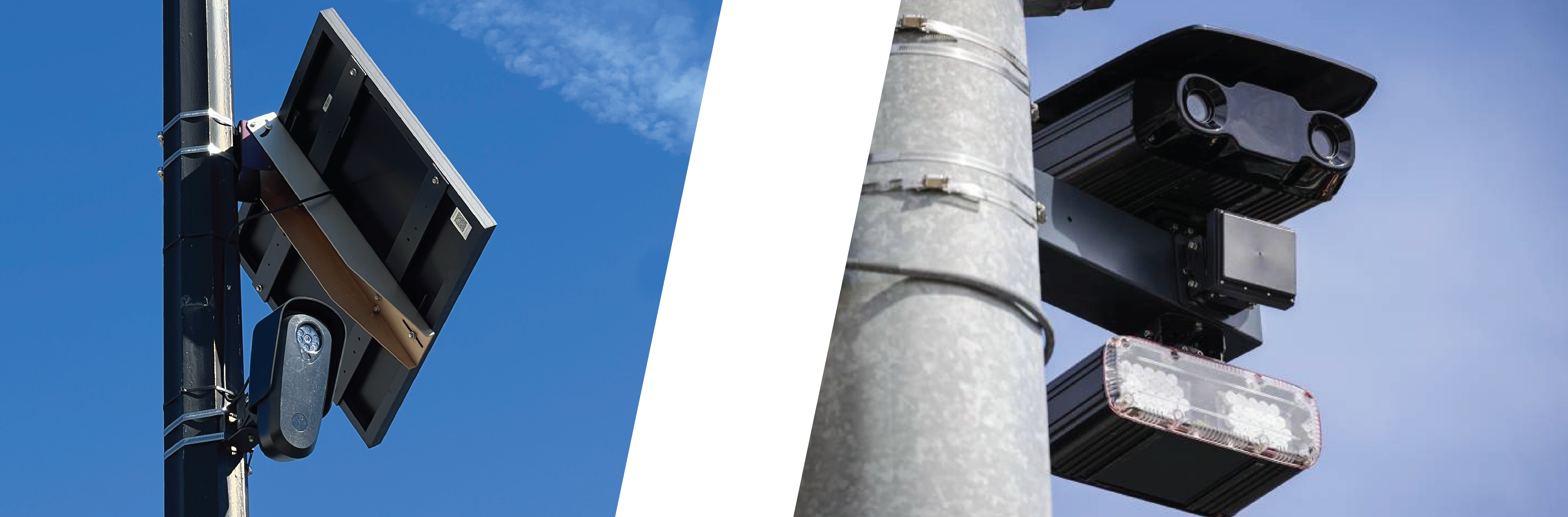
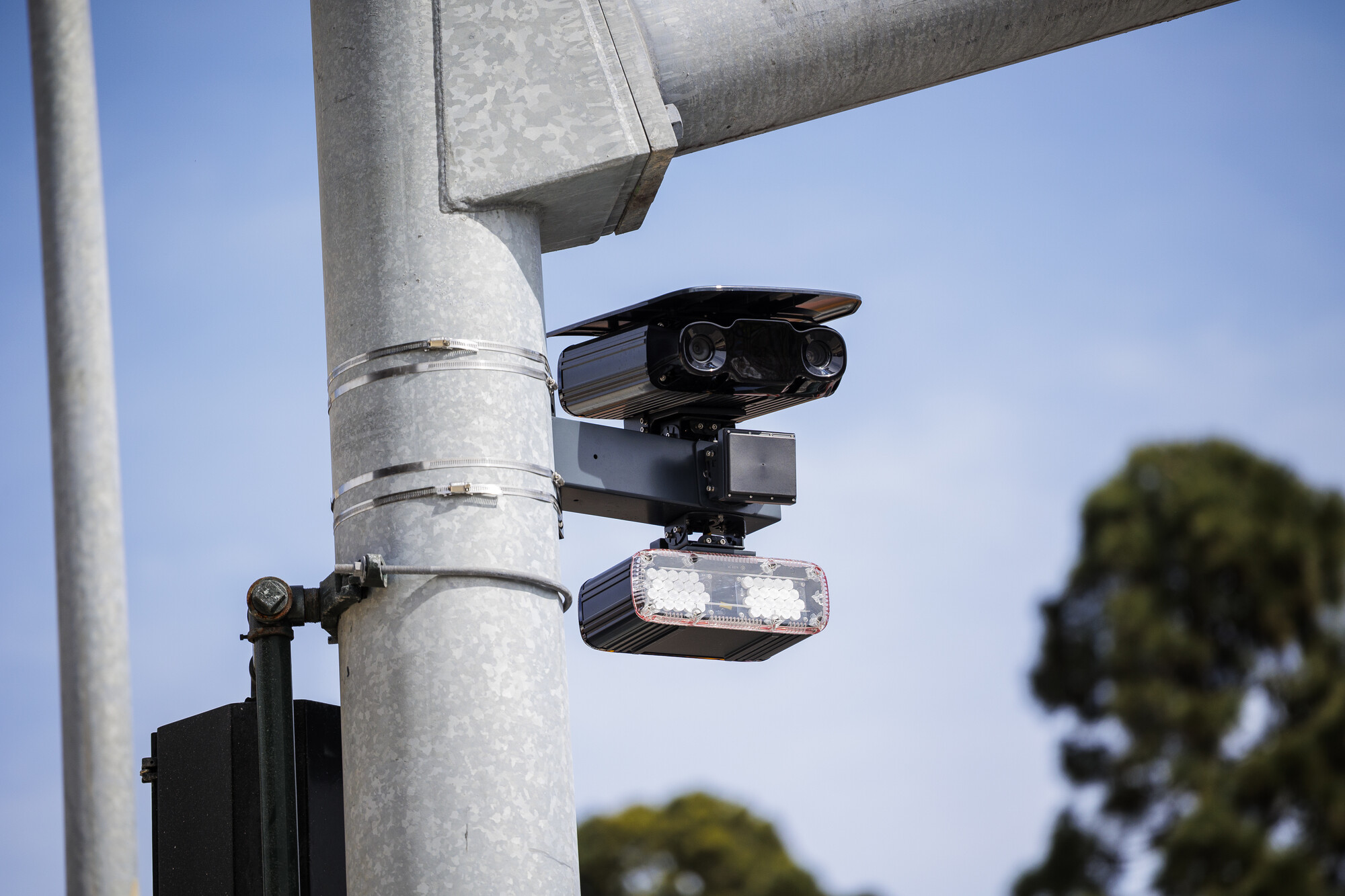
Advanced 4D imaging radar speed cameras will be deployed across nine London locations to reduce road casualties by detecting speeding across five lanes of bi-directional traffic without requiring road markings.
fromwww.businessinsider.com
6 days agoDriverless cars, meet your eye doctor
Kinetic's CEO Nikhil Naikal states, 'We have eyes, and when we need to correct vision, we go to an optometrist... In the same way, this is a digital prescription to correct the errors of the car's understanding of the world around it.'
Cars
#speed-safety-cameras
East Bay (California)
fromABC7 San Francisco
3 weeks agoOakland speed cameras will begin citing drivers; average cost $50 to $500 per citation
Oakland begins enforcing speed safety cameras on Sunday after a warning period, with 35 cameras across 18 locations designed to reduce traffic fatalities from speeding violations.
fromwww.cbc.ca
2 weeks agoNot carpooling? You may soon be able to use HOV lanes anyway in off-peak hours | CBC News
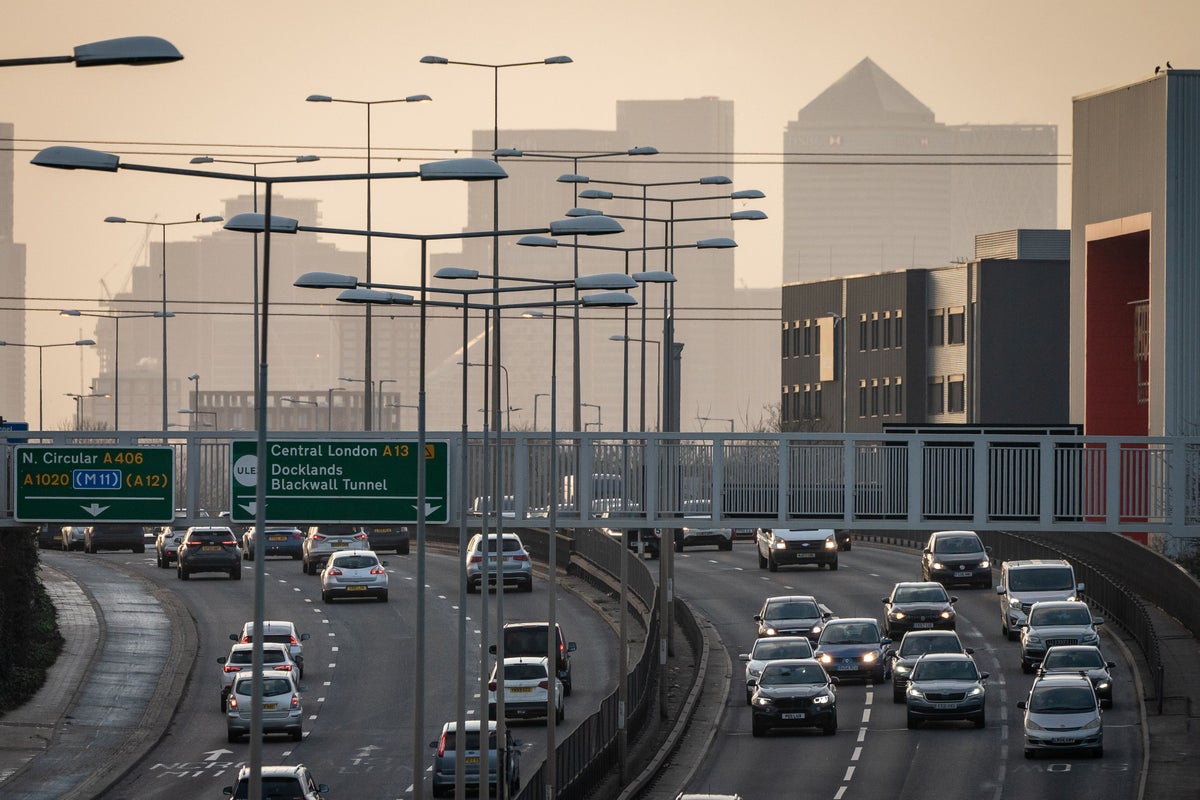
Gridlock is costing our economy billions of dollars every year and robbing Ontario drivers of valuable time and quality of life. He added the changes would help keep drivers moving across the province.
Canada news
US news
fromCbsnews
4 weeks agoNew Jersey wants to replace E-ZPass tags with battery-free stickers. Here's what they look like.
New Jersey is testing battery-free barcode stickers to replace windshield-mounted E-ZPass tags, reducing costs from $4.6 million to under $700,000 annually while improving security and durability.
New York City
fromwww.amny.com
3 weeks agoOp-Ed | It's time to crack down on New York City's toll-dodgers | amNewYork
Toll evasion costs the MTA $50 million annually; proposed legislation would strengthen enforcement against license plate obscuring and persistent violators through confiscation, driving record penalties, and reclassified charges.
fromHoodline
1 month agoNYC ReUps Verra While Temp Tags Evade Camera Tickets
The Department of Transportation has renewed a five-year contract worth about $998 million with Verra Mobility, the company that runs the city's automated enforcement cameras. The deal keeps Verra in charge of red-light, speed, and bus-lane camera programs, even as a long-running loophole leaves cars with temporary tags effectively immune from camera-issued summonses.
Miscellaneous
Boston
fromBoston.com
1 month agoBye-bye transponders: E-ZPass switching to stickers
Massachusetts is transitioning E-ZPass from hard-plastic transponders to free windshield sticker tags using RFID technology, reducing production costs from $6.70 to 55 cents per unit and saving approximately $7.38 million annually.
Gadgets
fromComputerWeekly.com
1 month agoConnectivity, AI drive fleet safety, productivity and decision-making | Computer Weekly
AI, connected data, and safety-focused services are transforming fleet operations, with GPS tracking adoption at record highs and AI delivering measurable safety improvements and cost reductions.
fromFast Company
1 month agoIf technology could bring traffic fatalities down to nearly zero, why not embrace it?
Compact, low-rise villages and cities made sense based on how far people could reasonably travel on foot or by horse. This was true all the way up until the late 1800s. Then came an invention that let people travel incredible distances in seconds, entirely reshaping cities with dense population clusters.
Miscellaneous
Alternative transportation
fromFast Company
3 weeks agoTraffic safety improvements frequently die by popular vote. It's time to stop that
Vision Zero, a Swedish road safety philosophy, proves traffic deaths are preventable through proper street design, enforcement, and awareness, yet Americans resist safety improvements due to normalized traffic violence.
New York City
fromStreetsblog
1 month agoDOT Re-Ups With Speed Camera Operator But Temp Tags Are Still Unticketable - Streetsblog New York City
New York City's speed cameras cannot issue fines to drivers with temporary tags because states don't provide registration information, costing the city tens of millions in lost revenue and compromising public safety.
fromFOX 5 New York
1 month agoE-Z Pass transponders may be replaced with stickers in New Jersey
E-Z Pass' plastic transponders could soon be replaced by stickers equipped with digital chips and barcodes. The change would mean no need to mount your transponder in the perfect spot, or hold it up while passing through toll plazas. First, officials say 3,000 turnpike vehicles will test out the stickers during an 8-week pilot program.
Alternative transportation
frominsideevs.com
1 month agoThis California Garage Parks And Charges Your EV Automatically
The automated parking system uses a robotic arm to plug in a Level 2 charging cable. When the car finishes charging, the robotic arm unplugs the cable, and the EV is moved to another parking spot automatically. About a decade ago, Tesla promised a robotic arm that would automatically plug in an EV for overnight charging. That never happened, but other companies have risen to the challenge and are now offering fully featured products.
Real estate
Brooklyn
fromBrooklyn Paper
2 months agoHochul proposes installing speed-limiting tech in cars of reckless drivers * Brooklyn Paper
New York will pilot vehicle-installed Intelligent Speed Assistance devices to limit serial speeders from exceeding posted speed limits, aiming to reduce crashes and save lives.
fromSustainable Bus
1 month agoEvolution: the practical path to autonomous buses - Sustainable Bus
It's tempting to frame autonomous driving as a single leap. In public transport, adoption tends to be incremental - because the system is built for reliability, and new capabilities have to fit into daily operations without disrupting service. That is why a practical strategy is evolution, not revolution: introduce autonomy in a defined domain, learn safely in real operations, and expand capability step-by-step.
Artificial intelligence

fromBusiness Matters
1 month agoThe impact of road signs on economic development
When routes are well organized, there are clear directional signs, and speed limits become reasonable. The early installation of warning signs allows transport companies to plan deliveries more accurately and avoid delays. For businesses, time is money. When a truck carrying goods does not spend hours detouring due to an unclear traffic scheme or stuck in traffic where it could have been avoided thanks to competent traffic management, fuel costs, driver wages, and vehicle maintenance costs are reduced.
Alternative transportation
fromwww.mercurynews.com
2 months agoNew cameras are designed to catch Oakland's speedy drivers. Can they slow the roads?
OAKLAND The city's transportation director stood Friday morning at a busy Oakland intersection, explaining how newly installed road-safety cameras will work, when suddenly his voice was drowned out by a car roaring down a nearby road. The vehicle, nowhere in sight, was apparently going fast enough that its rattling engine could be heard loudly by those gathered at Broadway and 27th Street, where one of the new cameras is mounted to a street light.
California
Environment
fromStreetsblog
2 months agoFive 'Supercool' Transportation Founders to Watch in 2026 - Streetsblog USA
Transportation start-ups accelerate decarbonization by deploying low-emission mobility options, optimizing vehicle systems, and leveraging market momentum to scale solutions ahead of 2026 policy changes.
fromwww.theguardian.com
1 month agoMost of Britain's smart motorways are poor value for money, official reports find
Official evaluations from National Highways, some of which had been held back by the Department for Transport (DfT) since completion in 2023, showed that a slew of big projects to convert the hard shoulder on the M1, M4, M6 and M25 were rated as poor or very poor value. The AA said the long-awaited reports revealed smart motorways had been a catastrophic waste of time, money and effort, although the government said they showed the project could allow more vehicles to travel safely.
UK politics
Alternative transportation
fromFast Company
1 month agoThe 'time is money' mantra is a terrible starting point for planning and designing infrastructure
Using productivity and time-as-money frameworks to justify transportation planning decisions is economically flawed and oversimplifies the complex nature of traffic congestion and urban mobility.
Artificial intelligence
fromStreetsblog
2 months agoSanta Monica Parking Enforcement Vehicles to Use AI Cameras to Ticket Bike Lane Violations - Streetsblog California
Hayden AI will equip seven Santa Monica parking enforcement vehicles with vision AI to automate detection and enforcement of parking violations, expanding citywide bike-lane monitoring.

fromwww.cbc.ca
2 months agoNo single magic bullet' will fix Toronto's gridlock, new congestion officer says | CBC News
There's no one solution to fix the city's gridlock, Toronto's new chief congestion officer says as he finishes up his first week on the job. Andrew Posluns sat down with CBC Toronto on Friday to discuss the freshly created role, noting there's no magic bullet that will address the city's congestion. There are a lot of factors that feed into congestion, he said. We need to do everything we can in order to be able to mitigate and address the congestion challenges that arise.
Canada news
Artificial intelligence
fromBusiness Matters
2 months agoAI set to 'turbocharge' Britain's road and rail network, says Transport Select Committee chair
AI and digital technologies will transform Britain's road and rail networks, improving maintenance, reliability and supporting economic growth, with cybersecurity safeguards required.
Artificial intelligence
fromeLearning Industry
2 months agoArtificial Intelligence In Transportation Training And Education
AI enables individualized transportation training by evaluating trainee performance, tailoring instruction, simulating real scenarios, and measuring performance for targeted improvement.
fromArs Technica
1 month agoAided by AI, California beach town broadens hunt for bike lane blockers
This spring, a Southern California beach town will become the first city in the country where municipal parking enforcement vehicles will use an AI system looking for potential bike lane violations. Beginning in April, the City of Santa Monica will bring Hayden AI's scanning technology to seven cars in its parking enforcement fleet, expanding beyond similar cameras already mounted on city buses.
Artificial intelligence
[ Load more ]