#open-space-protection
#open-space-protection
[ follow ]
#sustainability #architecture #climate-change #urban-development #new-york-city #environment #urban-planning
#urban-development
Business intelligence
fromLondon Business News | Londonlovesbusiness.com
4 days agoWhy GIS matters in modern infrastructure and urban planning: Building smarter, future-ready cities - London Business News | Londonlovesbusiness.com
GIS is essential for effective urban planning, enabling data-driven decisions that enhance infrastructure and quality of life in rapidly growing cities.
Business intelligence
fromLondon Business News | Londonlovesbusiness.com
4 days agoWhy GIS matters in modern infrastructure and urban planning: Building smarter, future-ready cities - London Business News | Londonlovesbusiness.com
GIS is essential for effective urban planning, enabling data-driven decisions that enhance infrastructure and quality of life in rapidly growing cities.

fromHigh Country News
3 days agoForest Service overhaul sows confusion, concern - High Country News
"Nobody is asking for this. None of the farm groups want this. No one in conservation wants this. Nobody." Robert Bonnie, former Forest Service undersecretary, highlights widespread opposition to the reorganization.
Washington DC
fromNextgov.com
3 days agoCitizen Science Month 2026 is about more than just stargazing
Citizen Science Month is built around a goal of 2.5 million 'Acts of Science,' tying the annual event to America's 250th birthday through a simple but powerful idea: lots of small contributions can add up to something really meaningful.
OMG science
fromFast Company
4 days agoHow Paris redesigned itself to be a city of bikes-not cars
"This project is symbolic of what we've done over the last 12 years, reshaping the streets and the city," Christophe Najovski, the city's deputy mayor in charge of green spaces, stated during the opening ceremony.
Paris food
fromwww.theguardian.com
1 day agoWhy reducing air pollution deaths isn't just about reducing air pollution
Air pollution is the second-largest risk factor for early death globally. Traditionally, our response has focused on reducing the levels of pollution people breathe, but this is only part of the story.
Public health
fromwww.cbc.ca
3 days agoMinister mum on mandatory review of Greenbelt, which is a year overdue | CBC News
The Greenbelt, an over 800,000-hectare ecologically sensitive zone around the Greater Golden Horseshoe, was created in 2005. It provides environmental protection and specifies where development should not occur.
Canada news
fromDefector
2 weeks agoDam It All To Hell | Defector
Hoppers, like Pixar's pre-Disney films, is a delight. The beavers' world is immersive and richly realized, grounded in science but never dry. The plot zigs and zags between moments of absurdity and emotional heft to stirring effect; I cried multiple times, and not just because of the low-hanging fruit of grandma death.
Independent films
fromwww.theguardian.com
2 days agoThe dark side of the balloon boom is it time they were banned?
In 2019, scientists found that balloons eaten by seabirds are more likely to kill them than other kinds of plastic yet they do not seem to have been earmarked in the same way as, for example, plastic straws.
Public health
Design
fromYanko Design - Modern Industrial Design News
3 days agoBiomimetic Architecture Reaches New Heights With This Bird-of-Paradise Yoga Space - Yanko Design
Thilina Liyanage's architecture translates animal gestures into functional designs, exemplified by the Rifle Bird Yogashala inspired by the Victoria's riflebird's courtship display.
Silicon Valley real estate
fromSan Jose Spotlight
2 weeks agoSilicon Valley tax would raise funds to protect open space - San Jose Spotlight
Santa Clara County voters will decide on Measure D in June, a property tax of two cents per square foot to fund open space preservation, wildlife protection, and public access across Silicon Valley foothills and grasslands.
Mindfulness
fromPsychology Today
2 weeks agoYour Brain Needs the Outdoors More Than You Think
Human brains evolved outdoors and require natural environments to function optimally; modern indoor lifestyles cause mental fatigue that nature exposure restores through soft fascination and circadian rhythm regulation.
fromTravel + Leisure
3 weeks agoThis Florida City Just Ranked No. 1 in the World for Its Green Space
The city of Orlando happens to have the most green space per resident than any other major city, according to a new analysis from travel platform BookRetreats. The city, known as The City Beautiful, offers roughly 2,777 square feet of greenery per person. That translates to more than 148 parks, gardens, and recreation areas, according to the study, with plenty of lakes, trails, and botanical gardens to explore.
Travel
Design
fromdesignboom | architecture & design magazine
4 days agoartwork uses floating fabric corridor and bodily movement to visualize climate change
Ryo Yamada's Perception Corridor is an immersive installation in Edinburgh that explores perception and environmental awareness through a 40-meter fabric corridor.
fromwww.bbc.com
1 week agoCampaigners celebrate after new town plans dropped
Campaigner Aysha Hawcutt stated that residents were 'not anti-homes', but believed the Adlington plan was 'the wrong proposal in the wrong place'. She expressed pride in the community's resilience against the development threats.
London politics
Alternative transportation
fromStreetsblog
2 weeks agoWhy Some Congresspeople Want to Go Big on Greenways - Streetsblog USA
The Parks to People Act proposes $300 million in federal funding for walking and biking infrastructure as essential transportation tools, despite political opposition dismissing them as distractions.
fromMail Online
3 days agoBritain has just 20 years to save its wildlife, experts warn
'Our results show that the next 20 years are critical,' lead author Dr Rob Cooke told the Daily Mail. 'By around 2050, we reach a point where the choices we make on emissions and land use will largely determine whether Britain moves towards a much more degraded or a much more nature‑positive future.'
Environment
#urban-ecology
Agriculture
fromdesignboom | architecture & design magazine
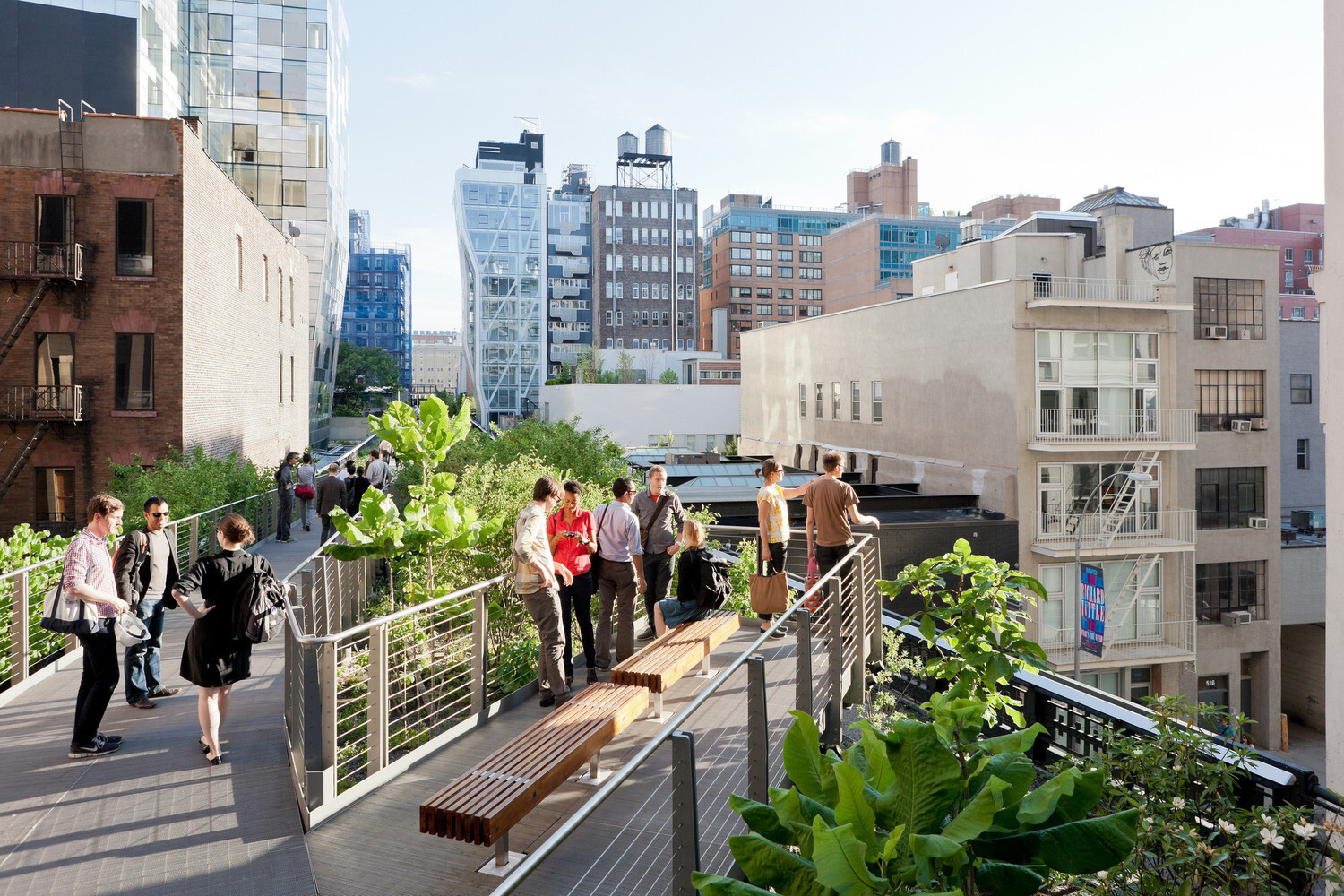
1 week agourban rewilding in practice: restoring london's heathland for humans, sheep, and ecology
Sheep grazing is proposed to regenerate urban heathland ecology, creating a continuous ecological corridor that supports both human and non-human systems.
Agriculture
fromdesignboom | architecture & design magazine
1 week agourban rewilding in practice: restoring london's heathland for humans, sheep, and ecology
Sheep grazing is proposed to regenerate urban heathland ecology, creating a continuous ecological corridor that supports both human and non-human systems.
fromwww.theguardian.com
2 weeks agoSmall changes in how we garden can make a big difference to birds | Letter
Around a third of UK gardeners use pesticides, and our studies found that house sparrow numbers, for example, were nearly 40% lower in gardens where the pesticide metaldehyde was used. By reducing pesticide use, you can actively encourage birds back into your outdoor spaces, as they rely on invertebrates such as slugs and snails as natural prey.
Pets
Miscellaneous
fromArchDaily
1 month ago7 Unbuilt Masterplans Reimagining Urban Futures Through Ecology and Collective Space
Unbuilt urban masterplans explore adaptive spatial frameworks that recalibrate mobility, ecology, and collective life through climate-responsive design and public space integration across diverse global contexts.
Environment
fromwww.theguardian.com
2 weeks agoEngland should give over 7% of land to nature and renewables to meet environmental targets, data shows
England must allocate 7% of its land to nature, forests, and renewable energy to meet environmental targets while maintaining food production and housing capacity.
Real estate
fromwww.theguardian.com
2 months agoGreen spaces should be the norm for all new housing developments in England, guidelines say
New government guidelines recommend mixed-use, heritage-preserving, nature-inclusive neighbourhood developments with shops, schools, green spaces and flood protection as standard for new housing developments.
fromwww.dw.com
2 months agoThe city that swapped parking for green space
Though they're individually tiny, parking spots quietly play a dominant role in shaping urban landscapes. Most US cities dedicate at least 25% of their developable land to them. Some, even more. That land usage doesn't only determine the way a city looks. It also means covering large swathes of urban areas in heat-absorbing asphalt, which contributes to making summers hotter and heightens the risk of flooding since it prevents drainage during storms and heavy rainfall.
Miscellaneous
fromwww.theguardian.com
1 month agoAnalysis finds urban areas in England where no one lives within 15-minute walk of nature
While the data shows 80% of people live within walking distance of green or blue spaces such as a river, park or woodland, it also reveals a disparity between rural and poorer urban areas. In some areas of local authorities, fewer than 20% of residents live close to these spaces, according to data released by the Department for Environment, Food and Rural Affairs on Wednesday.
Environment
fromArchDaily
2 months agoDesigning Streets Through the Lens of Care
Jane Jacobs was also one of the voices that challenged this predominantly rationalist logic, arguing that truly vibrant streets are those capable of sustaining the diversity of everyday life, its informal exchanges, and the forms of care and natural surveillance that emerge from them. What these authors share is a fundamental insight: streets are not merely infrastructures for circulation, but social ecosystems, shaped by the relationships, uses, and encounters that take place within them.
Design
fromwww.dw.com
2 months agoThe business of saving nature
The world spends 30 times more money destroying nature than protecting it. That's according to a new report from the United Nations Environment Programme (UNEP) that exposes a massive gulf between so-called "harmful investments" and financing that promotes nature preservation. The global environment agency's latest "State of Finance for Nature" (SNF) report is calling to phase out the US$7.3 trillion (6.2 trillion) in global investments that damage nature including into high-emissions energy infrastructure and manufacturing, for example.
Environment
fromStreetsblog
3 months agoOpinion: Why Urbanists Should Support Plant-Forward Policies - Streetsblog USA
It shows up three times a day, on your plate. The U.S. spends over $30 billion annually on agricultural subsidies. Most support corn and soy, crops that become livestock feed, not food for people. U.S. meat is artificially cheap, which has locked us into a high-emissions food system. It's the highway funding of food: a policy choice that induces demand and reinforces path dependency.
Environment
[ Load more ]