#organic-sales-decline
#organic-sales-decline
[ follow ]
#sustainability #consumer-behavior #grocery-shopping #whole-foods #healthy-eating #inflation #retail-expansion
fromTasting Table
12 hours agoWhy Boomers Tend To Save More Money On Groceries - Tasting Table
Boomers are far more likely than any other group to be aware of price increases. When prices go up, they cut back on non-essential items and avoid impulse buys, with just 53% succumbing to them.
Fashion & style
fromBusiness Matters
17 hours agoAmazon bets on Whole Foods to salvage its troubled UK grocery ambitions
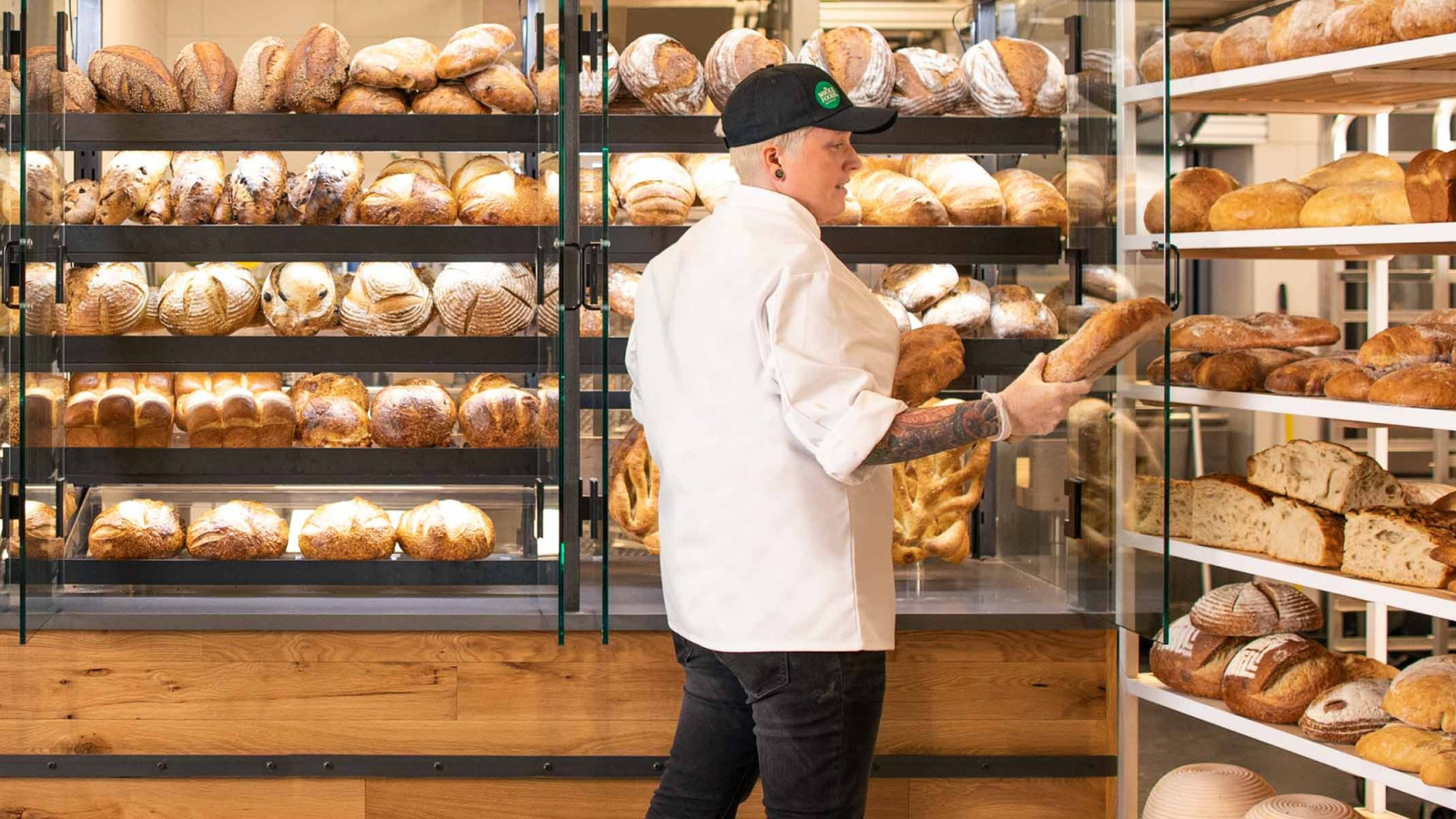
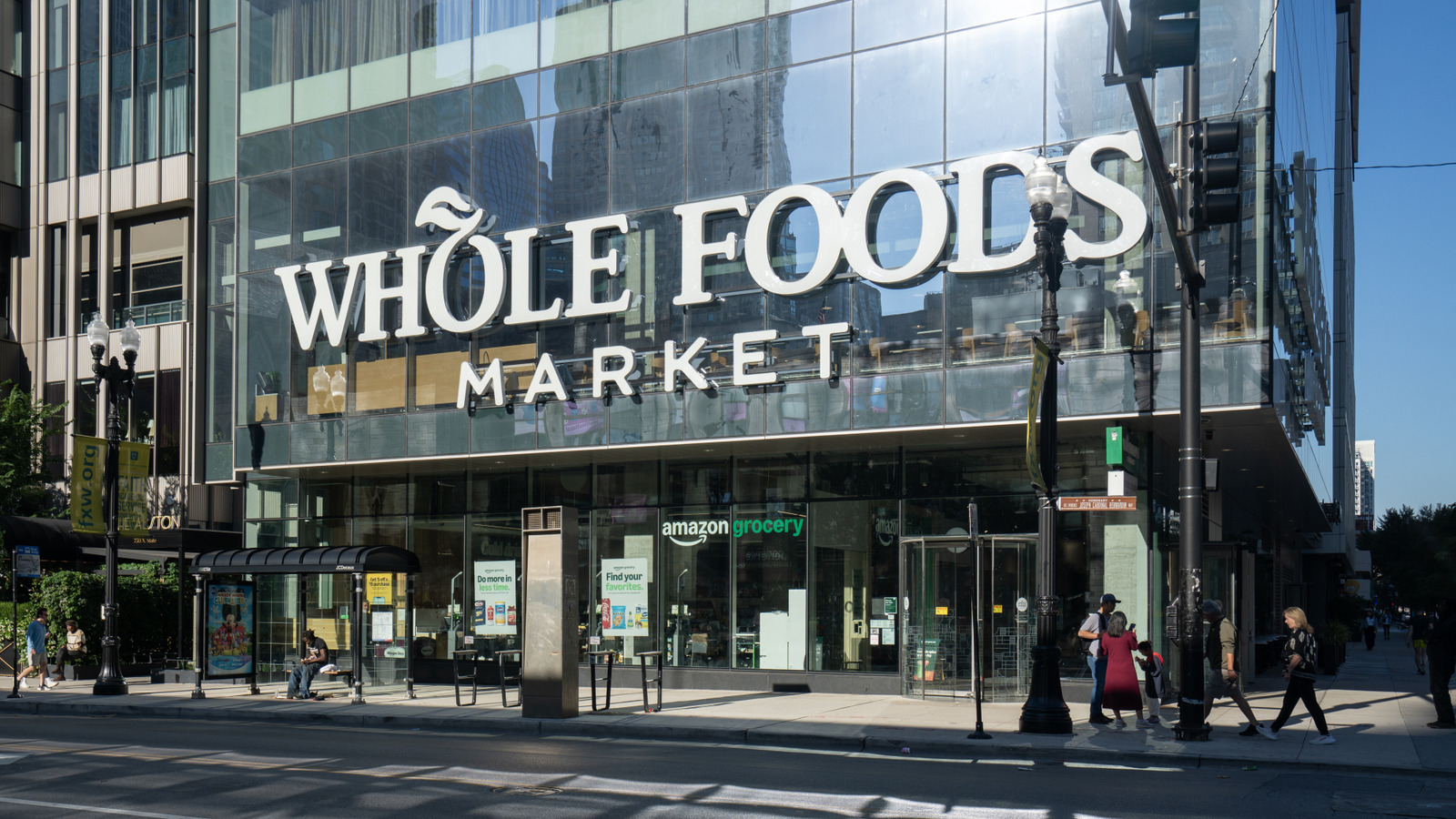
Whole Foods has endured a bruising time on this side of the Atlantic since entering the British market in 2004. Turnover at its UK arm fell seven per cent to £86.4 million in the year to December 2024, while pre-tax losses hit £20 million.
London food
fromArchitectural Digest
2 days agoI'm Done Sourcing So Much Online. Here's Why
The convenience of sourcing online is fraught with more pitfalls than most of us want to admit. Try finding adequate photos of a vintage piece's condition-close-ups of the fabric, video of damaged areas, any images of a piece's rear or underside!
UX design

Coffee
fromDaily Coffee News by Roast Magazine
4 days agoMajor Traders Agree on Two 'Principles of Procurement' to Improve Coffee Sector Sustainability
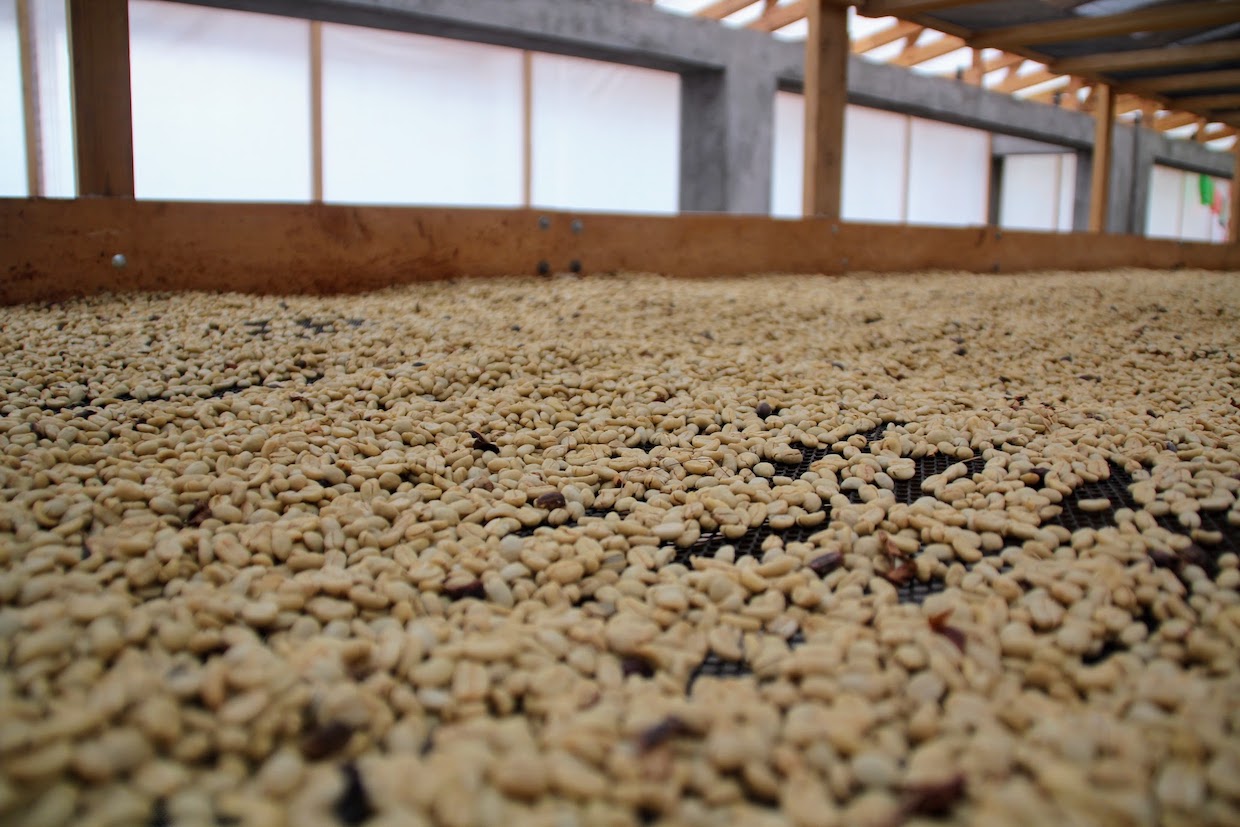
Major coffee traders and roasters have established principles to enhance the economic viability of coffee farmers through strategic partnerships and sustainable production support.
#sustainability


Online Community Development
fromDaily Coffee News by Roast Magazine
1 week agoStudy: Social Enterprises Beat Corporate Sustainability in Farmer Well-Being
Social enterprises significantly enhance farmer well-being compared to traditional corporate sustainability programs and cooperatives in the coffee and cocoa sectors.
fromSFGATE
3 weeks agoSan Francisco is losing another major grocery store
Closing a store is not a decision we take lightly, but this store has had performance issues for an extended period of time. We have worked to enhance and remodel the location, but it has not shown the sales and profit needed to continue operations. In fact, despite the best efforts of a great team, we have lost money year over year at this location.
San Francisco
Berlin food
fromTasting Table
2 weeks agoBuying Leafy Greens In Bulk? Here's How Long They Really Last - Tasting Table
Bagged leafy greens last 4-5 days unopened or 2 days after opening, while loose greens last up to 10 days; proper storage in airtight containers with paper towels in the crisper drawer preserves freshness.
fromwww.bbc.com
3 weeks agoA small US grocer is calling out the lower prices at big chains
He says he paid roughly $5 to his distributor to get the pack of Honey Bunches of Oats onto the shelf. But his much larger rivals, the big US supermarket chains, can sell that same box for around $5 - essentially, the price he has to pay wholesale. That dynamic makes it "impossible for us to compete."
NYC politics
Fashion & style
fromEntrepreneur
2 weeks agoYour 'Organic' TShirt Still Hurts the Planet More Than You Think
Organic and sustainable fashion brands undermine their environmental messaging by packaging products in excessive single-use plastic, contradicting their eco-friendly positioning and contributing significantly to global plastic waste.
Everyday cooking
fromTasting Table
3 weeks agoWhy You'll Probably Want To Avoid This Popular Type Of Meat At The Grocery Store - Tasting Table
Pre-marinated packaged meats compromise texture and contain excessive sodium and phosphates, making homemade marinades a healthier alternative despite requiring more time.
Public health
fromEurasia Review
3 weeks agoDigital Transformation Of Food Retail Is Reshaping Food Access For Consumers
Digital retail transformation reshapes food access through online platforms and AI, creating both health promotion opportunities and risks of targeted unhealthy food marketing to vulnerable populations.
Marketing tech
fromAol
3 weeks agoGrove Collaborative (GROV) Earnings Transcript
Grove Collaborative experienced significant 2025 churn from e-commerce platform disruptions, with DTC orders down 25% and active customers declining 13%, positioning 2026 as a rebuilding year focused on retention and momentum recovery.
Silicon Valley food
fromTasting Table
2 weeks agoHow Grocery Outlet's Food Gets Onto Its Shelves - Tasting Table
Grocery Outlet achieves extreme discounts by buying excess inventory and overstock from other retailers at steep markdowns, operating as a food outlet store rather than a traditional discount supermarket.
Berlin food
fromTasting Table
1 month agoAldi Vs Trader Joe's: Get A Week's Worth Of Groceries For Less At This Chain - Tasting Table
Aldi offers lower prices than Trader Joe's on grocery staples due to limited SKUs, private-label focus, and minimal advertising, making it the better choice for budget-conscious shoppers in 2026.
Agriculture
fromTasting Table
2 weeks agoFlorida Oranges Are On The Decline In 2026 - Why You Might Not See Them At The Grocery Store - Tasting Table
Florida's orange production has collapsed from 70% of U.S. supply to historic lows due to hurricanes, farmland reduction, and citrus greening disease, forcing consumers to rely on California oranges.
Business
from24/7 Wall St.
1 month agoThe Founder Is Back at Simply Good Foods and Sentiment Is Already Shifting
Simply Good Foods stock fell 54% in one year, but retail sentiment turned bullish after founder Joe Scalzo returned as CEO, driven by insider buying and the narrative of a potential turnaround.
fromBusiness Insider
1 month agoWhy plant-based meats are still expensive
In 2019, the plant-based meat industry experienced explosive growth. Investors poured hundreds of millions of dollars into companies like Beyond Meat and Impossible Foods. Fast-food giants like McDonald's and Burger King rolled out plant-based burgers nationwide. Even celebrities like Snoop Dogg and Katy Perry backed the movement.
Food & drink
Silicon Valley food
fromSFGATE
3 weeks agoSilicon Valley town to open new Whole Foods almost twice as big as its original
A new 40,039-square-foot Whole Foods is opening April 15 in Los Gatos, nearly double the size of the existing store it replaces, redeveloping a long-vacant property and addressing the town's outgrown grocery needs.
Agriculture
fromTasting Table
3 weeks agoFan Of Wild Blueberries? Why 2026 Might Be An Unlucky Year For You - Tasting Table
Maine's severe drought in 2025 and continuing drought conditions in 2026 are reducing wild blueberry yields and supply, making them harder to find and more expensive in grocery stores.
fromLos Angeles Times
3 weeks agoBeyond Meat drops 'Meat' from name
We are not moving away from making plant-based meat. This is a strategic expansion of our portfolio into additional protein categories. We start at the farm with clean and simple, non-GMO ingredients like yellow peas, red lentils and faba beans. We love clean protein and fiber.
Silicon Valley food
Food & drink
fromFast Company
1 month agoWhy are Europeans eating more plant-based meat than Americans? It's not why you think
Major European and UK supermarkets are deliberately shifting shoppers toward plant-based proteins, driving strong private-label sales and reducing food-related carbon footprints.
fromDaily Coffee News by Roast Magazine
1 month agoReport: Sustainability Must Be Embedded Into Core Buying Practices to Drive Change
"Ironically, many if not most of these 'sustainability' projects remain disassociated from companies' core procurement strategies, meaning the coffee produced from these projects is not necessarily bought by the companies involved, or only in minimal quantities," the paper states. "And for the coffee that is purchased, prices do not factor into the project design, despite the fact that price is the single variable impacting farmer income that is in the direct control of companies."
Coffee
fromwww.theguardian.com
2 months agoHumanity's favourite food': how to end the livestock industry but keep eating meat
For someone aiming to end the global livestock industry, Bruce Friedrich begins his new book called Meat in disarming fashion: I'm not here to tell anyone what to eat. You won't find vegetarian or vegan recipes in this book, and you won't find a single sentence attempting to convince you to eat differently. This book isn't about policing your plate.
Environment
fromTasting Table
1 month agoThese 9 Grocery Items Might Be More Difficult To Find In 2026 - Tasting Table
Many of us take the simple, everyday task of grocery shopping for granted. You walk through the doors, grab a cart, throw in the things you need, pay the (ever-increasing) bill, and then go on your way. In theory, it should be simple. But actually, grocery shopping can be challenging, especially when the things you need aren't on the shelves.
Agriculture
fromwww.theguardian.com
1 month agoEye-watering numbers': food producers sound alarm on rise in energy charges
Outside, it's an overcast and blustery February day in Kent hardly the ideal conditions for growing tomatoes, cucumbers and peppers. Yet inside the enormous glasshouses run by grower Thanet Earth, the climate has been optimised to a humid 20C, perfect for the regimented rows of small pepper plants poking out of raised trays. Growing fresh produce indoors in the south of England year-round requires plenty of energy to provide light, warmth and carbon dioxide.
Agriculture
fromTasting Table
2 months agoThe 5 Grocery Stores With The Best Selection Of Produce - Tasting Table
Grocery stores that offer the best produce know it's crucial to nail a few key factors. First, produce needs to be fresh - that feeling when you get home and open a packet of cucumbers only to find that they're soggy and covered in slime is not a good one. Second, fruits and vegetables need to be priced right. While shoppers can expect to pay a premium of about 50 percent more for organically grown vegetables, anything more than that starts to feel unreasonable.
Food & drink
fromwww.theguardian.com
1 month agoWe're not hippies': why these Iowa farmers swapped pigs for mushrooms
My older brother has worked with pigs his entire adult life, managing about 70,000 of them across five counties, Faaborg says. But we got to a point where he went from laughing at me to saying: well, I guess maybe I'll quit my job and help you out. Now he's the most dedicated, says Katherine Jernigan, director of the Transfarmation Project at Mercy for Animals, a non-profit that helped the Faaborgs make the switch and set up their new business, 1100 Farm.
Agriculture
fromTasting Table
2 months ago4 Big Grocery Trends To Know For 2026, From Baldor Specialty Foods - Tasting Table
According to Mark Pastore, Baldor's Vice President of Business Development, predicted trends for 2026 "reflect how the industry is adapting to real constraints like labor, cost, and efficiency, while still delivering craveable, flavor-forward experiences." He suggests that we're trying to create more with less, as grocery bills continue to increase, but we don't want to sacrifice flavor and comfort food.
fromRealagriculture
2 months agoWhat sets successful farm transitions apart?
Based on years of post-transition reviews, MNP has identified seven traits common to successful farm families, MacLean says. First, they start early. Early planning allows flexibility and time to work through the tough stuff. Clear, respectful communication is the second trait - and it's essential. Families who talk openly and establish expectations avoid the dangerous territory of unspoken assumptions. Farms that navigate the process well have a shared vision.
Agriculture
[ Load more ]