#paid-feature
#paid-feature
[ follow ]
#social-media #meta #instagram #customer-experience #subscription #marketing #advertising #pricing-strategy


#youtube-premium
Digital life
fromZDNET
3 weeks agoYouTube Premium vs. YouTube Premium Lite: Are the upgrades worth the $6 difference?
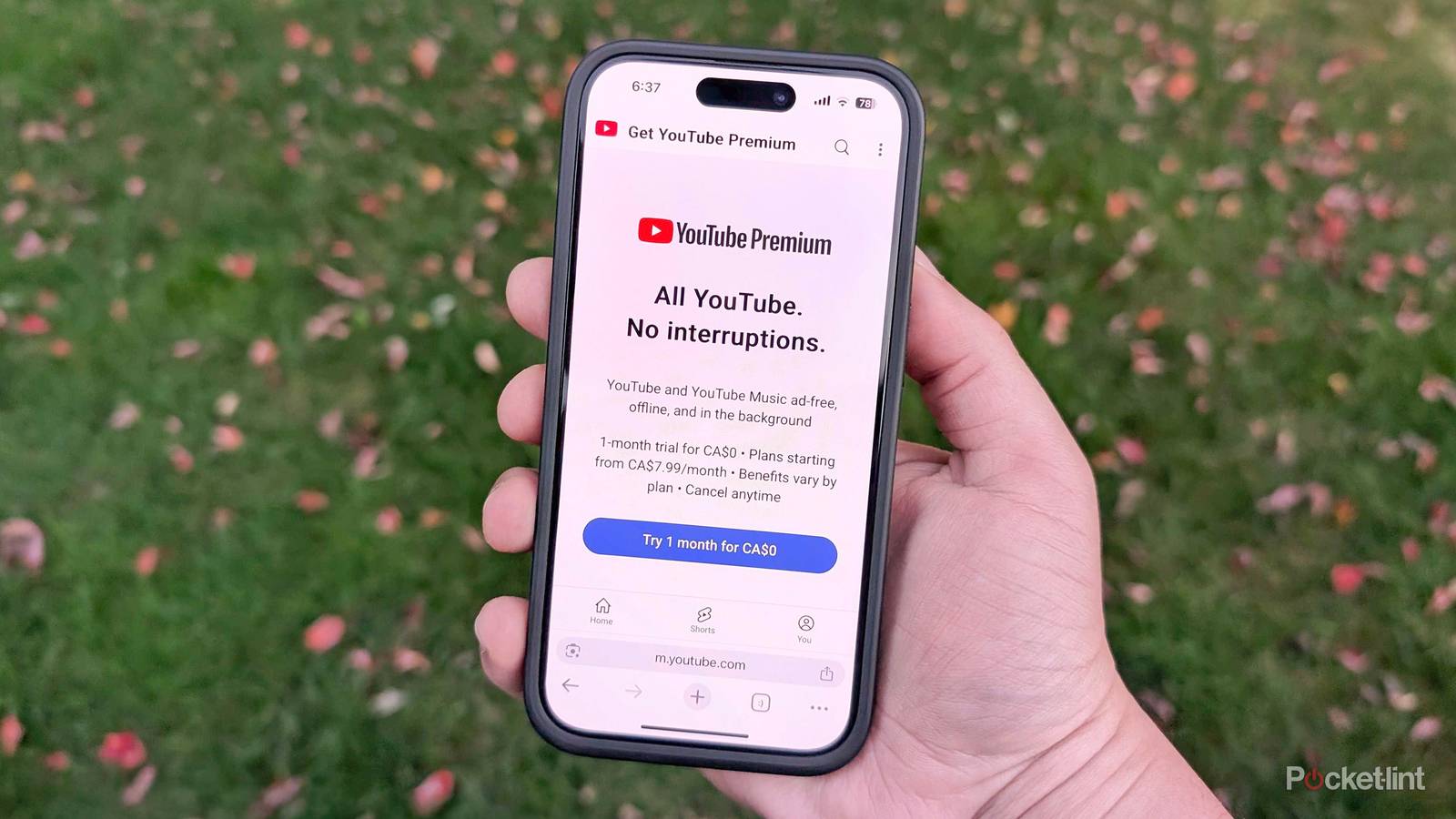
YouTube Premium ($14/month) offers ad-free viewing and YouTube Music bundling, while YouTube Premium Lite provides limited ads and picture-in-picture at lower cost for budget-conscious users.
Digital life
fromZDNET
3 weeks agoYouTube Premium vs. YouTube Premium Lite: Are the upgrades worth the $6 difference?
YouTube Premium ($14/month) offers ad-free viewing and YouTube Music bundling, while YouTube Premium Lite provides limited ads and picture-in-picture at lower cost for budget-conscious users.


Online marketing
fromSitePoint Forums | Web Development & Design Community
2 weeks agoBeen quietly charging clients $100/mo for something that costs me almost nothing and I'm surprised more devs aren't doing this
A 20-year-old web developer monetizes post-launch client support by offering AI-powered call handling and inquiry management as a €100/month recurring service to 32 clients.
fromGSMArena.com
4 weeks agoWhatsApp is allegedly launching a subscription service
WhatsApp is now rumored to be soon introducing a premium tier. This will be called WhatsApp Plus. It's said to offer several additional customization options to change the app theme, app icon, and accent colors, including 14 new icons and multiple color choices and interface elements.
Mobile UX
Marketing
fromAdExchanger
2 weeks agoGen AI's Empty Calories; WaPo Subs Pay What The Algorithm Says | AdExchanger
Food and beverage brands increasingly use AI-generated video despite quality concerns and consumer backlash, while media companies like BuzzFeed struggle with unsustainable cost structures from previous investment eras.
Marketing tech
fromThe Hollywood Reporter
4 days agoGlobal Streaming Subscription Revenue Tripled In Five Years, Poised to Top $200 Billion by 2030
Global streaming subscription revenue surpassed $150 billion in 2025, with projections of $202 billion by 2030 due to price increases and ad-supported tiers.
fromDigiday
3 weeks agoFrom rented audiences to engaged communities: Why participation is the new moat for publishers
Social platforms promised reach, scale and frictionless distribution. In exchange, publishers ceded control of audience relationships, data and, ultimately, trust. Today, that bargain is not working. Social media is imperfect. Feeds are flooded with bots, synthetic engagement, misinformation and bad actors operating under inconsistent or nonexistent moderation standards.
Media industry
Growth hacking
fromFast Company
1 month agoIs AI driving away your best customers? 3 fixes for bridging gaps with growth audiences
Companies must treat underserved growth audiences as lead users to drive innovation and create solutions addressing real systemic problems rather than performative gestures.
Social media marketing
fromwww.socialmediatoday.com
2 weeks agoInstagram tests links in post captions for paying users
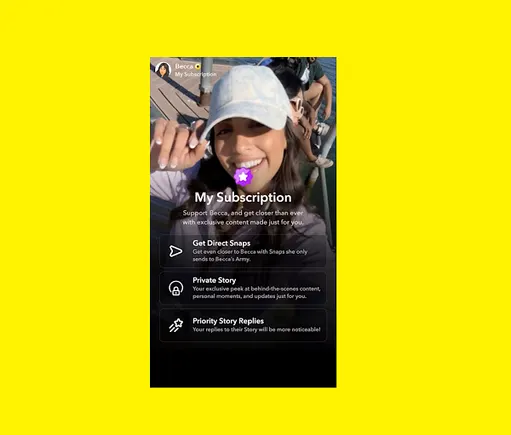
Instagram is testing the ability for Meta Verified subscribers to add links to post captions, a long-requested feature previously resisted by the platform, to boost subscriber growth and generate revenue for AI development.
Marketing tech
fromwww.socialmediatoday.com
2 weeks agoReddit partners with Pacvue to expand ad access
Reddit partnered with Pacvue to enable advertisers to buy and manage Reddit ads directly within Pacvue's commerce operating system, which serves over 70,000 businesses and integrates with 100+ retail media networks.
fromTNW | Insights
2 months agoThe rise of the always-on economy: subscriptions beyond streaming
Despite how modern it seems to be, the truth is that the subscription economy has been around for some time, surprisingly dating back to around 1800, with the first magazine subscriptions, or the subscriptions for fresh British milk, around 1860. Over the years, the of subscription-based companies has turned the subscription model into an ideal business strategy since it provides unique benefits. In the same way, the adoption of this model across multiple industries has led to negative repercussions for the general public.
Business

fromTechCrunch
2 months agoSpotify lowers monetization threshold for video podcasts | TechCrunch
Spotify is lowering its eligibility criteria for podcasters to monetize their videos on the platform, dropping the minimum episode requirement to three, minimum consumption hours to 2,000, and engaged audience member threshold to 1,000 over the last 30 days. When the company introduced its partner program to monetize video content last year, creators needed to have published 12 episodes, hit 10,000 consumption hours over the prior 30 days, and had at least 2,000 people stream their content in the last 30 days to be part of the program.
Music
fromZDNET
1 month agoWhich AI tools are worth paying for? Here are subscriptions I'm keeping - and why
Leading the pack has been the rise in agentic coding tools. These tools, such as Gemini Jules, Claude Code, and OpenAI Codex, are capable of writing entire programs and products. I put both Codex and Claude Code to the test, creating four plug-in add-on security products for WordPress using Codex, as well as a full-featured iPhone app using Claude Code.
Artificial intelligence
Artificial intelligence
fromTechCrunch
2 months agoMeta to test premium subscriptions on Instagram, Facebook, and WhatsApp | TechCrunch
Meta will test paid subscriptions on Instagram, Facebook, and WhatsApp offering exclusive features and expanded AI capabilities, including scaled Manus integration and Vibes freemium.


Marketing tech
fromDigiday
1 month agoFuture of Marketing Briefing: The case for and against an agency subscription remuneration model
Agencies are adopting subscription models to absorb AI infrastructure costs like inference and token fees rather than solve pricing problems, with subscriptions paired to bulk purchasing discounts from AI providers.
fromAdExchanger
2 months agoCan I Help You Find Something?; The Streaming Fortress Prison | AdExchanger
Last October, PayPal an integration with OpenAI so that ChatGPT users could transact within the app. Apparently, PayPal is now ready to take that idea to other retailer chatbots. Of course, now that ChatGPT is making its foray into advertising , other LLMs and chatbots are bound to follow suit, if they haven't already done so. Walmart, for instance, rolled out ads in its generative AI agent Sparky earlier this month.
Artificial intelligence
fromBusiness Matters
2 months agoHow Businesses Build and Retain High-Value Clients
Beyond their spending, high-value clients typically engage regularly, remain loyal over time, and align with the company's core offerings. For example, a high-value client that engages regularly could be a regular shopper who purchases often but also always likes and comments on the business's social media posts. These comments and likes on social media can have a positive impact on the business, showing other potential consumers that the business is reputable and valued by others.
Marketing
fromAdExchanger
2 months agoWhen Performance Brands Invade TV; Subscription Conniptions | AdExchanger
Big TV networks and studios are finally shifting toward programmatic advertising - even for their linear TV spots. And this shift is attracting a new wave of advertisers and transforming what a typical TV ad break looks and feels like. For example, as reports, Comcast is starting to see net-new ad revenue growth from first-time TV advertisers. "The people coming in the door are small performance advertisers, but they've been doing social ads forever," says Travis Flood, Comcast Advertising's director of insights. "They don't have a TV ad."
Marketing tech
[ Load more ]