#palatine-hill
#palatine-hill
[ follow ]
#archaeology #pompeii #roman-archaeology #julio-claudian-dynasty #rome #ancient-rome #roman-emperor #roman-villa




:max_bytes(150000):strip_icc()/TAL-header-aventine-hill-terrace-rome-ROMEHIDDENGEMS0126-642afc06aef6450098a63077ff43df8f.jpg)
fromConde Nast Traveler
8 years agoThe 24 Best Bars in Rome to Drink Like a Local
The drinks scene here has undergone something of a Renaissance, with the number and variety of options across the city blossoming. Of course, there are still the old school stalwarts that adhere to the traditional Italian idea of a bar-envision the quintessential all-day café-bar where you might stand at the counter for a cappuccino in the morning, grab a quick panino at lunchtime, or linger over an aperitivo after work.
Cocktails


fromVulture
4 weeks agoA World Forever in the Shadow of Apocalypse
At least that's the mood director Gianfranco Rosi evokes in his mesmerizing documentary Pompei: Below the Clouds, which won a Special Jury Prize at the Venice Film Festival last year and is finally being released theatrically in the U.S., ahead of a March 27 streaming premiere on Mubi. The apocalypse Rosi presents is not just the legendary one that destroyed the ancient Roman town of the film's title but an ongoing one that encompasses the calamities of our modern era as well as the rejuvenation that sometimes accompanies destruction.
Film
#family-travel
Berlin
fromCN Traveller
1 month ago11 Family-Friendly Hotels in Rome Offering Gladiator Schools, Free Gelato, Teen Spas, and More
Rome offers world-class family-friendly hotels and abundant child-centered activities, making it an ideal destination where children are prioritized rather than accommodated as an afterthought.

fromOpen Culture
3 weeks agoWho Would Be Emperor If the Roman Empire Still Existed Today?
Very rare to see this level of tailoring nowadays, even on the wealthy. Even when not attending major sporting events, the king's collars always hug his neck, his lapels are always well-proportioned, the lines of his coat always flow into his trousers, and his four-in-hand always has just the right asymmetry.
History
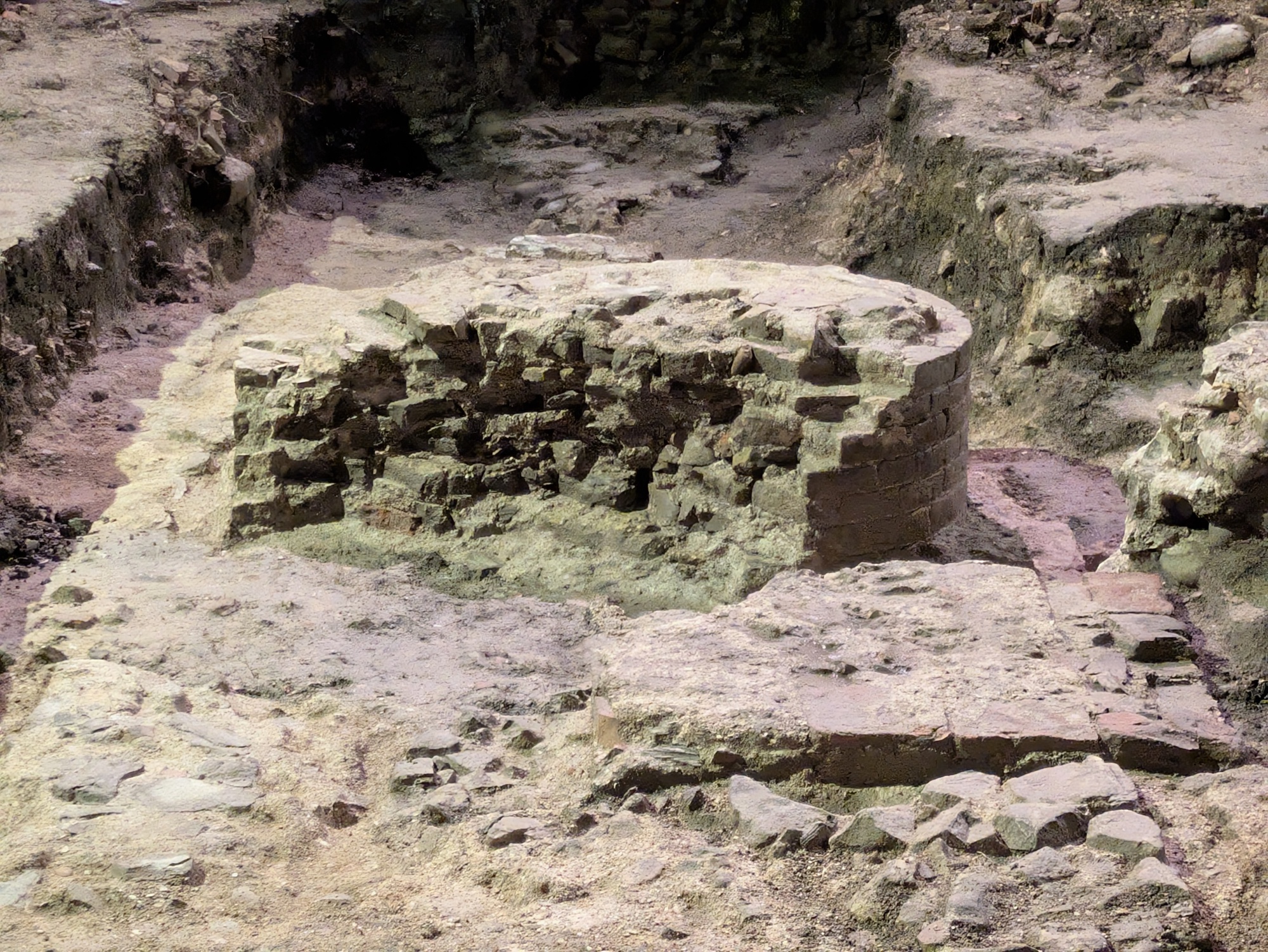
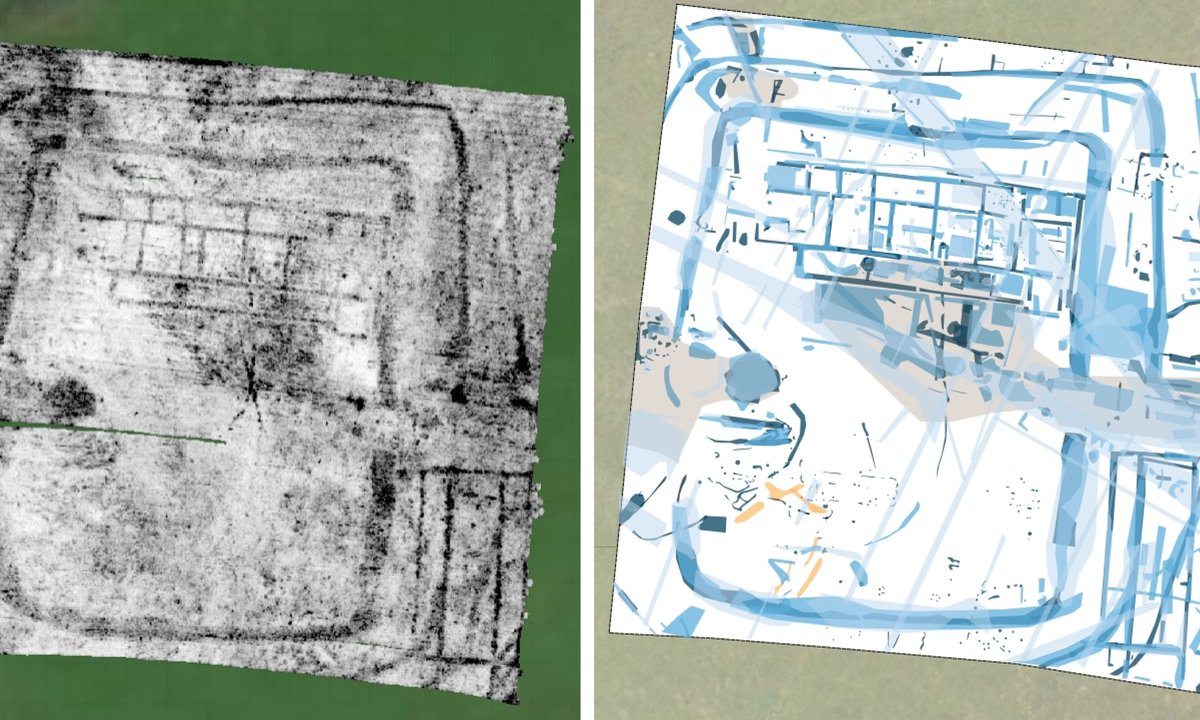
fromwww.independent.co.uk
2 months agoHuge Roman villa found in Wales dubbed Port Talbot's Pompeii'
From reproductive rights to climate change to Big Tech, The Independent is on the ground when the story is developing. Whether it's investigating the financials of Elon Musk's pro-Trump PAC or producing our latest documentary, 'The A Word', which shines a light on the American women fighting for reproductive rights, we know how important it is to parse out the facts from the messaging.
UK news
History
fromOpen Culture
1 month agoRome in 1890 Captured in Color Photographs: The Colosseum, Forum, Trevi Fountain & More
English gentlemen completed their education through the Grand Tour of Europe, primarily Italy, which profoundly influenced Romantic poets like Byron and shaped their artistic vision of classical civilization in ruins.


fromwww.thehistoryblog.com
1 month agoCenturion's tombstone reused in someone else's grave
Both of the cyst graves feature funerary markers reused as building material. One of them contains the partially preserved tombstone of Legio I Italica centurion Gaius Valerius Verecundus was engraved with a wreath of which only traces remain and an inscription that describes him as having been heavily pressed by fate.
History
History
fromMedievalists.net
1 month agoEast Roman Archaeology: Goals and Challenges, with Marica Cassis - Medievalists.net
Archaeology reveals material evidence of daily life, settlement patterns, and economic systems in the East Roman world that textual sources cannot provide, while facing challenges in establishing itself as a distinct field separate from classical and Islamic archaeology.
History
fromIndependent
1 month agoBill Linnane: My son visited Pompeii on a school trip - but the only thing he learned about the ancient world was how to use a landline
Pliny the Younger witnessed the 79 AD eruption of Mount Vesuvius at age 17 and wrote detailed eyewitness letters that define Plinian eruptions.
fromWorld History Encyclopedia
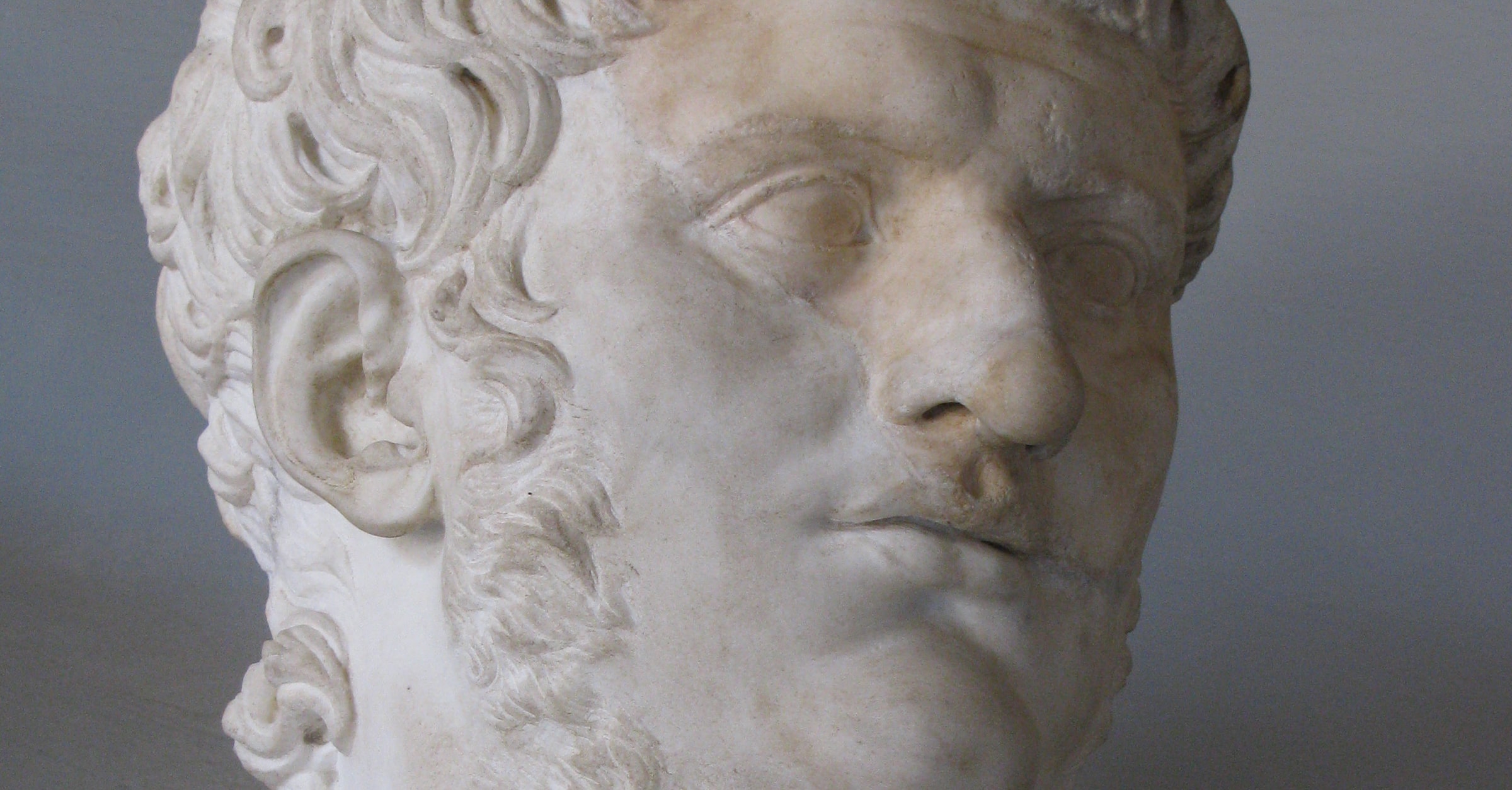
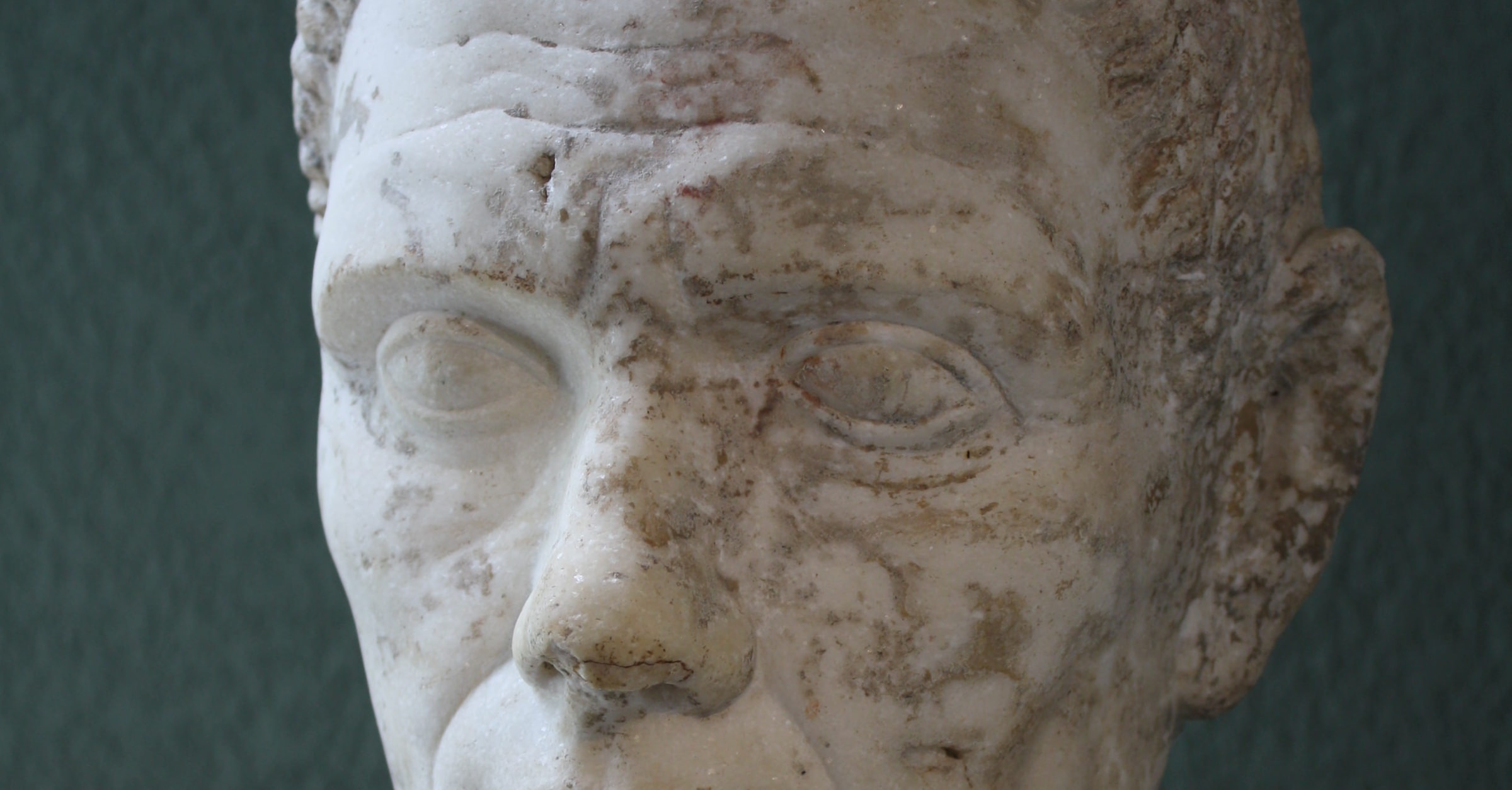
1 month agoCaligula: Rome's First Mad Emperor
Caligula (12-41 CE) was the third Roman emperor, who reigned from 37 to 41 CE. A member of the Julio-Claudian Dynasty, he came to power after the death of his great-uncle Tiberius. The ancient sources claim that he was initially a popular ruler, but, after only a few months, he gave in to his sadistic, depraved, and paranoid impulses and began ruling through terror. He was assassinated on 24 January 41 CE by disaffected members of the Praetorian Guard.
History
fromwww.thehistoryblog.com
2 months agoMonumental Republican tombs found in Rome suburb
An monumental early Republican-era funerary complex has been discovered in a suburb of Rome. The excavation of the Via di Pietralata east of Rome also uncovered a stretch of an ancient road, a small cult building and two monumental basins dating back to the 3rd and 2nd centuries B.C. Remains from this early in the Republican era are scarce in the Eternal City, which make these finds very archaeologically significant.
History
fromwww.thehistoryblog.com
1 month agoGreat hall from 4th c. bishop's palace complex found in Ostia
The remains of a monumental hall belonging to a 4th-century episcopal palace have been discovered at Ostia Antica, Rome's ancient port town. The base of the structure is eight by 20 meters (ca. 26 by 65 feet) and the walls were an estimated eight meters high. This is an extraordinarily large space, and it was richly decorated with mosaic floors and marble panels.
History
fromMail Online
1 month agoThe bone that proves Hannibal really DID cross the Alps with elephants
While the bone was worn and poorly preserved, archaeologists managed to identify its origin by comparing it with modern elephant and mammoth bones. Despite there not being enough DNA to confirm the exact species, the researchers were able to carbon date a tiny sample of the bone. This places the elephant's death between the late fourth and early third centuries BC - right in the middle of the Second Punic War.
History
fromwww.thehistoryblog.com
2 months agoLate Antique necropolis with deliberately broken pottery found in France
Adjacent to the masonry house is a burial ground in use from the 4th century through the first half of the 6th century. Approximately 60 individual inhumation burials have been unearthed, arranged in rows that are increasingly dense with graves as they approach the dwelling. The deceased were buried in cysts formed by reused tegulae (large clay roof tiles) or by rubble walls that supported wooden planks. They were placed in the graves in supine position facing west, north or south.
History
[ Load more ]