#palestinian-heritage
#palestinian-heritage
[ follow ]
#gaza #palestine #eid-al-fitr #west-bank #community #displacement #human-rights #resilience #passover #conflict



fromwww.theguardian.com
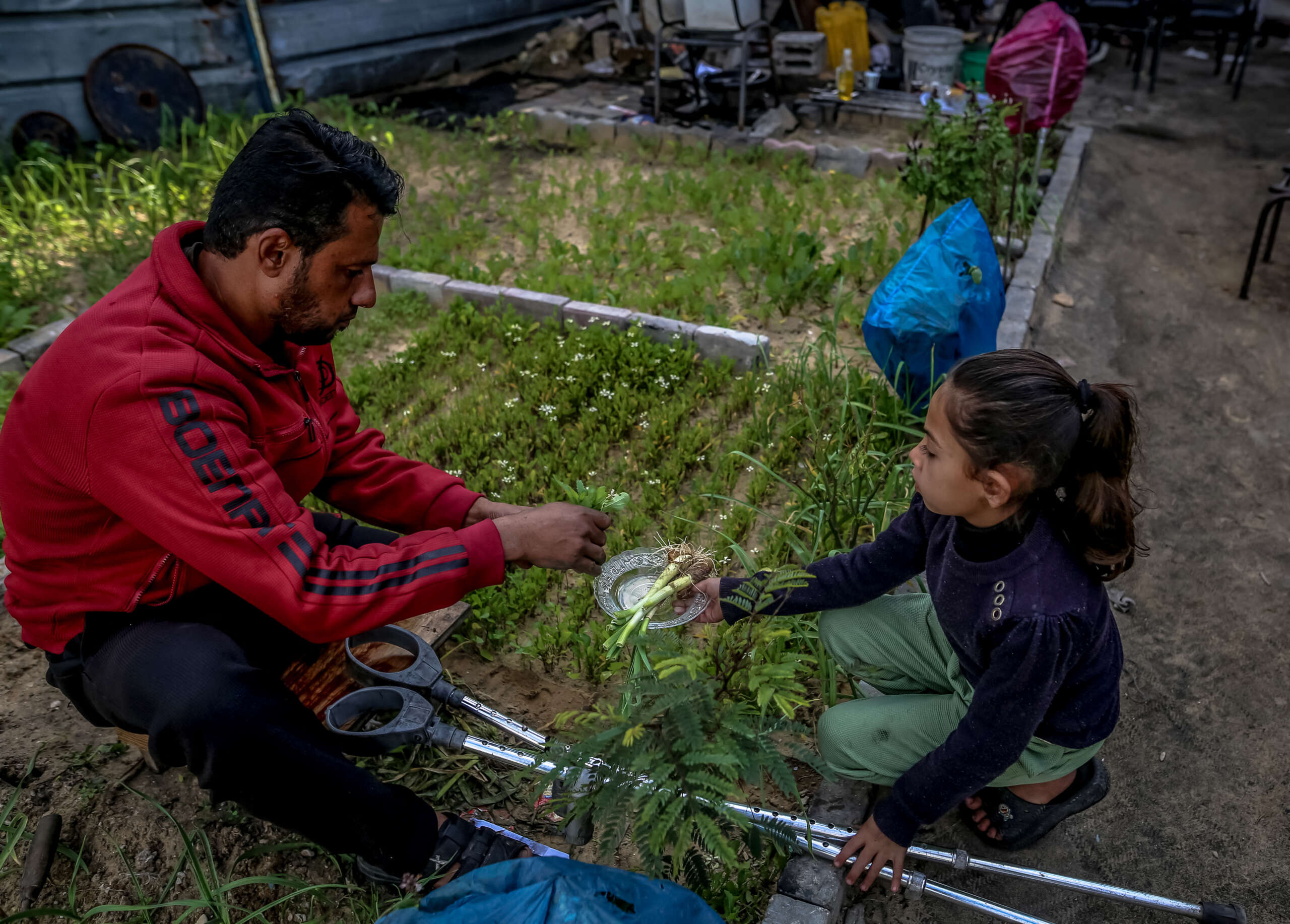
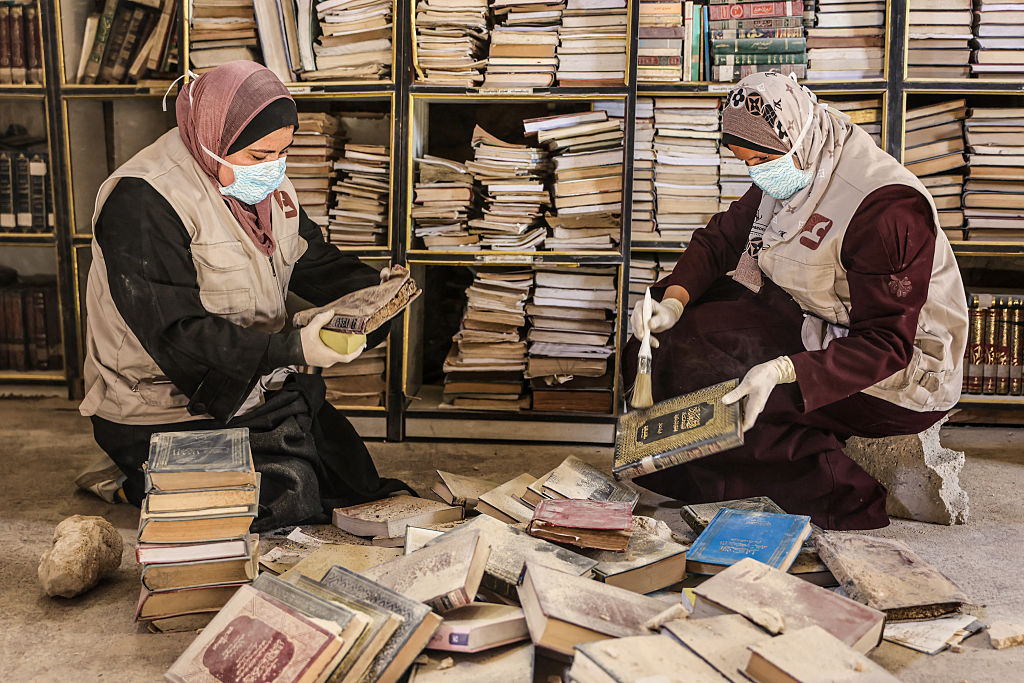
2 days agoA strategy to make life intolerable': Israeli settlers are driving Christians out of West Bank
Taybeh, a small hilltop town in the heart of the West Bank, is one of the oldest Christian communities in the world, now feeling under siege and fighting for its existence.
History






fromThe Art Newspaper - International art news and events
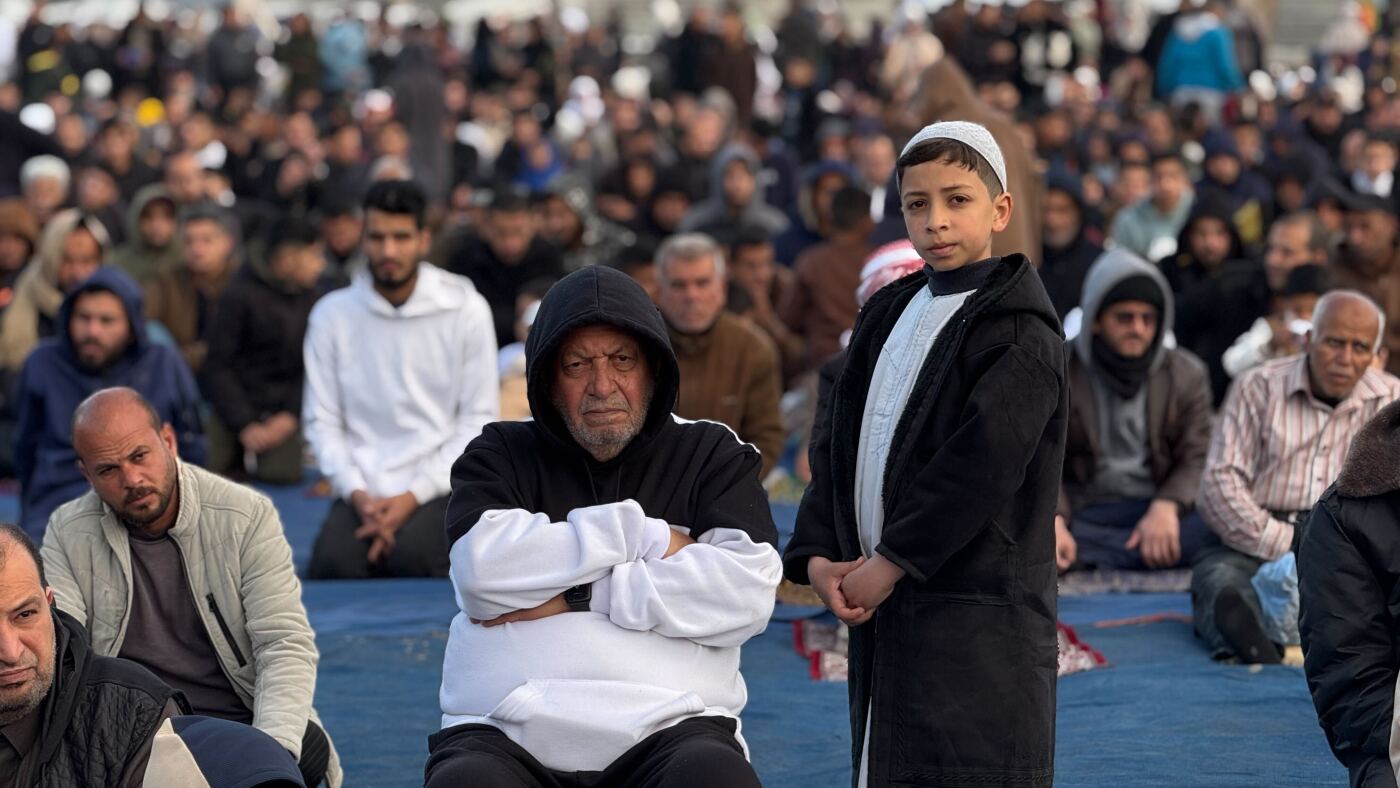
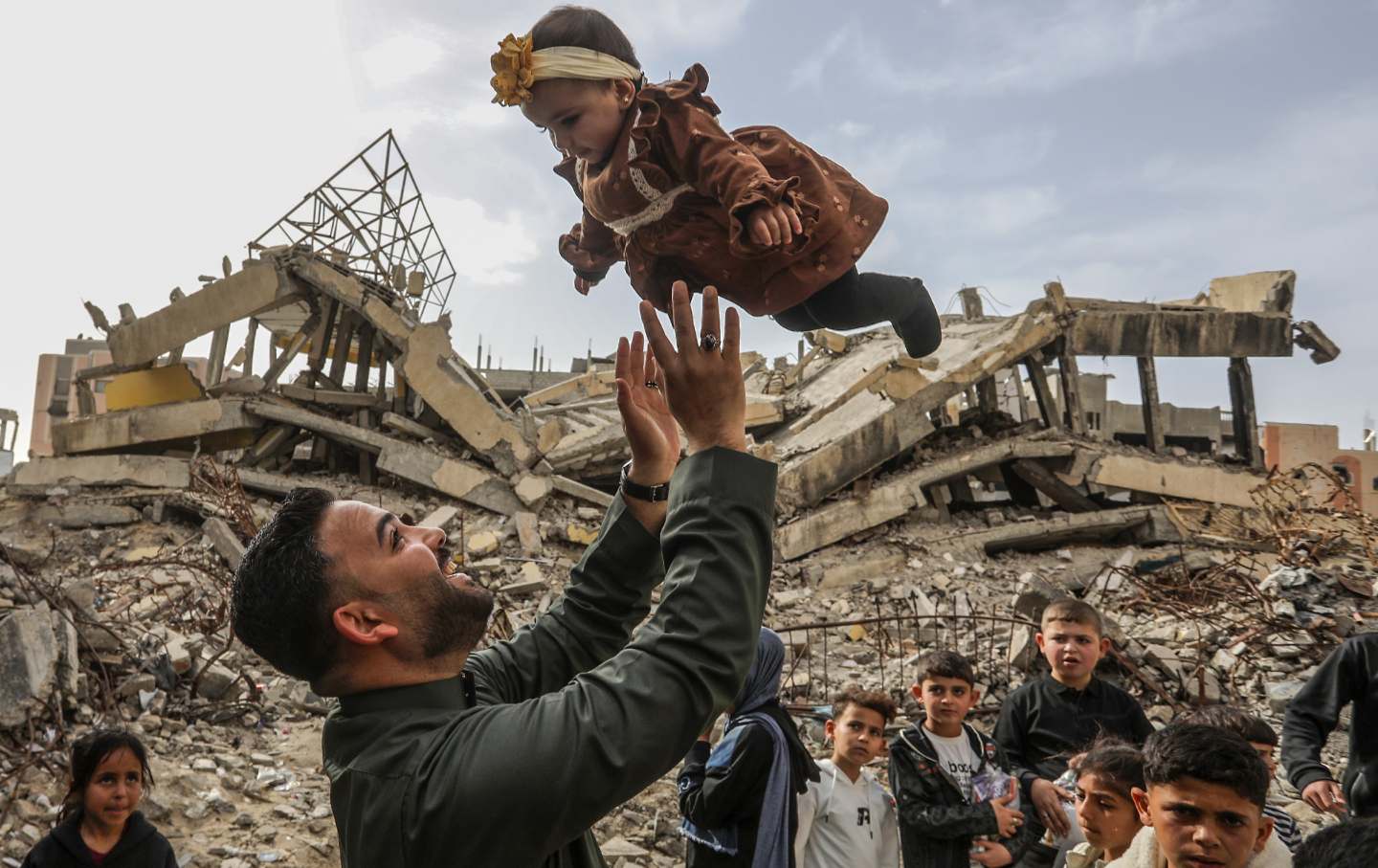
1 week agoTextiles weave tales of Palestine's rich but troubled history
Textiles are a window into the communities that created them, with every motif and line signalling a different memory, tradition or identity. Often seen as folk art, these pieces of embroidery and weaving bring together dozens of narrative threads, from Japan to South America. But nowhere is it more fraught with meaning than in Palestine.
Arts
fromHyperallergic
1 week agoLebanese Artist Ali Sbeity Reportedly Killed in Israeli Strike
Ali Sbeity painted vibrant portraits and landscapes of his rural hometown in Southern Lebanon, often sharing his works on his Facebook. He participated in numerous local arts exhibitions and created murals for schools in Beirut.
Arts
Social justice
fromTruthout
2 weeks agoSupporters Celebrate Release of Palestinian Leqaa Kordia - But Fight Continues
Palestinian advocate Leqaa Kordia was released from ICE detention after over a year, with legal teams asserting she was unlawfully targeted for her Palestinian rights advocacy amid Trump administration immigration crackdowns.
World news
fromwww.aljazeera.com
2 weeks agoWhat the Iran war looks like from the occupied West Bank
While global attention focuses on Iran-Israel missile exchanges, West Bank Palestinians face ongoing settler violence, military raids, and daily restrictions amid falling shrapnel from regional conflict.
Berlin food
fromwww.aljazeera.com
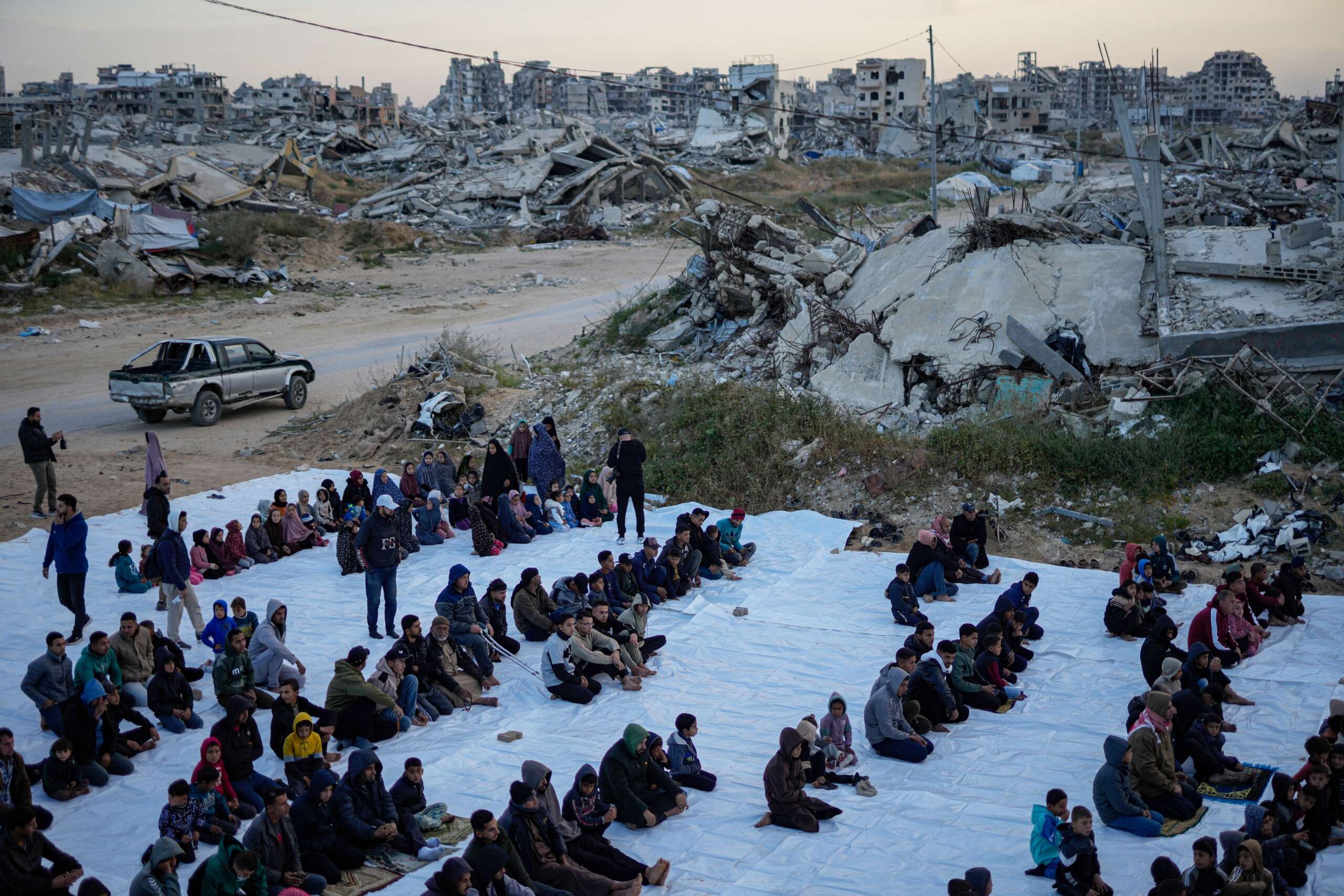
2 weeks agoBaking in rubble: Gaza woman keeps Eid traditions alive despite shortages
Gazans persist in baking traditional Eid cookies despite border closures, ingredient shortages, and lack of cooking gas, maintaining cultural traditions while generating income for families.
fromwww.aljazeera.com
3 weeks agoQuran echoes loudly as Palestinian reciters gather in Gaza
Two hundred and fifty-six Quran memorisers—Palestinians who have committed the entire holy book to memory—sat in the place while companions beside them listened attentively, following each word carefully to ensure the recitation remained flawless. The gathering, titled Safwat Al-Huffaz—The Elite of Quran Memorisers, has become a special collective way of observing Ramadan in Gaza.
World news
fromHyperallergic
2 weeks agoWhen a Palestinian Artist Asserts Her Own Humanity
There is a scene in "Morgenkreis | Morning Circle" (2025), a 16-mm film by Berlin-based Palestinian artist Basma al-Sharif, that unfolds at the threshold of a daycare center. A young boy clings to his father, his fists locked into the fabric of his coat, his arms wrapped tightly around him. The father gently tries to pry himself free while a daycare worker crouches nearby, attempting to distract the child and coax him inside. It is an ordinary moment, one that anyone who has ever been a child - or cared for one - recognizes instantly, as well as the gut-wrenching feeling it provokes.
Arts
Berlin food
fromTruthout
4 weeks agoRamadan Revolved Around My Grandma. Bombs Took Her House. Famine Took Her Life.
A Palestinian family's Ramadan traditions centered on their grandmother are forever altered after her death during famine conditions in Gaza, leaving an irreplaceable absence in their annual observance.
fromwww.aljazeera.com
2 months agoWhat ICE is doing to America is familiar to me as a Palestinian
Today Americans are getting a taste of what Palestinians have experienced for decades: state terror. The escalation of state violence in the United States has been unprecedented. In the span of three weeks, two people were shot dead in Minneapolis during anti-immigration raids. Both were branded domestic terrorists. Meanwhile last week, Immigration and Customs Enforcement (ICE) agents used five-year-old Liam Ramos as bait to get his asylum-seeking father to come out of their home;
US politics
World politics
fromwww.theguardian.com
1 month agoSeven of my relatives were killed in Gaza. For me, Herzog's visit was never an abstract debate | Shamikh Badra
Australian state prioritized conferring legitimacy on a leader accused of incitement while suppressing peaceful protest and failing to address genocide-related legal obligations.
History
fromwww.theguardian.com
2 months agoI will finish your work': one woman's fight for the Jewish art and letters her mother saved from the Nazis
A suitcase of 681 artworks and writings by Theresienstadt artist Peter Kien was delivered to the Wiener Holocaust Library after decades under Czech custodianship.
fromHyperallergic
2 months agoPalestinian Embroidery Today
The ongoing repression of dissidents in Venezuela following the US attacks reminds us that President Trump never had the interest of the nation's people at heart. The painful reality of many immigrants is one of being caught between dehumanizing forces in their native countries and in exile, and reduced to abstractions in an increasingly unnuanced "discourse" that flattens lived experience.
Arts
World news
fromenglish.elpais.com
2 months agoWhat it means to be Jewish after the destruction of Gaza: There will be a certain amount of shame for the next generation'
Peter Beinart condemns Israeli government cruelty toward Palestinians and argues that perpetual Israeli victimization turns supremacy into a protective ideology, fracturing Jewish community ties.
fromwww.theguardian.com
2 months agoA violation of our history': Palestinian uproar over Israel's plan to seize historic West Bank site
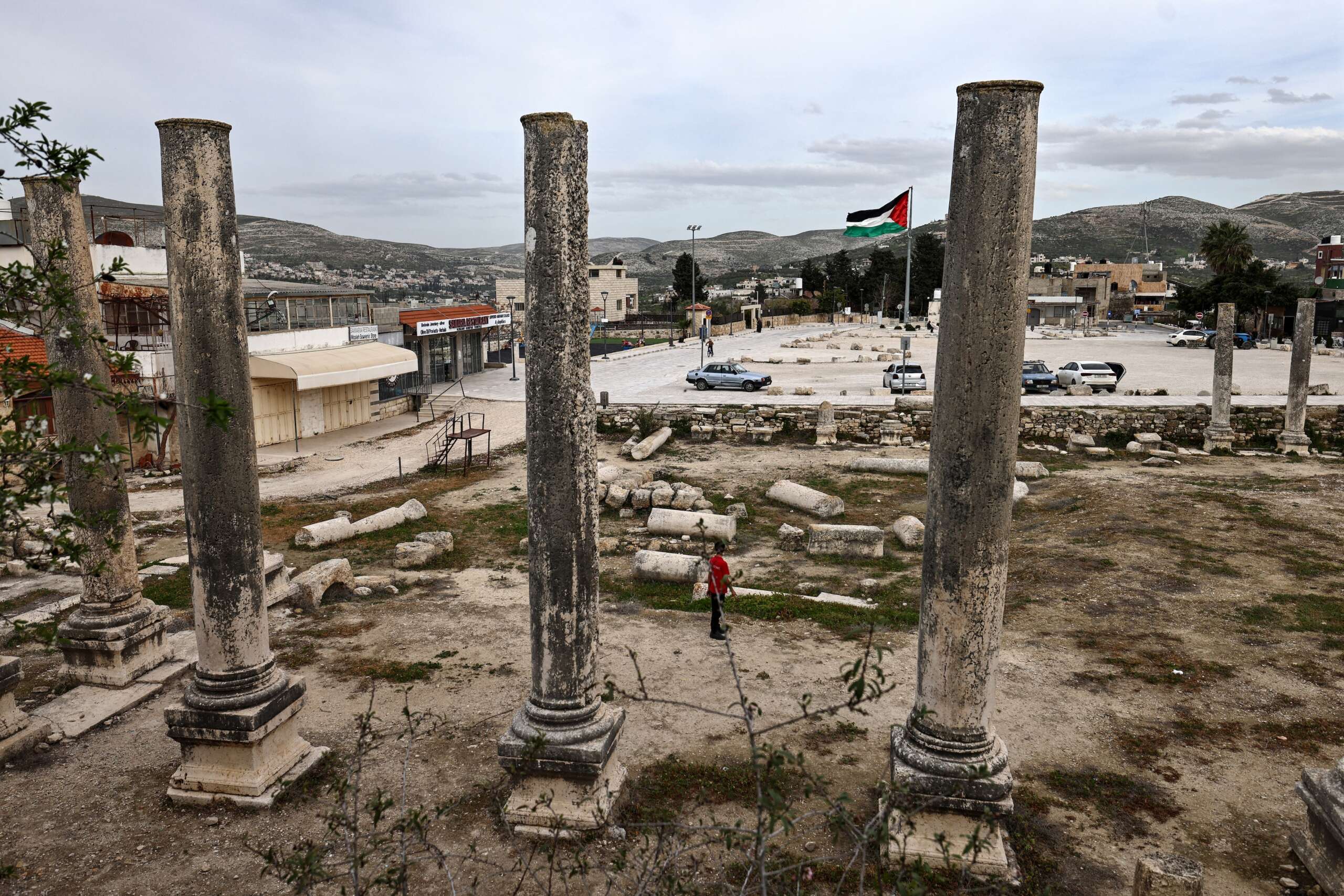
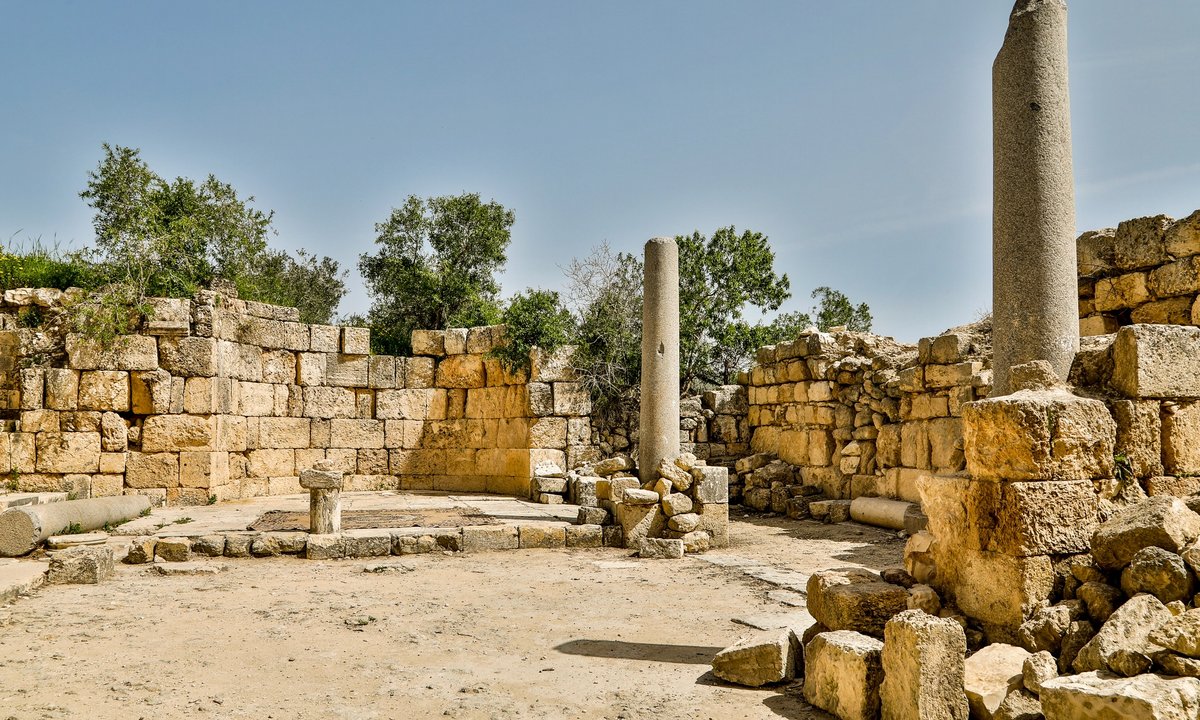
The Byzantine-era church lies half hidden in the shade. Roman columns rise from among the olive trees, even older ruins linked to Israelite kings are overgrown. To the west, the Mediterranean is just visible on the horizon. To the north and south are the hills of the occupied West Bank. In the small town of Sebastia, a hundred metres or less east of the ruins, everyone is very worried.
World news
fromwww.aljazeera.com
1 month agoTo Die for Palestine Ep 2
A Chadian chemist and a British activist, both born in Jerusalem, vow to fight for Palestine by any means necessary even if it costs them death. Two men devoted their lives to the Palestinian resistance but paid the ultimate price. Bashir Jibril, born in Jerusalem to a Chadian family, joined the Popular Front for the Liberation of Palestine (PFLP) after the 1967 Arab-Israeli war. He trained military cadres and took part in the 1970 airliner hijackings, before being killed in a car bomb explosion in Athens in 1978.
World news
fromwww.aljazeera.com
2 months agoGaza is not a real estate fantasy
But urgency should never become an excuse for illusion, spectacle, or political shortcuts. The contrast between rhetoric and reality could not be sharper. While United States President Donald Trump and a group of world leaders gathered in Davos, Switzerland, to sign the charter of the so-called Board of Peace and unveil glossy reconstruction plans, the killing in Gaza continued. Since the ceasefire came into effect on October 10, no fewer than 480 Palestinians have been killed.
World news
[ Load more ]