#paret-peintre
#paret-peintre
[ follow ]
#impressionism #claude-monet #van-gogh #paris #art-exhibition #contemporary-art #art-history #exhibition


fromItsnicethat
3 days agoBravas Graphix are the rave connoisseurs behind some of Brussels' most explosive posters
"We're constantly striving to strike a balance between work that respects academic rules of composition, established visual codes and good readability, with something more spontaneous, adventurous, playful, even naive."
Typography
Berlin music
fromwww.theguardian.com
2 weeks agoEmpreintes review Jess and Morgs go off-piste at Paris Opera and Marcos Morau sets the chandelier swinging
Arena explores competition and conformity in digital culture through innovative choreography and live camerawork at the Palais Garnier, examining how social media surveillance affects individual identity.
Writing
fromwww.theguardian.com
3 weeks agoThe moment I knew: I was enchanted by her painting but we never spoke. I wouldn't see her again for 55 years
A man reconnects with a childhood classmate whose exceptional artistic talent impressed him decades earlier, leading to an unexpected reunion after 55 years of separation.


Typography
fromColossal
4 weeks ago'Lettres Decoratives' Is a Celebration of Fin de Siecle Sign Painters' Vibrant Letterforms
French sign painters from the 19th and early 20th centuries created decorative alphabets that evolved from simple forms into bold, eye-catching lettering styles documented in lithograph portfolios.
fromThe Art Newspaper - International art news and events
1 month agoThe year of Andre Malraux: France salutes its pioneering intellectual with exhibitions and more
At the official launch last November, the current culture minister Rachida Dati described the imperative behind the programme as not just celebrating an uncommon visionary but the "burning relevance" of his legacy: "a commitment to continuing to nurture this demanding idea of what culture is".
France news
fromThe Art Newspaper - International art news and events
1 month agoVan Gogh visited Georges Seurat's studio the day he left for Provence
In the 1880s Seurat was the leader of the avant-garde group of painters who used pointillist dots of pure colour to create their pictures. The eye blends Seurat's colours harmoniously, giving his paintings a luminosity and vigour.
Miscellaneous
Books
fromwww.theguardian.com
1 month agoMy rookie era: I wasn't immediately good at oil painting, but it taught me to find pleasure in struggle
Returning to painting through oil classes helped overcome fear of judgment, teaching fundamentals, practice, and acceptance of possible failure to enjoy the creative process.
fromFrenchly
1 month agoThe Best Art Apps for Exploring France - Frenchly
CultureClic is one of the most comprehensive French art apps available. Designed as a mobile-first discovery tool, it maps out more than 1,350 museums across France and highlights hundreds of geolocated artworks, photographs, and historical engravings. The app is particularly strong in Paris but also features content in cities like Bordeaux, Lyon, Marseille, and Avignon. What sets CultureClic apart is its use of augmented reality, allowing users to visualize artworks and historical documents in context.
France news
Paris food
fromThe Art Newspaper - International art news and events
3 weeks agoTwo Renoir exhibitions at Musee d'Orsay explore the joy of human connection
Renoir was a resourceful, experimental artist whose early work capturing modern life established him as a founding Impressionist painter, though critics often dismiss his paintings as superficial without truly examining them.
fromThe Art Newspaper - International art news and events
3 weeks agoVictor Vasarely's crumbling Aix legacy to be restored
The longer we wait, the more difficult it will become to remedy the damage. Since 2019, state funding had all but dried up, forcing the foundation to auction works to raise funds to continue the restoration of both the iconic building and its many site-specific works.
Arts
fromwww.kaltblut-magazine.com
2 months agoUne Matinee Parisienne
Styling by Axelle using fashion by Nazarene Amictus, Victoria Amerson Design GmbH, Mossi, and Vintage pieces. The assistant stylist is Evan. The series explores the idea of haste and unintentional disorder in Paris, the moment when you rush downstairs, almost forgetting your trousers, because every minute counts. This sense of urgency, this I don't have time, becomes an aesthetic language. In Paris, style isn't calculated, and yet, nothing is ever left to chance.
Fashion & style
fromTravel + Leisure
2 months agoThis Charming Parisian Neighborhood Has Secret Gardens, Romantic Museums, and Incredible Panoramic Views of the City
Once an independent commune, Montmartre was absorbed into the city limits of Paris in 1860, but the hilltop village has always retained a distinct sense of self. Famed for its religious, artistic, and at times seedy history, the neighborhood has drawn the likes of Picasso, Renoir, and hopelessly devoted Francophiles like myself with its bucolic charm, iconic lampposts, steep steps, and panoramic views.
Travel
Graphic design
fromdesignboom | architecture & design magazine
1 month agoclaude monet's water lilies painting turns into impressionism-inspired LEGO set
LEGO recreated Claude Monet's 1899 Bridge over a Pond of Water Lilies as a 3,179-brick set with tactile tiles replicating impressionist brushwork and atmospheric colors.
Paris food
fromWWD
3 weeks agoParisian Designer Pauline Leprince to Make NYC Debut
French designer Pauline Leprince combines futuristic aesthetics with historical codes, creating radical minimalist pieces that explore tension between individual and society through sharp geometry and materials like burnt metal and glass.
Arts
fromenglish.elpais.com
3 weeks agoBelgium believes it has discovered an unknown painting by Michelangelo
A painting titled 'Spirituali Pieta' previously attributed to an anonymous sixteenth-seventeenth century artist has been identified as a work by Michelangelo, potentially bringing the total number of his known canvas paintings to five.
fromCN Traveller
2 months agoThe precision theatre of Parisian dining has entered an era of warm nostalgia
Past a sign for a family waterpark, a door opens onto an homage to fin-de-siècle Paris. Chandeliers are reflected in gilt-edged mirrors; there is a chorus line of lobsters and yards of fromage. Every so often, a waiter in a dinner suit flambées a crepe Suzette with a shock of flames, like a big top fire-eater. This is fine dining as buffet.
Food & drink
fromJuxtapoz
1 month agoJuxtapoz Magazine - Laurent Proux "Out Of The Blue" @ GNYP Gallery, Antwerp
In his expressive, large-format works, Proux stages humans in the field of tension between industry and nature in the context of 21st century's late capitalism. Depictions of workers in offices, factories and warehouses are juxtaposed with light-flooded scenes of people and nature.
Paris food
France news
fromenglish.elpais.com
2 months agoParis returns to the epicenter of artistic luxury: It is once again the art capital it was in the early 20th century'
Paris’s cultural scene is resurging through private investment, shifting toward luxury-focused, market-driven institutions and away from traditional public cultural models.
fromFrenchly
2 months agoParis Is Obsessed With Specialty Shops Again-Here Are 8 Worth Visiting - Frenchly
Paris didn't invent shopping (even if it sometimes feels that way), but it arguably invented the specialty shop as we understand it today. Long before concept stores, lifestyle retail, or anything resembling "curation" entered the vocabulary, Paris was already organized around doing one thing extremely well -and it still is. From cheesemongers to winemakers and beyond, specialization remains the point.
Miscellaneous
fromThe Art Newspaper - International art news and events
1 month agoFormer Louvre president Pierre Rosenberg on his new Poussin catalogue-and forthcoming museum
Born in Paris in 1936 to German-Jewish parents who fled the Nazis, his family survived the war in hiding in south-western France. Rosenberg first arrived at the Louvre in 1962, at the invitation of Charles de Gaulle's minister of culture, later heading up the department of paintings during the museum's dramatic relaunch in the 1980s and early 90s, symbolised by the 1989 completion of I.M. Pei's sculptural entrance, the Louvre Pyramid.
Paris food
fromFrenchly
1 month agoA Guide to Belleville, Paris's Bohemian Enclave - Frenchly
Belleville has always been a little bit rowdy, whether it meant to be or not. Long before it was folded into Paris in 1860, it existed as its own working-class wine village perched on a hill, slightly removed from the city both geographically and ideologically. In recent years, as Paris's 10th and 11th arrondissements have slid fully into hipster territory, and even the gritty Barbès neighborhood feels increasingly polished, Belleville has held onto its identity with surprising resolve.
France news
Arts
fromdesignboom | architecture & design magazine
1 month agoart paris 2026 returns to grand palais exploring language and reparation in modern art
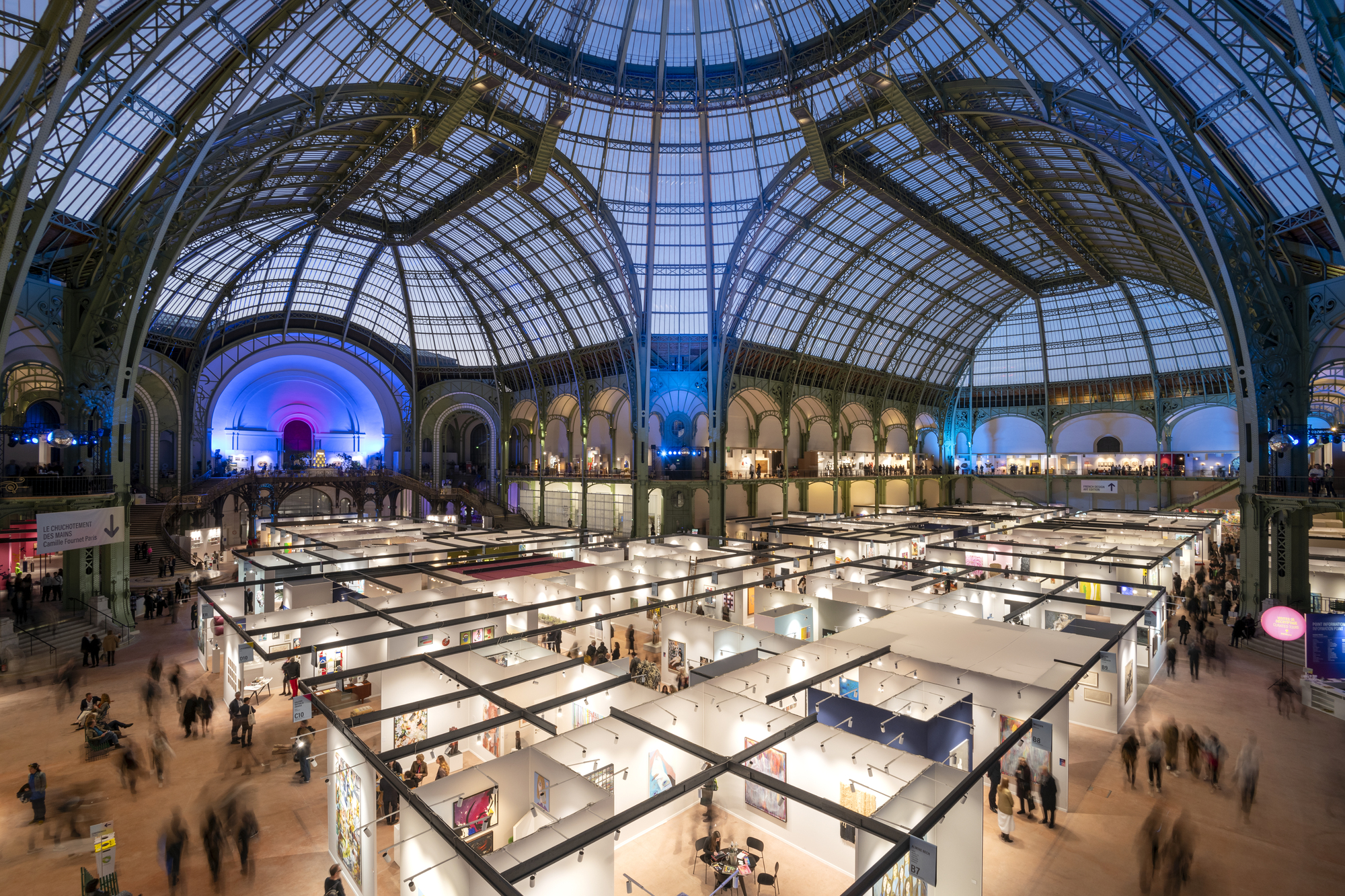
Art Paris 2026 returns to the Grand Palais from April 9-12, featuring 165 galleries exploring language, reparation, and contemporary art across two curated thematic programs.
Arts
fromThe Art Newspaper - International art news and events
1 month agoA short guide to the hidden meanings in great paintings
Historic paintings contain symbolic meanings and motifs that convey spiritual, moral, and philosophical messages through objects like apples, angels, books, butterflies, and candles.
Paris food
fromwww.theguardian.com
1 month agoAn ugly year for the Louvre: where does the world's biggest museum go from here?
Laurence des Cars resigned as Louvre president after a year marked by staff strikes, infrastructure crises, a major heist, and ongoing operational challenges despite a €1 billion renovation plan.
Paris food
fromwww.theguardian.com
1 month agoZoning in on Menilmontant, Paris: bohemian, arty and off the tourist trail'
Menilmontant is an authentic, working-class Parisian neighbourhood with integrated North African culture, affordable multi-ethnic dining, and genuine local community despite recent international recognition.
Arts
fromArtnet News
1 month agoHow Yellow Became Van Gogh's Most Powerful Color | Artnet News
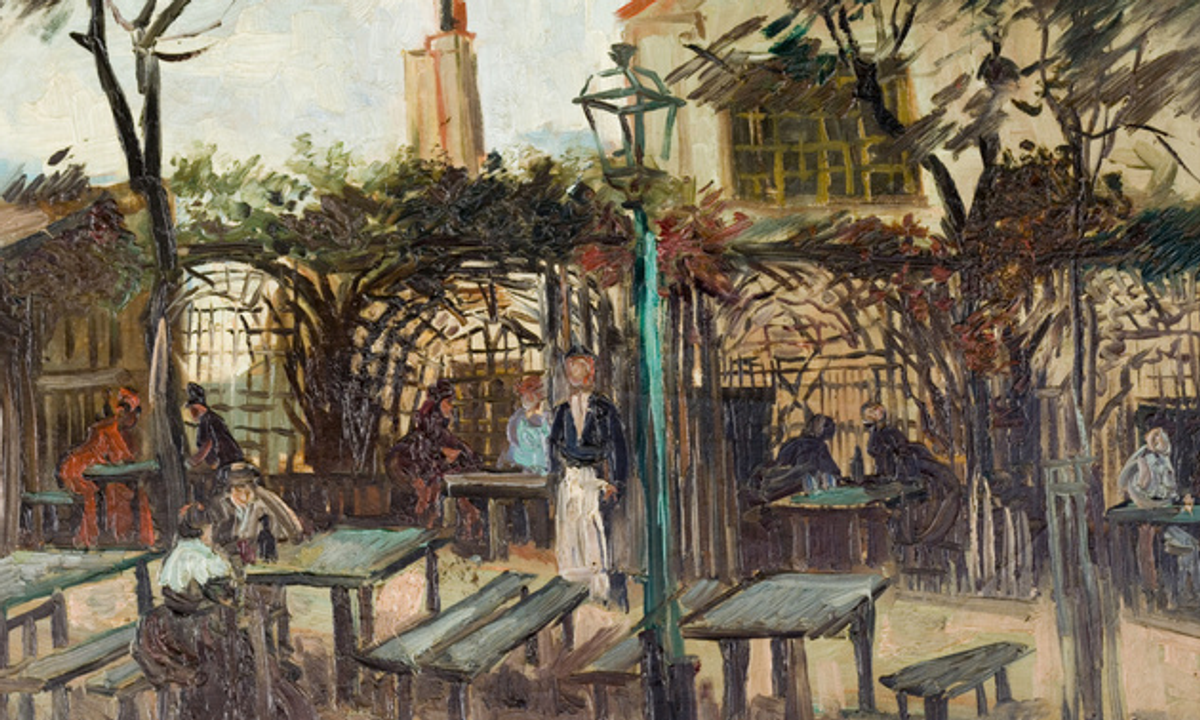
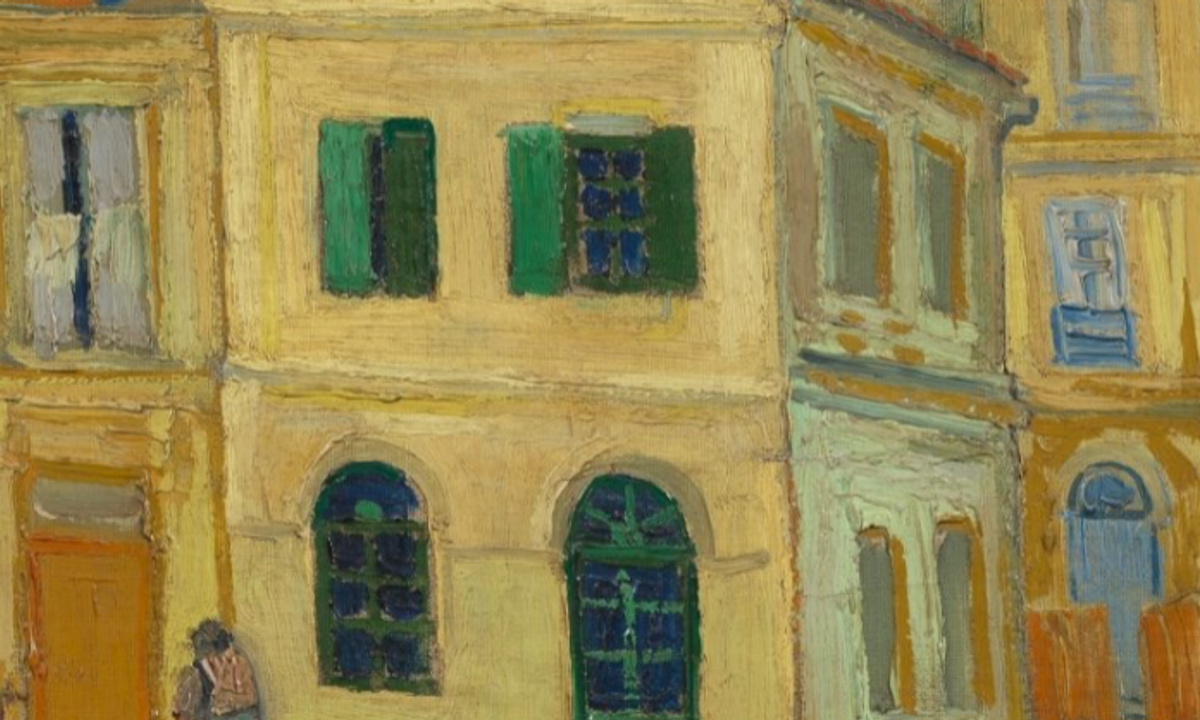
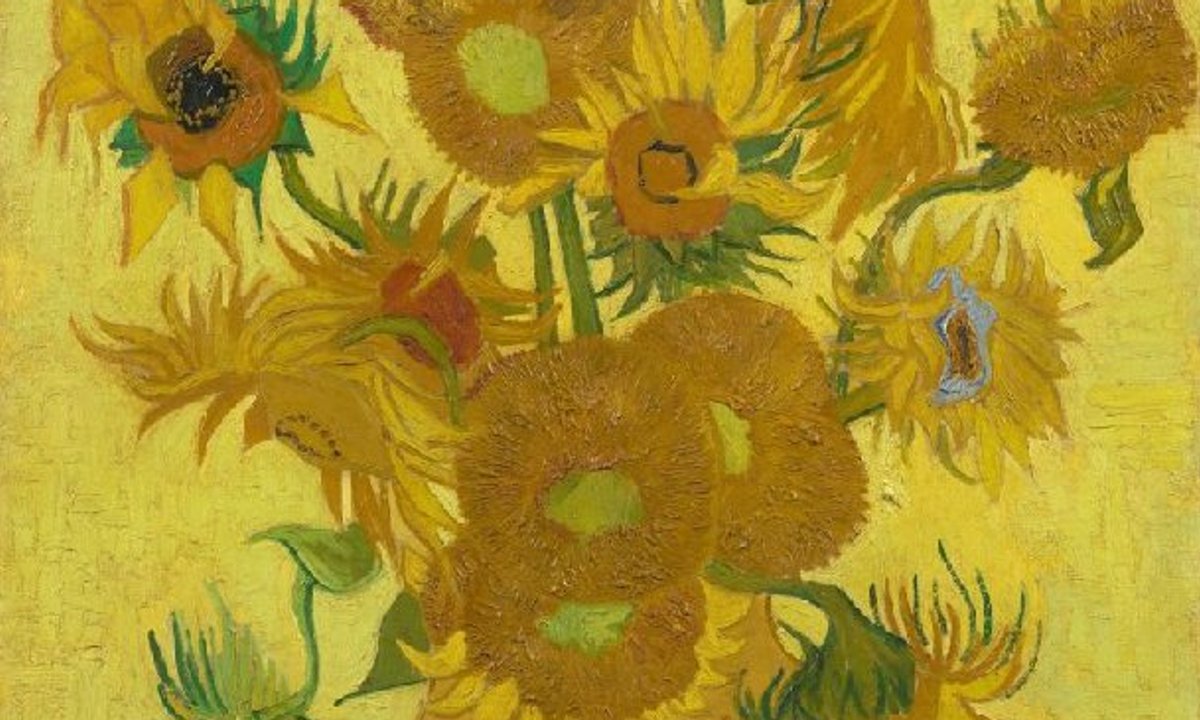
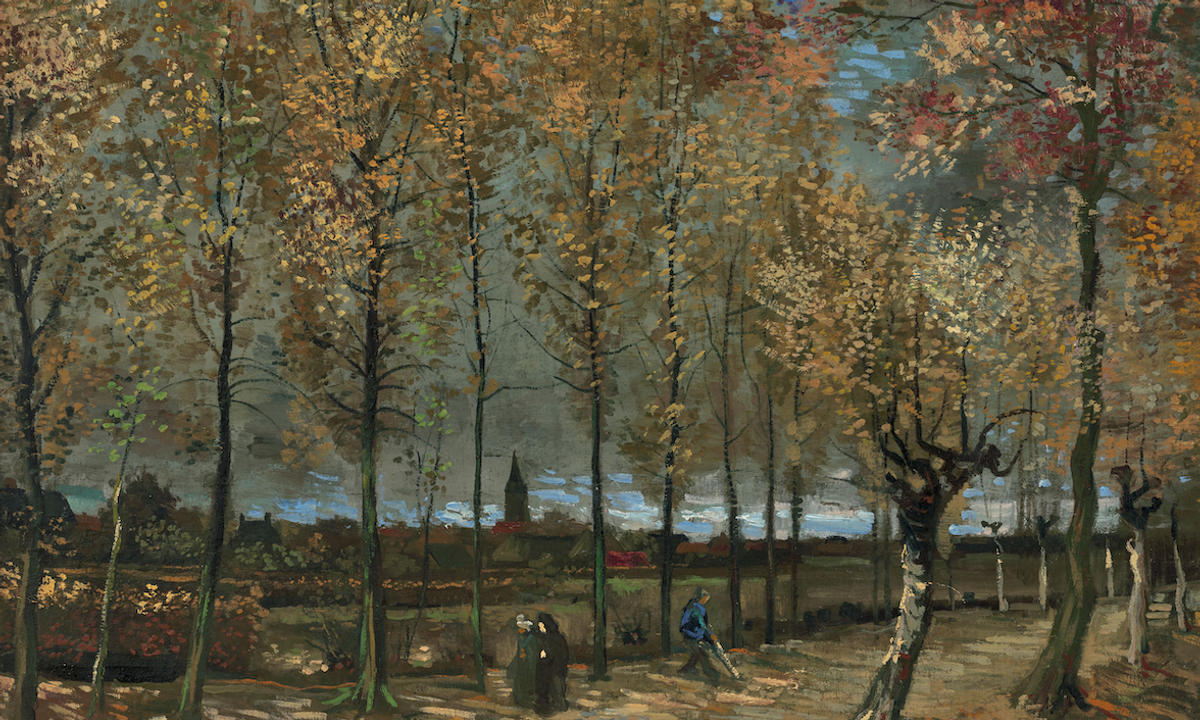
Van Gogh Museum's exhibition explores yellow as central to Van Gogh's artistic legacy, featuring his iconic works alongside pieces by other 19th and 20th-century masters to examine the color's multifaceted meanings and cultural significance.
fromPARIS BY MOUTH | WE'RE DELICIOUS
6 months agoRobert et Louise | PARIS BY MOUTH
Live-fire cooking defines Robert et Louise, a Marais institution where beef, lamb, and duck sizzle over an open fireplace in the ground-floor dining room. The wood-fired approach delivers generous portions at moderate prices - most mains stay under 30€, with classic French bistro fare like blood sausage, grilled lamb chops, and charred steak. The main floor centers on a crackling brick fireplace where meat cooks directly over flame.
Paris food
fromThe Good Life France
1 month agoStreet Art rules in France - The Good Life France
If you've walked around any of France's cosmopolitan cities in recent years, you're sure to have come across some stunning murals. Painted onto the side of buildings, in hidden corners, and just about anywhere an artist can paint, street art is booming. We're not talking old-school graffiti here, hastily sprayed names on walls, and anti-social stuff like that. Today's street art is commissioned by city or town councils and created by prominent street artists from around the globe says Suzanne Pearson.
Arts
fromHyperallergic
1 month agoMitchell Johnson's Personal Color at Galerie Mercier in Paris
Influenced by the works of Hopper and Hans Hofmann, Mitchell Johnson: Personal Color (Selected Small Paintings 1988-2026) is shaped by decades of visits to Paris and Cape Cod, two places that have anchored and evolved Johnson's painting over the course of his career. Hofmann, through his teaching, transported the aesthetics and concerns of the School of Paris across the Atlantic, eventually creating a group atelier curriculum that would expand the breadth of American Modernism through his theory of push and pull.
Arts


Arts
fromwww.amny.com
1 month agoKing Paris shows the sovereignty of light through his contemporary masks on display in Manhattan | amNewYork
Embellished masks and reflective surfaces in West African traditions use radiance and material brilliance to convey authority, spiritual meaning, and social order through performance.
fromParis Perfect
1 month agoFall in Love with Renoir in Paris This Year
Running from March 17 to July 19, 2026, Renoir and Love will be one of the top special exhibitions of the year in Paris. Celebrating how affection, connection and human relationships shaped Renoir's work during a defining period of his career. Bringing many key works together for the first time in decades, the exhibition offers a fresh perspective on how Renoir approached love not as an abstract ideal, but as something lived and experienced within the changing social life of late-19th-century Paris.
Arts
fromHyperallergic
2 months agoEdouard Manet and Berthe Morisot Meet as Equals
Manet & Morisot at the Legion of Honor is a somewhat scholarly exhibition on the lives, work, and friendship of two eminent French 19th-century artists. While it sets out to rescue Berthe Morisot from a long-held assumption that she owed her art to the influence - even guidance - of Édouard Manet, the show is far from an academic or revisionist experience. Instead, after seeing their work compared and contrasted across a handful of galleries, the word that comes most immediately to mind is "pleasure."
Arts
Arts
fromdesignyoutrust.com
2 months agoFabien Merelle Masters Ink And Watercolor To Craft Pyjama-Clad Figures Teetering On Absurd Family Edges
A diverse collection of contemporary and vintage visual art, illustrations, posters, and provocative campaigns spanning pop culture, horror, urban, and political themes.
fromHyperallergic
2 months agoNo One Was "Picasso's Woman"
As an editor, you learn to pay attention to the nuances of language. How we phrase something can speak volumes about our perspectives. Some words are fine in one context, but in another they might be detrimental. "Victim" is an example - who wants "victimhood" to encompass their whole person? And possessives are a minefield of power relationships; for instance, a person experiencing mistreatment at the hands of a partner should be defined by neither the treatment nor the tormenter
Arts
fromHyperallergic
2 months agoA View From the Easel
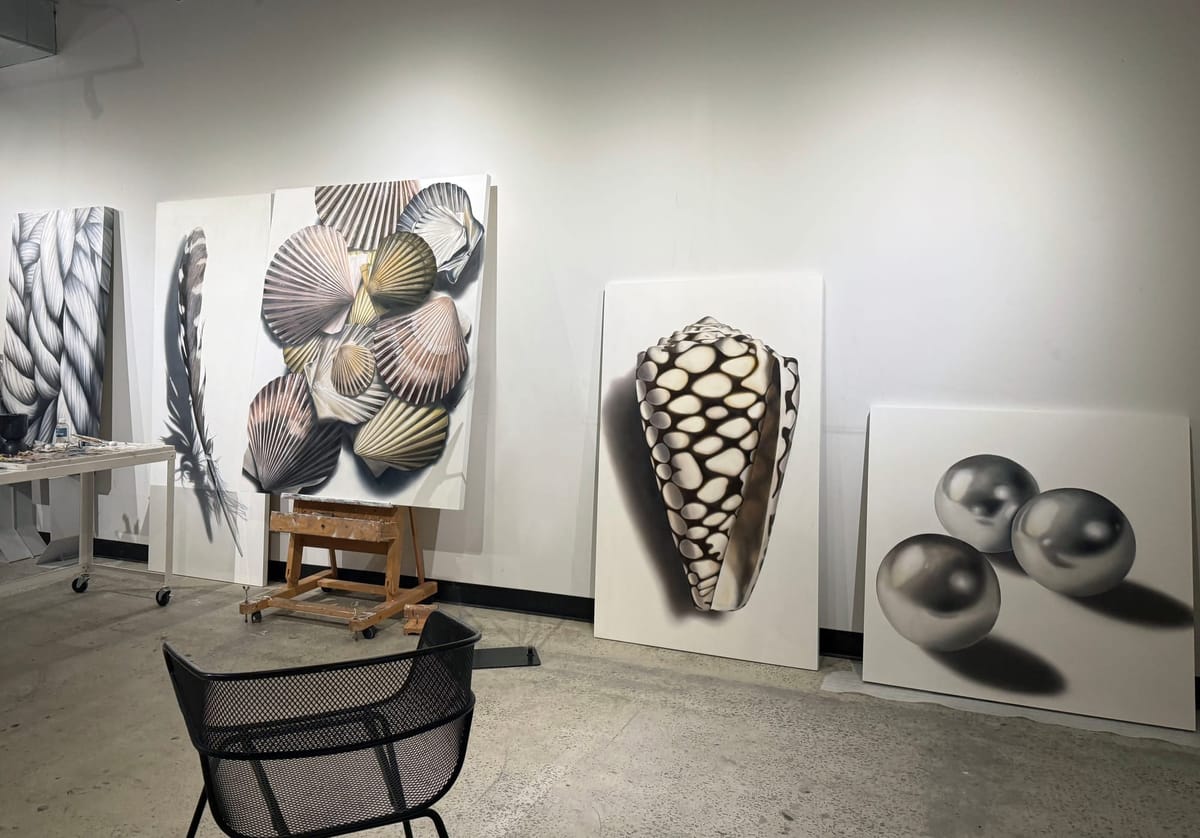
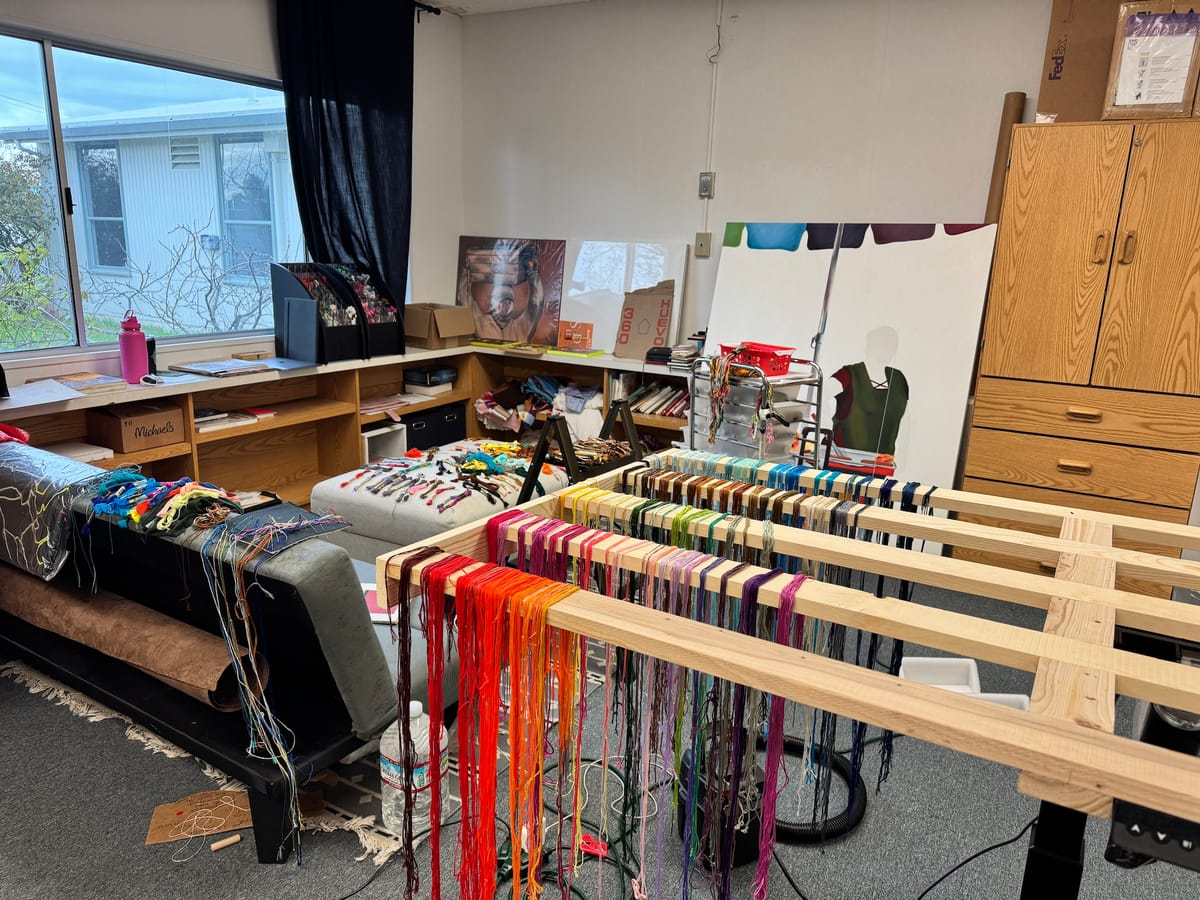
Mornings are best for concentrated work. In the winter, I turn on the heat at 8am and get started around 10am. Summer, I start around 9am. I have two areas in the studio for projects. The large, heavy wood sculptures are carved in the front section of the studio, closest to the roll-up wide door. Smaller sculptures are placed on a hydraulic workbench. Before I start, I focus, connect with the Source, and ask for guidance.
Arts
[ Load more ]