Paris food
fromFrenchly
1 day agoThe 14 Best Bars in Paris 2026 - Frenchly
Paris offers a variety of bars catering to different experiences, from intimate wine caves to vibrant rooftop views.
Corentin Roudaut, who once felt overwhelmed by Paris's traffic, found renewed confidence in cycling after the establishment of a segregated bike lane on Boulevard Voltaire. He now actively participates in promoting cycling in the city, witnessing a remarkable transformation in urban mobility and safety over the last decade.
In summer 1936, the French government passed a law that mandated paid holiday, a move that kickstarted the exodus of northerners to the Med every August, and it became a true emblem of the French vacances.
I Googled - probably not the wisest thing to Google, even 15 years ago - 'how to get paid to go to Europe.' That's when I found out I could become an au pair. I flew to Madrid in the summer of 2013 and worked as an au pair for four months, and I loved it.
Past a sign for a family waterpark, a door opens onto an homage to fin-de-siècle Paris. Chandeliers are reflected in gilt-edged mirrors; there is a chorus line of lobsters and yards of fromage. Every so often, a waiter in a dinner suit flambées a crepe Suzette with a shock of flames, like a big top fire-eater. This is fine dining as buffet.
The creative output of that tribe was so immense, and their bohemian adventures so inspiring, that I wrote and published a historical novel, The Ashtrays Are Full and the Glasses Are Empty featuring many figures from the Lost Generation.
Belleville has always been a little bit rowdy, whether it meant to be or not. Long before it was folded into Paris in 1860, it existed as its own working-class wine village perched on a hill, slightly removed from the city both geographically and ideologically. In recent years, as Paris's 10th and 11th arrondissements have slid fully into hipster territory, and even the gritty Barbès neighborhood feels increasingly polished, Belleville has held onto its identity with surprising resolve.
Paris didn't invent shopping (even if it sometimes feels that way), but it arguably invented the specialty shop as we understand it today. Long before concept stores, lifestyle retail, or anything resembling "curation" entered the vocabulary, Paris was already organized around doing one thing extremely well -and it still is. From cheesemongers to winemakers and beyond, specialization remains the point.
Paris property prices can certainly stretch into the millions, and even at that level, many homes need a little imagination - or even a full renovation - to make them truly comfortable, functional and stylish. The bones are often beautiful, but layouts can be quirky, storage scarce, and finishes in need of love. Still, with the right guidance, you can absolutely find a one, two, or three-bedroom home that strikes that perfect balance of charm, location, and potential.
The streets around the Louvre have improved considerably as a dining destination. It's still true that the neighborhood rewards those who know where to look - the blocks immediately adjacent to the museum are thick with tourist traps - but a short walk in almost any direction opens up genuinely good options.
It's a travel moment we've seen time and time again in the movies: opening up a grand set of French windows, stepping onto a wrought iron terrace, and gasping at a view of la tour Eiffel. While you might be hard-pressed to find a hotel room with an Eiffel Tower view that actually matches the picture, it's a bit easier to sniff through the fake on Airbnb.
The public observation deck at the top of the Tour Montparnasse, long considered one of the most debated additions to the Parisian skyline, is set to close on March 31, 2026, ahead of a major redevelopment of the tower and its surrounding complex. Completed in 1973, the 210-meter structure has remained the only skyscraper within central Paris for decades, frequently criticized for its scale and contrast with the historic cityscape.
When it comes to visiting France, Paris gets most of the attention, but don't overlook the country's gorgeous small towns. In these quaint destinations, many accessible by train, you can exchange the bustle of the city for wide-open beaches, mountain trails, medieval castles, and sprawling vineyards. From the French-German border to the Mediterranean coast to the mountainous intersection of France, Italy, and Switzerland, these small towns and villages (all home to less than 15,000 people) offer a slower pace and warm French hospitality.
Chef Masa Ikuta brings serious classical training honed under Bruno Verjus at Table and Stephane Jego at L'Ami Jean to his own tasting menu restaurant in the 11th arrondissement. The cooking is confidently French-Japanese, moving from sardine churros with Cantabrian anchovy cream to veal brain tempura styled after shirako to a perfectly grilled lamb rack with smoky harissa.
In reality, most French people do not spend their summers chasing iconic landmarks or ticking destinations off a bucket list. Their idea of a successful vacation is quieter, slower, and often much closer to home. Rather than Paris or Saint-Tropez, they favor rural regions, discreet coastlines, forested hills, and mid-sized towns where life moves at a gentler pace, often staying in family homes, rented gîtes, camping sites, or small guesthouses.
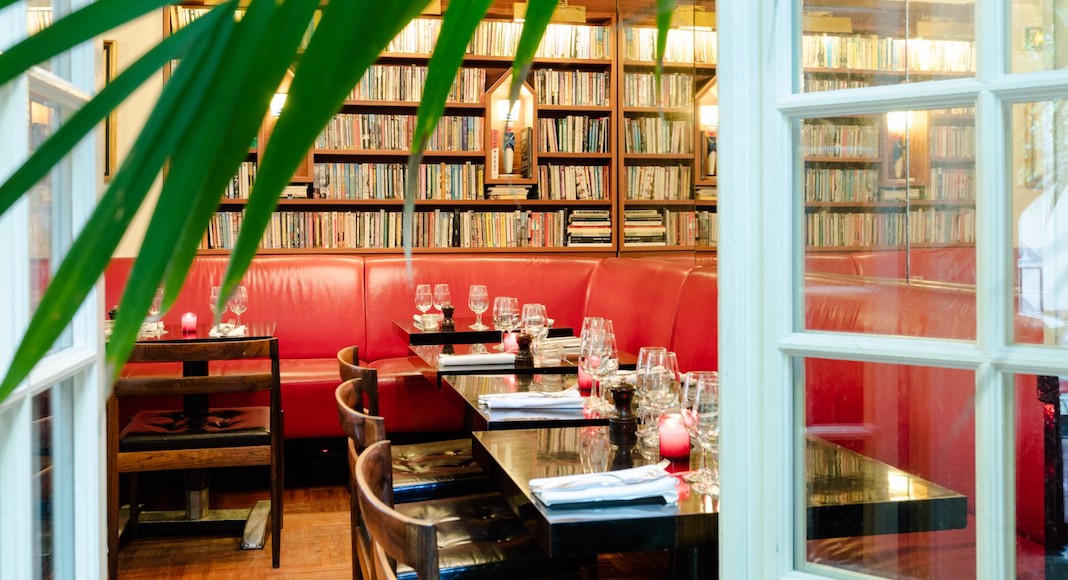
Israeli chef Assaf Granit shifts focus from Mediterranean cooking to Eastern European Jewish cuisine at Boubalé, located in the Grand Mazarin hotel steps from BHV. The menu draws on Ashkenazi traditions - borscht, chicken liver, pastrami, and potato-forward preparations inspired by Granit's Polish grandmother. The vast dining room manages warmth through maximalist touches: doilies, colorful glassware, and grandmother-approved murals. Standout dishes include salmon floating in borscht with pickled turnips, Israeli couscous risotto with spinach, and an exceptional chocolate mousse drizzled with olive oil.



:max_bytes(150000):strip_icc()/tal-american-in-paris-tout-01-a39b6c621fbe4b1fb24f124dd74086be.jpg)

:max_bytes(150000):strip_icc()/tl-paris-with-just-a-carry-on-tout-f9f5861e8cdf4666a62b5b0b7d67706e.jpg)

:max_bytes(150000):strip_icc()/TAl-lead-image-MONTMARTRE0126-300899d589bf4ece9b9c2a6f23f23ef0.jpg)