#pathway-safety
#pathway-safety
[ follow ]
#traffic-safety #urban-planning #pedestrian-safety #transportation #new-york-city #bicycle-infrastructure
fromStreetsblog California
1 day agoBuffy Wicks Pushes Legislation to Cut Red Tape for Transformational Bicycle and Pedestrian Projects - Streetsblog California
"Too often, California makes the best transportation projects fight the hardest for approval. AB 1976 starts to change that by modernizing outdated rules, limiting unreasonable process hurdles, and creating a clearer path to safer, more people-oriented streets," said Marc T. Vukcevich, Director of State Policy, Streets For All.
California
fromFast Company
3 days agoHow Paris redesigned itself to be a city of bikes-not cars
"This project is symbolic of what we've done over the last 12 years, reshaping the streets and the city," Christophe Najovski, the city's deputy mayor in charge of green spaces, stated during the opening ceremony.
Paris food
fromwww.theguardian.com
4 days agoEvery child wants to find joy': the scheme designing playground equipment for disaster zones
Meininger, who grew up in Germany but now lives in London, likes making things. So when he saw how much his young sons enjoyed the jungle gym and play forts at the local park, he made an indoor treehouse for them.
Parenting
Business intelligence
fromLondon Business News | Londonlovesbusiness.com
4 days agoWhy GIS matters in modern infrastructure and urban planning: Building smarter, future-ready cities - London Business News | Londonlovesbusiness.com
GIS is essential for effective urban planning, enabling data-driven decisions that enhance infrastructure and quality of life in rapidly growing cities.
#vision-zero
Alternative transportation
fromFast Company
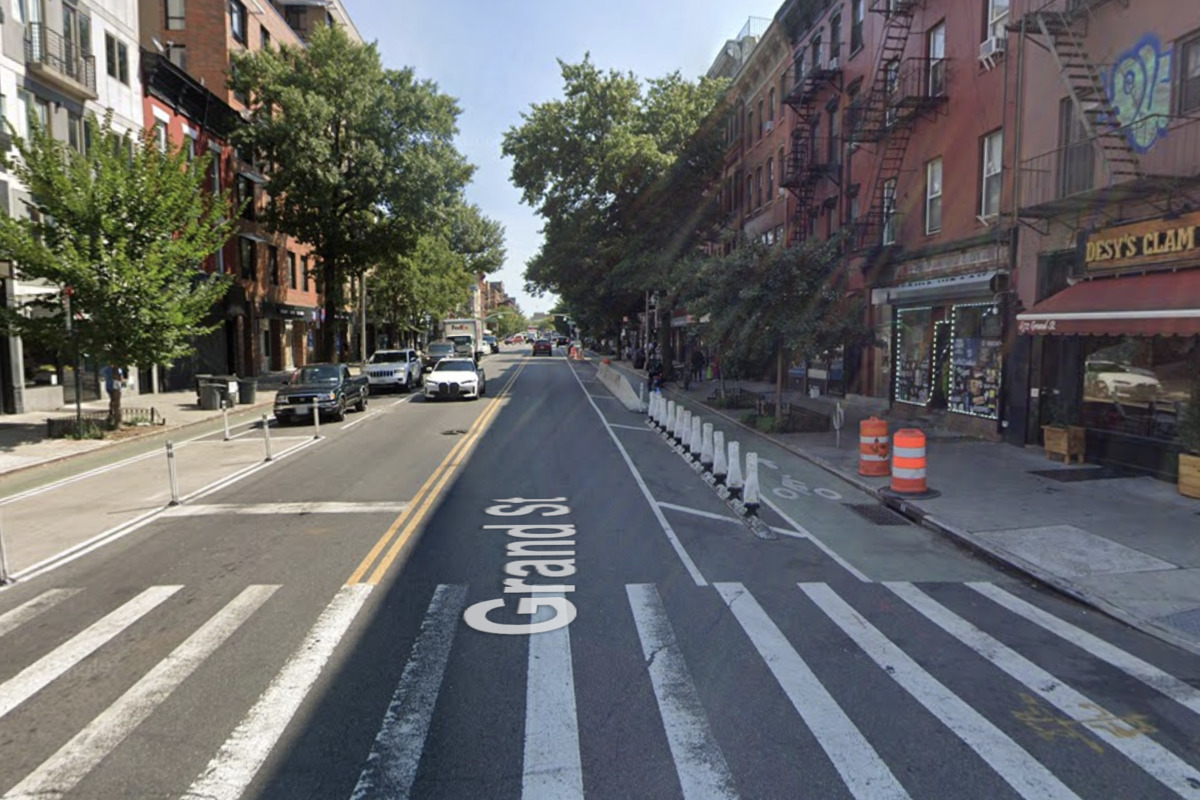
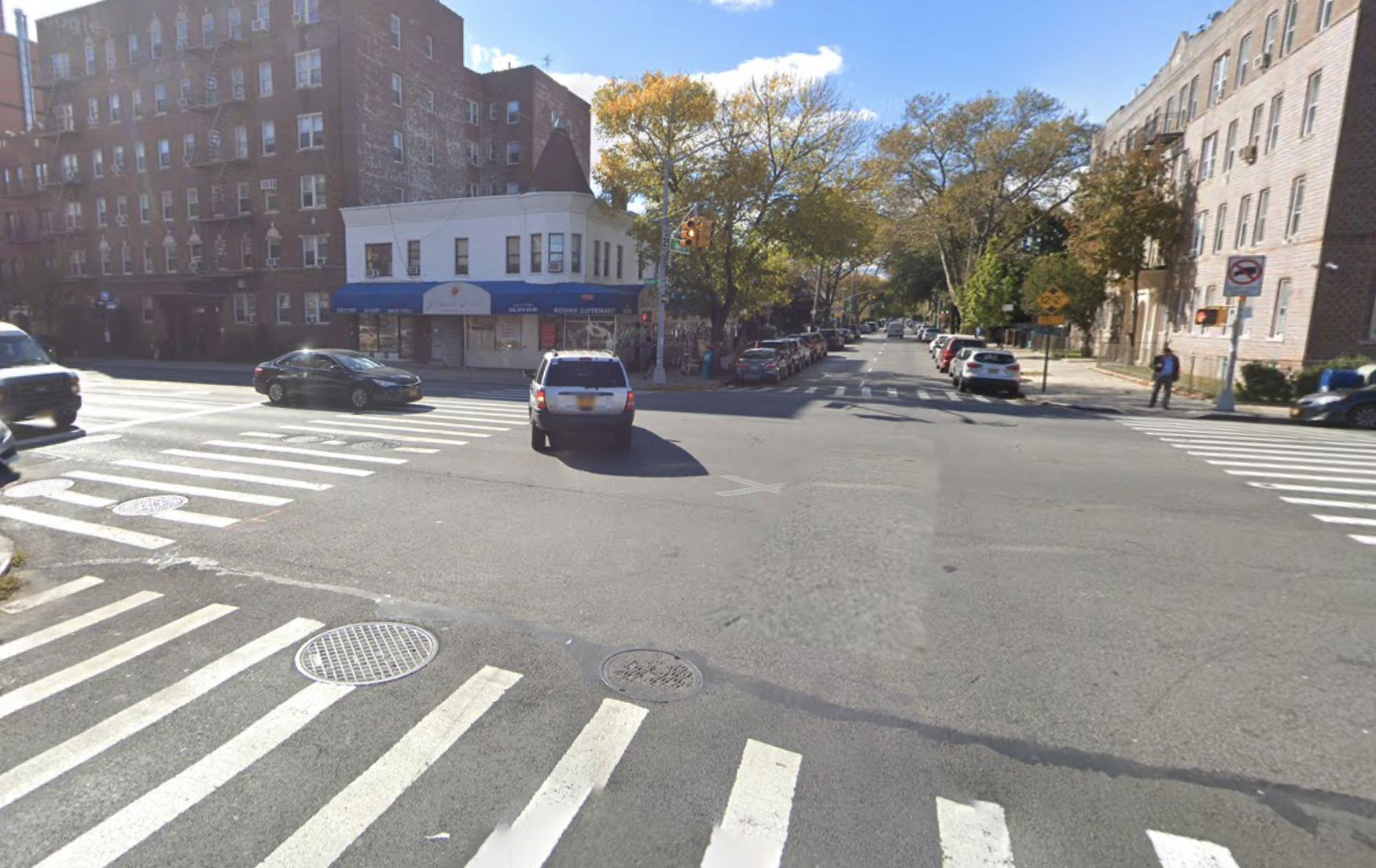
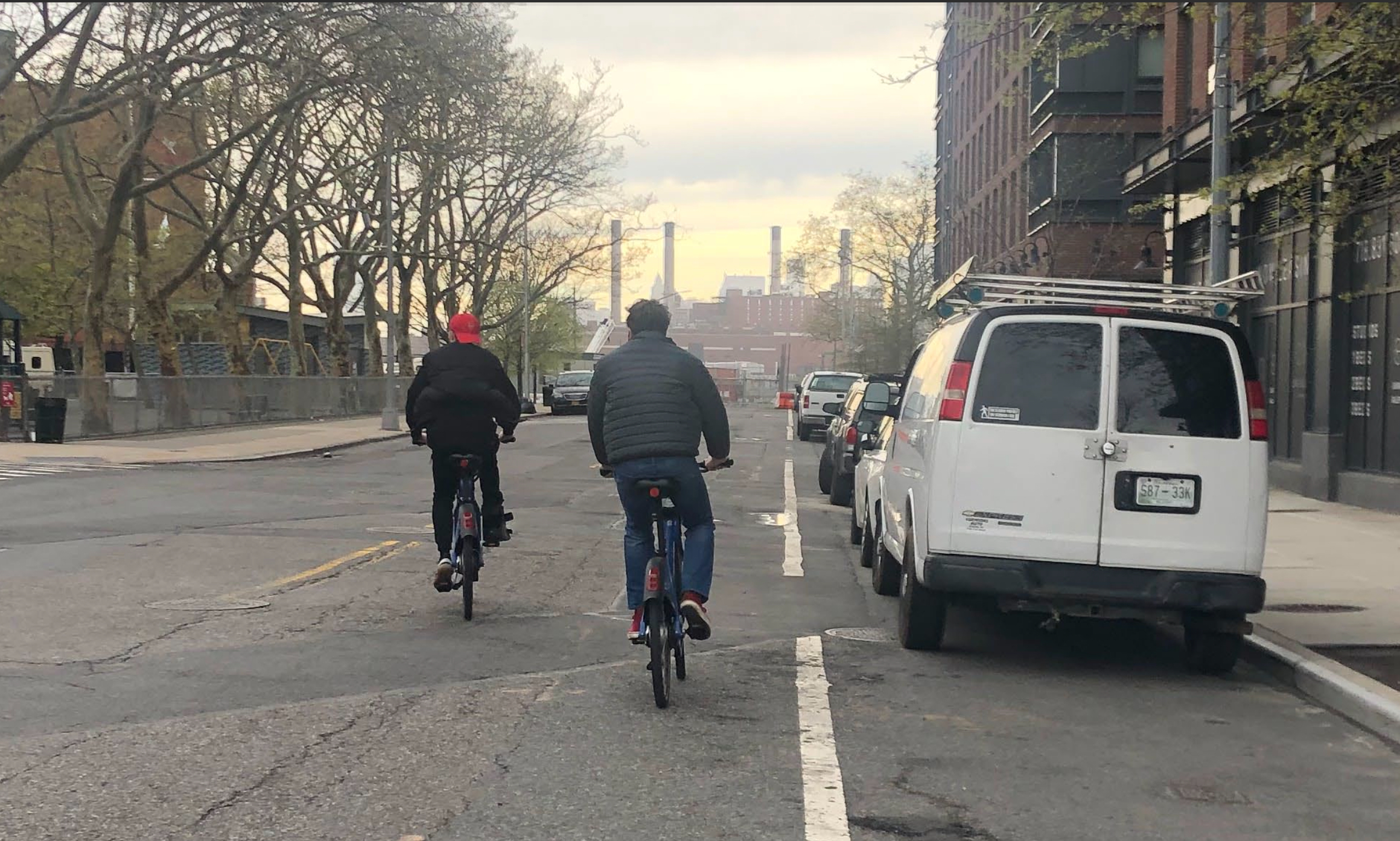
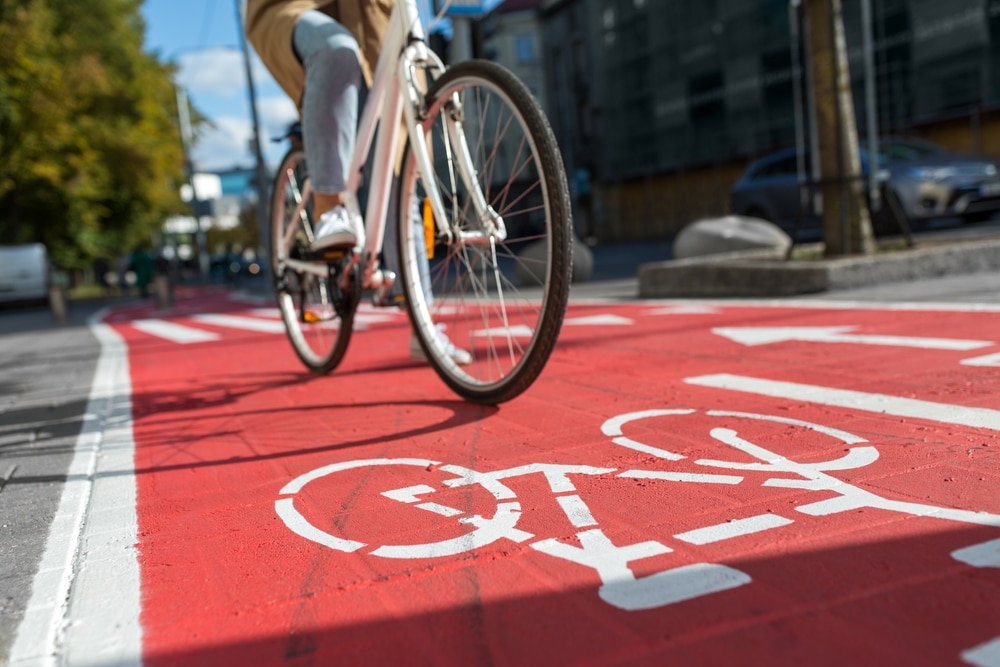
3 weeks agoTraffic safety improvements frequently die by popular vote. It's time to stop that
Vision Zero, a Swedish road safety philosophy, proves traffic deaths are preventable through proper street design, enforcement, and awareness, yet Americans resist safety improvements due to normalized traffic violence.

#e-bikes
Alternative transportation
fromLondon Business News | Londonlovesbusiness.com
3 days agoE-bikes and mental health: Why outdoor riding reduces anxiety fast - London Business News | Londonlovesbusiness.com
Riding e-bikes enhances mental health by providing exercise, fresh air, and a stress-free commuting alternative.
Alternative transportation
fromLondon Business News | Londonlovesbusiness.com
3 days agoE-bikes and mental health: Why outdoor riding reduces anxiety fast - London Business News | Londonlovesbusiness.com
Riding e-bikes enhances mental health by providing exercise, fresh air, and a stress-free commuting alternative.
#brooklyn-bridge
New York City
fromwww.amny.com
1 week agoMamdani's DOT will build separate bike lane entrance on Manhattan-side of Brooklyn Bridge ahead of World Cup | amNewYork
A separate bike entrance will be installed on the Manhattan side of the Brooklyn Bridge to improve safety and access for cyclists and pedestrians.

fromStreetsblog
1 week agoWhy This State Is Fighting To Get Its First 'Active Transportation Plan' - Streetsblog USA
Missouri is the most populous state without a statewide active transportation plan, despite nearly one-third of its residents lacking a driver's license and alarming fatality rates among vulnerable road users.
Alternative transportation
Alternative transportation
fromStreetsblog
2 weeks agoWhy Some Congresspeople Want to Go Big on Greenways - Streetsblog USA
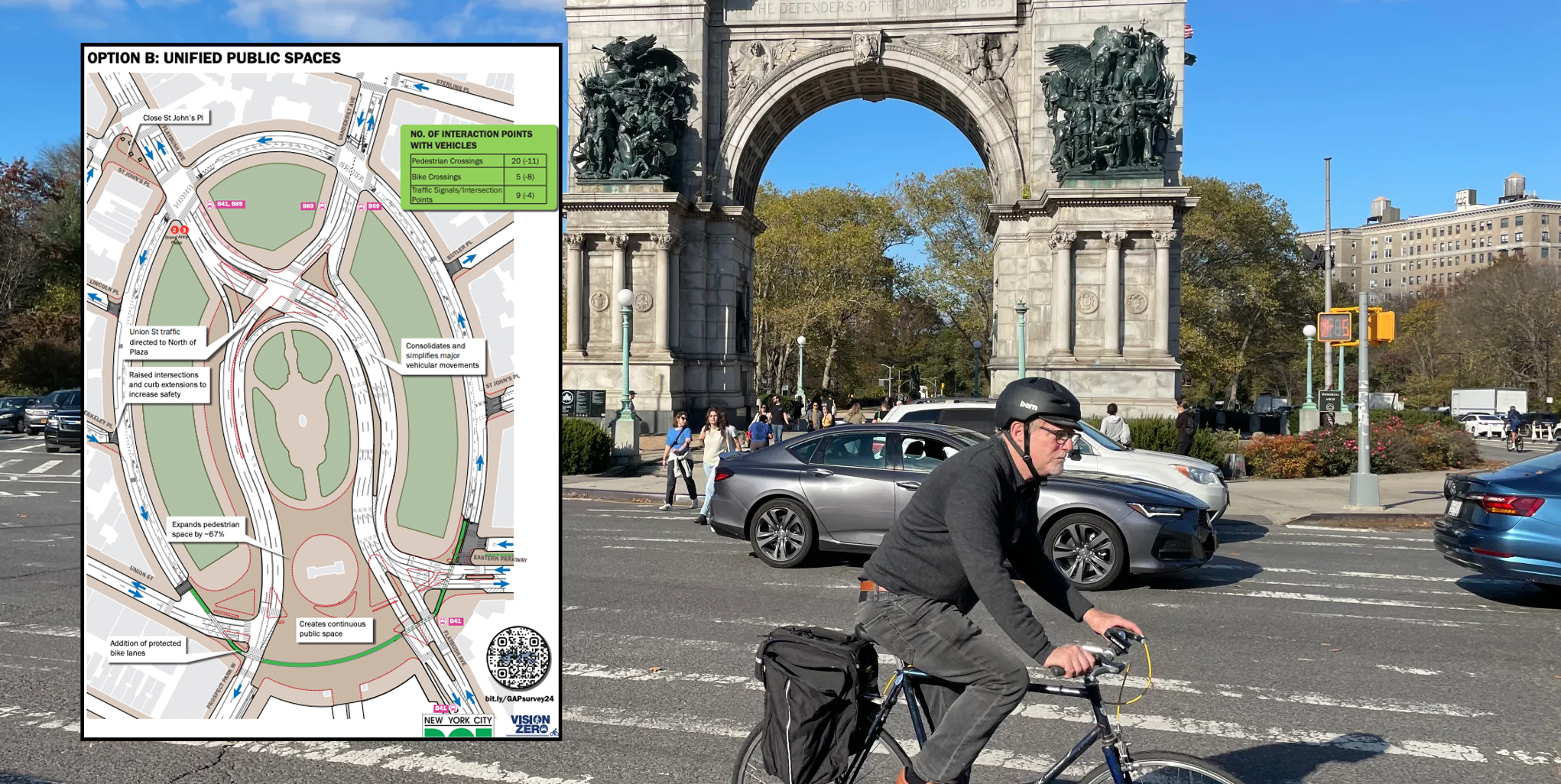
The Parks to People Act proposes $300 million in federal funding for walking and biking infrastructure as essential transportation tools, despite political opposition dismissing them as distractions.
NYC politics
fromStreetsblog
2 weeks agoThursday's Headlines: Backed into a Corner Edition - Streetsblog New York City
Governor Hochul promotes auto insurance deregulation backed by Uber and major insurers spending millions on lobbying, while facing increased scrutiny from press corps over corporate influence.
fromStreetsblog
3 weeks agoThursday's Headlines: Another Outlet Heard From Edition - Streetsblog New York City
Two decades ago, the state created a fund with tens of millions of dollars that was supposed to be in a lockbox to crack down on insurance fraud - but instead was funneled simply to law enforcement agencies' general operating funds. As a result only a tiny portion was spent actually fighting fraud.
NYC politics
fromStreetsblog
2 months agoImproving Road Safety Is A Win For The Climate, Too - Streetsblog USA
Hundreds of preventable fatalities and more than 13 million metric tons of climate pollution would be avoided by 2045 if Congress passed legislation that answered advocates' long- time demand to require state DOTs to set declining annual fatality targets - and reallocate highway money to safety projects if they don't meet those goals, according to a new analysis from Evergreen Action.
US politics
fromFast Company
2 months agoWhat is Complete Streets design and why should we all be using it?
In the 1950s, the Air Force designed cockpits for the average pilot by measuring thousands of pilots and calculating the average for ten key physical dimensions-height, arm length, torso size, etc. They assumed most pilots would be close to average in most dimensions. When researchers actually checked, they found that out of 4,063 pilots, exactly zero were average on all ten dimensions.
Cars
Alternative transportation
fromStreetsblog
1 month agoIs The Safety Of Roundabouts Just For Rich People? - Streetsblog USA
Roundabouts, which reduce injury crashes by 80 percent, are disproportionately installed in wealthy and white neighborhoods while being absent from poor and Black neighborhoods across North Carolina.
fromwww.bbc.com
1 month agoGive cyclists priority at lights, says Lime boss
"Cyclists shouldn't be left on red," Stevenson wrote in an article for news website MyLondon. The traffic light system that prioritises buses contains sensors, so they know when buses are approaching. They can stay green for longer when a bus is approaching, or switch from red to green more quickly if a bus is waiting. "These lights should also allow cyclists to pass through without waiting," Stevenson said.
UK news
fromArchDaily
1 month agoHealth, Habitat, and Civic Infrastructure: Designing the City as a National Park
Cities around the world share a common goal: to become healthier and greener, supported by civic infrastructure that restores ecosystems and strengthens public life. The question is how to reach this. Global climate targets, local building codes, and municipal standards increasingly guide designers and planners toward better choices. Still, many cities struggle to translate these frameworks into everyday, street-level comfort and long-term ecological protection.
Environment
[ Load more ]