Environment
from99% Invisible
1 day agoService Request #4: How Does the Grid in Phoenix Work? - 99% Invisible
Phoenix's extreme summer heat underscores the critical importance of a reliable electrical grid for survival.
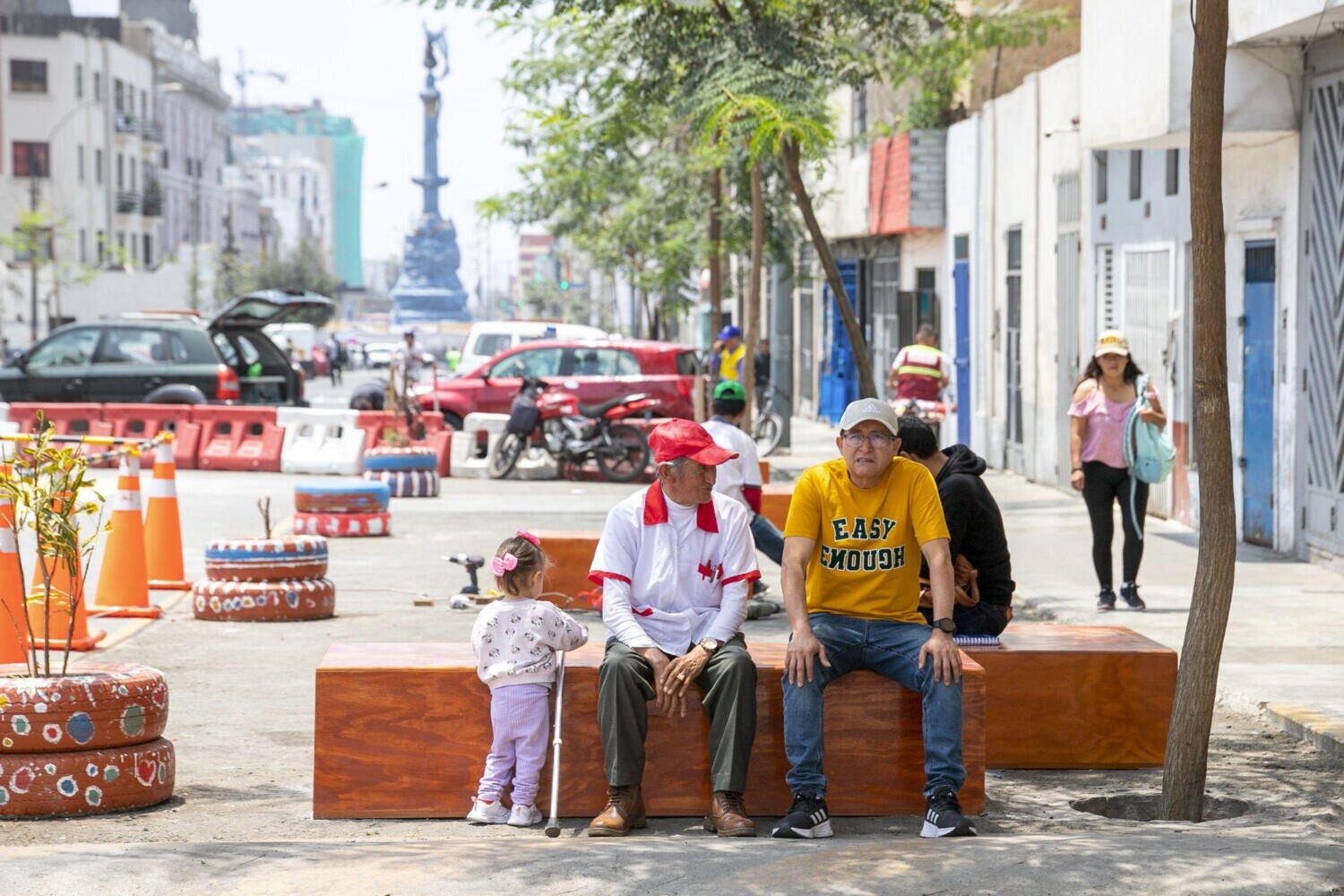
"This project is symbolic of what we've done over the last 12 years, reshaping the streets and the city," Christophe Najovski, the city's deputy mayor in charge of green spaces, stated during the opening ceremony.
Meininger, who grew up in Germany but now lives in London, likes making things. So when he saw how much his young sons enjoyed the jungle gym and play forts at the local park, he made an indoor treehouse for them.
Two decades ago, the state created a fund with tens of millions of dollars that was supposed to be in a lockbox to crack down on insurance fraud - but instead was funneled simply to law enforcement agencies' general operating funds. As a result only a tiny portion was spent actually fighting fraud.
Photovoltaic (PV) solar energy represents a modular technology that can be manufactured in large-scale facilities, generating economies of scale, while also being adaptable to small-scale applications. From residential rooftop systems to large-scale power generation installations, photovoltaic solar energy has established itself as a cost-effective option for electricity production in many countries around the world.
Rather than representing a simple return to the past, this renewed interest reflects a broader reconsideration of how architecture engages with materials, local resources, and environmental conditions.
In the 1950s, the Air Force designed cockpits for the average pilot by measuring thousands of pilots and calculating the average for ten key physical dimensions-height, arm length, torso size, etc. They assumed most pilots would be close to average in most dimensions. When researchers actually checked, they found that out of 4,063 pilots, exactly zero were average on all ten dimensions.
Researchers at the Norwegian University of Science and Technology and the University of Tokyo have made a prototype of botanical cement made of desert sand and plant-based additives in hopes that it can be used to build houses and roads. Once mixed, the team adds tiny pieces of wood together and presses them all with heat to produce the cement.
Judge Jeannette Vargas of Federal District Court in Manhattan had ordered the Trump administration to end a four-month suspension of funding, but as the Daily News, The New York Times, Gothamist and amNY reported yesterday, Vargas stayed her own ruling until Thursday to give the piqued president a chance to appeal to the U.S. Court of Appeals for the Second Circuit.
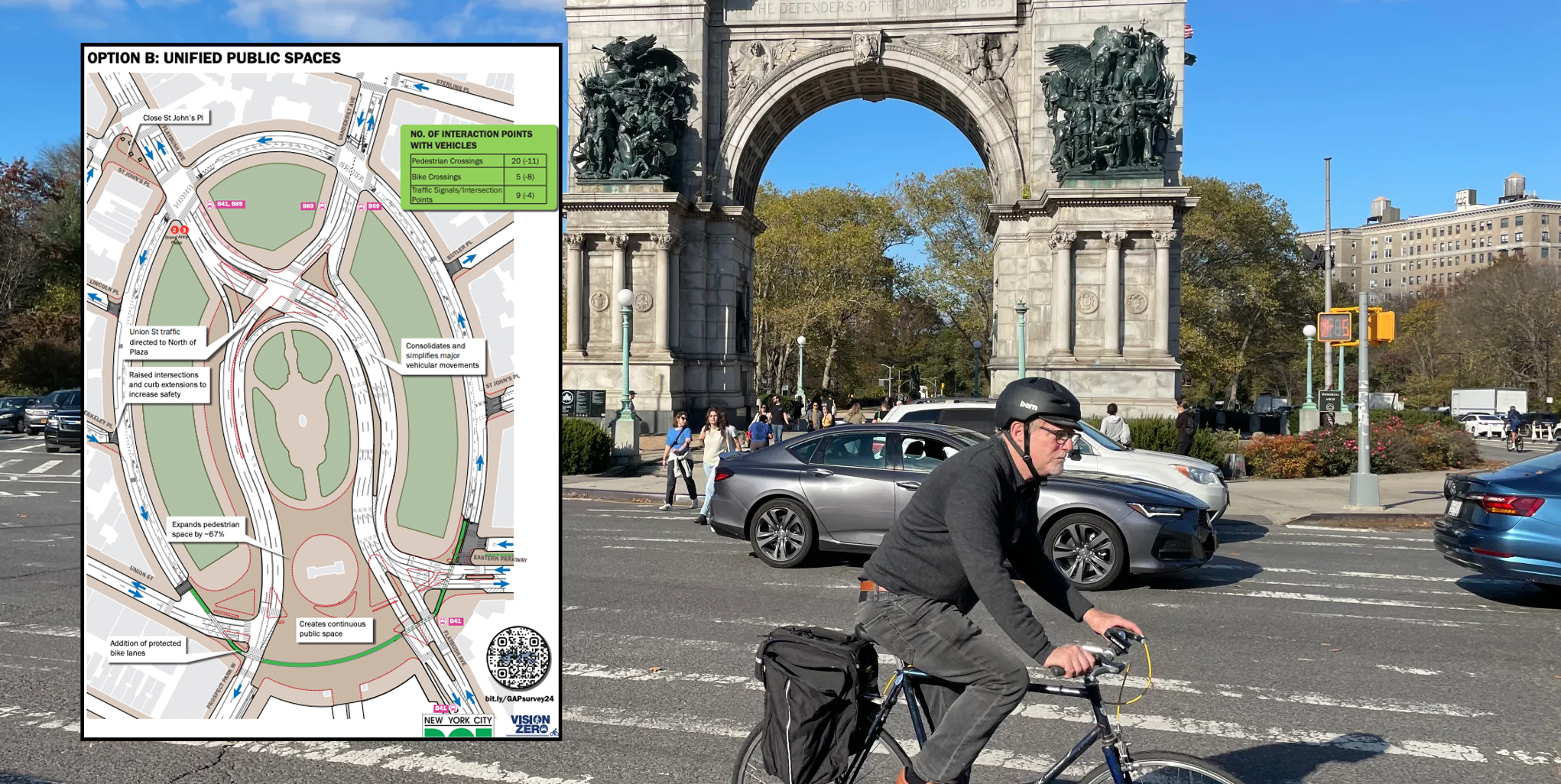
Hundreds of preventable fatalities and more than 13 million metric tons of climate pollution would be avoided by 2045 if Congress passed legislation that answered advocates' long- time demand to require state DOTs to set declining annual fatality targets - and reallocate highway money to safety projects if they don't meet those goals, according to a new analysis from Evergreen Action.
A bridge failure might sound like something from a blockbuster, but real damage usually creeps in slowly. Across the nation, engineers watch thousands of bridges that remain open, yet are far from their best condition. "Structurally deficient" is not a death sentence, but it signals repairs can no longer wait. These 10 bridges handle massive traffic and are a serious concern nationwide today.
Beneath the visible surface of cities lies an invisible architecture. Subways, tunnels, water systems, data cables, and bunkers form a dense network that sustains urban life while remaining largely unseen. The ground beneath our feet is not a void but a complex territory that holds the infrastructures, memories, and anxieties of our age. In recent years, as land becomes scarce and climate pressures intensify, architects and urbanists have turned their gaze downward, rediscovering the subterranean as both a physical and conceptual frontier.
Cities around the world share a common goal: to become healthier and greener, supported by civic infrastructure that restores ecosystems and strengthens public life. The question is how to reach this. Global climate targets, local building codes, and municipal standards increasingly guide designers and planners toward better choices. Still, many cities struggle to translate these frameworks into everyday, street-level comfort and long-term ecological protection.
The detailed checklist by the NYC Greenways Coalition highlights a number of measures and interventions the new mayor can pursue within three separate timeframes: His first 100 days, his first year, and his first term. Given Mamdani's love of cycling, the boosters believe Hizzoner will repair and lengthen the dilapidated paths to complete a sprawling, five-borough network of safe cycling and walking routes.
For many years, bamboo has been mostly known as the favourite food of giant pandas, but a group of engineers say it's time we took it seriously as a building material, too. This week the Institution of Structural Engineers called for architects to be bamboo-ready as they published a manual for designing permanent buildings made of the material, in an effort to encourage low-carbon construction and position bamboo as a proper alternative to steel and concrete.
One of the earliest large-scale examples of composite materials can be found in the Great Wall of China, where stone, clay bricks, and organic fibers such as reeds and willow branches were blended to create a resilient and lasting structure. These early techniques reveal a timeless intuition: distinct materials, when combined thoughtfully, produce properties unattainable by any single element.