#pedestrian-accessibility
#pedestrian-accessibility
[ follow ]
#urban-planning #traffic-safety #pedestrian-safety #brooklyn #new-york-city #transportation #san-francisco

fromStreetsblog California
2 days agoBuffy Wicks Pushes Legislation to Cut Red Tape for Transformational Bicycle and Pedestrian Projects - Streetsblog California
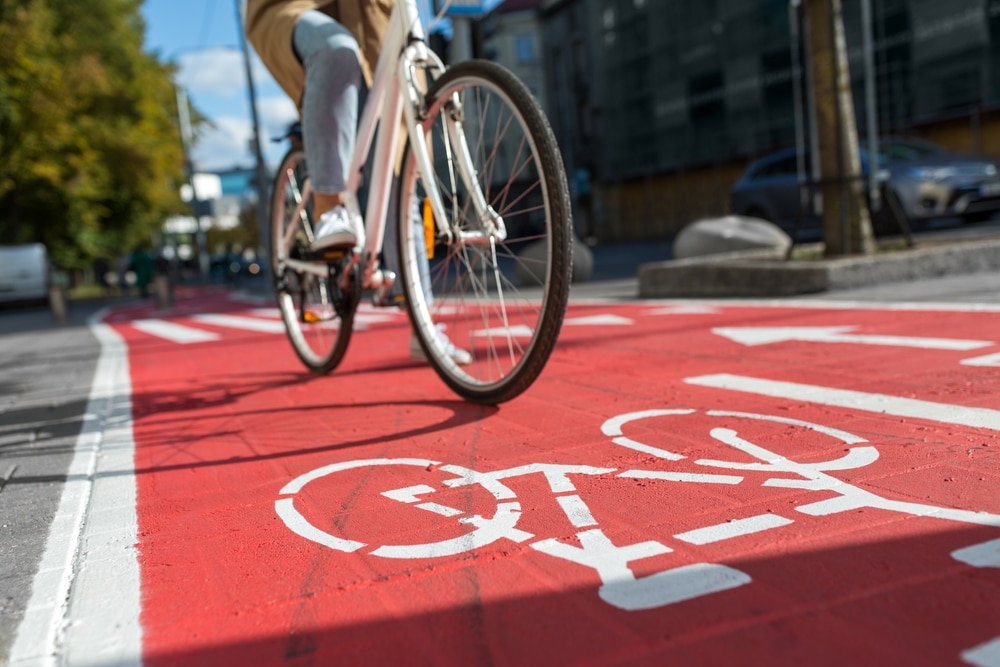
"Too often, California makes the best transportation projects fight the hardest for approval. AB 1976 starts to change that by modernizing outdated rules, limiting unreasonable process hurdles, and creating a clearer path to safer, more people-oriented streets," said Marc T. Vukcevich, Director of State Policy, Streets For All.
California
fromwww.theguardian.com
6 days agoEvery child wants to find joy': the scheme designing playground equipment for disaster zones
Meininger, who grew up in Germany but now lives in London, likes making things. So when he saw how much his young sons enjoyed the jungle gym and play forts at the local park, he made an indoor treehouse for them.
Parenting
Non-profit organizations
fromStreetsblog New York City
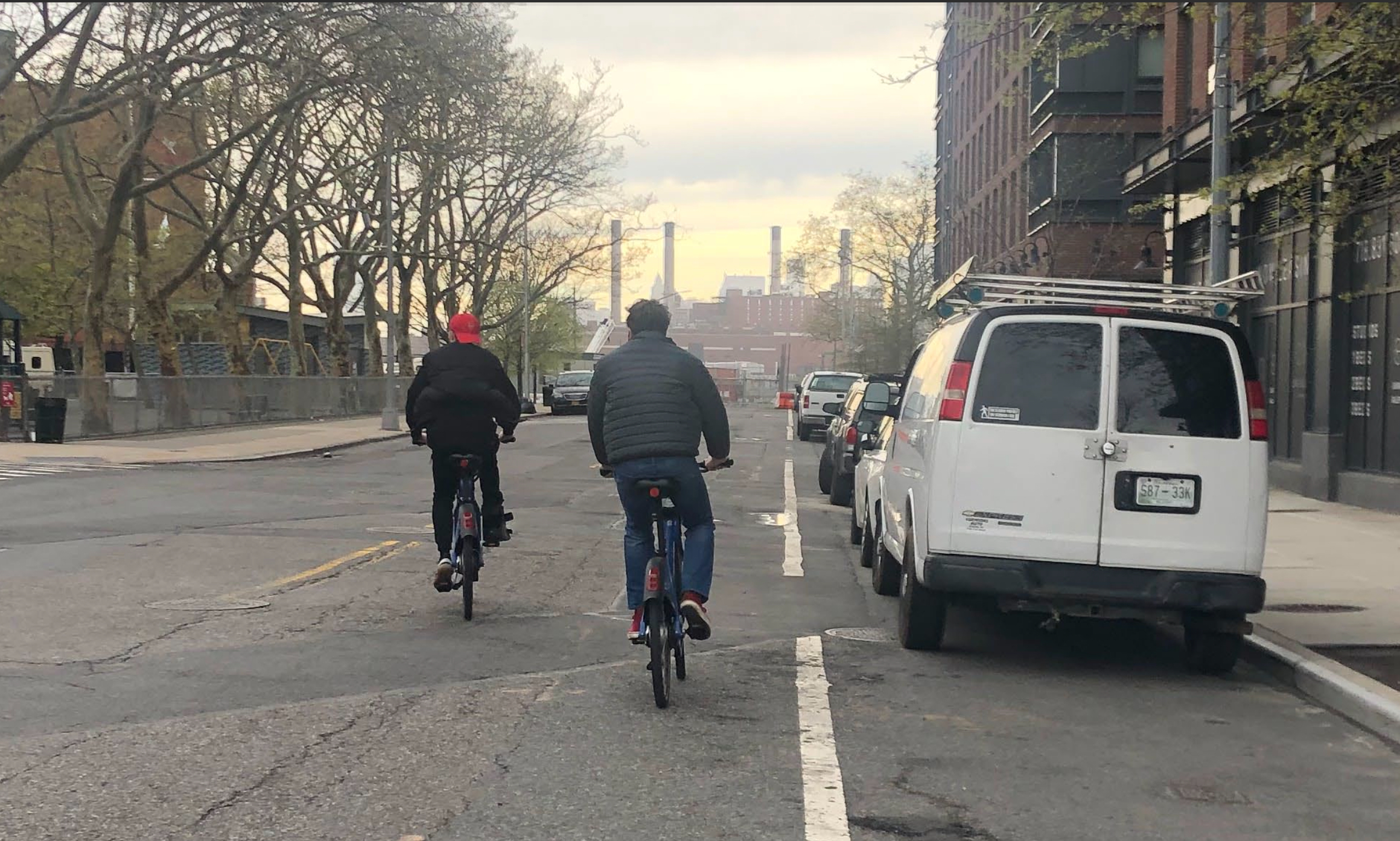
5 days ago'Game-Changer': Non-Profit Throws Financial Lifeline to Open Streets Program - Streetsblog New York City
The new funding model for open streets provides upfront financial support to volunteer organizations, improving efficiency and community engagement.
Business intelligence
fromLondon Business News | Londonlovesbusiness.com
6 days agoWhy GIS matters in modern infrastructure and urban planning: Building smarter, future-ready cities - London Business News | Londonlovesbusiness.com
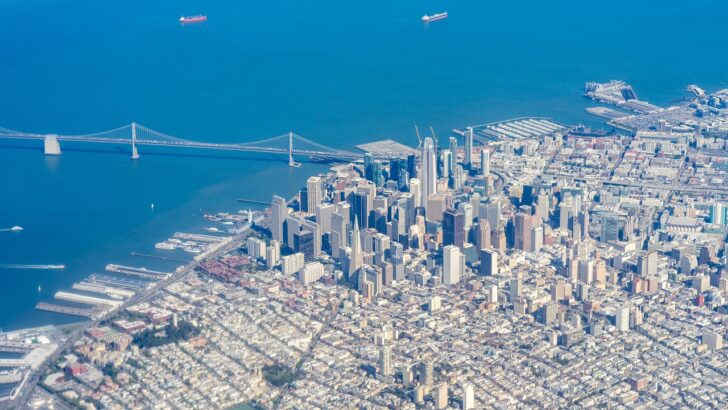
GIS is essential for effective urban planning, enabling data-driven decisions that enhance infrastructure and quality of life in rapidly growing cities.
New York City
fromwww.brooklynpaper.com
2 days agoFare fight: Transit advocates push for expansion of Fair Fares program at Sunset Park subway station Brooklyn Paper
Expansion of the Fair Fares program aims to make transit affordable for over 2 million New Yorkers living at or below 150% of the federal poverty level.
fromArchDaily
4 days agoThe Illusion of Lightness: Designing Civic Voids for Public Life
The original intent of pilotis was to create a sense of lightness that would allow circulation and light to flow beneath a structure, but contemporary requirements render thin columns insufficient for large-scale civic projects.
Renovation
fromFast Company
5 days agoHow Paris redesigned itself to be a city of bikes-not cars
"This project is symbolic of what we've done over the last 12 years, reshaping the streets and the city," Christophe Najovski, the city's deputy mayor in charge of green spaces, stated during the opening ceremony.
Paris food
#vision-zero
Alternative transportation
fromFast Company
3 weeks agoTraffic safety improvements frequently die by popular vote. It's time to stop that
Vision Zero, a Swedish road safety philosophy, proves traffic deaths are preventable through proper street design, enforcement, and awareness, yet Americans resist safety improvements due to normalized traffic violence.
#public-transportation
New York City
fromStreetsblog
2 weeks agoTuesday's Headlines: We Love A Parade (For Pedestrians) Edition - Streetsblog New York City
Mayor Mamdani marches in St. Patrick's Day parade; parade organizers encourage public transit over cars due to spectator crowds, reflecting daily transportation best practices.
fromwww.bbc.com
1 week agoCampaigners celebrate after new town plans dropped
Campaigner Aysha Hawcutt stated that residents were 'not anti-homes', but believed the Adlington plan was 'the wrong proposal in the wrong place'. She expressed pride in the community's resilience against the development threats.
London politics
fromStreetsblog
3 weeks agoNew MTA Accessibility Advisory Panel Guidelines Bar Members from ADA Lawsuits - Streetsblog New York City
The new guidelines released in February suggest that any member of the Advisory Committee for Transit Accessibility "employed by, or affiliated with, an organization that has filed a legal action against the MTA or its subsidiaries and affiliates" can be removed if the MTA determines that affiliation constitutes a conflict of interest.
US news
#pedestrian-safety
California
fromStreetsblog
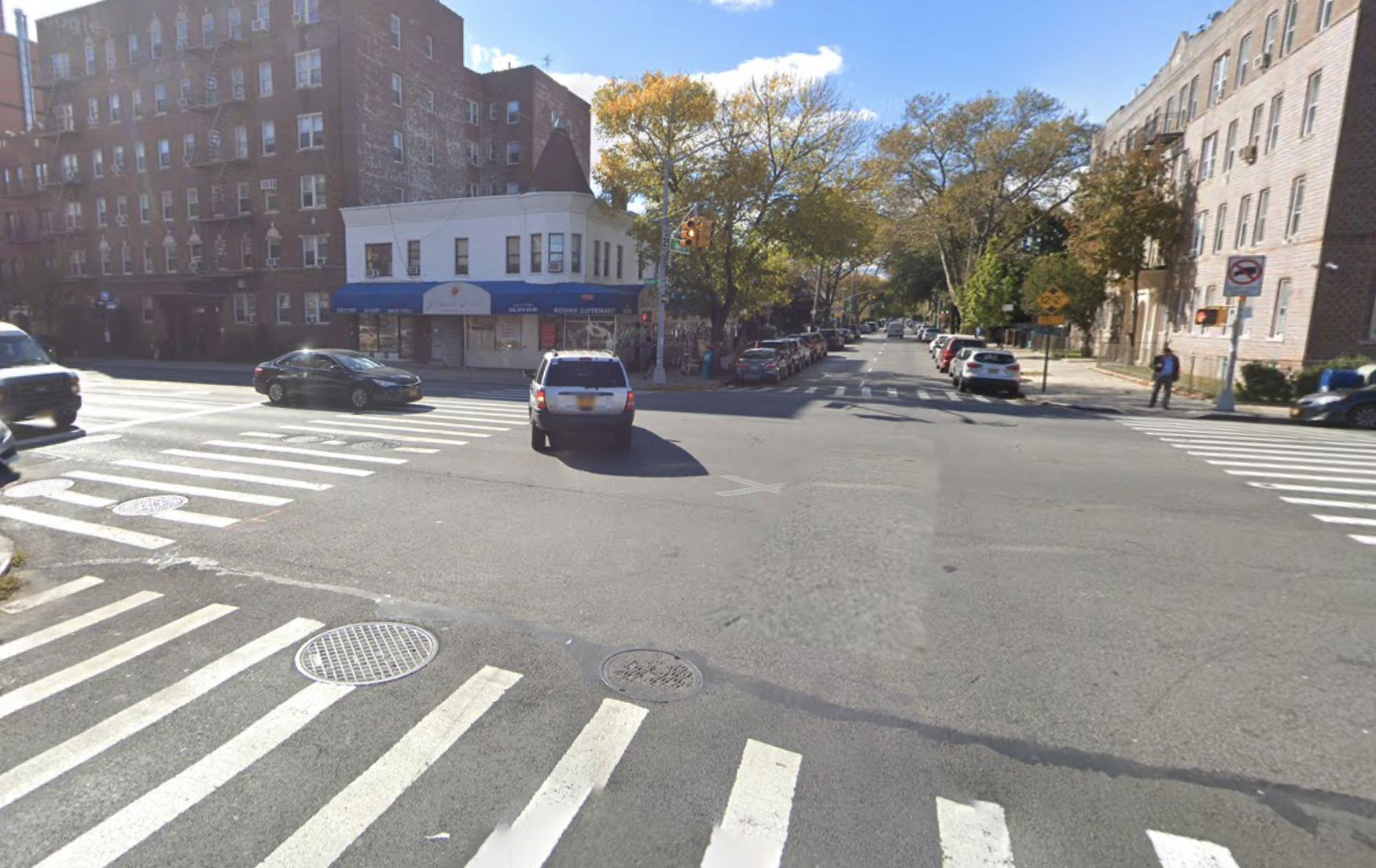
3 weeks agoOp-ed: Sausalito Continues its Quest to Delay Crosswalk Daylighting - Streetsblog San Francisco
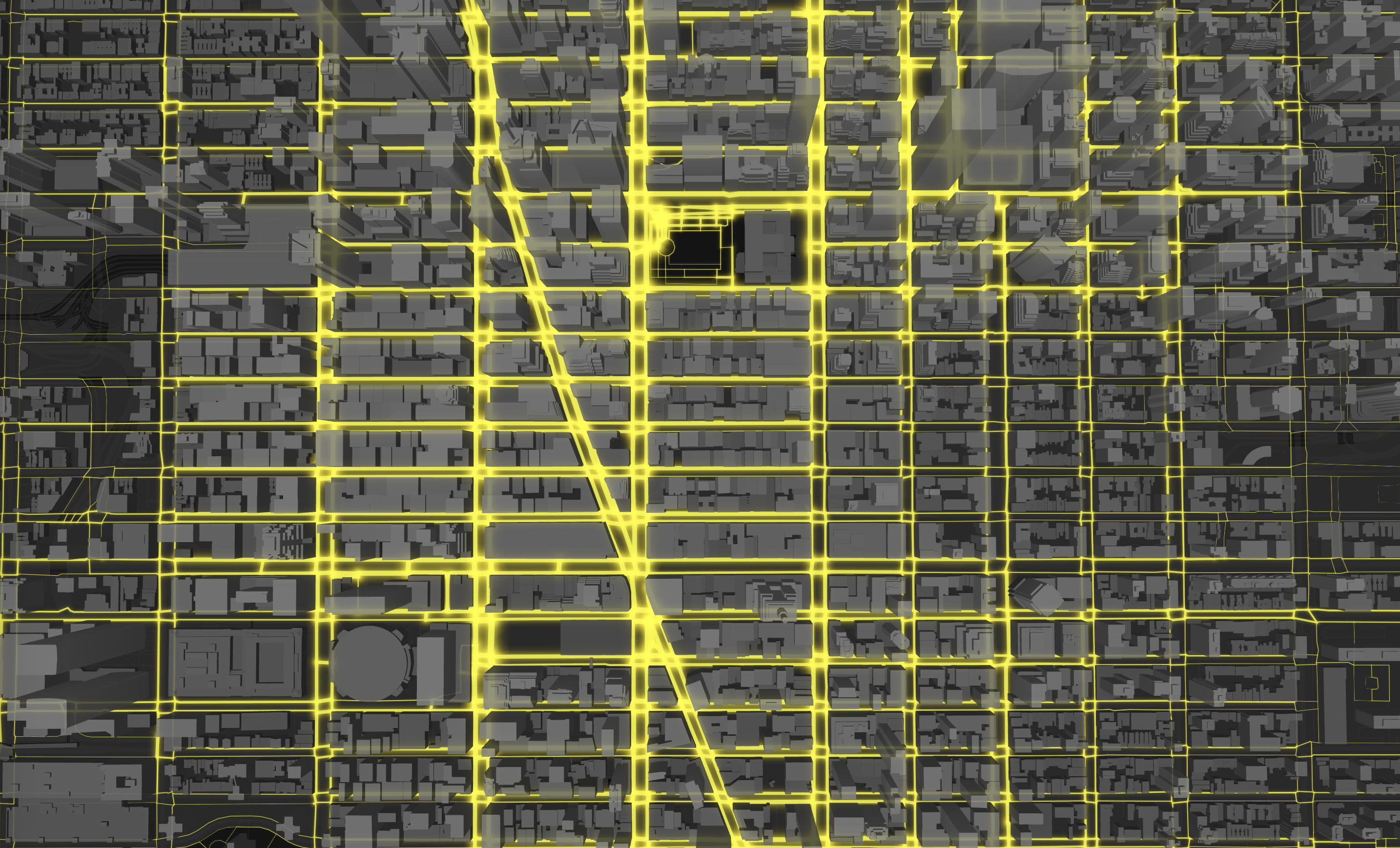
California's AB 413 daylighting law mandates 20-foot clear zones at crosswalks to improve pedestrian visibility, yet Sausalito has delayed implementation 14 months after the January 2025 effective date while pursuing a $63,000 consultant contract.
California
fromStreetsblog
3 weeks agoOp-ed: Sausalito Continues its Quest to Delay Crosswalk Daylighting - Streetsblog San Francisco
California's AB 413 daylighting law mandates 20-foot clear zones at crosswalks to improve pedestrian visibility, yet Sausalito has delayed implementation 14 months after the January 2025 effective date while pursuing a $63,000 consultant contract.
fromStreetsblog
1 week agoWhy This State Is Fighting To Get Its First 'Active Transportation Plan' - Streetsblog USA
Missouri is the most populous state without a statewide active transportation plan, despite nearly one-third of its residents lacking a driver's license and alarming fatality rates among vulnerable road users.
Alternative transportation
Alternative transportation
fromStreetsblog
2 weeks agoWhy Some Congresspeople Want to Go Big on Greenways - Streetsblog USA
The Parks to People Act proposes $300 million in federal funding for walking and biking infrastructure as essential transportation tools, despite political opposition dismissing them as distractions.
fromwww.theguardian.com
1 month agoAnalysis finds urban areas in England where no one lives within 15-minute walk of nature
While the data shows 80% of people live within walking distance of green or blue spaces such as a river, park or woodland, it also reveals a disparity between rural and poorer urban areas. In some areas of local authorities, fewer than 20% of residents live close to these spaces, according to data released by the Department for Environment, Food and Rural Affairs on Wednesday.
Environment
fromwww.bbc.com
1 month agoFlats for the blind could be sold to developer
When I moved in here it truly was my last resort. Since living here I feel like I have the same independent life that my friends have and I just don't want to lose that. The guide dog run is probably the most important thing for me. It's a safe and confined area where I feel comfortable taking my dog out, especially at night.
London politics
#urban-planning

Brooklyn
fromNew York Post
3 weeks agoExclusive | Car-hating NYC pol wants 5 million square feet of new 'pedestrian space' - critics fear 'more gridlock'
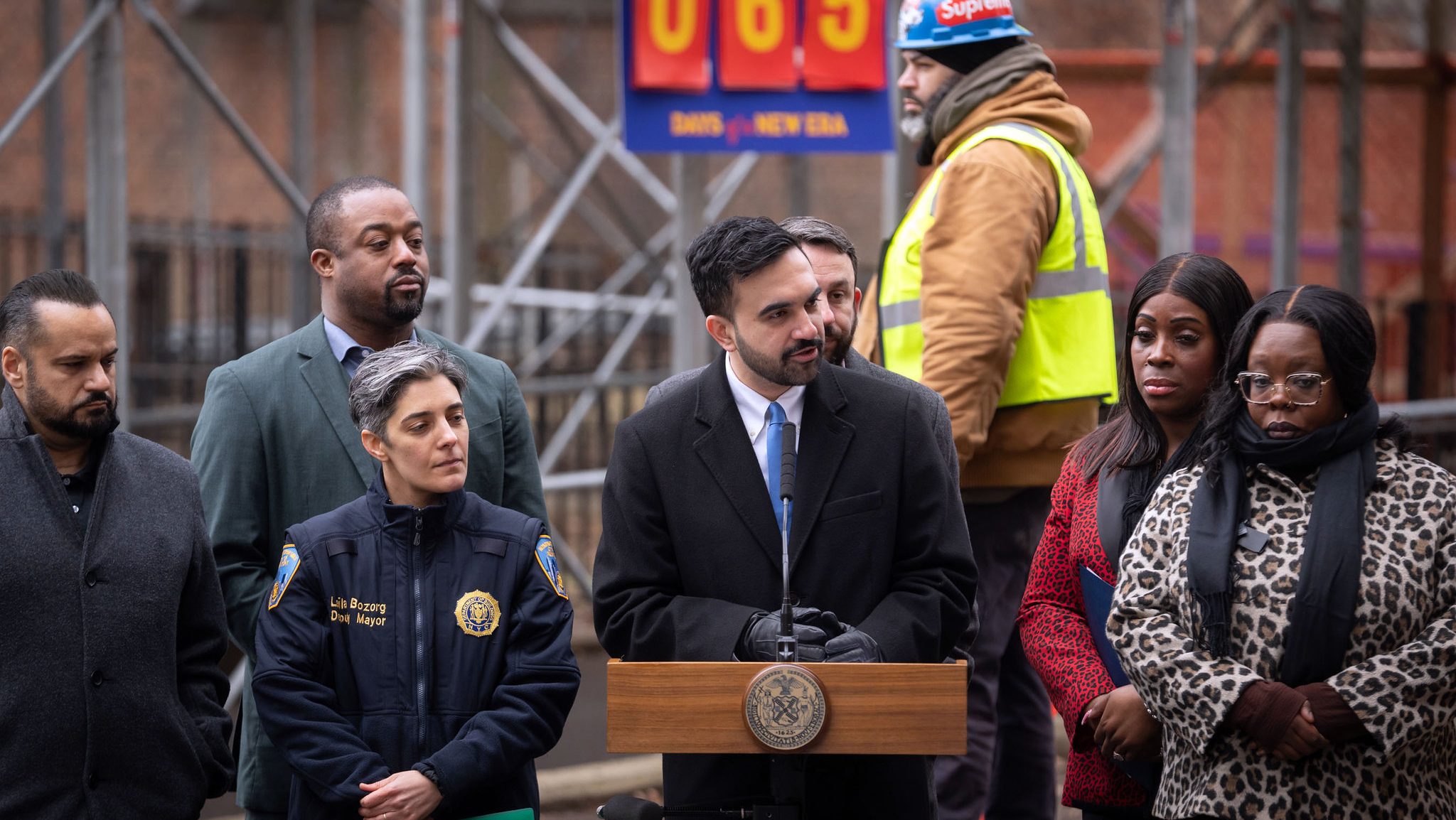
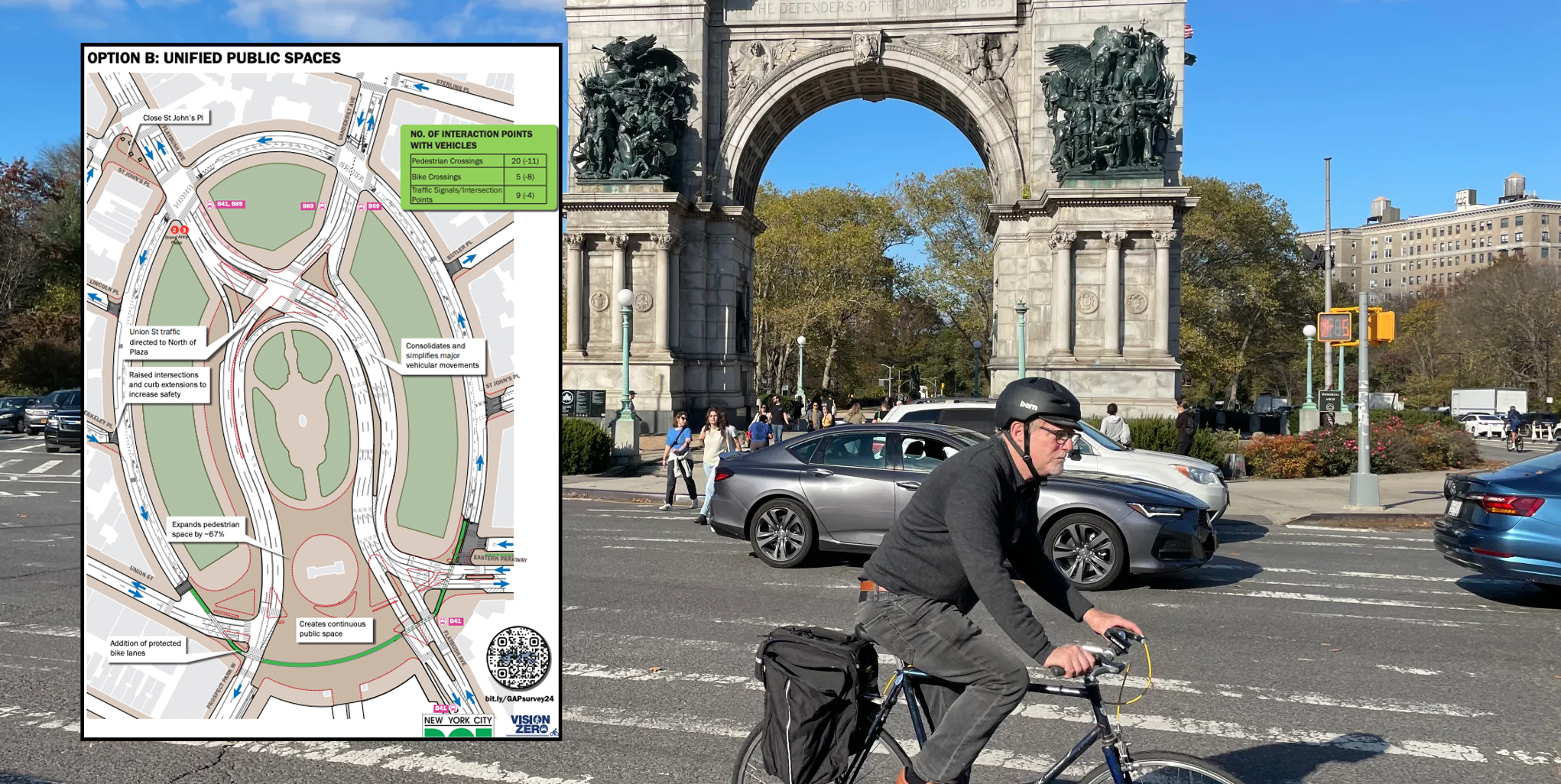
A Brooklyn councilman proposes creating 1 million square feet of annual pedestrian space over five years, requiring the city to prioritize car-free zones near transit hubs without estimating parking and lane losses.
NYC politics
fromStreetsblog
3 weeks agoMonday's Headlines: Daylighting Dead-End Edition - Streetsblog New York City
Mayor Mamdani abandoned his campaign promise to implement universal daylighting citywide, instead supporting DOT's position that parked cars are preferable to daylighting without street furniture hardening.
fromFast Company
1 month agoWhy urban planners should strive for 'the photo album standard'
My family had Slide Show Night when I was growing up. Not every Saturday, but a whole bunch of Saturdays. Either my sister or I would be in charge of setting up the projector, the screen, and loading the carousel. During the show, there'd be a few landscapes or skylines taken during vacations, but almost all the shots were up close. Like most dads, mine wasn't a professional photographer, but he did a good job of capturing memory triggers: faces, gestures, and decorations.
Photography
fromArchDaily
3 weeks agoMobility Justice: Urban Equity in an Era of Innovation
Every city contains two transportation systems. One is the visible network of roads, rail lines, sidewalks, and bus routes mapped in planning documents. The other is the invisible geography of privilege and exclusion embedded within it: the neighborhoods that received highways instead of parks, the communities whose bus routes were cut, the sidewalks that abruptly end at the edge of a district.
Alternative transportation
New York City
fromPlanetizen
3 weeks ago90% of NYC Intersections Lack Audible Crossing Signals for Blind Pedestrians
New York City and other urban areas lack standardized, well-maintained accessibility infrastructure for visually impaired residents, creating safety hazards despite some progress toward ADA compliance.
fromFast Company
2 months agoWhat is Complete Streets design and why should we all be using it?
In the 1950s, the Air Force designed cockpits for the average pilot by measuring thousands of pilots and calculating the average for ten key physical dimensions-height, arm length, torso size, etc. They assumed most pilots would be close to average in most dimensions. When researchers actually checked, they found that out of 4,063 pilots, exactly zero were average on all ten dimensions.
Cars
fromStreetsblog
2 months agoImproving Road Safety Is A Win For The Climate, Too - Streetsblog USA
Hundreds of preventable fatalities and more than 13 million metric tons of climate pollution would be avoided by 2045 if Congress passed legislation that answered advocates' long- time demand to require state DOTs to set declining annual fatality targets - and reallocate highway money to safety projects if they don't meet those goals, according to a new analysis from Evergreen Action.
US politics


New York City
fromNew York Daily News
1 month agoWhat future for dining sheds?: Return our streets to their real purpose for vehicles
Permanent outdoor dining sheds in curbside parking lanes create operational problems for snow removal and street cleaning while providing unfair competitive advantages to some restaurants over others.
fromArchDaily
1 month agoHealth, Habitat, and Civic Infrastructure: Designing the City as a National Park
Cities around the world share a common goal: to become healthier and greener, supported by civic infrastructure that restores ecosystems and strengthens public life. The question is how to reach this. Global climate targets, local building codes, and municipal standards increasingly guide designers and planners toward better choices. Still, many cities struggle to translate these frameworks into everyday, street-level comfort and long-term ecological protection.
Environment
[ Load more ]