#personal-debt
#personal-debt
[ follow ]
#personal-finance #debt-management #financial-advice #credit-card-debt #student-loans #interest-rates #budgeting

#credit-card-debt
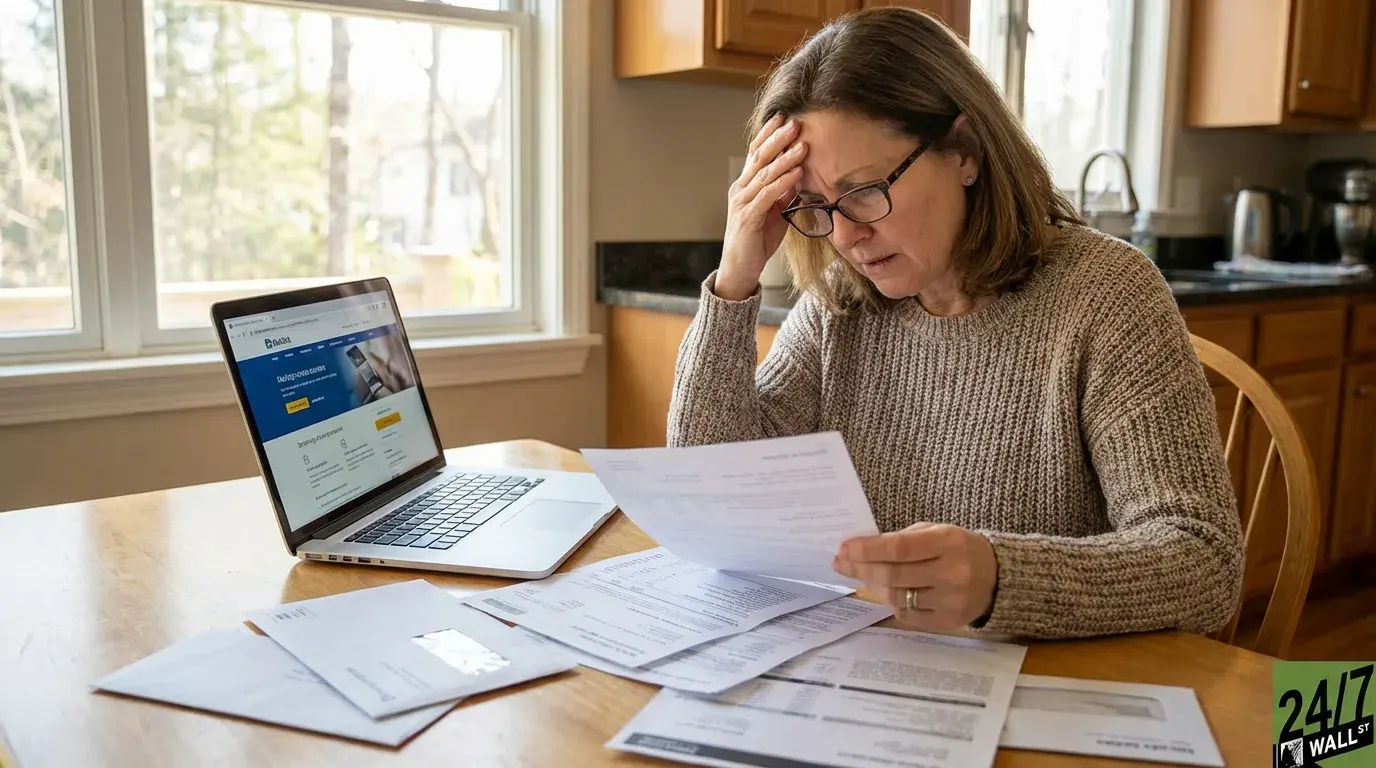
Retirement
from24/7 Wall St.
3 weeks agoSuze Orman Has One Word for Anyone Still Paying Minimum Payments on Credit Card Debt in Retirement
Credit card minimum payments in retirement are financially destructive because high APRs exceed fixed income growth, causing debt to persist for decades while interest charges accumulate beyond the original balance.


Retirement
from24/7 Wall St.
3 weeks agoSuze Orman Has One Word for Anyone Still Paying Minimum Payments on Credit Card Debt in Retirement
Credit card minimum payments in retirement are financially destructive because high APRs exceed fixed income growth, causing debt to persist for decades while interest charges accumulate beyond the original balance.
#personal-finance
Retirement
fromSlate Magazine
1 week agoI Feel Like I'm Missing a Trick to Be Financially Comfortable. What Is It?
Building wealth requires time and consistent saving, not shortcuts or tricks.


Retirement
fromSilicon Canals
1 month agoIf you do these 7 things to save money, you have a level of financial discipline most people lack - Silicon Canals
Financial discipline requires tracking expenses, automating savings, and choosing sustainable habits that prioritize long-term goals over small, recurring conveniences.

#sports-betting
Poker
fromFortune
4 days agoCredit card delinquencies among millennials and Gen Z have soared because of sports betting-even in states where it's illegal, new Fed study finds | Fortune
Credit delinquency rates have increased significantly among sports bettors, particularly affecting Gen Z and millennials after legalization in the U.S.
fromInside Higher Ed | Higher Education News, Events and Jobs
2 days agoDeadlines Are Quickly Approaching for Parent PLUS Borrowers
The One Big Beautiful Bill Act includes the largest overhaul to the federal student aid system in decades, limiting loan repayment and debt forgiveness options for borrowers.
SF parents
Parenting
fromFortune
4 days agoTwo-thirds of parents say their adult Gen Z kids still rely on them financially for support-even though it's putting them under strain | Fortune
Many Gen Zers rely on parental financial support, causing strain on both generations' finances amid a challenging job market and high living costs.
#credit-cards
Travel
fromFortune
6 days agoCredit card annual fees are soaring past $800. Here's why people keep paying them-even as perks are harder to come by | Fortune
Robinhood's Platinum credit card offers travel rewards, DoorDash credits, and a high annual fee, reflecting the trend of premium lifestyle credit cards.

Travel
fromFortune
6 days agoCredit card annual fees are soaring past $800. Here's why people keep paying them-even as perks are harder to come by | Fortune
Robinhood's Platinum credit card offers travel rewards, DoorDash credits, and a high annual fee, reflecting the trend of premium lifestyle credit cards.
#financial-anxiety
Psychology
fromSilicon Canals
1 day ago9 subtle behaviors that reveal someone grew up in a household where money was discussed in whispers, and why those behaviors persist long after financial security has arrived - Silicon Canals
Financial behaviors are shaped by early experiences and trauma, not just knowledge or information gaps about money.
Mental health
fromSilicon Canals
2 weeks agoThere's a specific kind of financial anxiety that has nothing to do with how much money you have. It belongs to people who finally became comfortable but never updated the internal math that was written during scarcity, so every purchase still runs through a threat calculator from 1997. - Silicon Canals
Financial anxiety often stems from past experiences rather than current financial realities, affecting decision-making even in improved circumstances.
#student-loans



Retirement
fromLondon Business News | Londonlovesbusiness.com
1 day agoEvery time you borrow from a bank, you're paying more than you think - London Business News | Londonlovesbusiness.com
Opportunity cost in loans includes lost potential earnings from repayment dollars, not just the interest rate paid.
Parenting
fromSilicon Canals
6 days agoI grew up watching my father count change at the gas station and calculate exact grocery totals before reaching the register, and I make six figures now but I still do the math in my head at the checkout because that arithmetic was never about money. It was the sound of a man making sure his family never felt the moment he couldn't provide. - Silicon Canals
Old habits and behaviors persist regardless of financial status, reflecting deep-seated instincts rather than mere budgeting strategies.
Psychology
fromSilicon Canals
4 days agoPeople who grew up calculating whether they could afford both the drink and the entree before anyone else sat down don't stop doing that math when they earn six figures. The arithmetic isn't financial anymore. It's a loyalty ritual to a younger version of themselves who promised never to be caught without an exit. - Silicon Canals
Child poverty in the U.S. leads to adult poverty more than in Denmark, Germany, the UK, or Australia, with lasting effects beyond financial circumstances.
Mental health
fromSilicon Canals
2 weeks agoI grew up lower middle class and the thing nobody understands is that we didn't budget because we were disciplined. We budgeted because we'd already done the math on what happens when the car breaks down in the same month the insurance is due, and that math never leaves your body even after the numbers change. - Silicon Canals
Financial scarcity rewires the body and mind, creating lasting effects on budgeting and spending behaviors rooted in stress and dread.
Careers
from24/7 Wall St.
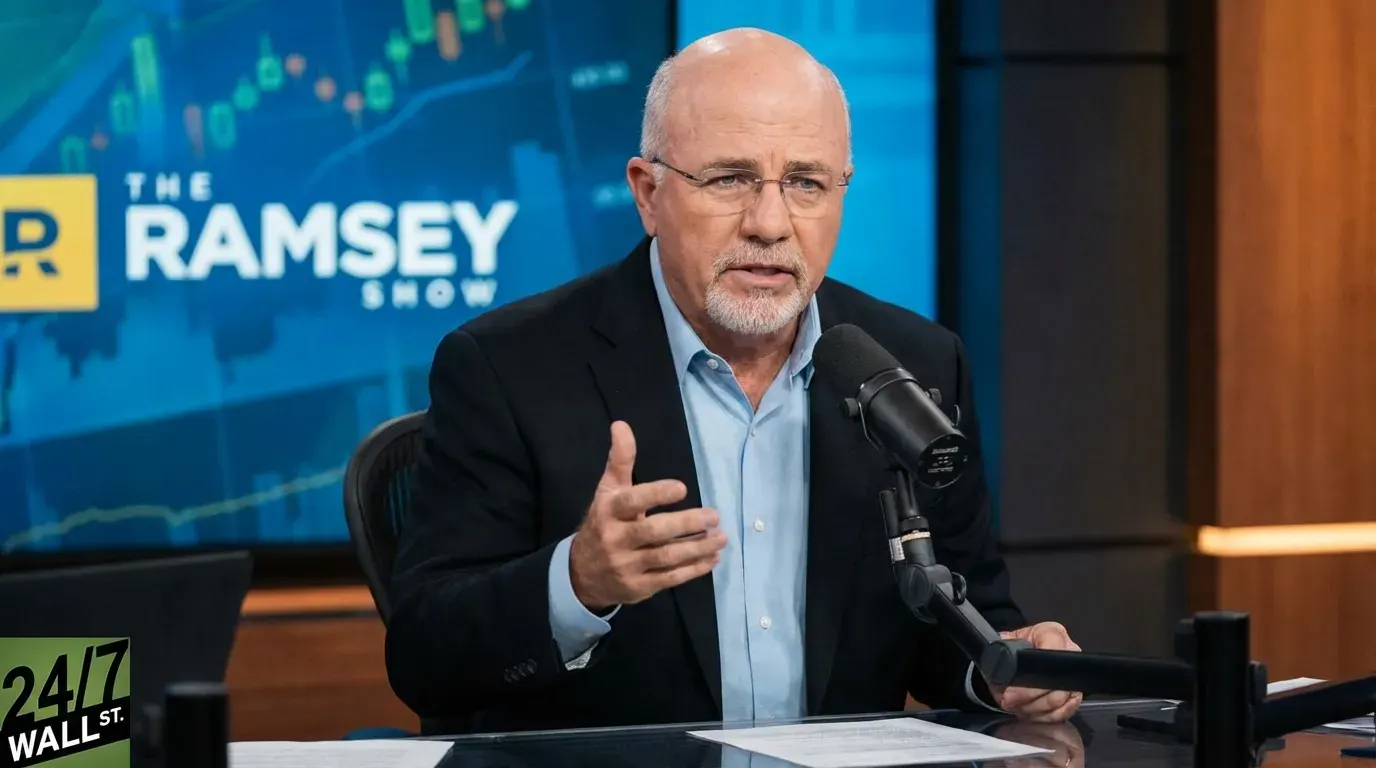
3 weeks agoDave Ramsey: "You Haven't Been Paid in 20 Weeks But You Only Recently Discovered That?"
A master electrician went 20 weeks without full paychecks, losing $18,000 in wages while distracted by major life events, revealing how wage theft operates gradually in small businesses through delayed and partial payments.
fromwww.independent.co.uk
4 weeks agoWhat changes are coming to credit score files and what does it mean for you?
Your credit file (or credit report) is a detailed, six-year history of your borrowing, repayment behaviour, and financial public records. It includes payments for credit cards, loans, mortgages, mobile contracts, and utilities. Lenders check credit files to decide whether to approve applications and what interest rate to offer.
EU data protection
fromwww.aljazeera.com
1 month agoWhen money is scarce, every choice counts: Bank, cash, or credit?
I have not touched a paper note for months. I don't even have money to pay for a taxi. Now we walk a lot, for long distances. Palestinians in Gaza use the Israeli currency, the shekel, in their daily transactions, and depend on Israel to supply banks with new banknotes and coins.
World news
Business
fromIndependent
1 month agoMoney experts on the pros and cons of borrowing - and whether they have any loans themselves
Debt can be categorized as good or bad depending on whether it finances appreciating assets or depreciating expenses, making strategic borrowing potentially beneficial despite cultural stigma against all debt.
Miscellaneous
fromLondon Business News | Londonlovesbusiness.com
1 month agoHow does a personal loan work? From bank loans to alternative financing options - London Business News | Londonlovesbusiness.com
Personal loans are unsecured borrowings repaid in fixed monthly installments, approved based on credit profile and income, commonly used for debt consolidation, emergencies, and home improvements.
fromLondon Business News | Londonlovesbusiness.com
1 month agoWhat are my rights as a borrower? - London Business News | Londonlovesbusiness.com
Taking out a loan can feel like stepping into unfamiliar territory. Questions pile up fast. How much can they charge me? What happens if I miss a payment? Can they call my workplace? Here's what most borrowers don't realize. Singapore's Moneylenders Act grants you significant legal protections. These aren't suggestions lenders can ignore. They're enforceable rules backed by the Ministry of Law. Every licensed money lender operating in Singapore follows them. No exceptions.
Law
Business
fromSlate Magazine
2 months agoI Never Learned the Most Important Money Lesson When I Was Young. Now I'm Dealing With the Difficult Consequences.
Refinance the 38% personal loan and prioritize paying high-interest credit-card balances while improving credit score before applying for debt consolidation.
fromBusiness Insider
1 month agoI needed to save money, so I challenged myself to a 30-day spending freeze. I learned a lot about my financial habits.
My goal was to only pay bills. I didn't want to buy anything extra, but I knew things always come up, like my son needing something for school. I told myself ahead of time that I could "break the freeze" for absolute necessities only. Over the 30 days, copays for doctor's appointments and prescription costs were the only unexpected purchases I made.
Mindfulness
from24/7 Wall St.
3 weeks agoDave Ramsey: "You Can't Put $2,500 Away Because You Got $86,000 in Debt Sucking the Bone Marrow Out of Your Life"
You can't put $2,500 away right now because you got 86,000 freaking dollars in debt sucking the bone marrow out of your life. The key phrase is 'focused investing.' That only happens after the debt is gone. $2,500 per month represents exactly 15% of a $200,000 annual income. Right now, that $2,500 is not available because it's already being consumed by debt service.
Retirement
from24/7 Wall St.
1 month agoThree Expensive Lessons I Learned Too Late About Money
Looking back, it's easy to spot the moments where things could have gone differently. At the time, each financial decision felt justified, and sometimes even smart! Whether it was driven by optimism, pressure, or a belief that I could "figure it out later," I made choices that seemed reasonable in the moment but were costly over time. What surprised me most wasn't just the money lost, but how similar the underlying mistakes were.
Real estate
fromBusiness Insider
2 months agoI found dozens of recurring charges on my credit card. I had been wasting $1,600 a year on subscriptions I didn't even use.
At the beginning of the year, I looked more closely at one particular statement than I had before. I was shocked by the number of transactions I didn't recognize. They turned out to be subscriptions. My 17-year-old daughter told me that she'd been offered a special deal at the Verizon store: access to Apple Music for up to six people for $10 a month. She was desperate to take advantage of the promotion and said the streaming service had an amazing selection of songs.
Business
[ Load more ]