#petrochemical
#petrochemical
[ follow ]
#oil-prices #strait-of-hormuz #chevron #geopolitical-tensions #energy-sector #oil-spill #iran #geopolitical-risk
#oil-prices


World news
fromwww.dw.com
4 weeks agoIran war: How long before Gulf nations stop pumping oil?
Israel's strikes on Iran's energy infrastructure and Iran's closure of the Strait of Hormuz threaten to shut down Gulf oil production and disrupt global energy markets, with oil prices spiking to $120 per barrel.
World news
fromwww.dw.com
4 weeks agoIran war: How long before Gulf nations stop pumping oil?
Israel's strikes on Iran's energy infrastructure and Iran's closure of the Strait of Hormuz threaten to shut down Gulf oil production and disrupt global energy markets, with oil prices spiking to $120 per barrel.

fromwww.aljazeera.com
1 week agoHow important are the Gulf economies to the world?
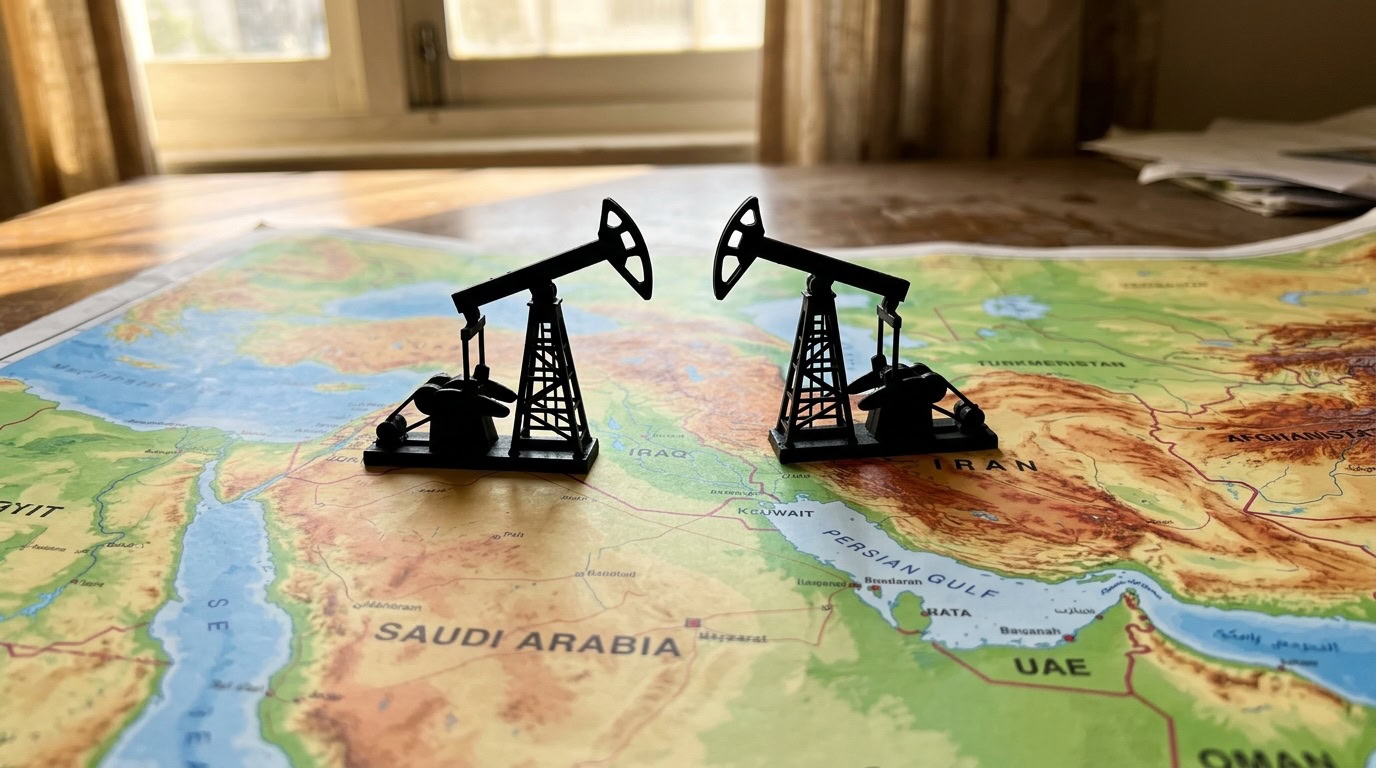
The ongoing conflict between the US and Israel against Iran is creating significant challenges for Gulf Arab nations, which are already feeling the economic strain from rising tensions and instability in the region.
World politics
fromTNW | Asia
6 days agoSouth Korea turns to Russian naphtha as chip supply chain faces Middle East crisis
South Korea imports about 45 percent of its naphtha, a critical petrochemical feedstock, with roughly 77 percent of those imports historically arriving from the Middle East. That supply line is now, for all practical purposes, severed.
World news

Europe news
fromwww.theguardian.com
3 weeks agoOil company shares soar to all-time highs as Middle East war turbocharges price per barrel
Major oil company stock valuations surged over $130bn in two weeks following US-Israeli attacks on Iran, with western super majors reaching all-time highs amid global energy supply disruptions.
from24/7 Wall St.
3 weeks agoThe 2 Energy Stocks Built to Last Forever Through Every Oil Cycle
The symbiotic relationship between Diamondback and Viper is highlighted during times like these where Diamondback continues to focus its development on wells where Viper owns high royalty interests. That structural advantage doesn't erode with oil prices.
Venture
fromEntrepreneur
3 weeks agoExxon Just Decided to Ditch New Jersey for Texas. Here's the Real Reason Why.
The Board believes Texas legislators, judges, and juries who might make decisions that impact Exxon Mobil are generally more familiar with our business and operations. A new Texas law makes it harder for shareholders to sue companies by requiring a minimum stock ownership to file lawsuits, providing legal protection that serves as the real draw for redomiciliation.
Toronto startup
from24/7 Wall St.
3 weeks agoTrump Hails First New U.S. Refinery in 50 Years -- Why Smart Investors Are Choosing Marathon Petroleum Instead
Despite its patriotic branding and apparent alignment with Trump's America First agenda, the project's origins trace back to the Biden administration. The refinery concept was revived and permitted in 2024 under the name Element Fuels Holdings, with site preparation and approvals occurring well before Trump's return to office.
Washington DC
fromFortune
2 weeks agoWhy Trump is paying a French energy giant almost $1 billion to abandon U.S. offshore wind projects in favor of natural gas | Fortune
TotalEnergies will abandon offshore wind projects deemed too big and expensive without federal subsidies in the U.S., opting instead for onshore wind, solar, and battery storage.
Environment


#energy-crisis
Europe news
fromwww.theguardian.com
3 weeks agoDo we want to keep fixing the same issue? Unlearned lessons from the first big oil crisis
Europe's 1970s energy crisis responses—nuclear power, building insulation, renewables, and efficiency—were abandoned after Ukraine invasion, repeating fossil fuel dependency mistakes that now require accelerated green transition.

Miscellaneous
from24/7 Wall St.
1 month agoIf Oil Hits $100 These Are the Energy Dividends You Want to Own
WTI crude at $80/barrel remains $20 below $100 threshold; geopolitical tensions from Iranian leadership change and U.S.-Iran escalation could drive prices higher, reshaping energy sector cash flows and dividend stock valuations.
Venture
from247wallst.com
1 month agoMidstream Dividends From EPD, Williams, and ONEOK Are Built to Survive Oil Price Chaos
Midstream energy companies with fee-based models provide dividend stability regardless of oil prices, while integrated oil majors like Chevron face direct earnings exposure to crude fluctuations.
fromFortune
3 weeks agoThe next energy superpower will make its own fuel | Fortune
The Strait of Hormuz - a narrow waterway through which roughly a fifth of the world's oil supply passes - has effectively closed to tanker traffic amid the escalating U.S.-Israeli strikes on Iran. Once again, the global economy is discovering the same uncomfortable truth: Modern energy security depends on supply chains that can break overnight.
World politics
fromenglish.elpais.com
3 weeks agoAn oil spill in the Gulf of Mexico is met with two weeks of evasive responses
Beaches, mangroves, fish, turtles and manatees. Little by little, oil has coated them all. About two weeks have been enough for the sticky black residue to permeate everything in its path. Its advance has been met with an outcry. Since the first fishermen in the Gulf of Mexico reported the discovery of chapapote (petroleum residue) in their nets on March 2, the progression has been documented by the affected communities.
Environment
Europe news
fromLondon Business News | Londonlovesbusiness.com
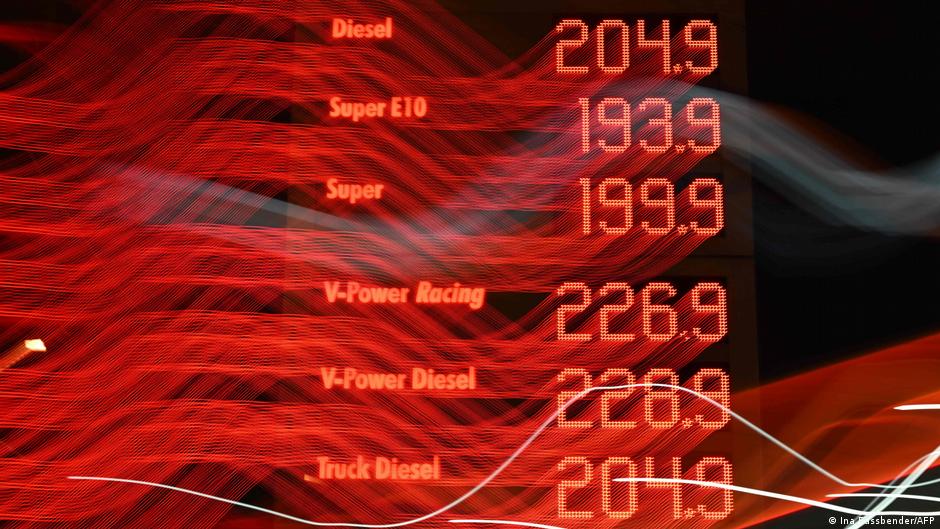
1 month agoMiddle East is likely to impact diesel prices across Europe - London Business News | Londonlovesbusiness.com
Military escalation between the US, Israel, and Iran has caused crude oil prices to surge 10-12%, with the Strait of Hormuz disruption threatening global energy markets and European fuel supply chains.
from24/7 Wall St.
4 weeks agoTankers Surge on Rising Oil Prices: FRO, NAT, DHT Add to Massive 2026 Returns
When geopolitical tensions disrupt normal shipping routes through the Strait of Hormuz or the Red Sea, tankers must travel longer distances to deliver crude oil. More days at sea means higher utilization rates and more revenue per voyage. On top of that, higher oil prices increase the value of the cargo being transported, which supports stronger charter rate negotiations between tanker owners and the oil majors that need their ships.
World news
World politics
fromTruthout
3 weeks agoWorld's Dangerous Reliance on Oil Transforms Fossil Fuels Into Weapons of War
Oil prices exceeded $100 per barrel as U.S.-Israeli military actions against Iran threaten global energy supplies, with Iranian officials blocking Middle East oil exports until bombardment ceases.
fromLos Angeles Times
3 weeks agoContributor: Don't let lobbyists win a liability shield for Big Oil
In California and across the nation from Hawaii to Maine, a growing number of state and local governments are fighting in court to hold oil giants like Exxon Mobil, Chevron, Shell and BP accountable for their well-documented efforts to deceive the public about climate change and the "catastrophic events" and "more violent weather" their own scientists accurately predicted would result if the use of their fossil fuel products was not curbed.
Environment
World news
fromFortune
1 month agoOil and gas production shutdowns in Iraq and Kuwait widen the Iran war's impact on energy prices | Fortune
Gulf energy producers are shutting down oil and gas production due to Strait of Hormuz closure from Iran conflict, risking permanent well damage and long-term supply reduction.
World news
from24/7 Wall St.
1 month ago4 No-Brainer Pipeline Stocks to Buy Right Now Before Oil Hits $100
North American pipeline operators offer exceptional yields with structurally protected revenues from long-term contracts, making them attractive income investments amid geopolitical tensions and rising energy demand.
fromSFGATE
2 months agoOil giant to continue supplying fuel after planned shutdown of Bay Area refinery
Valero will idle its Benicia refinery beginning in 2026 while continuing to supply Northern California with gasoline through imports and existing inventories, according to Gov. Gavin Newsom's office. In a statement released on Jan. 6, Newsom said Valero's revised approach marked a shift from an earlier announcement that included the possibility of a full closure and exit from the Northern California market as early as this year.
California
US politics
fromFortune
2 months agoThe oil CEO who stood up to Trump is a disciplined follower of the 'Exxon way' with a history of blunt statements | Fortune
Exxon CEO Darren Woods called Venezuela "uninvestable" until prolonged reforms, declining to commit billions and resisting President Trump's pressure to invest rapidly.
fromwww.aljazeera.com
1 month agoIndia, Europe feel fuel crunch as Gulf gas supplies disrupted amid war
QatarEnergy on Monday suspended LNG production following a drone attack, straining the global market. The measure followed Iranian drone attacks on a water tank at a power plant in Mesaieed Industrial City and an energy facility in Ras Laffan belonging to QatarEnergy, the world's largest LNG producer.
World news
Business
from24/7 Wall St.
3 weeks agoRefiners Are Quiet Winners in 2026: Wall Street's Signals Are Hard to Ignore
Institutional investors are accumulating U.S. refiners despite analyst ratings lagging stock performance, driven by exceptional earnings beats and record refining margins from access to discounted Venezuelan crude.
#energy-stocks
Business
from24/7 Wall St.
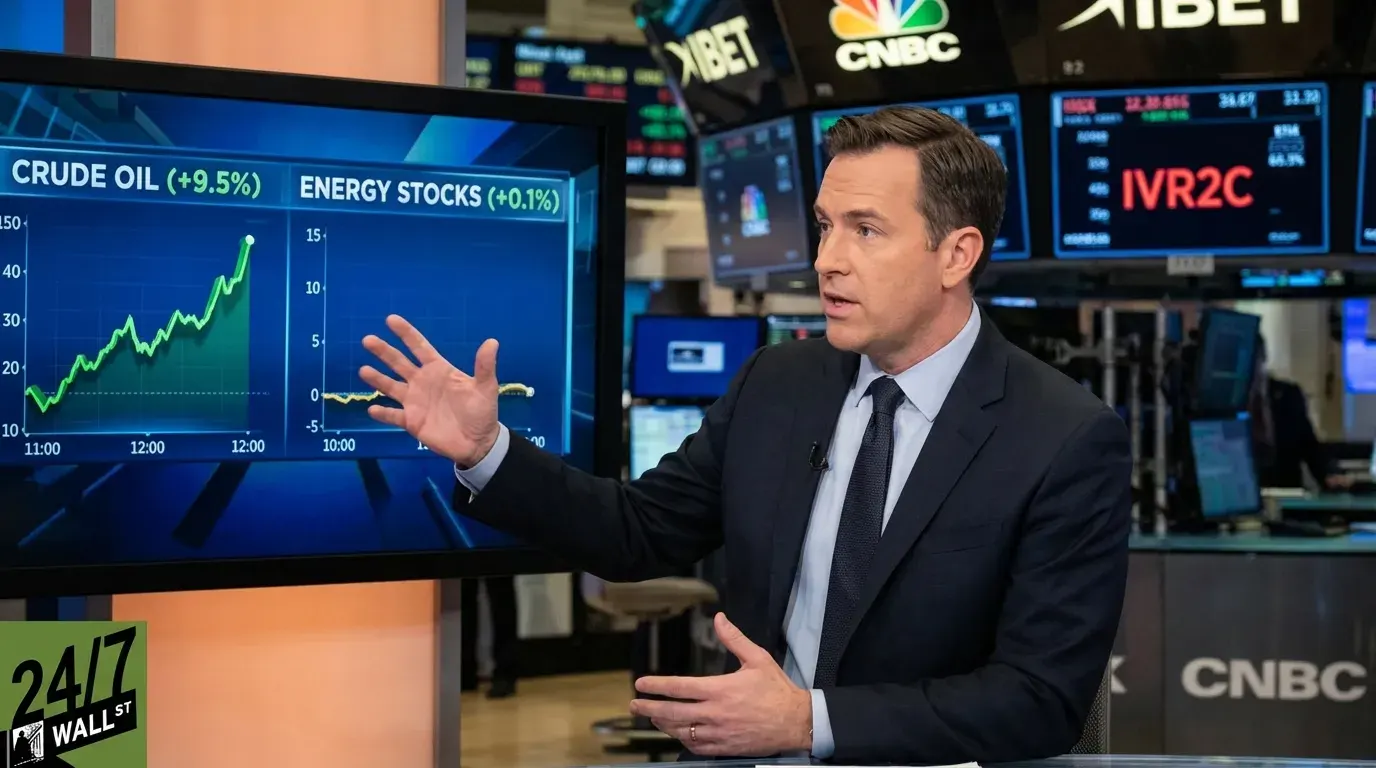
4 weeks agoCNBC's Brian Sullivan: Oil Up 9.5% But Exxon and Chevron Barely Moved, and That's the Point
Major oil companies no longer move proportionally with crude oil prices due to structural cost reductions, diversified revenue streams from refining and chemicals, and improved operational efficiency.
fromwww.dw.com
2 months agoGermany and the Gulf region: Energy and arms deals
Only recently, Environment Minister Carsten Schneider of the center-left Social Democratic Party (SPD) traveled to Saudi Arabia; shortly thereafter, Economy Minister Katherina Reiche of the center-right Christian Democratic Union (CDU) arrived and explained why: "When partnerships that one has relied on for decades begin to become a little fragile, we must look for new partners." Partners, for example, in energy and armaments projects. Reiche signed a Memorandum of Understanding with the Saudi Arabian Energy Minister and posted the news on X.
Miscellaneous
Business
from24/7 Wall St.
1 month agoWall Street Is Quietly Pricing In $100 Oil, And These Two Energy Giants Are the Biggest Winners
ExxonMobil and Chevron are positioned for oil prices significantly higher than current $71 levels, evidenced by massive capital expenditures, shareholder returns, and institutional buying that signal expectations of $100+ oil environments.
from24/7 Wall St.
1 month ago4 High Yield Refiners Built for Exactly These Spiking Oil Prices and Geopolitical Swings
The death of Iranian Supreme Leader Ayatollah Ali Khamenei on February 28, 2026, per NPR reporting, sent immediate shockwaves through energy markets. WTI crude climbed from $61.60 on February 2 to $71.13 by March 2, and prediction markets now assign 97% probability to crude reaching $75 by end of March, with 81% confidence in a move to $80.
Business
Environment
fromwww.theguardian.com
2 months agoHalf of world's CO2 emissions come from just 32 fossil fuel firms, study shows
Thirty-two fossil fuel companies produced half of global CO2 emissions in 2024, dominated by state-controlled producers like Saudi Aramco and major investor-owned firms like ExxonMobil.
Business
from24/7 Wall St.
1 month agoExxonMobil Is Up 44% and Retail Investors Are Still Missing the Point
ExxonMobil shares surge 24% year-to-date amid Middle East tensions and rising crude oil prices, though retail investors question whether oil price spikes translate to sustained equity gains due to hedging practices and mean reversion expectations.
from24/7 Wall St.
1 month agoChevron vs ConocoPhillips: Which Is the Better Buy as Energy Sector Crushes the Market?
The company's record production jumped 12% year-over-year, driven by the Hess acquisition, which added 261 thousand barrels of oil equivalent per day. CEO Mike Wirth called it a "significant achievement...integrated Hess, started-up major projects, delivered record production." Chevron's integrated model spans upstream production, refining, chemicals, and emerging energy ventures, including lithium and hydrogen projects. The company returned $12.1 billion in share buybacks for the year and raised its dividend 4% to $1.78 per share.
Business
from24/7 Wall St.
2 months agoWhy Smart Money Is Piling Into COP After Earnings Miss: The Marathon Deal Just Changed Everything
ConocoPhillips reported disappointing fourth-quarter results on February 5, 2026, missing both earnings and revenue estimates as lower oil prices overshadowed production gains from the Marathon Oil acquisition. The Houston-based energy producer posted adjusted EPS of $1.02, falling short of the $1.12 consensus estimate by 9%. Revenue of $14.19 billion also missed expectations of $14.34 billion. Net income tumbled to $1.44 billion from $2.30 billion in the year-ago quarter, a 37.3% decline driven primarily by weaker commodity prices.
Business
[ Load more ]