#pilot-fatigue
#pilot-fatigue
[ follow ]
#burnout #aviation-safety #mental-health #productivity #sleep-health #work-life-balance #stress-management
fromwww.mediaite.com
1 day agoI'm Very Worried': Former Combat Fighter Pilot Breaks Down What Happens When a Pilot Ejects Like Over Iran
My immediate response is, or thought is, you know, really thinking of the families of this, of the aircrew here. Look, I have always felt like Iran it's a very big country. It's not the same as Iraq or Afghanistan.
US politics
#aviation-safety
Boston
fromBoston.com
2 weeks agoNTSB: Flight instructor in fatal Mass. plane crash had 'do not fly' meds in system
A flight instructor involved in a fatal 2024 Western Massachusetts plane crash had FAA-prohibited medications in his system that likely impaired his ability to control the aircraft during a stall.

:max_bytes(150000):strip_icc()/TAL-flight-attendant-fastening-seatbelt-airplane-SITONHANDS0324-3e39593ab3f6486a9704873173bb76c8.jpg)
Boston
fromBoston.com
2 weeks agoNTSB: Flight instructor in fatal Mass. plane crash had 'do not fly' meds in system
A flight instructor involved in a fatal 2024 Western Massachusetts plane crash had FAA-prohibited medications in his system that likely impaired his ability to control the aircraft during a stall.
Psychology
fromSilicon Canals
3 days agoI'm 34 and I just realized I've been performing competence at work for seven years because somewhere along the way I confused being impressive with being safe, and the exhaustion I thought was burnout was actually the weight of never once letting anyone see me learn something for the first time. - Silicon Canals
Performing competence can lead to self-erasure and social rewards, masking genuine capability with a polished exterior.
#burnout
Productivity
fromSilicon Canals
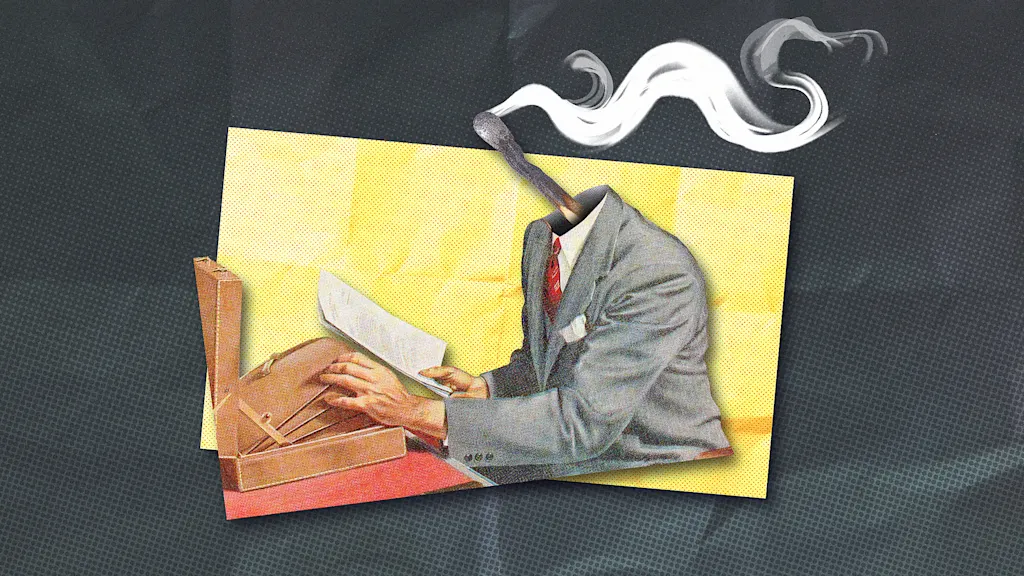
1 week agoMost companies don't have a burnout problem. They have a system that rewards people who can't stop performing and then acts surprised when those people collapse, because the collapse was always part of the business model. - Silicon Canals
The most dedicated employees may be the most frightened, driven by a culture that rewards overwork and leads to burnout.
fromSilicon Canals
1 month agoMental health
If you've ever described yourself as "fine but tired" for more than six months in a row, psychology says you're running on a system that these 8 patterns built-and the tiredness isn't physical, it's the cost of a performance you've been giving so long you've forgotten it's a performance - Silicon Canals

Mental health
fromwww.theguardian.com
1 month agoFacing meltdown? Over 75% of people suffer from burnout - here's what you need to know
Burnout is a stress-response to chronic job stressors marked by exhaustion, depersonalisation (emotional detachment), and reduced productivity, distinct from a medical disease.
Productivity
fromSilicon Canals
1 week agoMost companies don't have a burnout problem. They have a system that rewards people who can't stop performing and then acts surprised when those people collapse, because the collapse was always part of the business model. - Silicon Canals
The most dedicated employees may be the most frightened, driven by a culture that rewards overwork and leads to burnout.
fromSilicon Canals
1 month agoMental health
If you've ever described yourself as "fine but tired" for more than six months in a row, psychology says you're running on a system that these 8 patterns built-and the tiredness isn't physical, it's the cost of a performance you've been giving so long you've forgotten it's a performance - Silicon Canals

#digital-eye-strain

Health
fromEmployee Benefit News
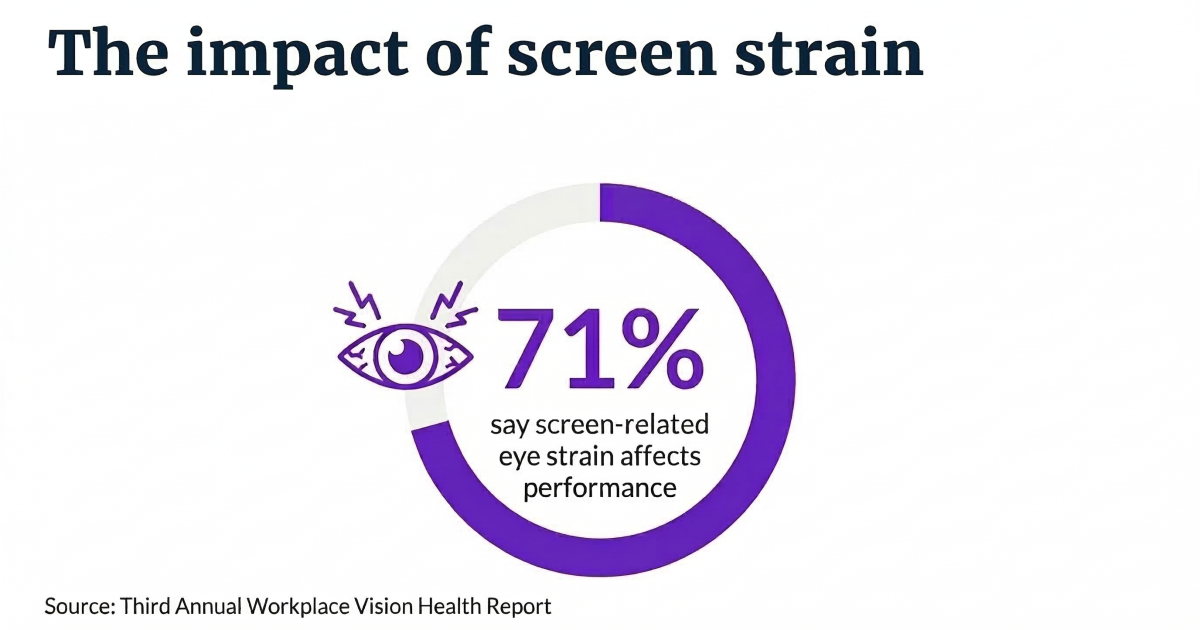
2 weeks agoScreen time surges for desk workers, straining eyes and productivity
Desk workers average 99.2 hours of screen time weekly, causing eye strain that reduces productivity by nearly one full day per week, prompting employers to reassess health and benefits strategies.
Artificial intelligence
fromFortune
3 weeks ago'AI brain fry' is real - and it's making workers more exhausted, not more productive, new study finds | Fortune
Excessive AI tool usage overwhelms workers, fragmenting attention and reducing productivity despite increased capability, a phenomenon called 'AI brain fry.'
Travel
fromTravel + Leisure
2 weeks agoThese Are the Most Obvious Signs That You Are a Frequent Flier, According to Flight Attendants
Flight attendants identify frequent fliers through behavioral cues and loyalty markers rather than appearance or luggage quality, with confidence, demeanor, and status indicators being the primary tells.
US news
fromBusiness Insider
3 weeks agoThe survival training that kicks in after a US pilot is shot down
Pilot survival training through ejection preparation is critical because improper body positioning during emergency ejection can cause severe injury or death, as demonstrated by a recent friendly-fire incident involving three F-15E Strike Eagles.
#daylight-saving-time
Health
fromFast Company
4 weeks agoDaylight saving time starts Sunday. Here's 11 things you can do to adjust to losing an hour of sleep
Daylight saving time's spring forward shift disrupts the body's natural circadian rhythm, causing sleep deprivation lasting days and increasing risks of heart attacks, strokes, accidents, and mental health issues.
Mental health
fromFast Company
2 weeks agoHow companies can prioritize the mental health of their employees and take steps to address chronic burnout
Employers must prioritize mental health and foster supportive work environments to address employee burnout caused by external stressors and hustle culture.
fromForbes
1 month agoHow To Improve Your Employees' Focus In The Office
Workplace noise isn't just a nuisance. It's also a stressor and productivity killer, according to a Jabra study from 2024. As someone who likes working in quiet zones, I understand. That's why I recommend leaders spend time considering how their workspace design affects the noise level for their employees.
Remote teams
fromTravel + Leisure
3 weeks agoI'm a Pro at Sleeping Comfortably Through Flights-Here Are the 10 Products That Help Me Do It, From $18
Dozing off in a dry, noisy, light-filled plane cabin is no easy feat, which is why it's necessary to set yourself up with a few items to help block out light and noise and to upgrade your overall comfort. From the holy grail of travel neck pillows to the one esthetician-recommended skincare product I won't fly without, these 10 products help me get some shut-eye on every flight.
Travel
Mindfulness
fromFast Company
1 month ago'Email apnea': Reading work emails makes us forget to breathe
Email apnea occurs when people unconsciously hold or shallow their breath while focused on digital tasks like checking emails, triggered by the nervous system's alert response to perceived uncertainty.
fromTravel + Leisure
4 weeks ago9 Simple Ways to Make Your Next Flight Better, According to Flight Attendants
When traveling by air, take a look at the type of aircraft you're expected to fly with, as it can make a difference in terms of overall flight experience. This can also help you get to know the different cabin classes so you can make the right seat selection for your comfort level and your wallet.
Travel
fromPsychology Today
1 month agoWhen Sleep Banking May Be A Viable Strategy
Sleep banking is essentially extending your normal sleep hours in the nights leading up to a known period of sleep deprivation. On the face of it, it appears unlikely banking sleep could counter the decreased alertness and other cognitive decrements that we experience when deprived of sleep, or stop that strong sensation we get when our body wants sleep.
Health
Mindfulness
fromSilicon Canals
1 month agoPeople who can fall asleep within minutes of lying down usually share these 9 strengths - Silicon Canals
People who fall asleep quickly tend to let go of intrusive thoughts, use consistent routines, and demonstrate better stress management, focus, and emotional resilience.




fromInverse
2 months agoThe Long-Term Effects Of A Sleep Disorder That Often Goes Unnoticed
Sleep apnea is one of the most common - and most overlooked - sleep disorders. Millions of people live with it for years without realizing their nightly rest is being repeatedly disrupted, quietly affecting their health in ways that extend far beyond sleep. Once you know what to look for, the signs may sound familiar: getting a full eight hours yet waking up exhausted, struggling with daytime fatigue, irritability, and difficulty concentrating.
Medicine
Artificial intelligence
fromwww.aljazeera.com
2 months agoAirports embrace AI to manage growing global passenger traffic
Airports deploy AI across passenger flow, baggage, maintenance, biometrics and cybersecurity to improve efficiency, predict congestion, and enhance customer experience amid rising passenger volumes.
fromwww.theguardian.com
1 month agoDeafening, draining and potentially deadly: are we facing a snoring epidemic?
When Matt Hillier was in his 20s, he went camping with a friend who was a nurse. In the morning she told him she had been shocked by the snoring coming from his tent. She basically said, For a 25-year-old non-smoker who's quite skinny, you snore pretty loudly,' says Hiller, now 32. The Guardian's journalism is independent. We will earn a commission if you buy something through an affiliate link. Learn more.
Medicine
fromFast Company
1 month agoMy employee was upset I told him to drive, not fly, for business travel
I manage a team of four. One of my staff members, Jeff, asked to go to a conference that was about a five-hour drive away. I approved the request as the conference would be good for his professional development. Three other staff members from our closely connected teams were also going. Jeff registered for the conference. A couple of weeks later, he asked me about booking a flight to it. I was surprised by this, as the conference was a reasonable driving distance. I explained that the department would rent a van and the attendees would drive there together. (Our department wants to minimize expenses when reasonable, so this is normal unless it doesn't make sense logistically or financially.) He pushed back with a couple of reasons that he wanted to fly, such as it would save time and he didn't feel comfortable driving.
Careers
:max_bytes(150000):strip_icc()/TAL-sleepy-woman-sunny-hotel-room-JETLAGTIP0126-015c5bfe219e45339c8b267c5d3eb8f0.jpg)
:max_bytes(150000):strip_icc()/TAL-man-jetlag-hotel-bed-AVOIDJETLAG1225-33195defda3146938d0386e6277a8443.jpg)
fromTravel + Leisure
1 month agoThe One Place You Should Never Store Your Carry-on Bag on a Plane
"Storing your bag behind you often means you'll be forced to wait for nearly every other passenger to deplane before you can reach it. That can turn what should be a swift exit into a slow, frustrating slog,"
Travel
Mental health
fromSilicon Canals
1 month agoThere are exactly 2 kinds of tired that people over 55 experience, one of them rest can fix and the other goes so deep that psychology says most people mistake it for depression when it's actually these 6 things - Silicon Canals
People over 55 often experience a deep, non-physical exhaustion from cumulative unprocessed disappointments that is distinct from ordinary fatigue or clinical depression.
fromInverse
2 months agoCan You Hack Your Sleep Apnea? Experts Say These Tools Might Help
Obstructive sleep apnea (OSA) causes repeated pauses or reductions in breathing throughout the night, triggering drops in blood oxygen and frequent mini-arousals that sabotage quality sleep. The condition affects an estimated 80 million Americans, yet roughly 80 percent of cases go undiagnosed. Left untreated, OSA has been linked to serious long-term consequences, including heart disease, cognitive decline, diabetes, and an increased risk of car and workplace accidents driven by chronic fatigue.
Health
fromMacon Telegraph
2 months agoSolving for burnout: 7 strategies to enhance workers' mental health and productivity in 2026
Loneliness and burnout-deeply interwined in the workplace-are hitting American workers (and companies) hard. In 2025, global healthcare firm Cigna found that over half of all employees surveyed felt lonely. Around 57% admitted to feeling unmotivated and stagnant, while two-thirds of full-time workers say they experience burnout on the job, according to a 2025 Gallup study. The financial toll is jaw-dropping. Harvard Business Review reports that loneliness costs U.S. companies up to $154 billion annually through lost productivity, increased burnout, and employees resigning.
Mental health
fromAol
1 month ago65% of workers say 'microshifting' could help with stress and burnout. Here's how you and your employer could benefit from this work-scheduling hack
While some workers are being mandated to return to the office, a growing majority of workers now say they want to "microshift" their workday. Unlike hybrid or remote schedules, in which you work remotely some or all of the time, microshifting is about making small adjustments to your start times, breaks and hours rather than adhering to a rigid nine-to-five schedule.
Mental health
[ Load more ]