#pipeline-operations
#pipeline-operations
[ follow ]
#strait-of-hormuz #oil-prices #iran #renewable-energy #energy-security #natural-gas #lng #energy-crisis
from24/7 Wall St.
2 days agoWall Street Upgrades Cheniere Energy as Iran War Reshapes Global LNG Demand
Citi's upgrade reflects a broader geopolitical reality reshaping global energy markets. The Iran war is accelerating the flight of European and Asian buyers toward secure, long-term U.S. LNG supply contracts.
Business
fromwww.cbc.ca
3 days agoHere's where you will or won't see a fuel surcharge | CBC News
Jet fuel tends to be an airline's biggest expense. An analysis by the International Air Transport Association showed that, for the week ending March 27, the weekly average price of jet fuel has skyrocketed 116.8 per cent compared to the previous year's average.
Canada news
SF politics
fromFortune
4 days agoHyperscalers often lack the "aptitude" on power as the political push picks up to expedite grid connections and pipelines | Fortune
Federal efforts to expedite power grid interconnections face challenges due to hyperscalers' communication issues and lack of understanding of processes.
fromwww.aljazeera.com
1 day agoHow war on Iran turned Pakistan's LNG surplus into a looming shortage
At the start of this year, Pakistan had more imported liquefied natural gas (LNG) than it could use, with demand falling from a peak of 8.2 million tonnes in 2021 to 6.1 million tonnes by late 2025. The government sold excess gas shipments to other countries and shut down domestic gas wells to prevent pipelines from bursting under oversupply.
World news
World politics
fromLondon Business News | Londonlovesbusiness.com
2 days agoCrude oil between geopolitical escalation and dollar pressure - London Business News | Londonlovesbusiness.com
Geopolitical factors and monetary conditions are significantly influencing global oil prices, reflecting uncertainty rather than traditional supply and demand.



#coal

Environment
fromwww.theguardian.com
3 days agoAsia ramps up use of dirty fuels to cover energy shortfall triggered by Iran war
Asian governments are increasing coal use to address energy shortages caused by geopolitical conflicts, raising environmental concerns and calls for renewable energy investment.
Environment
fromwww.theguardian.com
3 days agoAsia ramps up use of dirty fuels to cover energy shortfall triggered by Iran war
Asian governments are increasing coal use to address energy shortages caused by geopolitical conflicts, raising environmental concerns and calls for renewable energy investment.
fromFortune
1 day agoCountries are turning to 'structurally more resilient' energy sources as oil and gas crisis deepens, UN renewables chief says | Fortune
"A more decentralized energy system, with a growing share of renewables and more market players, is structurally more resilient. Countries that invested in the energy transition are weathering this crisis with less economic damage, as they boost energy security, resilience and competitiveness."
Environment
fromAxios
5 days agoTrump threatens to "obliterate" Iran's energy and water infrastructure
"But if for any reason a deal is not shortly reached, which it probably will be, and if the Hormuz Strait is not immediately 'Open for Business' we will conclude our lovely 'stay' in Iran by blowing up and completely obliterating all of their Electric Generating Plants, Oil Wells and Kharg Island..."
World news
Artificial intelligence
fromFortune
4 weeks agoI help manage one of the world's most constrained supply chains, up close to the defining energy bottleneck of the decade | Fortune
Power transformer shortages are the critical bottleneck limiting AI infrastructure expansion and corporate electrification globally.
Venture
from247wallst.com
4 weeks agoMidstream Dividends From EPD, Williams, and ONEOK Are Built to Survive Oil Price Chaos
Midstream energy companies with fee-based models provide dividend stability regardless of oil prices, while integrated oil majors like Chevron face direct earnings exposure to crude fluctuations.
fromRadioFreeEurope/RadioLiberty
2 weeks agoEU To Send Team To Druzhba In Bid To Lift Hungarian-Slovak Vetoes
The Soviet-era pipeline, which carries Russian oil via Ukraine to the two landlocked central European countries, was damaged by a Russian missile in late January. Both Budapest and Bratislava have accused Kyiv of stalling to repair it for political reasons. Ukraine has rejected the accusation.
Europe news



from24/7 Wall St.
6 days agoThis LNG Stock Keeps Hitting New All-Time Highs. Did You Miss Your Chance to Buy?
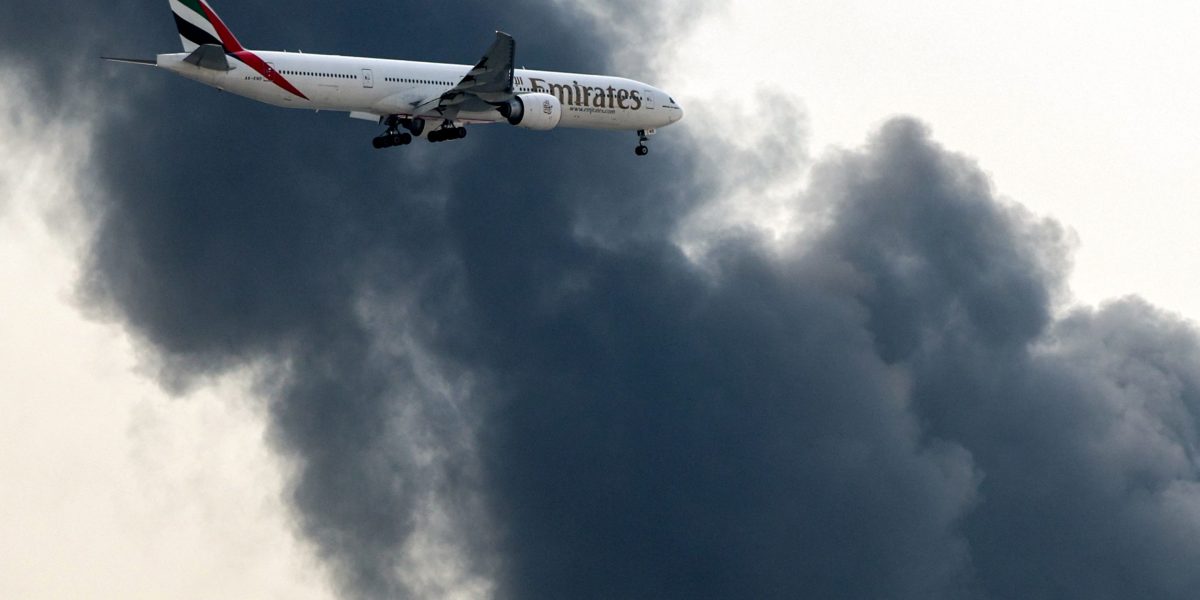
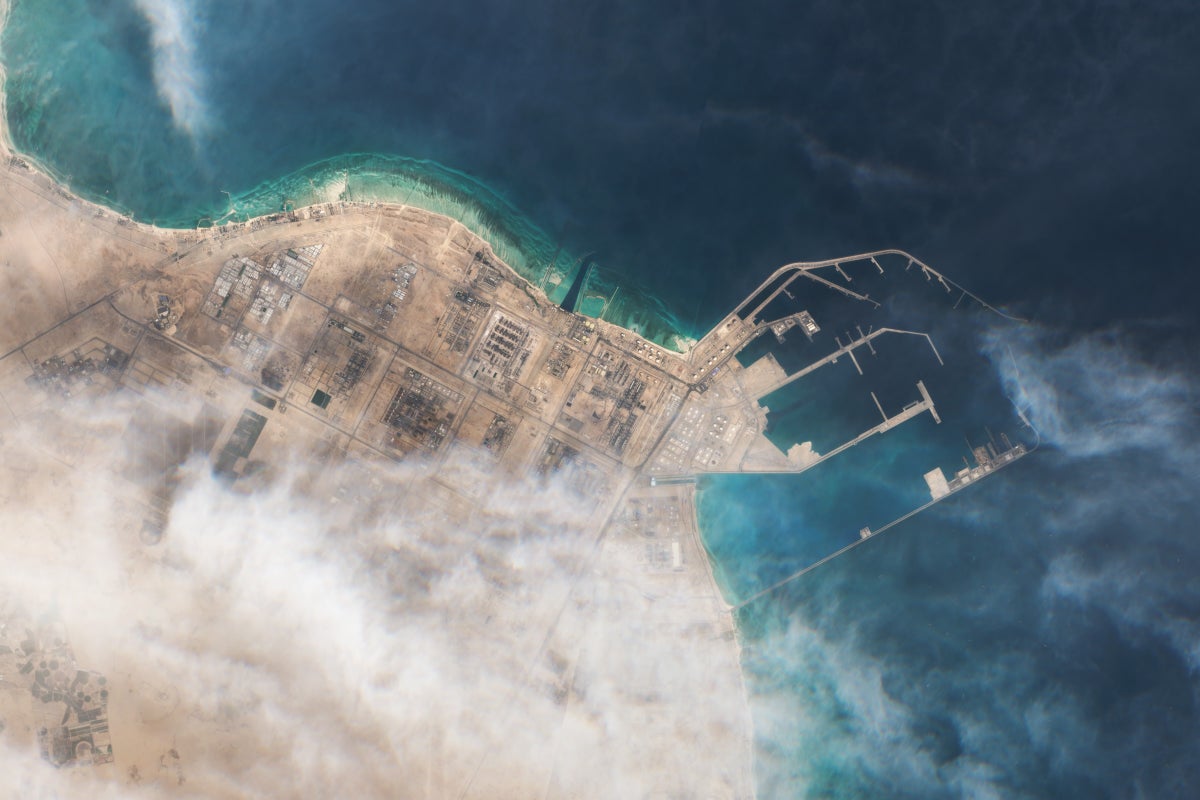
The drone strikes and infrastructure damage at Qatar's massive Ras Laffan complex triggered force majeure declarations and slashed roughly 15% to 20% of global supply overnight, leading to a spike in spot prices in Asia and Europe.
World news
Business
from24/7 Wall St.
3 weeks agoWilliams CEO: U.S. natural gas production is America's true superpower
The U.S. produces 40% more natural gas than it consumes domestically, establishing a structural export advantage and making natural gas a national superpower that insulates domestic prices from global market chaos.
Environment
fromArs Technica
2 weeks agoCoal plant forced to stay open due to emergency order isn't even running
The Trump administration uses emergency orders to keep uneconomical coal plants operational despite cheaper renewable and natural gas alternatives, citing grid reliability while data shows minimal actual energy contribution.
#iran
World news
fromFortune
1 week ago'Capital is a coward': A whole new world of elevated risk will stay embedded in global markets, keeping prices higher everywhere | Fortune
Markets rebounded as Trump eased tensions with Iran, but geopolitical risks in the Strait of Hormuz will persist, affecting global oil prices.
fromFortune
3 weeks agoPlastics, fertilizers, clothing, medicines and electronics: $100-a-barrel oil has huge downstream consequences | Fortune
Crude oil is a complex mixture of hydrocarbons - molecules made mainly of carbon and hydrogen. Refineries and chemical plants separate and transform these molecules into smaller chemical building blocks known as petrochemicals. Some of the most important petrochemical building blocks include chemicals such as ethylene, propylene and benzene.
Environment
#energy-policy
World news
fromAxios
2 weeks agoWhite House says it's not planning oil or gas export restrictions
The U.S. administration ruled out oil and gas export restrictions while pursuing alternative measures to address rising gasoline prices, including Strategic Petroleum Reserve releases and potential Iranian oil sanctions waivers.
from24/7 Wall St.
1 month agoThe Hidden Decay Eating BOIL Alive Even When Natural Gas Prices Stay Flat
January 2026 showed just how violent this relationship can get: Henry Hub spiked to $30.72/MMBtu on January 23 - a near-tenfold surge - before collapsing to $3.13/MMBtu by February 23. Extreme winter heating demand and supply constraints drove that move - exactly what BOIL is built to capture on the upside, and what devastates holders on the way back down.
Business
World news
fromwww.aljazeera.com
2 weeks agoIran attacks cut 17% of Qatar's LNG capacity for up to 5 years: QatarEnergy
Iranian attacks destroyed 17% of Qatar's LNG capacity, causing $20 billion in annual revenue loss and potentially requiring force majeure declarations on long-term contracts for three to five years.
from24/7 Wall St.
3 weeks agoTankers Surge on Rising Oil Prices: FRO, NAT, DHT Add to Massive 2026 Returns
When geopolitical tensions disrupt normal shipping routes through the Strait of Hormuz or the Red Sea, tankers must travel longer distances to deliver crude oil. More days at sea means higher utilization rates and more revenue per voyage. On top of that, higher oil prices increase the value of the cargo being transported, which supports stronger charter rate negotiations between tanker owners and the oil majors that need their ships.
World news
World news
from24/7 Wall St.
4 weeks ago4 No-Brainer Pipeline Stocks to Buy Right Now Before Oil Hits $100
North American pipeline operators offer exceptional yields with structurally protected revenues from long-term contracts, making them attractive income investments amid geopolitical tensions and rising energy demand.
[ Load more ]