#plestia-alaqad
#plestia-alaqad
[ follow ]

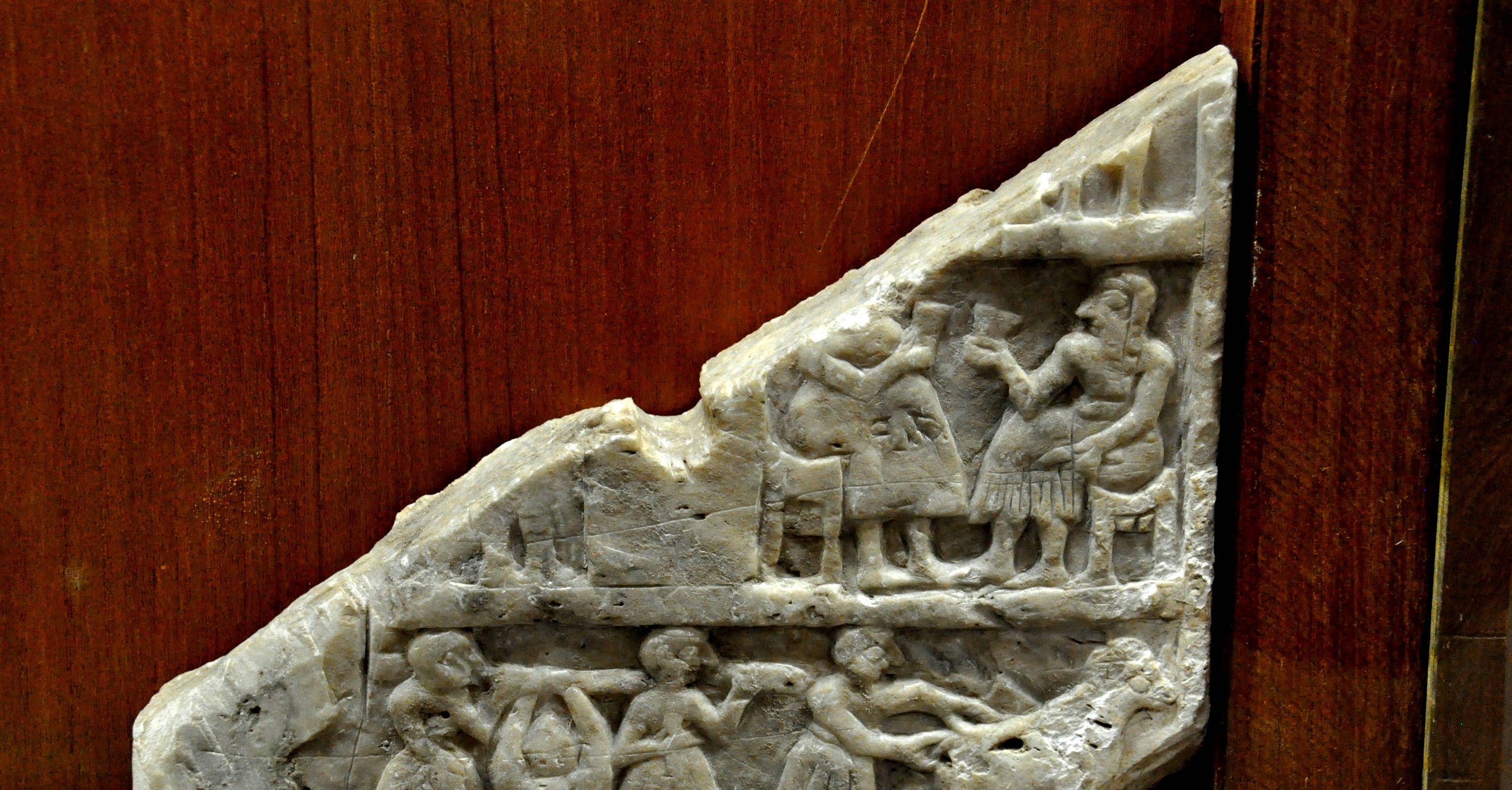


fromWorld History Encyclopedia
3 weeks agoMesopotamian Literature: The Earliest Works of the Imagination
Writing was created in response to the need to communicate over long distances in trade and, initially, was focused on the purely practical aspects of record-keeping. Scribes in ancient Mesopotamia recorded what commercial goods had been shipped to which destination, their quantity, purpose, and cost.
History
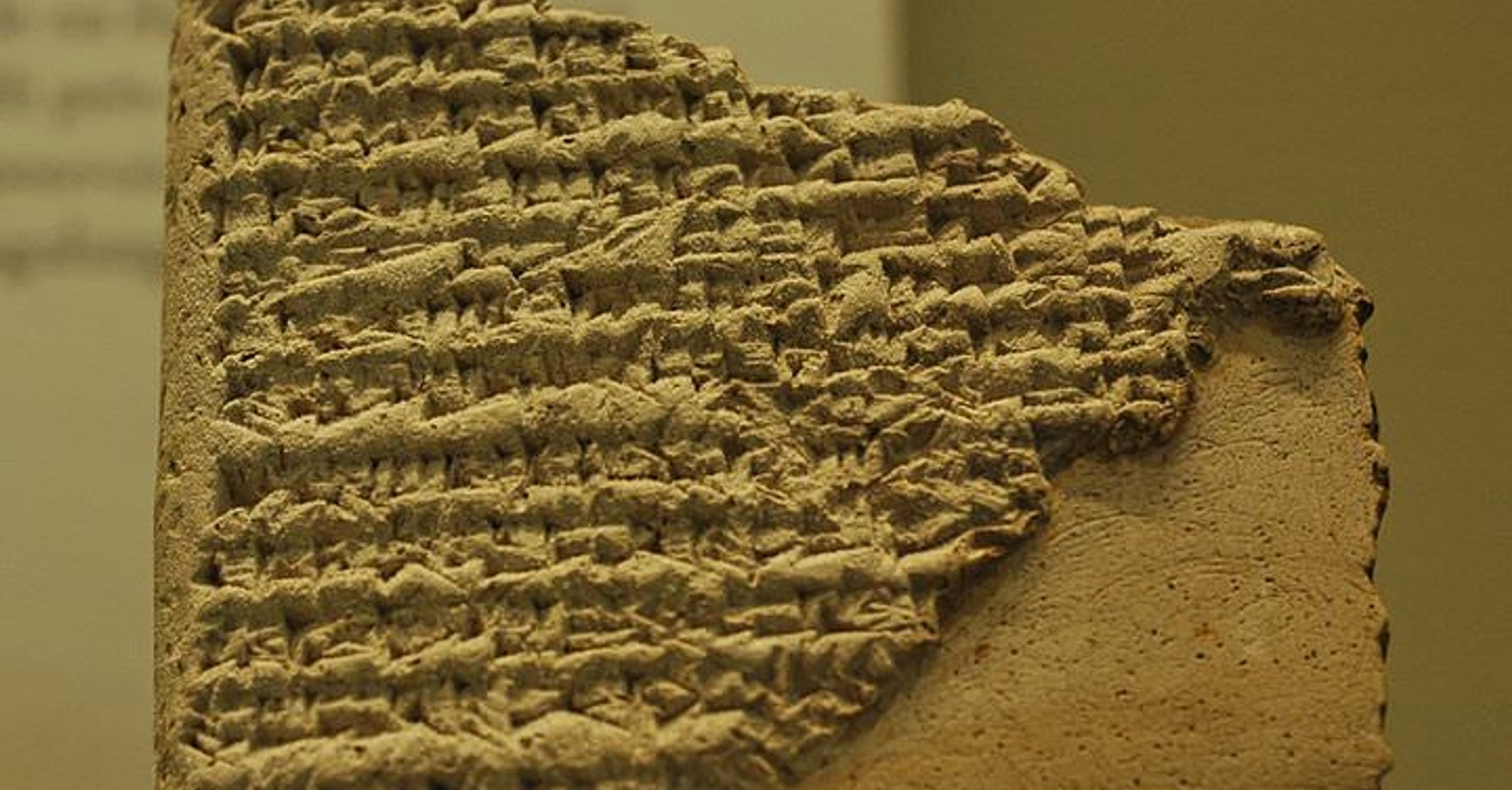
fromWorld History Encyclopedia
3 weeks agoCuneiform: From trade lists to epic tales of gods
Cuneiform is a system of writing first developed by the ancient Sumerians of Mesopotamia circa 3600/3500 BCE. It is considered the most significant among the many cultural contributions of the Sumerians and the greatest among those of the Sumerian city of Uruk, which further developed and advanced cuneiform circa 3200 BCE and allowed for the creation of literature.
History



History
fromWorld History Encyclopedia
1 month agoAkkad and the Akkadian Empire: The First Multinational Empire in the World
The Akkadian Empire, founded by Sargon the Great around 2350 BCE, was the first multinational political entity that unified Mesopotamia and established governmental, administrative, and military systems adopted by subsequent civilizations.
History
fromWorld History Encyclopedia
1 month ago12 Great Cities of Ancient Mesopotamia: The Rise and Fall of the Earliest Cities in the World
Twelve major Mesopotamian cities including Nineveh, Uruk, Babylon, and Ur became legendary through Greek writings and yielded significant archaeological discoveries, each connected to a patron deity whose prestige determined the city's fate.
fromBig Think
2 months ago7,000-year-old underwater wall raises questions about ancient engineering - and lost-city legends
Nine meters (30 feet) beneath the waves, they found it: a vast, man-made stone wall, averaging 20 meters (66 feet) wide and two meters (6.6 feet) tall. The structure consists of some 60 massive granite monoliths, set directly onto the bedrock in pairs at regular intervals. Smaller slabs and packing stones fill in the gaps, locking the whole into a single, deliberate construction. With an estimated total mass of around 3,300 tons, this is the largest underwater structure ever discovered in France.
France news


fromWorld History Encyclopedia
2 months agoCities, writing, and governments: Early Dynastic Mesopotamia's revolutionary advances
It should be noted, however, that the advances of Mesopotamia's Early Dynastic period differed from Egypt's in significant ways, notably in that Mesopotamia - even under the rule of Sargon or later empires - was never the cohesive ethnic or political entity Egypt was, and the kinds of cultural development cited for this era were not as uniform as they were in Egypt.
History
fromWorld History Encyclopedia
2 months agoFestivals in Ancient Mesopotamia: Courting the Goodwill of the Gods
as the gods were understood as the true monarchs and the king as simply their steward. In order to maintain his authority, the king needed to court the goodwill of the gods, and although they made their approval clear through military victories, bountiful harvests, and prosperous trade, events such as the Akitu festival provided an annual opportunity for the divine to continue its relationship with the ruling house or withdraw its favor.
History
fromWorld History Encyclopedia
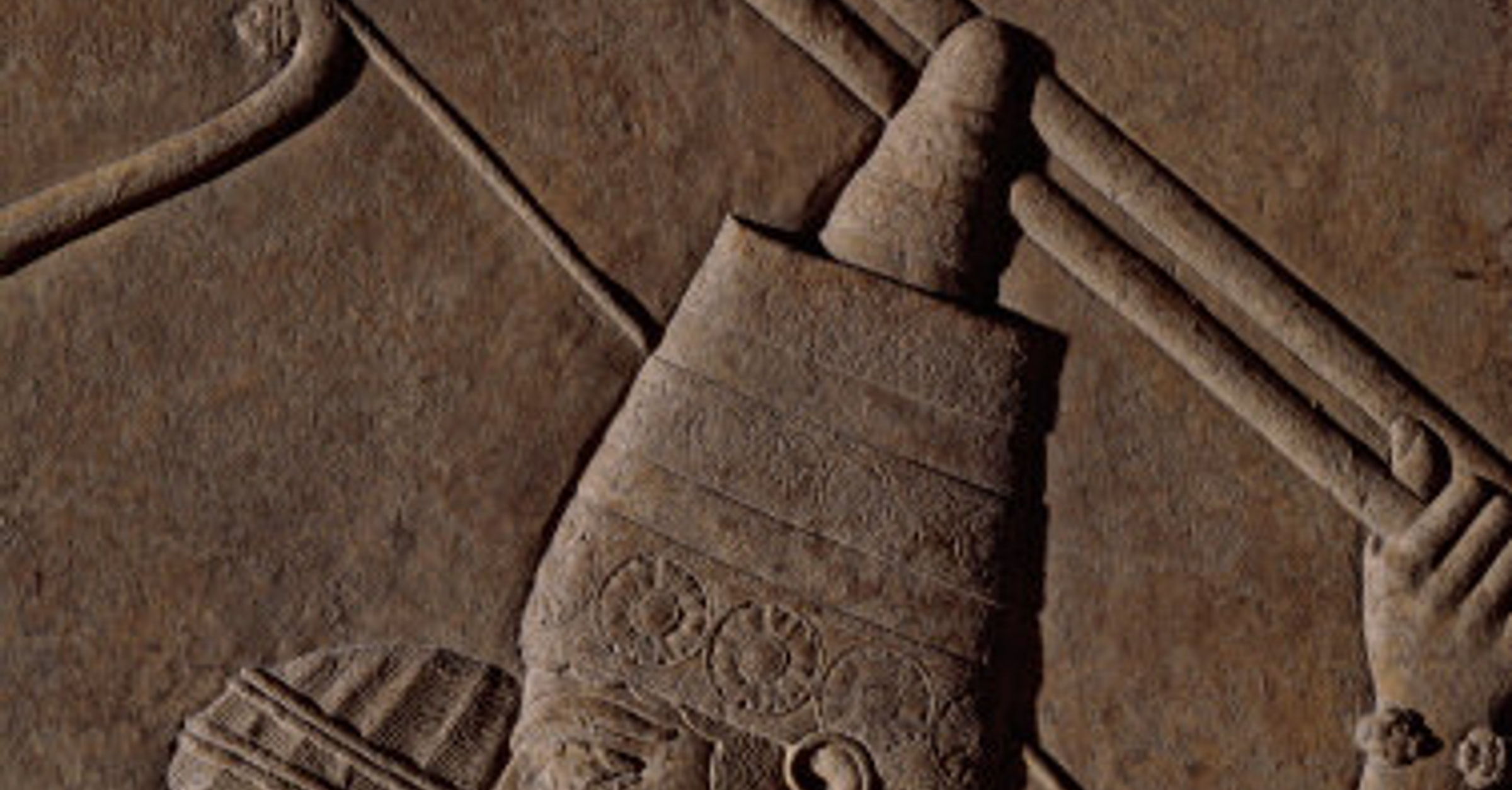
1 month agoFashion & Dress in Ancient Mesopotamia: From Basic to Accessorized in the Ancient World
Fashion and dress in Mesopotamia - clothing, footwear, and accessories - were not only functional but defined one's social status and developed from a simple loincloth in the Ubaid period (circa 6500-4000 BCE) to brightly colored robes and dresses by the time of the Sassanian Empire (224-651). Styles changed, but the essential form and function remained the same. As in any civilization, the upper class and nobility wore more expensive clothes of higher quality.
History
History
fromWorld History Encyclopedia
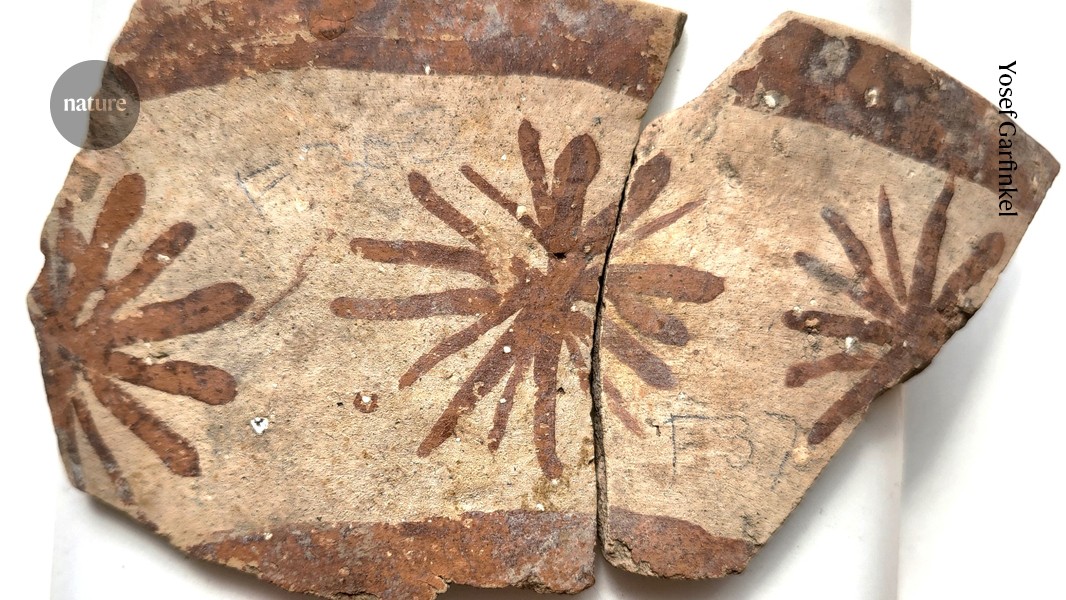
1 month agoMesopotamian Art and Architecture: The Birth of Art and Architecture in the Ancient World
Mesopotamian art and architecture began over 7,000 years ago, evolving from northern sites into Sumerian innovations and sustained through multiple ancient Mesopotamian periods.
[ Load more ]