Right-wing politics
fromIntelligencer
5 hours agoVoters Who Dislike Both Parties Are Turning Against Trump
Republicans may struggle in the 2026 midterms due to strong Democratic leanings among voters who dislike both major parties.
Anna Holmes defines 'hype aversion' as a reflex against being told what to like, suggesting that popularity can create pressure rather than signal quality. This feeling can lead to a deliberate choice to resist mainstream culture.
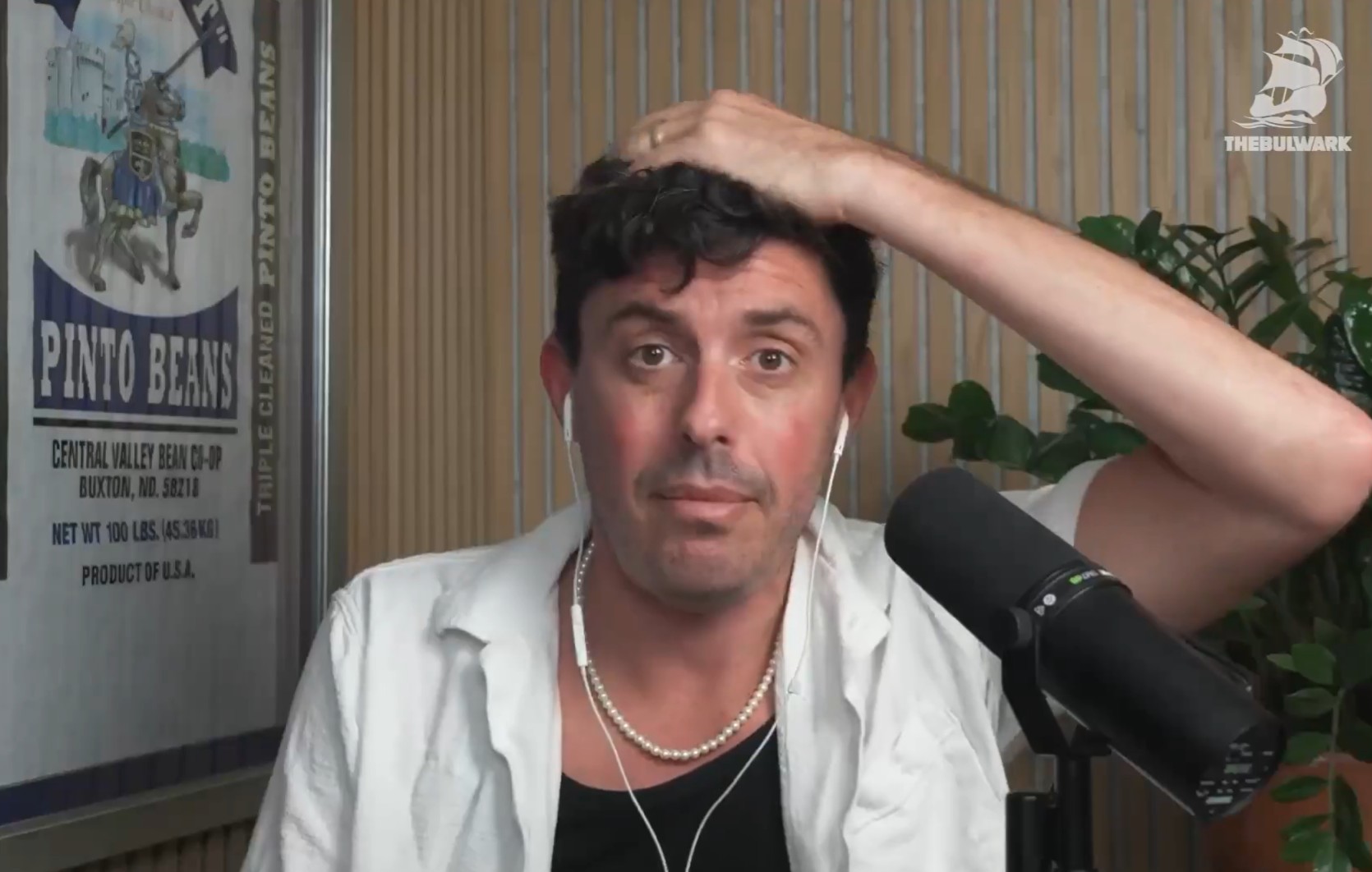
Owens described how Infowars aimed to create a cinematic experience, stating, 'We would go out there, we would shoot videos like we were in the weeds, we were showing what was really going on. But it was nonsense. It was lies.'
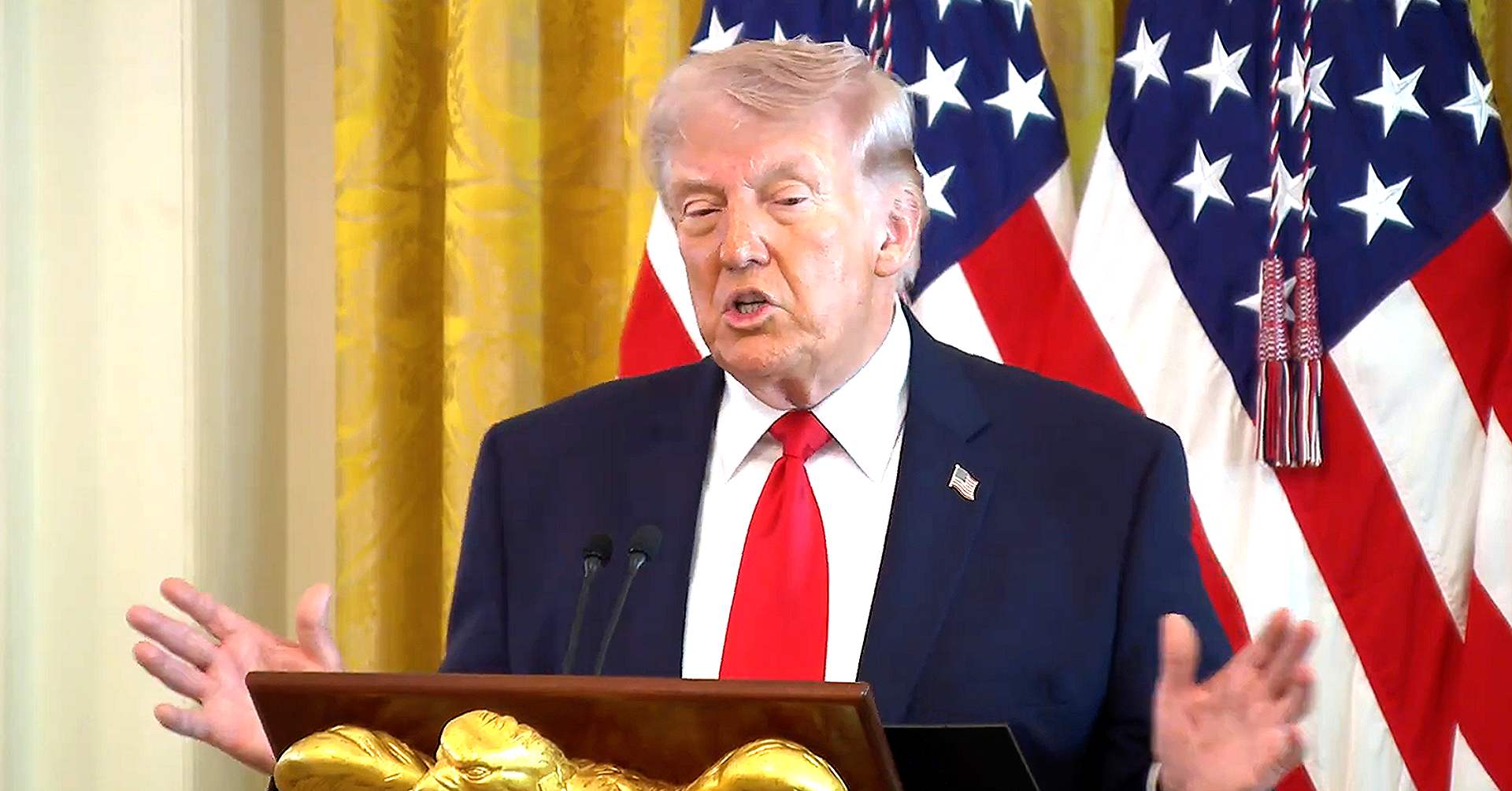
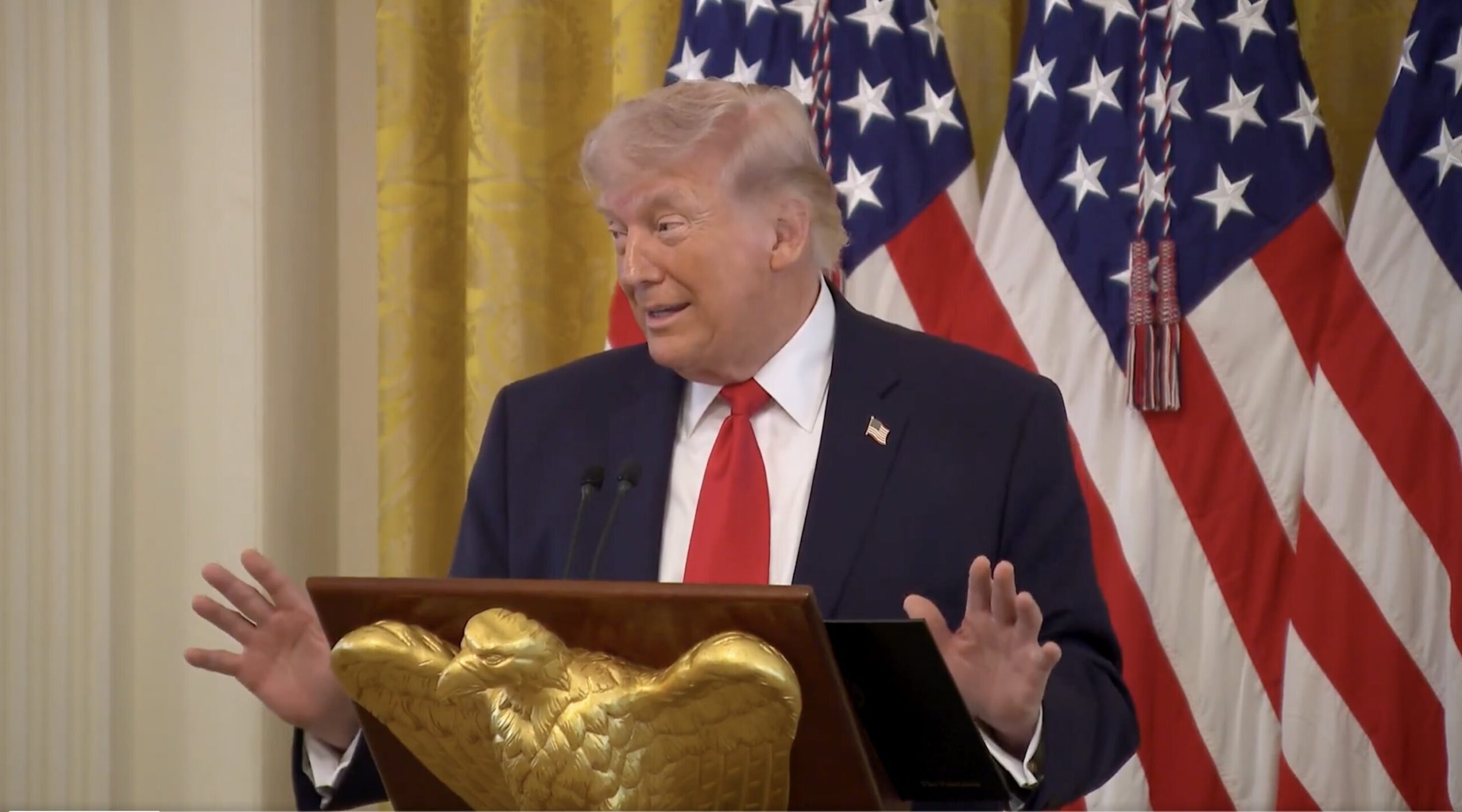
The thing that I get most frustrated with is I think that what is happening with Trump right now is we're all point to, well, he got convinced or his mental acuity, this is who he's been from the f**king get-go.
Most Americans are patriotic, hardworking, neighbor-helping, America-loving, money-giving people who don't pop off on social media or plot for power. The hidden truth: Most people agree on most things, most of the time. And the data validates this, time and time again.
Watching Fox News assure viewers the Iran war is going SUPER well and Trump is a total stud is like watching the same network assure viewers that Dominion Voting Systems rigged the 2020 election and Trump was the winner.
A record high of adults—80 percent—believes that Americans are divided on the most important values. National pride, trust in government, and confidence in institutions are near record lows. The Princeton University historian Sean Wilentz says the United States hasn't been this divided since the Civil War. Nearly half of Americans think another civil war is likely in their lifetime.
The principle of intellectual charity is fundamental to constructive political conversations. This principle states that, in any discussion, we should accept the best version of an opponent's ideas, not a distorted version or a "straw man." Exaggeration and distortion of opposing opinions (always present, to some degree, in political debates) have become the standard form of political argument in contemporary America.
As authoritarianism accelerates - as government-sanctioned violence becomes more overt in immigration enforcement, in policing, in the open deployment of federal force against civilians, and in the steady erosion of civil rights - people are scrambling for reference points. But instead of reckoning with the long and violent architecture of U.S. history, much of this searching collapses into racialized tropes and xenophobic reassurance: This isn't Afghanistan. This isn't Iran or China. This is America. We have rights. This is a democracy. This isn't who we are.
In December, the YouTuber Nick Shirley uploaded a video purporting to expose a scheme led by Somali refugees in Minneapolis. It caught the attention of Vice President JD Vance, who shared the video online. Soon after, ICE was deployed to the city. The video was inspiring to Amy Reichert, a 58-year-old San Diego resident, who started making her own videos claiming a similar scheme was afoot in her city.
Elie, I take your point that you think it's both sides, but let me just say the data, respectfully, disagrees with you. According to government and independent analysis, since 2001, 85% of political deaths have been from right-wing extremists. There was a study posted on the DOJ about right-wing extremism being one of the biggest issues in America. Of course, it quietly disappeared when Donald Trump came into office, submitted Cross.