#political-relationships
#political-relationships
[ follow ]
#iran #diplomacy #trump #pakistan #middle-east #international-relations #us-foreign-policy #nato #strait-of-hormuz

#trump
Russo-Ukrainian War
fromLondon Business News | Londonlovesbusiness.com
1 day agoTrump's Ukraine threat is not what it seems, but it reveals a deeper strategic shift - London Business News | Londonlovesbusiness.com
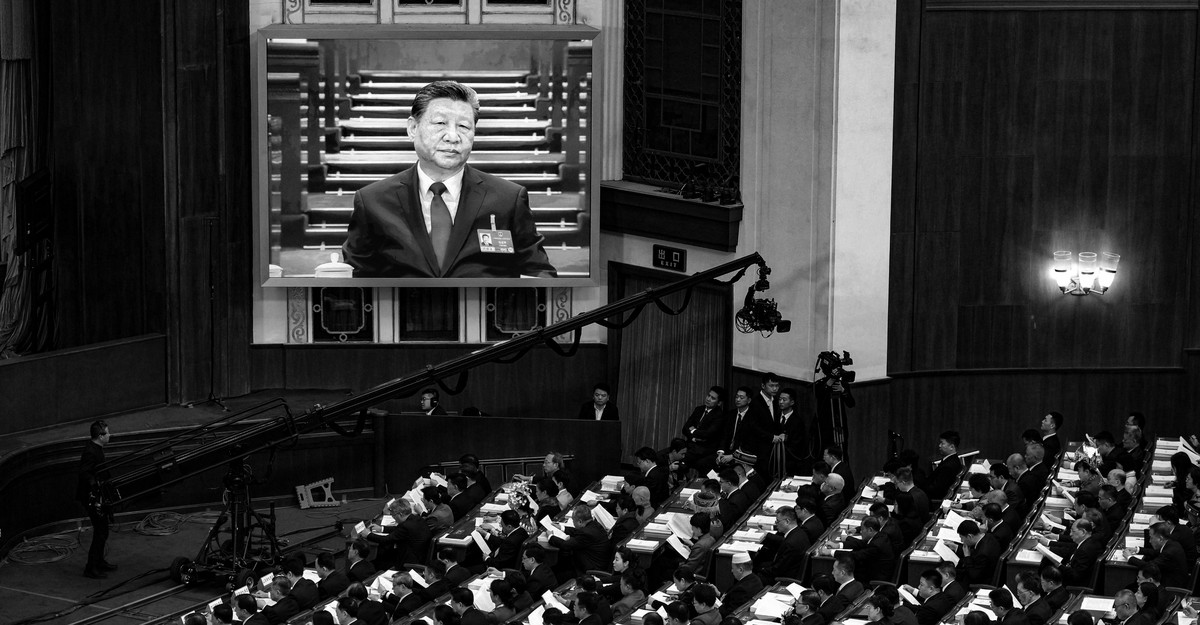
Trump's threat to halt weapons supplies to Ukraine reflects leverage over European allies rather than a complete withdrawal of support.


Russo-Ukrainian War
fromLondon Business News | Londonlovesbusiness.com
1 day agoTrump's Ukraine threat is not what it seems, but it reveals a deeper strategic shift - London Business News | Londonlovesbusiness.com
Trump's threat to halt weapons supplies to Ukraine reflects leverage over European allies rather than a complete withdrawal of support.
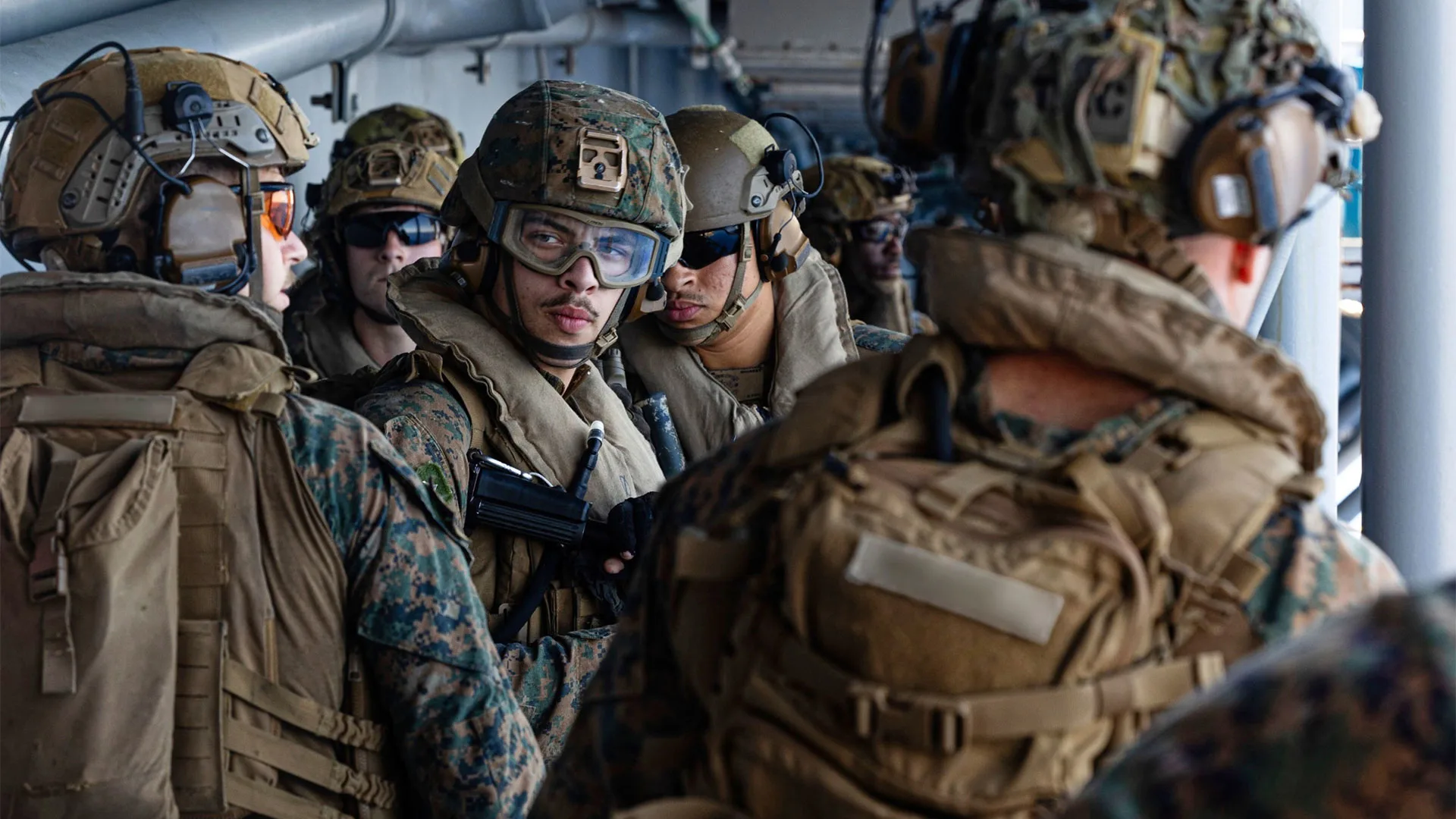
Europe news
fromLondon Business News | Londonlovesbusiness.com
2 days agoTrump threatens Ukraine arms halt to force Europe into Hormuz coalition - London Business News | Londonlovesbusiness.com
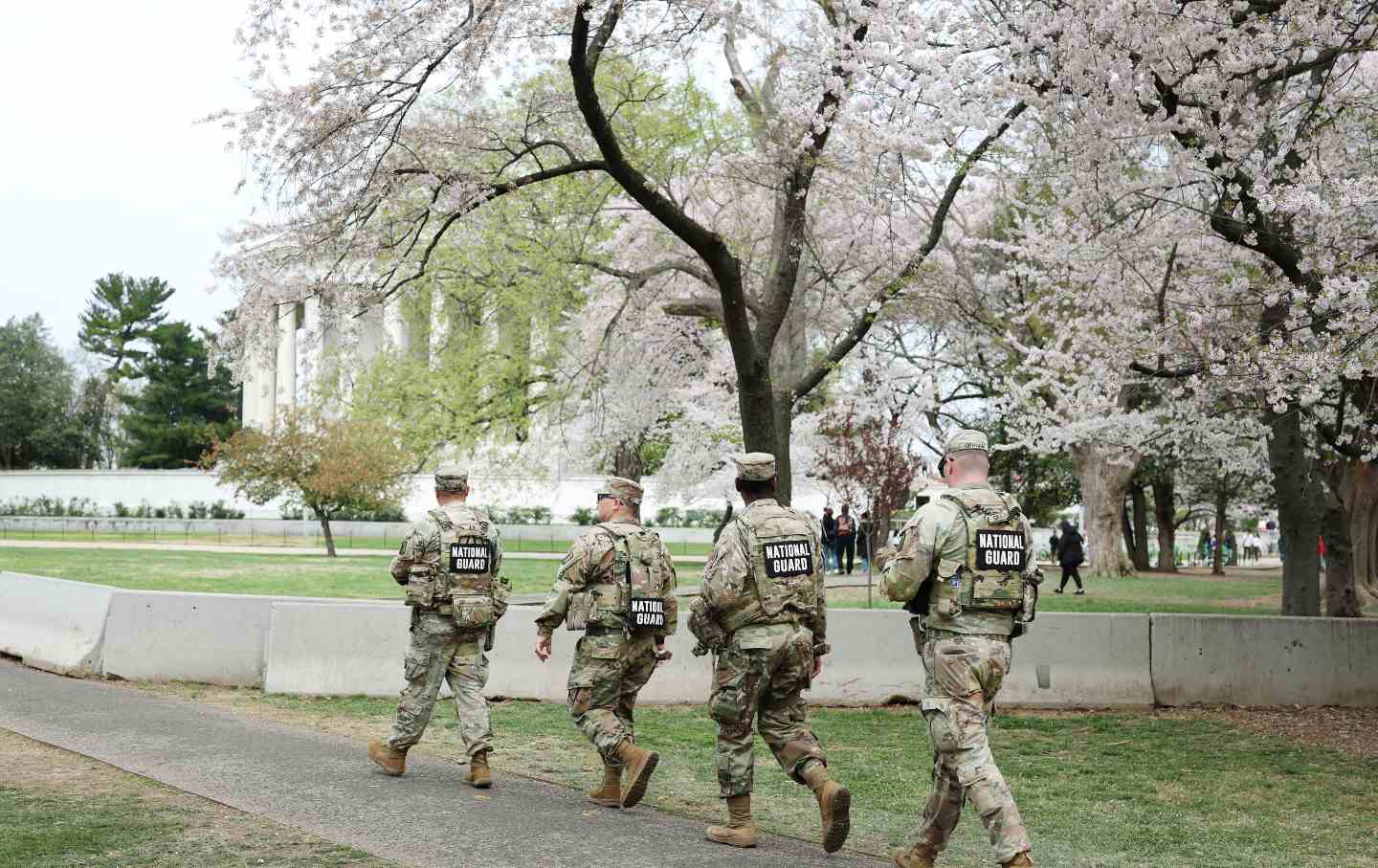
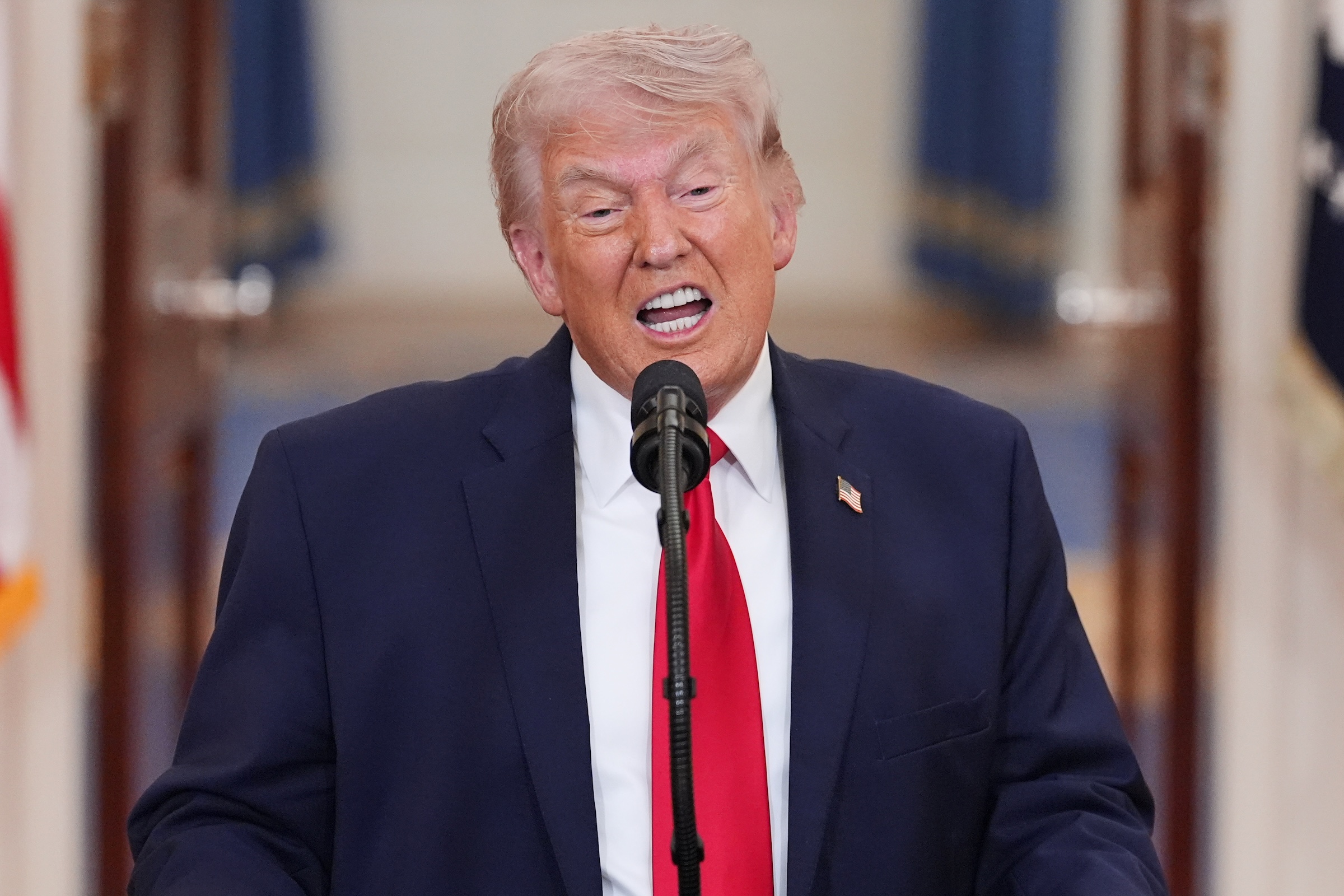
Trump threatens to halt arms supplies to Ukraine to pressure European allies into reopening the Strait of Hormuz.


#donald-trump
World politics
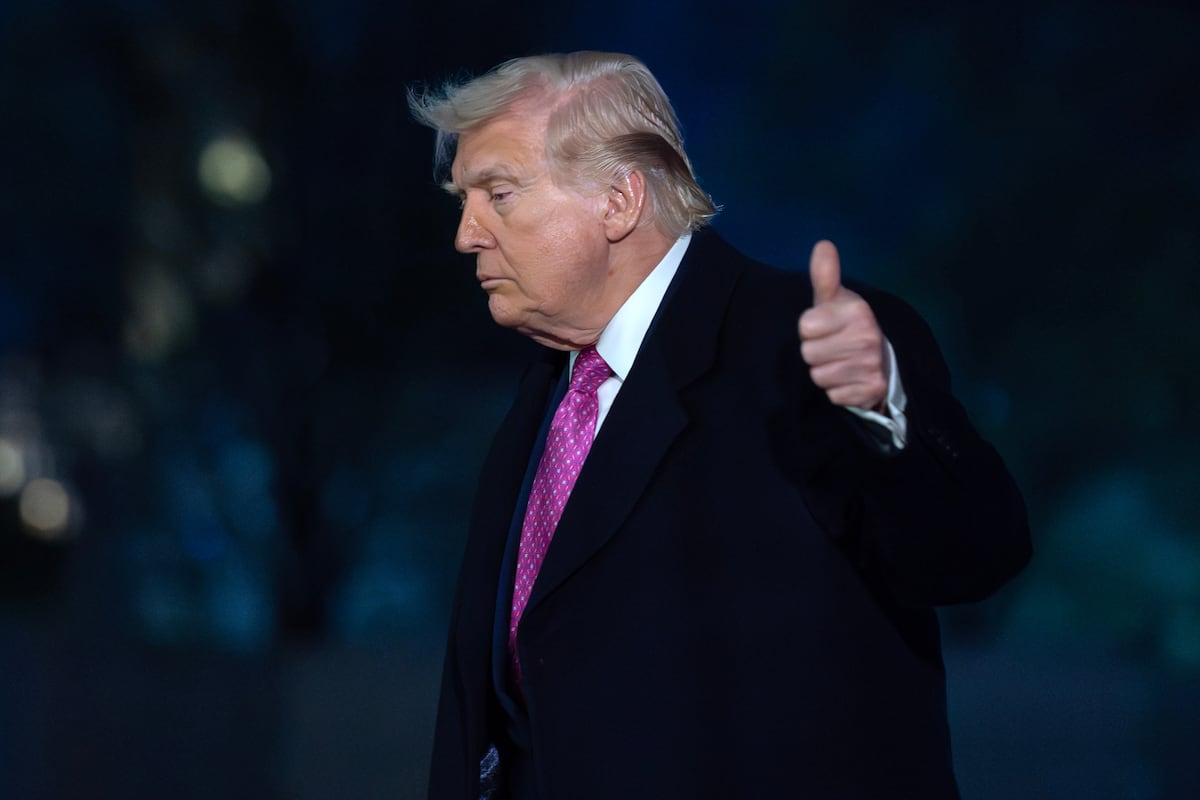
fromwww.theguardian.com
5 days agoTrump is impotently railing against the US's allies. Albanese is right to avoid the president's global catastrophe | Allan Behm
Donald Trump's behavior and threats towards NATO allies reflect his frustration and lack of effective options in the ongoing geopolitical crisis.

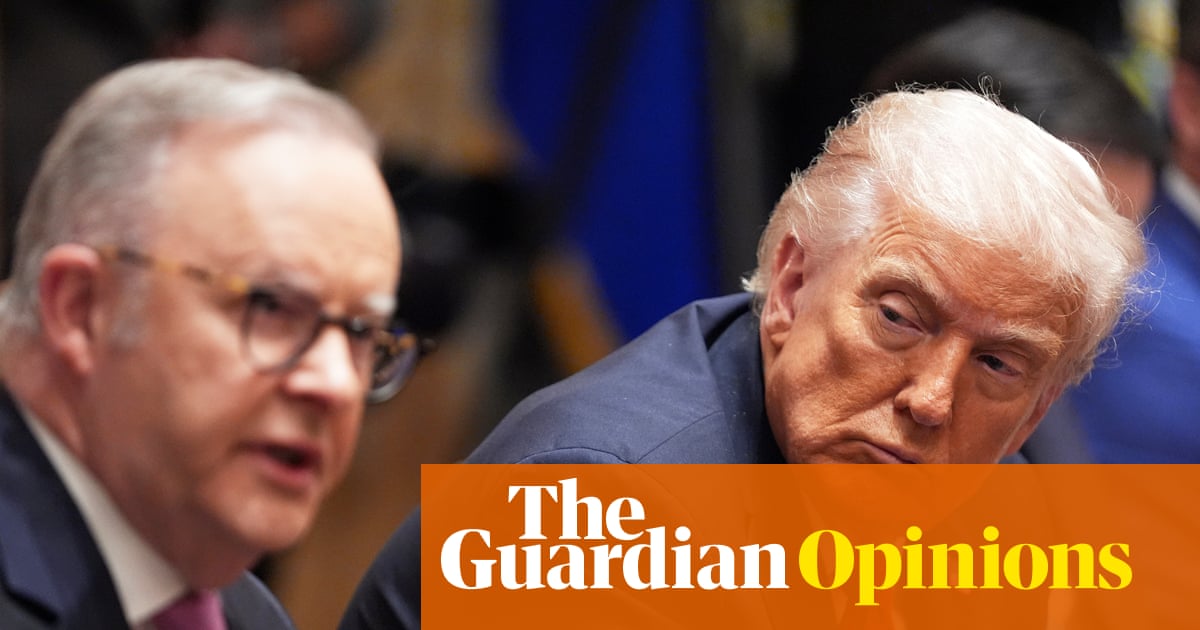
Europe politics
fromenglish.elpais.com
2 weeks agoThe EU is preparing to slam the door on Trump and cling to multilateralism
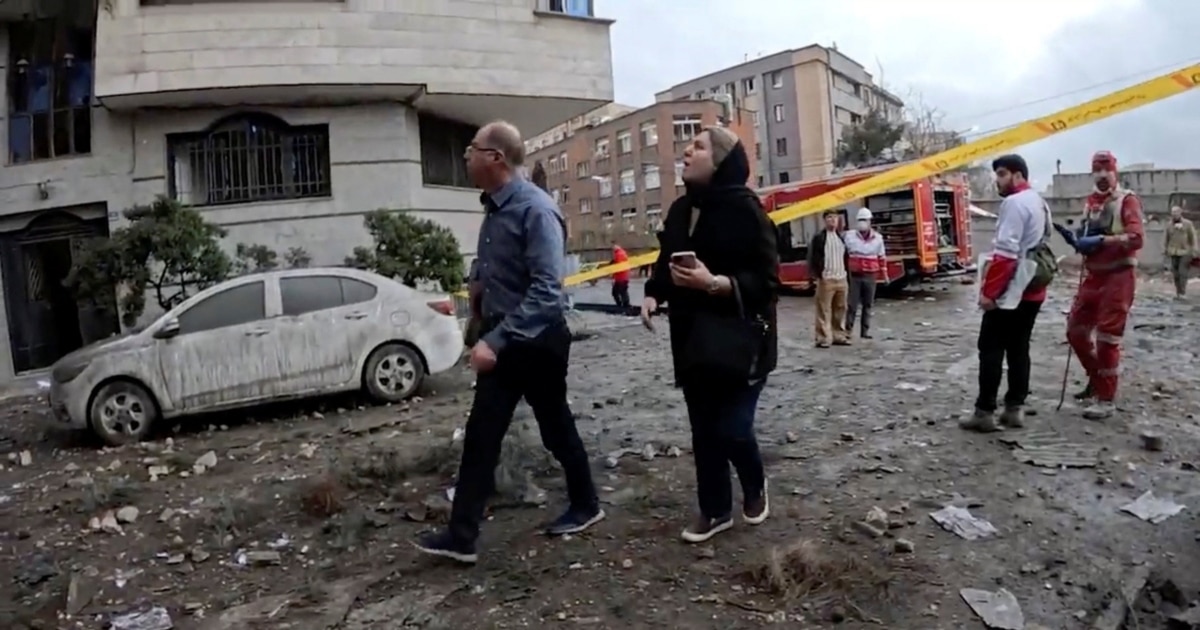
EU leaders prioritize multilateralism and rules-based order while addressing energy price surges and geopolitical instability driven by US-Iran conflict and Trump's foreign policy.
EU data protection
fromInfoWorld
1 month agoSovereignty isn't a toggle feature
European cloud alternatives like Hetzner and Scaleway can deliver comparable performance and capabilities to AWS while significantly reducing costs, though they require greater operational responsibility and architectural commitment to sovereignty.
fromThe Atlantic
1 month agoThe Undiplomatic Diplomats
American diplomats are supposed to represent the nation, advocate for the interests and policies of the U.S. government, and stay on generally good terms with the country to which they're assigned. Even when they are sent to places that have an adversarial relationship with the United States, they are expected to maintain decorum while conveying messages these regimes may not want to hear.
US politics
Business
fromHarvard Business Review
1 month agoRethinking Strategy in a Hyperpolitical World
Corporate decisions face intense public scrutiny for political implications, resulting in boycotts, revenue loss, reputational damage, and executive terminations, yet political engagement remains unavoidable for businesses.
EU data protection
fromComputerworld
1 month agoUS orders diplomats to push back on data sovereignty
The US government directs diplomats to oppose data sovereignty laws globally, viewing them as threats to free data flows and AI development, while European support for such restrictions grows due to privacy and surveillance concerns.
#international-law
World politics
fromwww.theguardian.com
5 days agoThe security council has allowed unchecked power and brutality. To protect peace, we must reform the UN | Luiz Inacio Lula da Silva
International law violations lead to chaos, with the UN's inaction and the rise of armed conflicts threatening global security and humanitarian principles.


World politics
fromwww.theguardian.com
5 days agoThe security council has allowed unchecked power and brutality. To protect peace, we must reform the UN | Luiz Inacio Lula da Silva
International law violations lead to chaos, with the UN's inaction and the rise of armed conflicts threatening global security and humanitarian principles.
World politics
fromwww.aljazeera.com
3 weeks agoWhy international law is still the world's best defence
The post-World War II international legal order faces erosion from ultranationalism, great-power rivalries, and norm violations, risking a return to force-based politics where power supersedes principle.
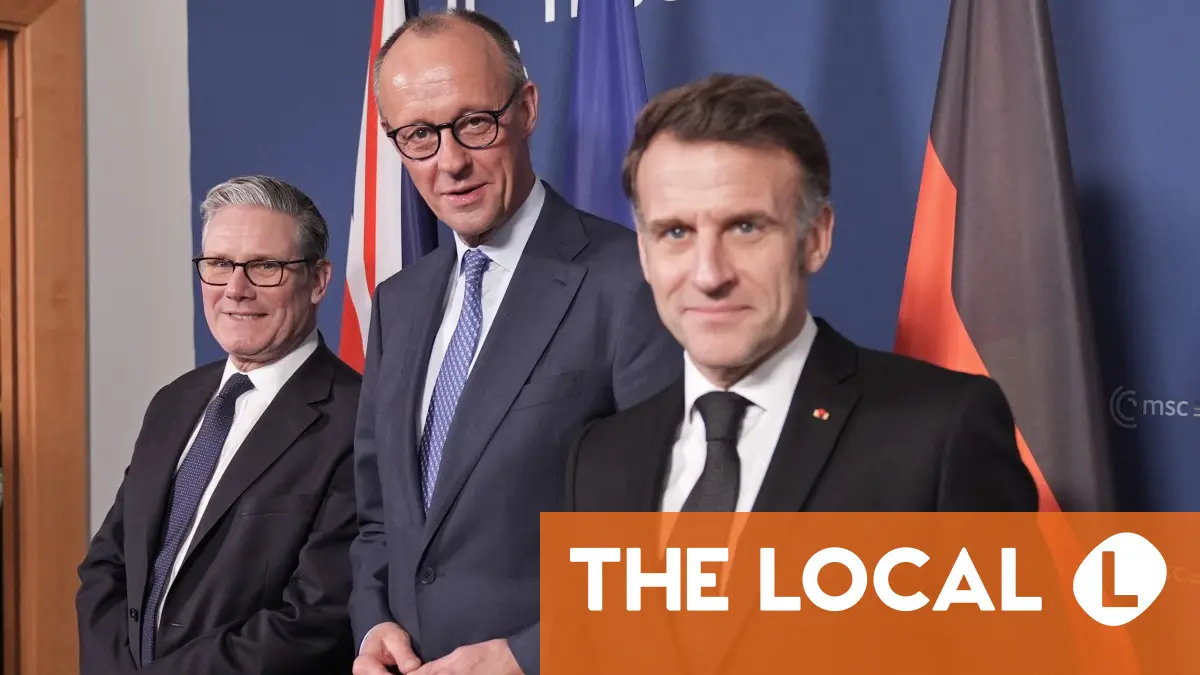
fromwww.eastbaytimes.com
2 months agoUS will exit dozens of international organizations as it further retreats from global cooperation
Most of the targets are U.N.-related agencies, commissions and advisory panels that focus on climate, labor and other issues that the Trump administration has categorized as catering to diversity and woke initiatives. The Trump Administration has found these institutions to be redundant in their scope, mismanaged, unnecessary, wasteful, poorly run, captured by the interests of actors advancing their own agendas contrary to our own, or a threat to our nation's sovereignty, freedoms, and general prosperity, the State Department said in a statement.
US politics
fromwww.aljazeera.com
2 months agoWill the Board of Peace live up to its name?
United States President Donald Trump launched the Board of Peace on Thursday, saying it's one of the most consequential bodies ever created in the history of the world. This is all part of the agreement to reach a ceasefire in Gaza after more than two years of Israel's genocidal war on Palestinians in the territory. Trump said the board will work in partnership with the United Nations to address crises far beyond Gaza.
US politics
fromThe Nation
3 weeks agoThe "Rules-Based Order" Is Gone. Let's Not Bring It Back.
The very same European leaders and anointed members of the Blob expressing outrage about Greenland were largely silent or supportive as Trump bombed Iran and Nigeria, abducted Maduro, and continued to aid and abet Israel's genocide in Gaza.
World politics
fromwww.theguardian.com
1 month agoThe world order we're leaving behind may be replaced by no order at all
The Canadian prime minister, Mark Carney, inspired a wave of enthusiastic nodding among the cosmopolitan crowd gathered in Davos last month when he took to the podium and proclaimed that the world order underwritten by the United States, which prevailed in the west throughout the postwar era, was over. The organizing principle that emerged from the ashes of the second world war, that interdependence would promote world peace by knitting nations' interests together in a drive for common security and prosperity, no longer works.
World news
fromwww.aljazeera.com
2 months agoWhy is the US quitting international organisations?
There are more signs that the United States is disengaging from the global order established after World War II. President Donald Trump has ordered his administration to pull out of more than 60 agencies, half of them part of the United Nations. Trump argues that being a member of these organisations is contrary to his country's interests. The secretary of state went as far as saying they're useless or wasteful.
World news
fromwww.aljazeera.com
1 month agoCan the UN Security Council be reformed?
The UN secretary-general says the absence of African seats is indefensible'. African nations must have permanent seats on the United Nations Security Council, the head of the world body has told the African Union. Latin American countries and most of those in Asia do not have a permanent presence either, despite their huge populations. Can the UN be reformed? Presenter: Rishaad Salamat Guests: Olukayode Bakare visiting scholar in international relations and African politics at the University of Colorado Denver Mukesh Kapila former UN humanitarian coordinator
World news
[ Load more ]