#preservation-profession
#preservation-profession
[ follow ]
#sustainability #climate-change #biodiversity #architecture #environment #urban-development #sustainable-design
#urban-development
Business intelligence
fromLondon Business News | Londonlovesbusiness.com
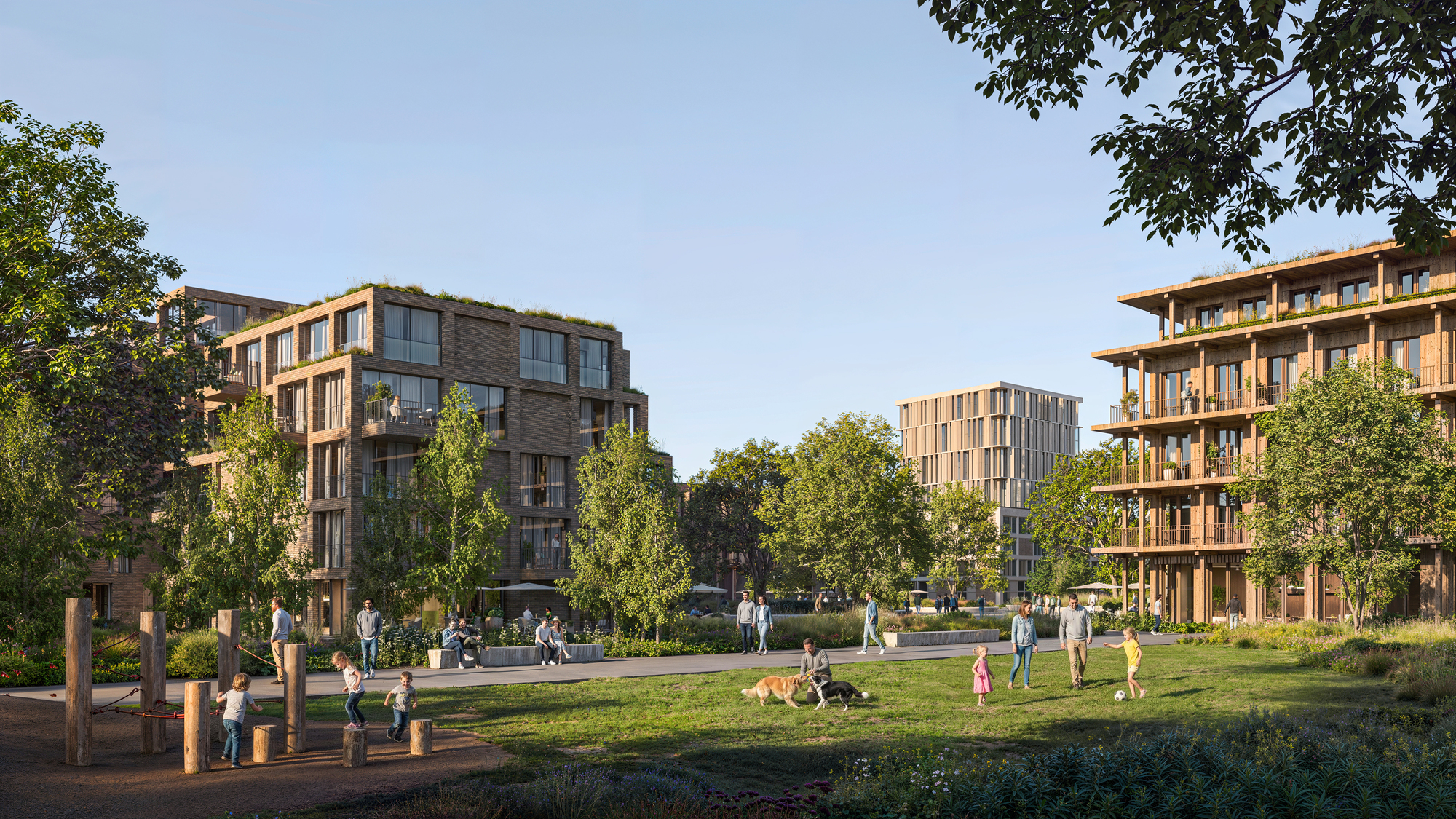
5 days agoWhy GIS matters in modern infrastructure and urban planning: Building smarter, future-ready cities - London Business News | Londonlovesbusiness.com
GIS is essential for effective urban planning, enabling data-driven decisions that enhance infrastructure and quality of life in rapidly growing cities.
Business intelligence
fromLondon Business News | Londonlovesbusiness.com
5 days agoWhy GIS matters in modern infrastructure and urban planning: Building smarter, future-ready cities - London Business News | Londonlovesbusiness.com
GIS is essential for effective urban planning, enabling data-driven decisions that enhance infrastructure and quality of life in rapidly growing cities.


fromThe Art Newspaper - International art news and events
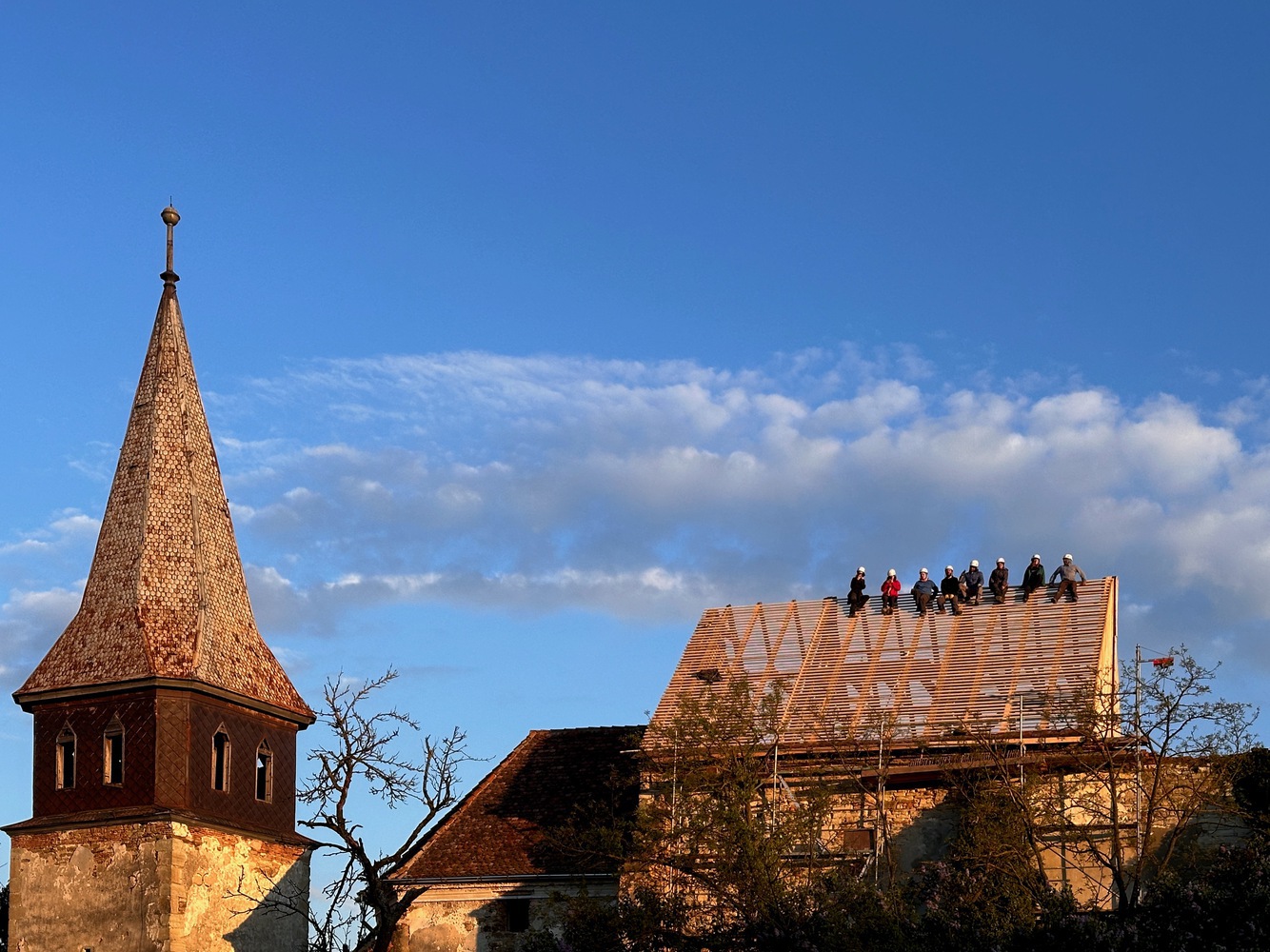
2 days agoUnesco grants enhanced protection to 39 Lebanese heritage sites as war escalates
The designation prohibits the sites from being targeted or used for military purposes, with violations potentially constituting serious breaches of the 1954 Hague Convention and grounds for criminal responsibility.
Arts

fromHigh Country News
4 days agoForest Service overhaul sows confusion, concern - High Country News
"Nobody is asking for this. None of the farm groups want this. No one in conservation wants this. Nobody." Robert Bonnie, former Forest Service undersecretary, highlights widespread opposition to the reorganization.
Washington DC
fromwww.theguardian.com
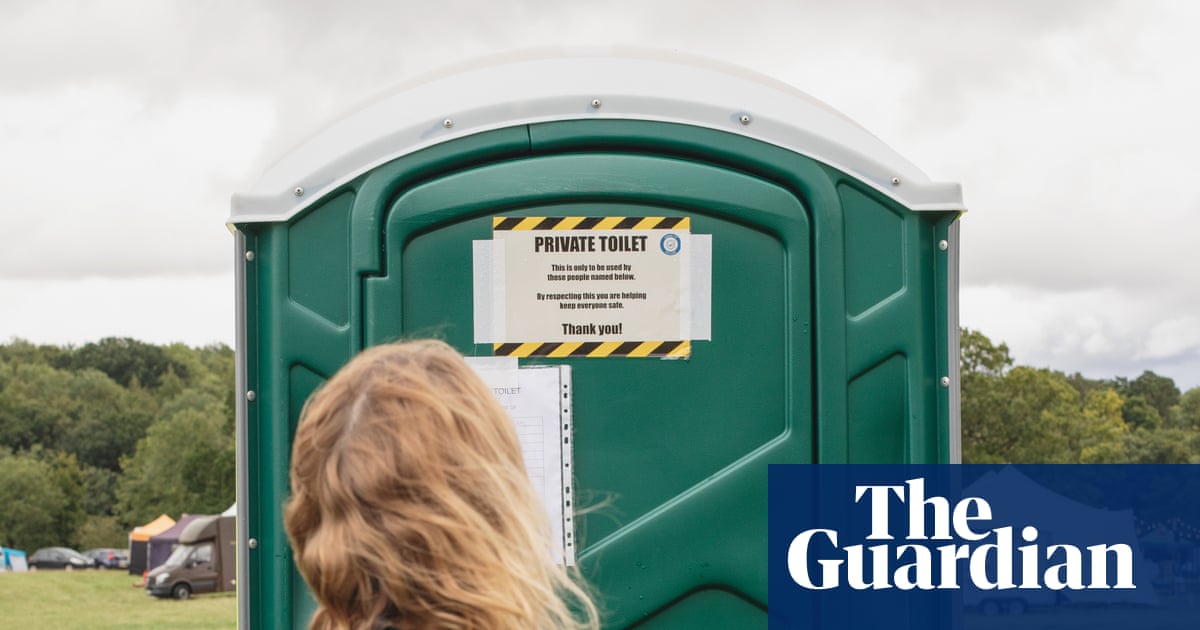
2 days agoThe dark side of the balloon boom is it time they were banned?
In 2019, scientists found that balloons eaten by seabirds are more likely to kill them than other kinds of plastic yet they do not seem to have been earmarked in the same way as, for example, plastic straws.
Public health
Alternative transportation
fromStreetsblog
2 weeks agoWhy Some Congresspeople Want to Go Big on Greenways - Streetsblog USA
The Parks to People Act proposes $300 million in federal funding for walking and biking infrastructure as essential transportation tools, despite political opposition dismissing them as distractions.
Brooklyn
fromBrownstoner
2 weeks agoRestoration Work in Prospect Park's The Vale Kicks Off
An eight-acre section of Prospect Park undergoes a $37.5 million restoration project, the largest capital investment in over a decade, transforming a neglected area into an accessible nature-focused retreat by 2027.
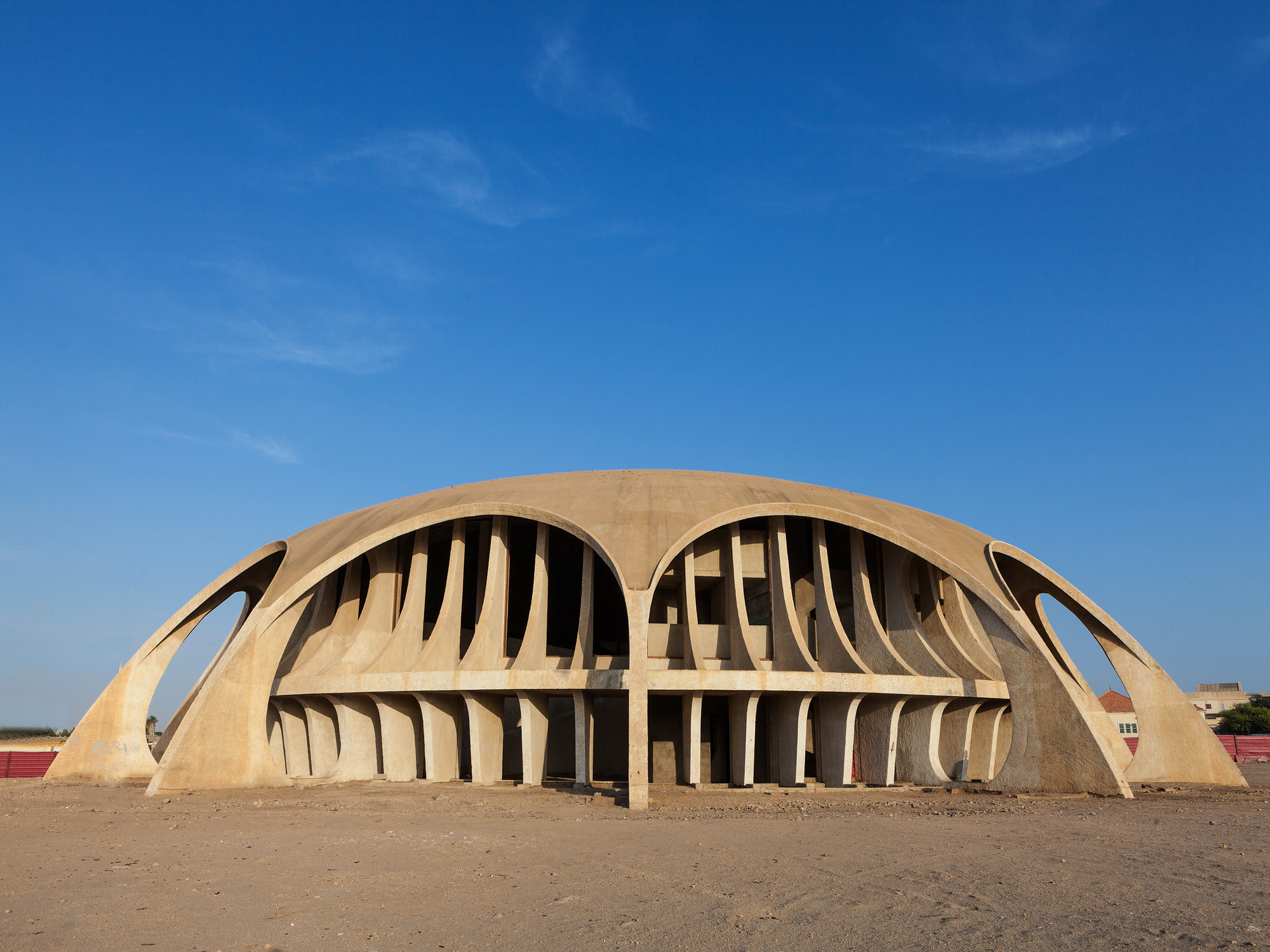
Design
fromYanko Design - Modern Industrial Design News
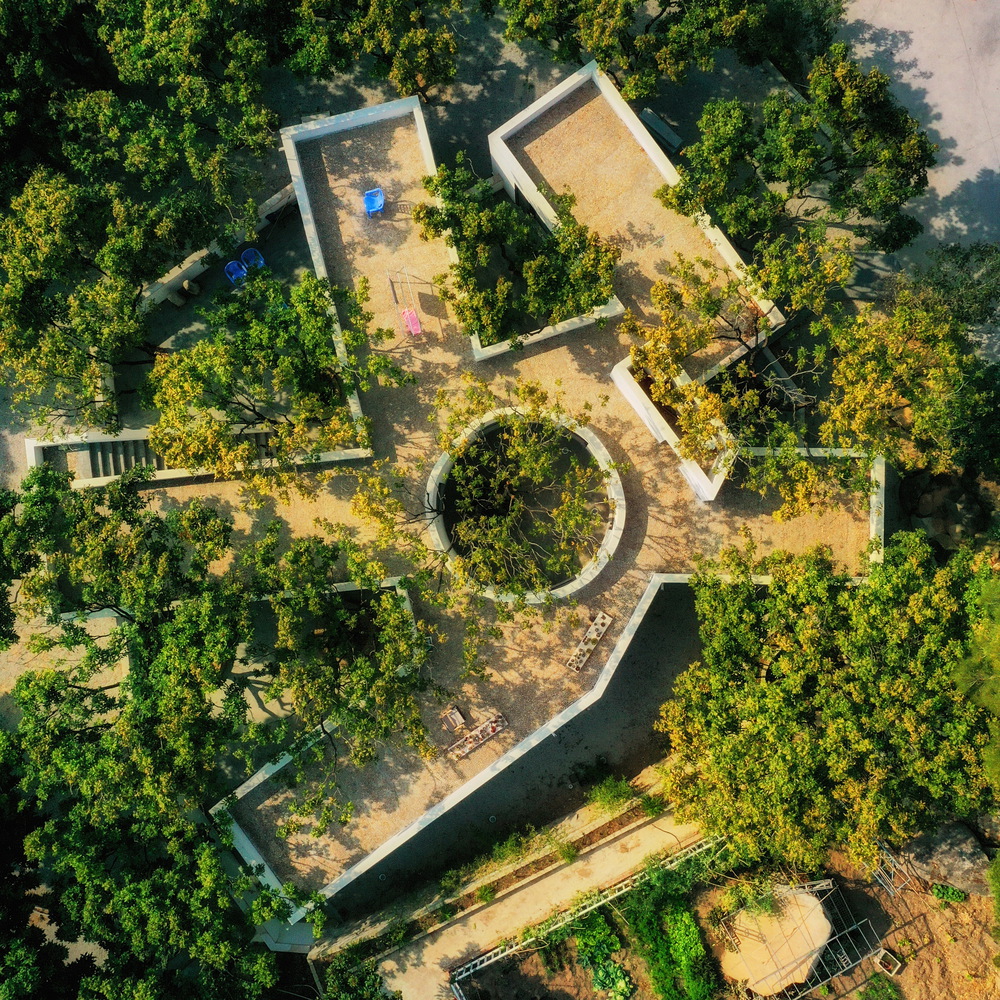
4 days agoBiomimetic Architecture Reaches New Heights With This Bird-of-Paradise Yoga Space - Yanko Design
Thilina Liyanage's architecture translates animal gestures into functional designs, exemplified by the Rifle Bird Yogashala inspired by the Victoria's riflebird's courtship display.
fromMail Online
4 days agoBritain has just 20 years to save its wildlife, experts warn
'Our results show that the next 20 years are critical,' lead author Dr Rob Cooke told the Daily Mail. 'By around 2050, we reach a point where the choices we make on emissions and land use will largely determine whether Britain moves towards a much more degraded or a much more nature‑positive future.'
Environment
Design
fromdesignboom | architecture & design magazine
5 days agoartwork uses floating fabric corridor and bodily movement to visualize climate change
Ryo Yamada's Perception Corridor is an immersive installation in Edinburgh that explores perception and environmental awareness through a 40-meter fabric corridor.
fromArchDaily
4 weeks agoArchiving the Technosphere: How Museum Architecture Mediates Human-Made Systems
The contemporary technology museum has emerged as a performative participant in the systems it seeks to document. The architecture of these institutions has become increasingly fluid and bold, often mirroring the velocity and complexity of the systems it houses. They operate as mediators between the human, the ecological, and the technological realms, transforming from encyclopedic warehouses into active educational engines.
Science
Miscellaneous
fromwww.theguardian.com
1 month agoA delightful day at the dump: The trick is not to leave with more stuff than I arrived with!'
A recycling centre's ReUse shop in London salvages discarded items including unusual specimens like embalmed animals, vintage furniture, and antiques to resell rather than send to landfill.
fromwww.theguardian.com
2 weeks agoSmall changes in how we garden can make a big difference to birds | Letter
Around a third of UK gardeners use pesticides, and our studies found that house sparrow numbers, for example, were nearly 40% lower in gardens where the pesticide metaldehyde was used. By reducing pesticide use, you can actively encourage birds back into your outdoor spaces, as they rely on invertebrates such as slugs and snails as natural prey.
Pets
fromArchDaily
3 weeks agoBuilding with Earth: Traditional Knowledge in Contemporary Architecture
Rather than representing a simple return to the past, this renewed interest reflects a broader reconsideration of how architecture engages with materials, local resources, and environmental conditions.
Renovation
#urban-ecology
Agriculture
fromdesignboom | architecture & design magazine
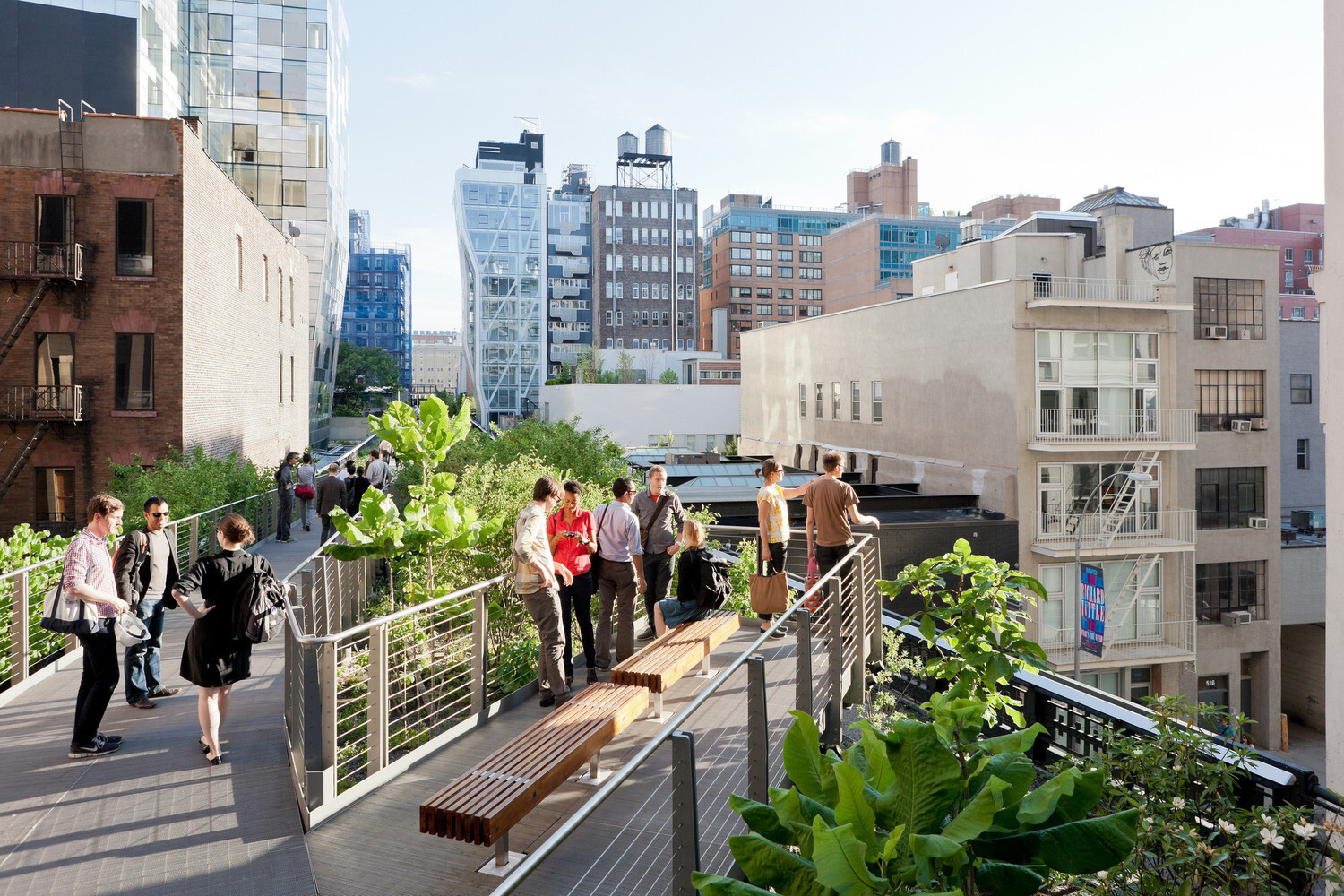
1 week agourban rewilding in practice: restoring london's heathland for humans, sheep, and ecology
Sheep grazing is proposed to regenerate urban heathland ecology, creating a continuous ecological corridor that supports both human and non-human systems.
Agriculture
fromdesignboom | architecture & design magazine
1 week agourban rewilding in practice: restoring london's heathland for humans, sheep, and ecology
Sheep grazing is proposed to regenerate urban heathland ecology, creating a continuous ecological corridor that supports both human and non-human systems.
Design
fromArchDaily
2 weeks agoRethinking Architecture at the Scale of Planetary Systems
Contemporary architecture operates within interconnected technological systems—energy networks, data infrastructures, and global logistics—that fundamentally shape what can be built, its affordability, performance, and waste production.
Miscellaneous
fromArchDaily
1 month ago7 Unbuilt Masterplans Reimagining Urban Futures Through Ecology and Collective Space
Unbuilt urban masterplans explore adaptive spatial frameworks that recalibrate mobility, ecology, and collective life through climate-responsive design and public space integration across diverse global contexts.
Agriculture
fromEarth911
2 weeks agoConvenience Comes at the Environment's Expense
Fast delivery convenience carries significant environmental costs through packaging waste, carbon emissions, and resource consumption, but individual yard management choices can meaningfully reduce environmental impact at a local scale.
Environment
fromwww.theguardian.com
2 weeks agoEngland should give over 7% of land to nature and renewables to meet environmental targets, data shows
England must allocate 7% of its land to nature, forests, and renewable energy to meet environmental targets while maintaining food production and housing capacity.
fromArchDaily
1 month agoHeritage Without Permanence: When Architecture Endures by Disappearing
A Gothic cathedral can take centuries to complete. A world exposition pavilion may stand for six months. A ritual structure in Kolkata rises and vanishes within five days. Yet each draws pilgrimage, shapes collective memory, and reorganizes urban life. If heritage has long been defined by what endures, architecture repeatedly shows that cultural authority can also belong to what gathers people.
Design
fromArchDaily
1 month agoShaping Architectural Continuity: 25 Revitalization Projects Across Historic, Industrial, and Natural Sites
Heritage sites constitute complex spatial archives in which architecture, history, and collective memory converge. They encompass a wide spectrum of contexts-from archaeological remains, ancient and historic townscapes, UNESCO-listed landscapes, to early modern civic structures and industrial infrastructures. Yet these environments confront challenges: climate change, urban transformation, disaster, shifting social needs, and the gradual erosion of material fabric. Revitalization and restoration projects respond to these conditions by positioning architectural and spatial practice as an active mediator between preservation and the contemporary topologies.
Renovation

fromwww.dw.com
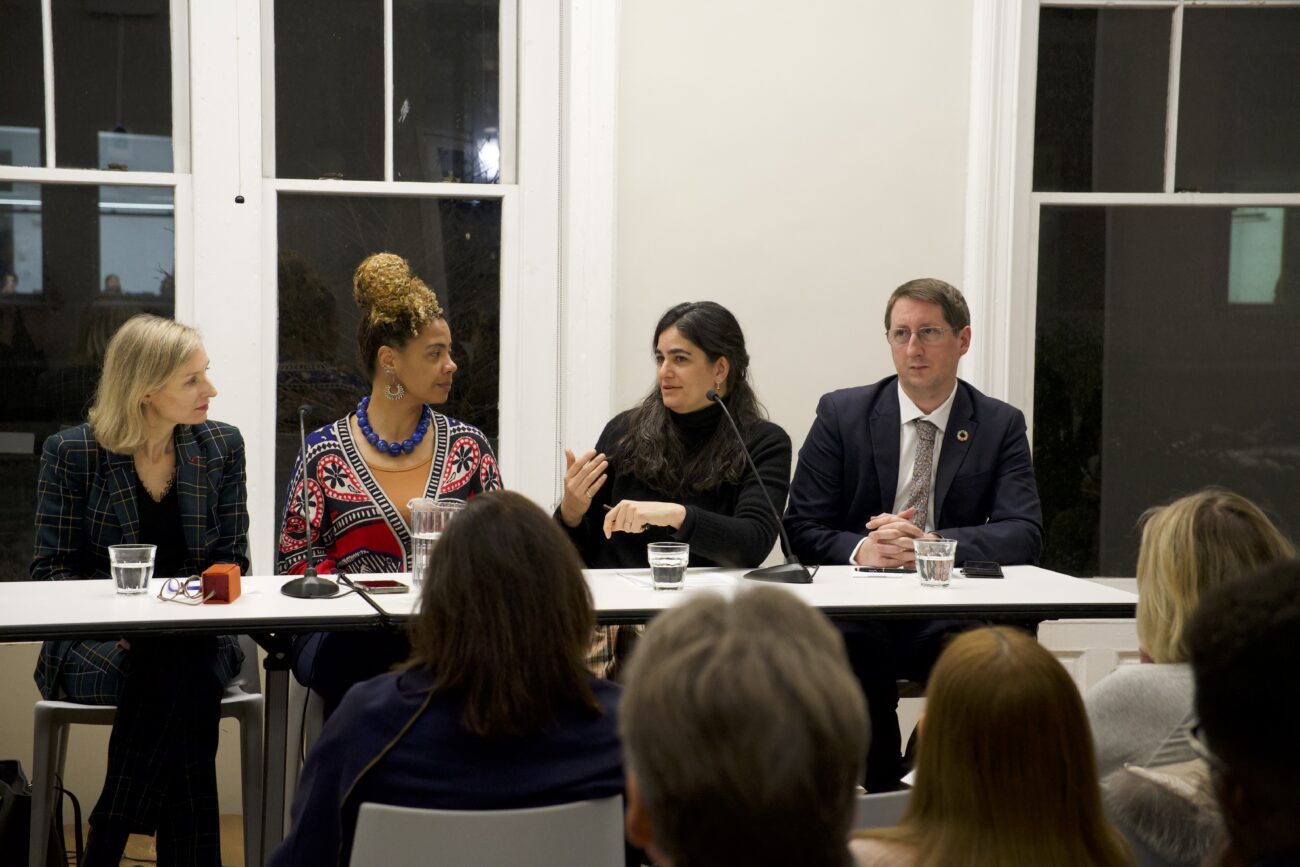
2 months agoThe business of saving nature
The world spends 30 times more money destroying nature than protecting it. That's according to a new report from the United Nations Environment Programme (UNEP) that exposes a massive gulf between so-called "harmful investments" and financing that promotes nature preservation. The global environment agency's latest "State of Finance for Nature" (SNF) report is calling to phase out the US$7.3 trillion (6.2 trillion) in global investments that damage nature including into high-emissions energy infrastructure and manufacturing, for example.
Environment
[ Load more ]