#pritzker-collection
#pritzker-collection
[ follow ]
#contemporary-art #architecture #whitney-biennial #art #art-exhibitions #contemporary-architecture #design

Renovation
fromdesignboom | architecture & design magazine
6 days agopaul rudolph's historical walker guest house returns in exhibition curated by A$AP rocky
The Walker Guest House, designed by Paul Rudolph, is showcased in Los Angeles with original and modern design elements, highlighting its significance in American modernism.
Washington DC
fromThe Art Newspaper - International art news and events
1 week agoHirshhorn Museum's revamped sculpture garden will feature new acquisitions by Mark Grotjahn, Lauren Halsey and more
The Hirshhorn Museum's sculpture garden will reopen with eight new works by various artists, enhancing the cultural landscape of Washington, DC.
Design
fromdesignboom | architecture & design magazine
3 days agoreversible cultural pavilion activates public space in frankfurt 2026
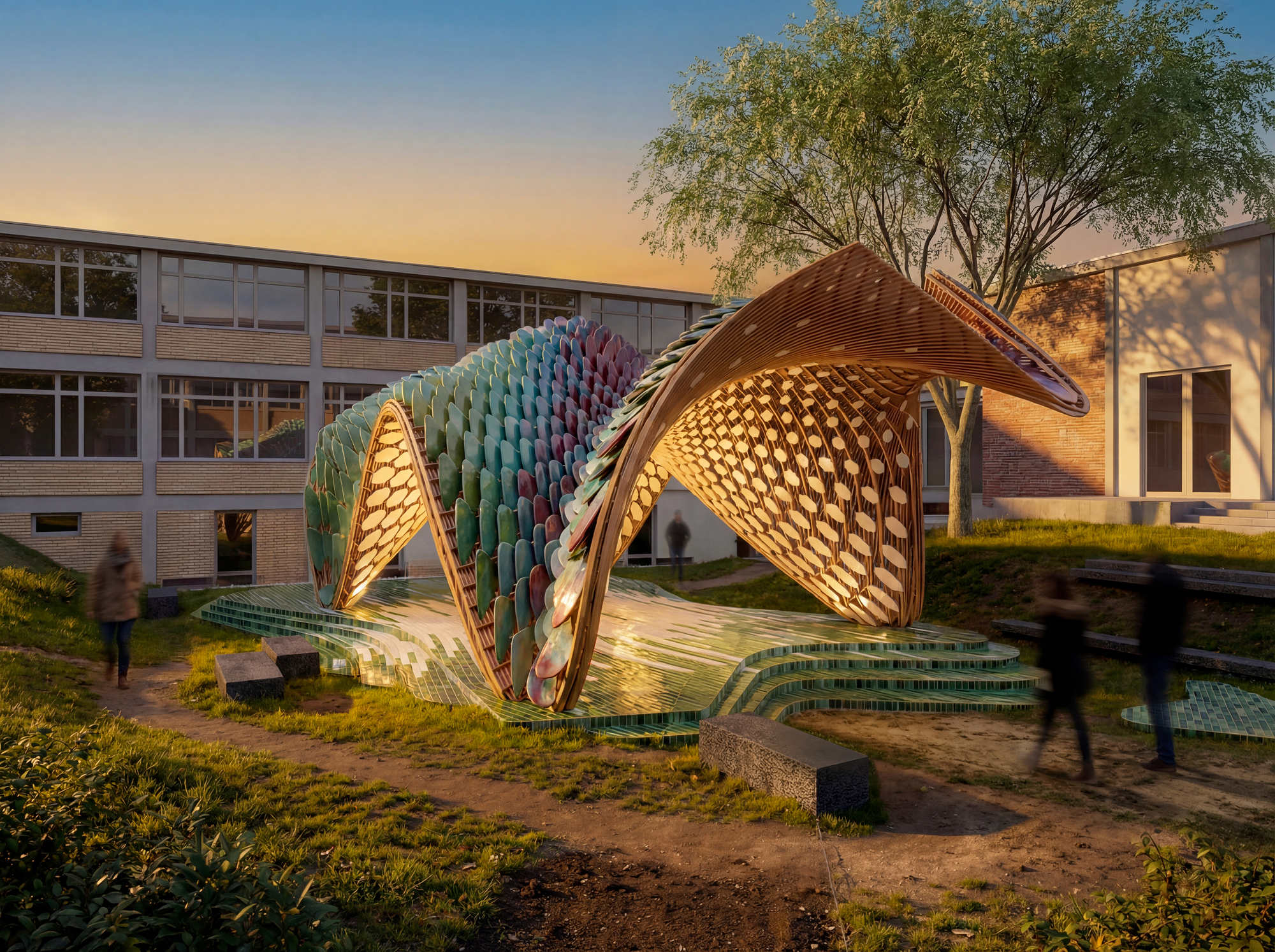
Spain's pavilion for World Design Capital 2026 emphasizes reversible cultural infrastructure and sustainable design through innovative materials and construction methods.
Renovation
fromdesignboom | architecture & design magazine
2 weeks agovenice biennale reveals renovated central pavilion ahead of 61st international art exhibition
The Central Pavilion at La Biennale di Venezia has been fully refurbished, enhancing its spatial coherence and preparing for the 2026 Art Biennale.
fromHyperallergic
3 days agoThe Art World Is a Joke
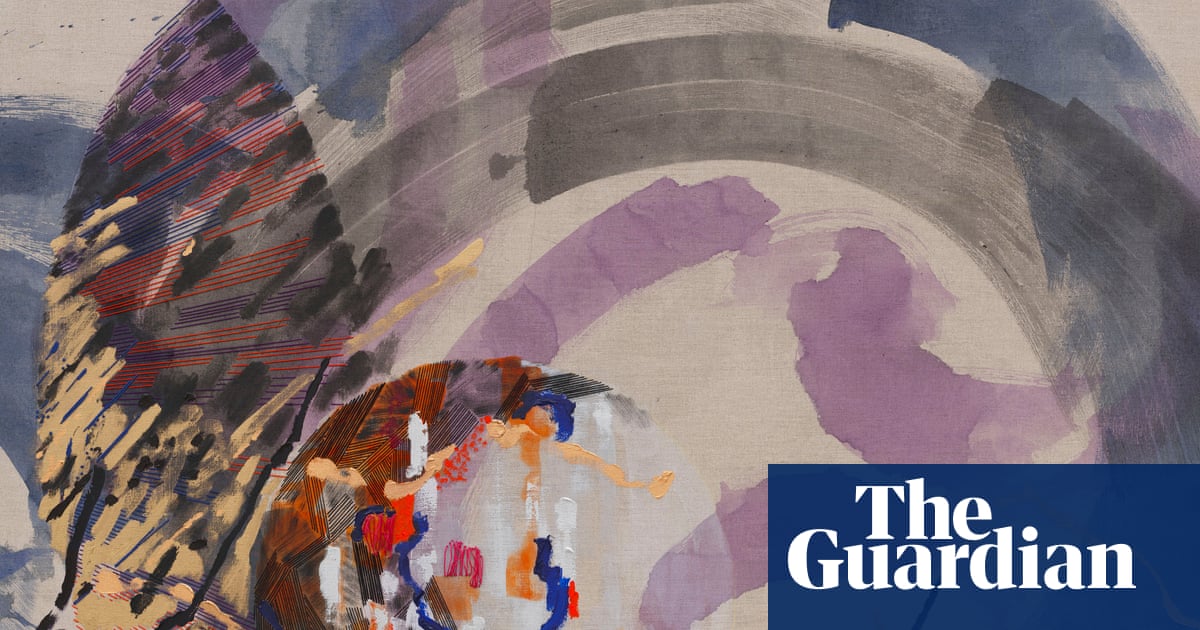
Kamrooz Aram is everywhere this year, from Mumbai Art Week to the Whitney Biennial, and critic Aruna D'Souza is grateful. She pens a beautiful meditation on his work, reading his abstract paintings as not simply a denunciation of Western modernism nor a reassertion of Islamic visual motifs, but something else entirely - something gestural, exuberant, riotous, and incomparably his own.
Arts
#museum-expansion

Brooklyn
fromThe Art Newspaper - International art news and events
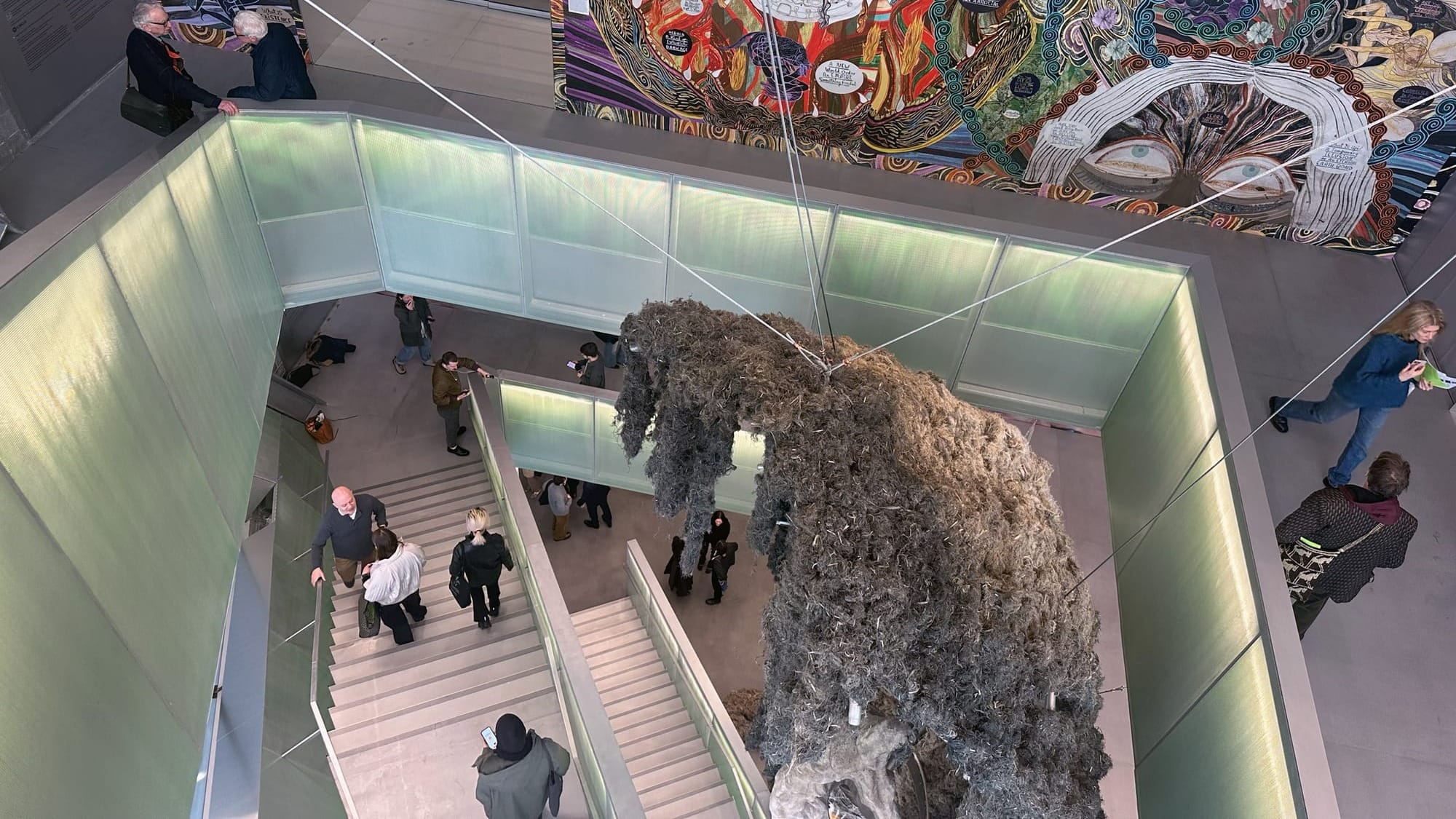
2 weeks agoThe new New Museum: now with twice the space
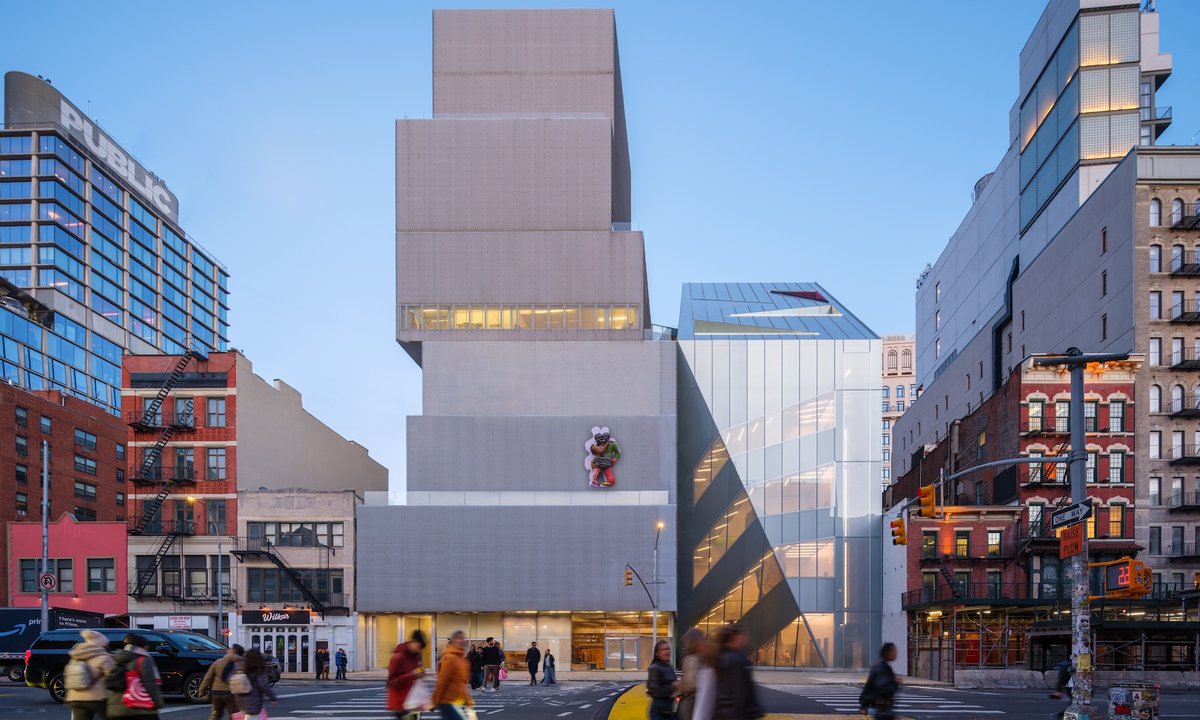
New York's New Museum opens an $82 million expansion on March 21, doubling its footprint to 120,000 sq. ft with new galleries, artist studios, and public spaces designed by OMA and Cooper Robertson.
Berlin
fromTime Out New York
3 weeks agoThe Studio Museum in Harlem just made Time's best places list
The Studio Museum in Harlem was named one of TIME's World's Greatest Places of 2026, recognizing its significance as the first U.S. institution devoted to Black fine art and its role in elevating contemporary artists.
fromdesignboom | architecture & design magazine
3 weeks agopulp galerie show revives radical 1990s CHIAT\DAY office furniture by gaetano pesce
When Jay Chiat commissioned Gaetano Pesce in 1994, he envisioned a workplace free from assigned desks and rigid partitions. The Italian designer responded with a space conceived as a flexible field of movement. The office functioned almost like a small city, where meeting areas and work zones formed an informal network of routes and gathering points.
Graphic design
fromLos Angeles Times
19 years agoLincoln Park's wealth lies in its history
Pomona's Lincoln Park neighborhood offers buyers seeking classic vintage homes an affordable alternative for early 20th century Craftsman homes, California bungalows and Prairie, Tudor and Colonial Revival styles, as well as a healthy mix of Spanish and Victorian houses. The Lincoln Park enclave, which is on the National Register of Historic Places, is home to about 900 of Pomona's more than 2,700 buildings of historic significance.
LA real estate
fromArchDaily
4 weeks agoArchiving the Technosphere: How Museum Architecture Mediates Human-Made Systems
The contemporary technology museum has emerged as a performative participant in the systems it seeks to document. The architecture of these institutions has become increasingly fluid and bold, often mirroring the velocity and complexity of the systems it houses. They operate as mediators between the human, the ecological, and the technological realms, transforming from encyclopedic warehouses into active educational engines.
Science
fromArchitectural Digest
6 years ago17 Interior Design Schools Worth Applying To
To really work in the high end of the industry, formal schooling is an absolute necessity. It isn't just about whether you can say, oh, that floral looks good with that stripe. Rather, it's about mastering foundational design principals and developing fluency with the rendering and software tools required of day-to-day work. It's about designing to satisfy a question.
Education
fromArtforum
1 month agoField Conditions
Like the chambered nautilus, its shell was a logarithmic spiral. A wall of rough sandstone and aquamarine glass cullet twisted up fifty feet to an oil-drill-stem mast from which a floating roof was hung by the stainless-steel struts of World War II biplanes. You slid in with the humid air from the ravine outside to stroll a terraced garden of pools and plants, over which suspended and carpeted pods for living and sleeping drifted like clouds.
Miscellaneous
Chicago
fromArchitectural Digest
1 month agoSasha Adler Didn't Move a Single Wall in Her 19th-Century Lincoln Park Town House-but Everything Else Changed
A designer preserved a historic 1800s Chicago townhouse's original architectural details while completely modernizing all surfaces and systems for contemporary family living.
#pritzker-architecture-prize
Design
fromdesignboom | architecture & design magazine
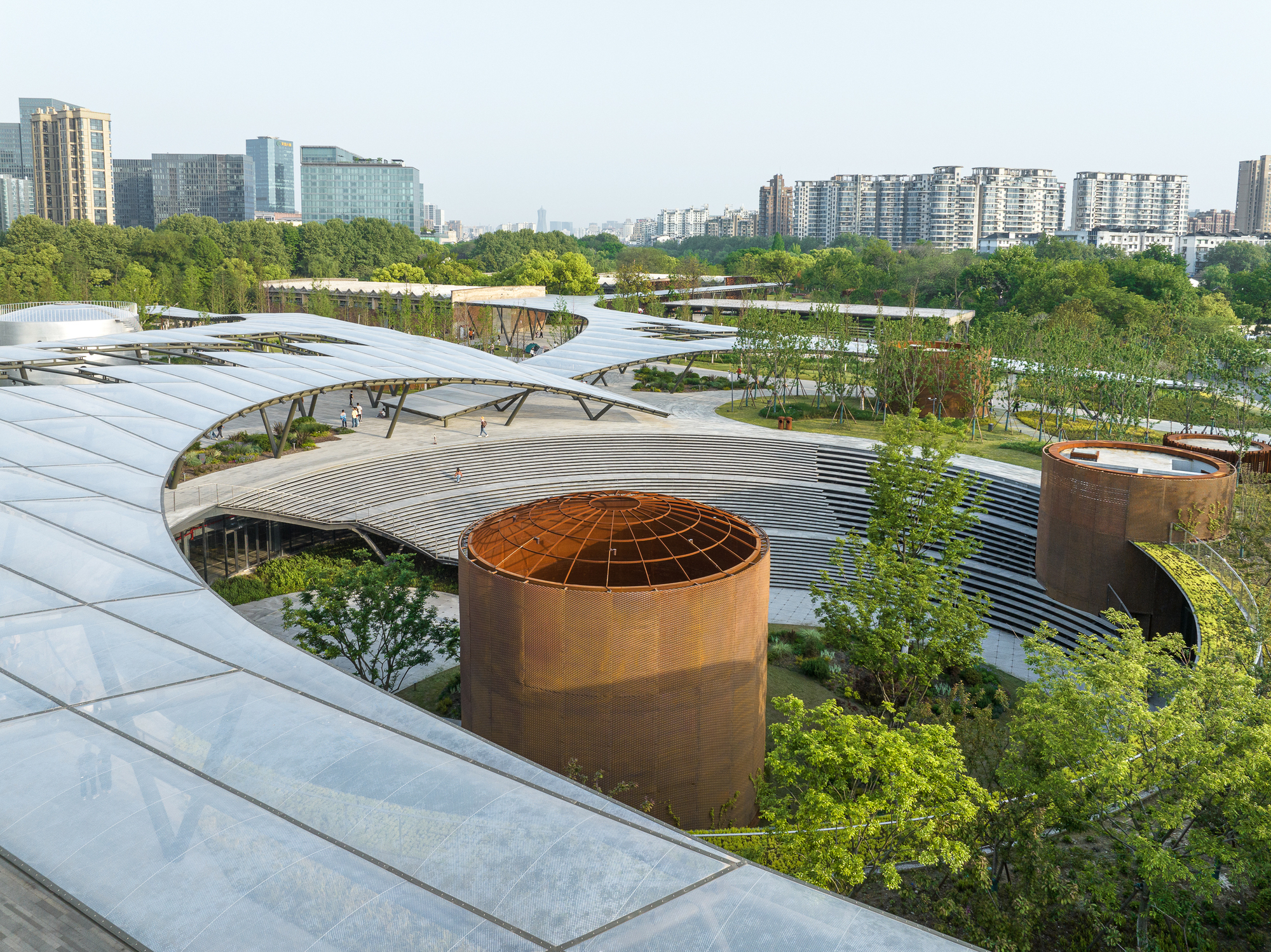
3 weeks agopritzker prize awarded to chilean architect smiljan radic clarke
Smiljan Radić Clarke wins the 2026 Pritzker Architecture Prize for creating deeply personal, site-attentive architecture that emphasizes atmosphere, materials, and discovery.
Design
fromdesignboom | architecture & design magazine
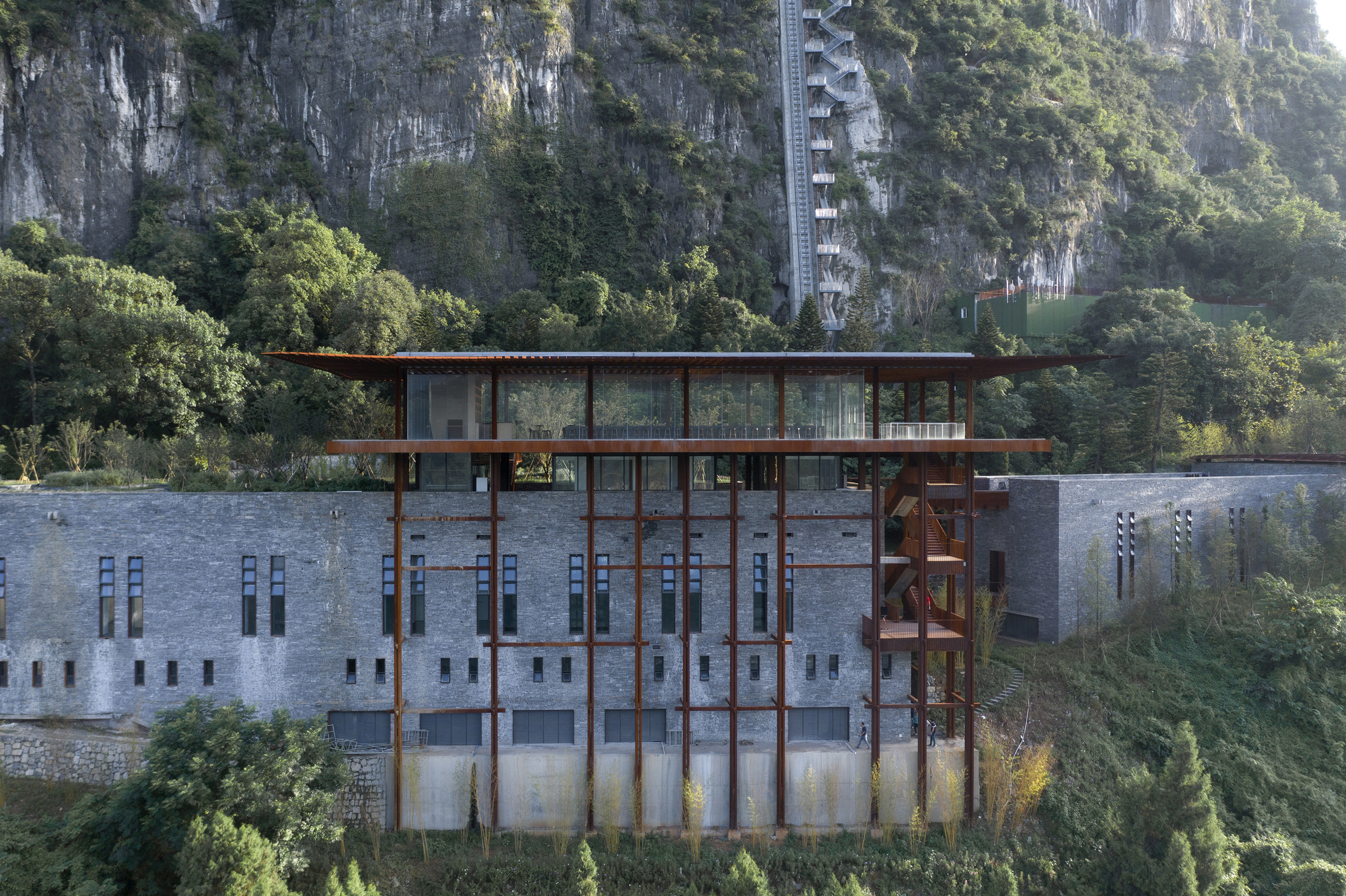
3 weeks agopritzker prize awarded to chilean architect smiljan radic clarke
Smiljan Radić Clarke wins the 2026 Pritzker Architecture Prize for creating deeply personal, site-attentive architecture that emphasizes atmosphere, materials, and discovery.


Design
fromArchDaily
3 weeks agoWho Is Smiljan Radic Clarke? 10 Things to Know About the 2026 Pritzker Architecture Laureate
Smiljan Radić, 2026 Pritzker Prize winner, creates site-specific, materially attuned architecture that resists stylistic categorization, balancing elemental and intimate scales while prioritizing human experience and cultural reflection.
fromThe Art Newspaper - International art news and events
1 week agoComment | Museums must be the leaders in a moral revolution
Bregman claims, 'Today the whole of Europe risks turning into one big Venice, a beautiful open-air museum. A great destination for Chinese and American tourists. A place to admire what was once the centre of the world.' This statement encapsulates the concern that Europe is losing its cultural significance.
Arts
Miscellaneous
fromThe Art Newspaper - International art news and events
1 month agoComment | Art is more than its original context
Understanding art's original context enriches appreciation, yet modern viewing conditions and lost contexts require adapting how we engage with artworks across different settings and time periods.

fromApartment Therapy
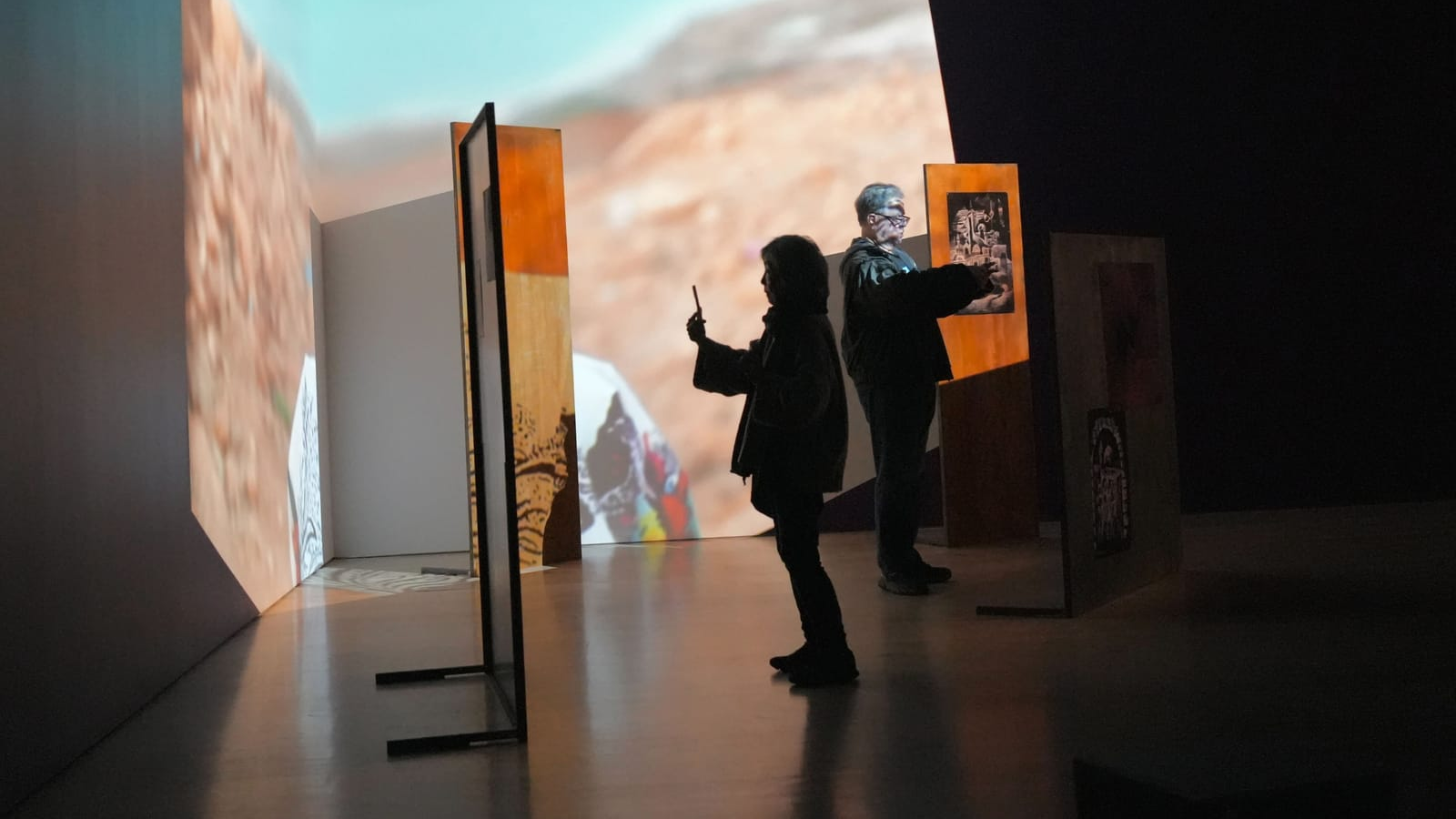
1 month agoThe Clever Way to Turn Your Home into a Curated Art Gallery
LG Gallery+ is a new visual curation service for LG TVs - and a brilliant way to make your home more unique and personalized. It lets you express your ever-changing creativity with a massive library of classic art, digital and 3D artwork, scenery, games, and more. With more than 4,500 options to choose from, you can turn your LG TV into a world-class art gallery, a peaceful forest, or an homage to your favorite video game - all in the same day.
Gadgets
fromwww.kaltblut-magazine.com
2 months agoLimited Space.
The Limited Space' series is built around the idea of a figure that has outgrown its space. Through exaggerated proportions and sculptural silhouettes, the body appears too large for the environment that continues to constrain it. Architectural elements and imposed barriers function as abstract limits, pressing against the figure and revealing tension through scale, weight, and posture rather than narrative.
Fashion & style
fromHyperallergic
2 weeks agoWhat Do We Really Think of the New New Museum?
The new New Museum is many things: contemporary, perhaps, but also a science, history, anthropology, and many other museums in one. It echoes the desire of its patron class to own the world and its affiliated courtier class to deliver it to them on a silver platter, or encased in perforated metal, in this case.
Arts
fromHyperallergic
3 weeks agoEmbracing Friction in the Art World
On Franklin Street in Brooklyn's Greenpoint neighborhood, one non-commercial gallery fosters 'a small, stubbornly human space for friction.' Friction—the ubiquitous buzzword that captures the simultaneous delight and discomfort of doing things the slow way—is at the heart of artists Pap Souleye Fall and Char Jeré's current show at Subtitled NYC. It also reflects the overall spirit of this little exhibition space and of a burgeoning movement to reject our culture of optimization in favor of a bumpier, more intimate, less alienating experience.
Arts
Arts
fromThe Art Newspaper - International art news and events
1 month ago'It doesn't put walls around everything': behind the plans for Manila's new contemporary art centre
The Ayala Foundation is developing Kontempo Center for Contemporary Art in Manila, led by artistic director Reuben Keehan, emphasizing exhibitions and public programming over permanent collections.
fromArchDaily
2 months agoRecasting Cultural Infrastructure: On AAU Anastas's Aga Khan Award-Winning Wonder Cabinet
Among the 2025 Aga Khan Award winners is AAU Anastas and their project, Wonder Cabinet in Palestine, whose central aim is to serve as a haven for culture and creativity and a bridge between design and production. Beyond this meaningful project, AAU Anastas-working from offices in Bethlehem, Palestine, and Paris, France-has built a broad portfolio since 2015. Notable works include Dar Al Majous, a restoration in Bethlehem that challenges
Design
Design
fromThe Art Newspaper - International art news and events
2 months agoHow an artist's sketch was turned into a museum
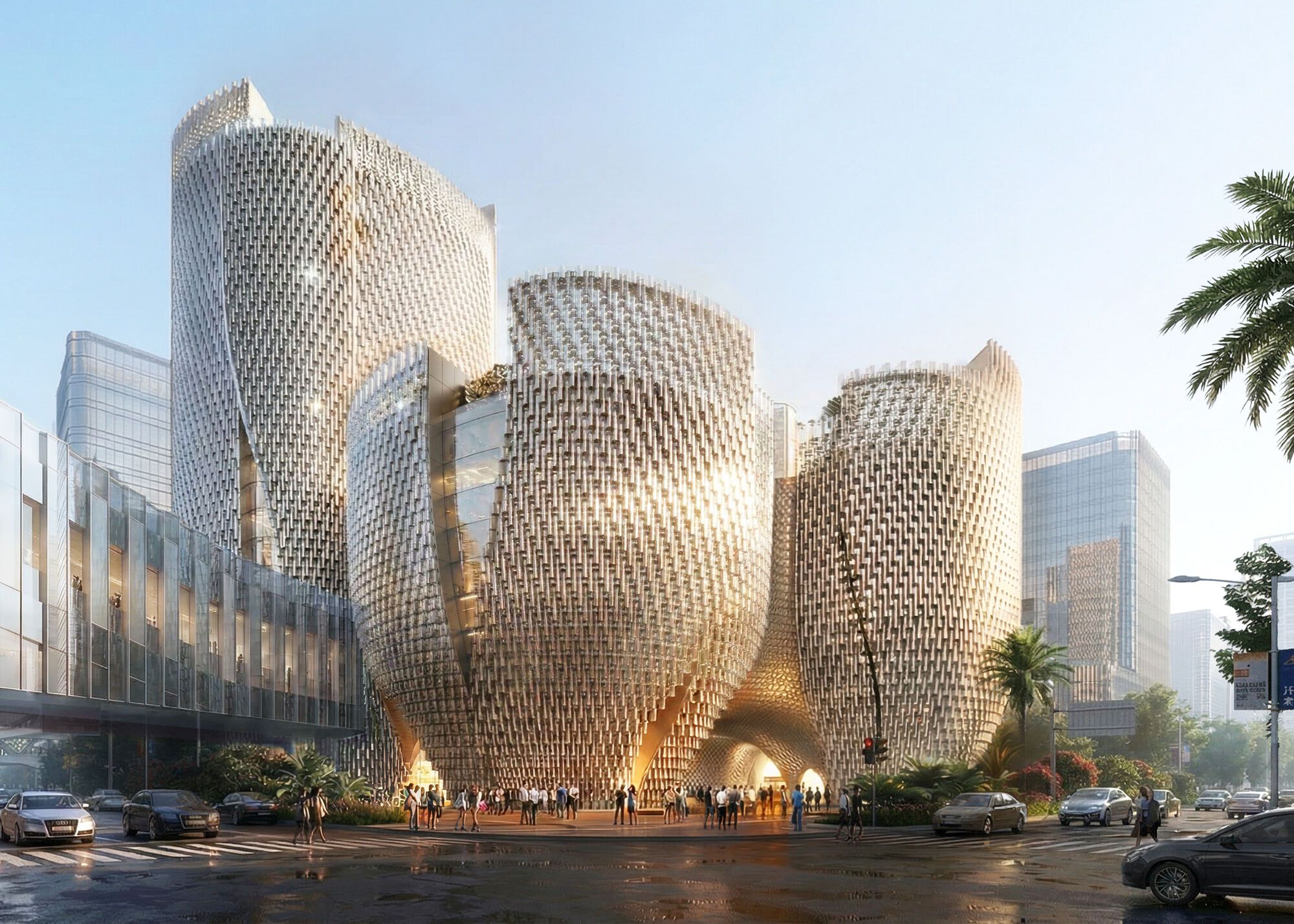
A museum design translates a blue-house and white-tower sketch into a tiled architectural language reflecting regional materials, cultural markers, and historic South–West Asian trade links.

fromThe Art Newspaper - International art news and events
1 month agoChicago's Intuit Art Museum gifted 61 works by self-taught artists
One of those early supporters was Jan Petry (1939-2024), a Chicago advertising executive who filled her home with outsider art. Petry bequeathed 47 works, some by anonymous artists-including an Odd Fellows carved wood staff dating from 1880-and others by Emery Blagdon, James Castle, Ulysses Davis, Charles Dellschau, William Hawkins, Martín Ramírez, Günther Schützenhöfer and Leopold Strobl. Charles Dellschau, Fall Not, 1920 Collection of Intuit Art Museum, gift of Jan Petry and Angie Mills
Arts
fromBerlin Art Link
2 months agoReview of David Horvitz at ChertLudde | Berlin Art Link
In ChertLüdde, evocations abound: the show is a transcription of California (I've never been, but I imagine it to be sun drenched and a bit dehydrated), which is transposed onto the grid of the gallery in Schöneberg. Shells, dried stalks, bits of pottery, sea urchins, art left behind by visitors, are arranged on a stage (a duplication of the one found in Horvitz's garden in Los Angeles),
Arts
fromArtnet News
1 month agoHow the Mayor Gallery Has Helped Define Contemporary Art for 100 Years
In the story of art history-the art and artists, movements and trends-a select number of galleries have played a defining role in the evolution and trajectory of art itself. Among them, the Mayor Gallery in London is surely one, as it has maintained a position fostering and promoting some of the most significant developments in art for an astounding 100 years.
Arts
fromColossal
2 months agoLuftwerk Transforms Paint and Aluminum into Radiant Explorations of Sunlight
Topped with a roof shaped like a crabshell, Le Corbusier's Chapelle Notre-Dame-du-Haut is a sanctuary amid the French mountainside. The 1955 construction rests atop a hill in Ronchamp, standing unobstructed by the otherwise forested inclines. As the sun rises and falls, light filters in through the mélange of rectangular windows tinted to cast streams of color around the space. The stained glass apertures of Le Corbusier's modernist chapel are a clear reference point for Luftwerk's "Open Frame."
Arts
Arts
fromThe Art Newspaper - International art news and events
2 months agoComment | We are living in an age of bad painting-the medium must be challenged to stay interesting
Contemporary painting shows a widespread trend of complacent, market-driven, and poorly executed works that often lack urgency and substantive engagement.
[ Load more ]