#project-looking-glass
#project-looking-glass
[ follow ]
#technology #meta #ai #user-experience #smart-glasses #ray-ban #innovation #ai-glasses #vibe-coding #virtual-reality




fromwww.cbc.ca
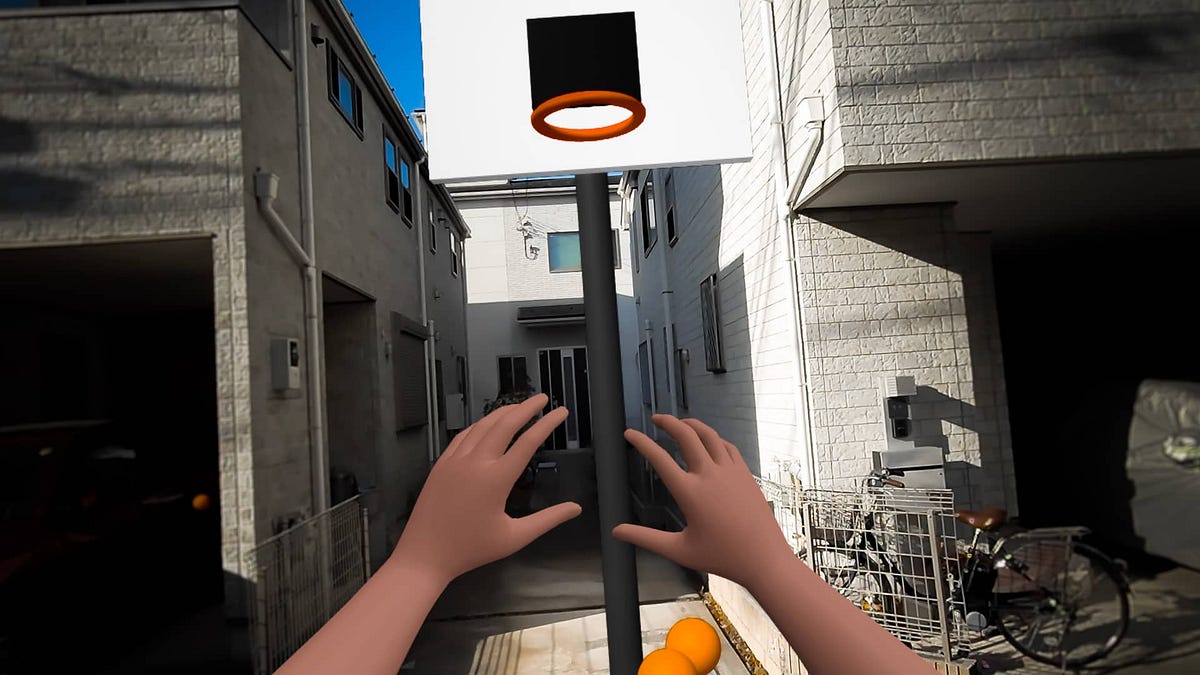
1 day agoThese Ontario researchers are using virtual reality gaming to help older adults with dementia stay fit | CBC News
"For the ones who are confined in certain spaces or cannot do it independently, this is a great opportunity to transport them to a different reality from the ones that they are currently living in while keeping them active," Munoz told CBC Hamilton from his lab on Laurier's Brantford campus.
Medicine
fromThe Jerusalem Post | JPost.com
21 hours agoThe efficiency architect: How Qi Sun is designing the next generation of human-centric AI | The Jerusalem Post
Qi Sun's DrayEasy platform exemplifies a significant advancement in logistics, merging quoting, booking, and real-time tracking into a seamless automated experience for shippers.
Business intelligence
fromwww.theguardian.com
2 days agoSix great reads: the OnlyFans legacy, stolen cargo and Meta's creepy' glasses
Leonid Radvinsky's death leaves a void in the leadership of OnlyFans, a platform that has transformed the adult content landscape. His secretive management style and the controversies surrounding the site have raised questions about its future direction and stability.
Photography
Silicon Valley
fromFortune
2 days agoI helped build Uber and Discord and now my tools help fuel billion-dollar unicorns. But Silicon Valley is losing the AI race to itself | Fortune
Silicon Valley is falling behind in innovation due to slow adaptation to social demands and a focus on preserving existing business models.


#smart-glasses

Wearables
fromGadgets 360
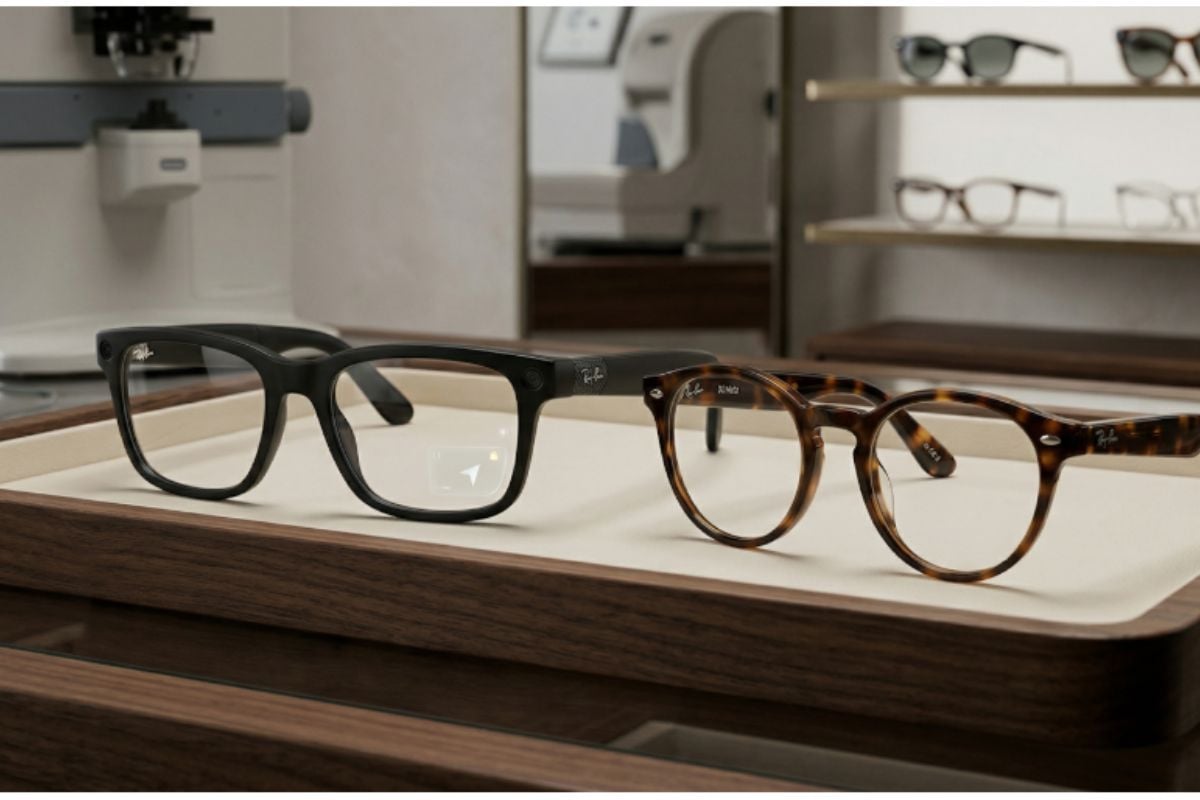
5 days agoMeta Launches First Prescription-Focussed Smart Glasses
Meta expands its AI-powered smart glasses with Ray-Ban Meta Optics Styles, designed for prescription wearers and featuring advanced customization options.
fromWIRED
2 months agoWearables
Google's Smart Glasses Will Have the Best Software. But They'll Have to Win on Style Too
Meta leads in stylish smart-glass design through partnerships but faces privacy trust issues, while Google could compete via on-device privacy and Android XR software platform growth.


fromEngadget
3 days agoSony's gaming division just bought an AI startup that turns photos into 3D volumes
Following the acquisition, the Cinemersive Labs team will join SIE's Visual Computing Group (VCG) and contribute to our broader efforts in advancing state of the art visual computing within games. This includes applying machine learning to enhance gameplay visuals, improve rendering techniques, and unlock new levels of visual fidelity for players.
Marketing tech
Web design
fromTheregister
2 weeks agoGoogle offers voice-driven 'vibe design' tool to build UIs
Google's Stitch design tool enables 'vibe design' by allowing developers to create UI prototypes through natural language descriptions and voice commands, with AI agents providing real-time design feedback and iterations.
fromEngadget
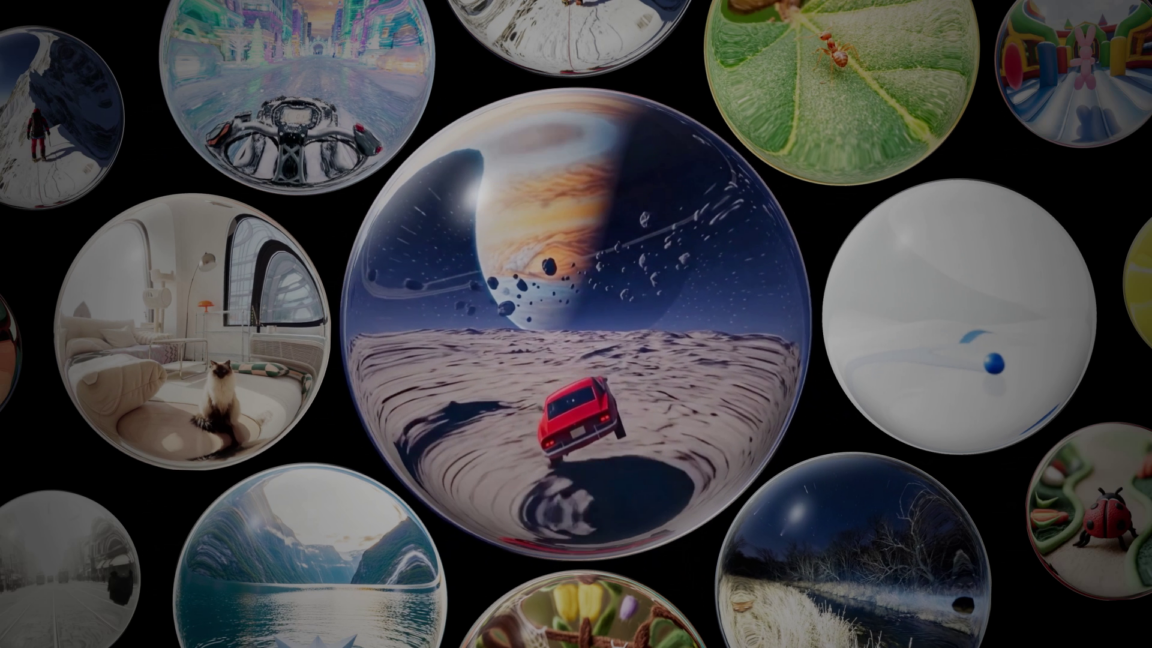
3 weeks agoLooking Glass' Musubi showcases its holographic display in a consumer-friendly package
Looking Glass has been doggedly committed to making holographic displays the next big thing since 2019, and with its new Musubi digital photo frame, it might finally be offering its tech at a price that's hard to deny. Musubi is scheduled to start shipping in June, and unlike the company's previous, more developer-focused kits, the company's new display only costs $149.
Gadgets

Artificial intelligence
fromMedium
2 weeks agoDesigners, your next user won't be human
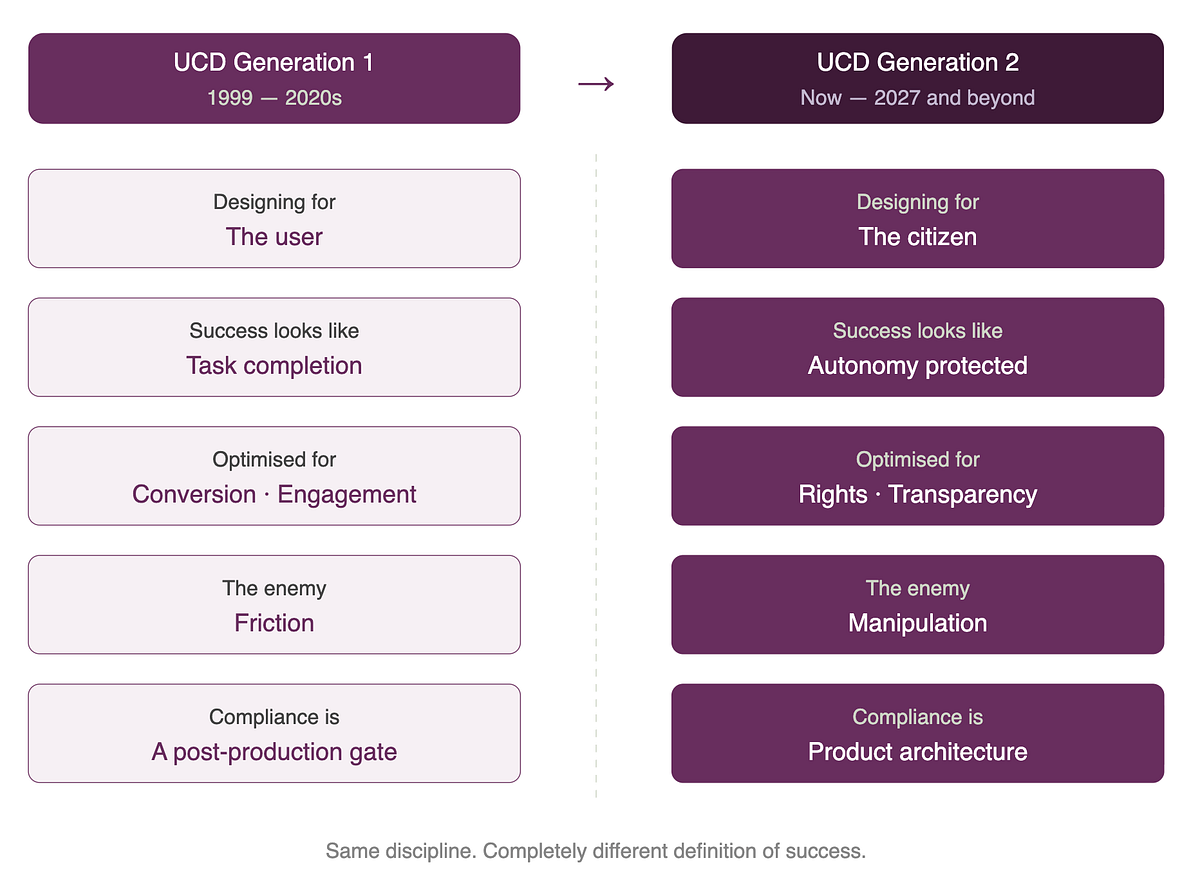
Every SaaS company will transform into agentic-as-a-service platforms, requiring designers to solve fundamental problems in agent interaction, behavior, and user experience as AI agents become central to enterprise software.
fromComputerworld
1 month agoWith attention shifting to AI smart glasses, VR faces another reality check
"It's not an overstatement to declare another VR winter," said J.P. Gownder, vice president and principal analyst at Forrester. "I think we might even go as far as to say there's only a handful of successful scenarios where people are using VR." This assessment reflects the industry's struggle to find practical applications beyond niche markets.
Gadgets
fromSocial Media Today
2 months agoMeta Announces Funding Grants for Research Into AI Glasses Use
There are two types of grants that U.S.-based organizations can apply for: Accelerator Grants for those who are already leveraging our AI glasses to scale their impact, and Catalyst Grants for organizations proposing new, high-impact applications using our Device Access Toolkit. We will award 15 Accelerator Grants of $25,000 and 10 of $50,000 USD, depending on the scale of the project. We'll also award five Catalyst Grants of $200,000. In total, we'll grant nearly $2 million to more than 30 organizations and developers.
Agriculture
fromThe Drum
2 months agoA break from reality: Is VR really going to be the next big thing?
According to Digi Capital augmented and virtual reality are about to explode as VCs and corporates get in on the act. Facebook's multi-billion dollar acquisition of Oculus got everyone's attention early last year, but it's only really in the last 12 months that investments have accelerated, with more than $1bn pouring into the sector. Meanwhile Mashable reports Nokia's virtual reality camera is now available for pre-order for a cool $60,000.
fromThe Drum
2 months agoGoogle rules out ad placements on Google Glass as it steps up rollout
Its developer page specifications read: "No Ads. You may not serve or include any advertisements in your API Client. "Data Usage: You may not use user data from your API Client for advertising purposes. You may not sell or transmit any user data received from your API Client(s) to a third-party ad network or service, data broker, or other advertising or marketing provider. For the avoidance of doubt, user data from the API Client(s) may not be used for Third-Party Ad Serving."
fromWIRED
1 month agoPico's Project Swan XR Headset Wants to Go Where the Apple Vision Pro Failed
One of the big focuses of the new operating system version is what Pico calls PanoScreen, a feature that lets the wearer run multiple applications at once while also keeping a 360-degree view of the real-world space around them. Other users can pop into the space as 3D avatars while you spin around to see spreadsheets, browser tabs, design software, or whatever else you're working on.
Wearables
fromEngadget
2 months agoGoogle's Project Genie lets you generate your own interactive worlds
This past summer, Google DeepMind debuted Genie 3. It's what's known as a world world, an AI system capable of generating images and reacting as the user moves through the environment the software is simulating. At the time, DeepMind positioned Genie 3 as a tool for training AI agents. Now, it's making the model available to people outside of Google to try with Project Genie.
Artificial intelligence
[ Load more ]