#public-transport-financing
#public-transport-financing
[ follow ]
#public-transportation #new-york-city #public-transit #transportation #public-transport #infrastructure
fromPadailypost
1 day agoCaltrain to close stations if transit tax doesn't pass
"Caltrain and BART would very likely be looking at shutting down passenger service," Deputy Director of Policy Development Melissa Jones said. "In that case, the agencies would be focused on maintenance, trying to secure our assets, keep everything safe while we regroup for the future."
San Francisco
fromwww.theguardian.com
16 hours agoHow Paris swapped cars for bikes and transformed its streets
Corentin Roudaut, who once felt overwhelmed by Paris's traffic, found renewed confidence in cycling after the establishment of a segregated bike lane on Boulevard Voltaire. He now actively participates in promoting cycling in the city, witnessing a remarkable transformation in urban mobility and safety over the last decade.
Paris food
#fair-fares
New York City
fromwww.brooklynpaper.com
2 days agoFare fight: Transit advocates push for expansion of Fair Fares program at Sunset Park subway station Brooklyn Paper
Expansion of the Fair Fares program aims to make transit affordable for over 2 million New Yorkers living at or below 150% of the federal poverty level.
fromBoston.com
4 days agoWhat to know about the MBTA's free and discounted commuter rail plans for summer
"As we prepare for events like the World Cup, MA250, Tall Ships, and for millions of visitors to experience all that Massachusetts has to offer, we want to thank our regular riders that rely on us 365 days a year for your patience and continuing to choose transit during this unprecedented summer."
Boston

Non-profit organizations
fromStreetsblog New York City
5 days ago'Game-Changer': Non-Profit Throws Financial Lifeline to Open Streets Program - Streetsblog New York City
The new funding model for open streets provides upfront financial support to volunteer organizations, improving efficiency and community engagement.
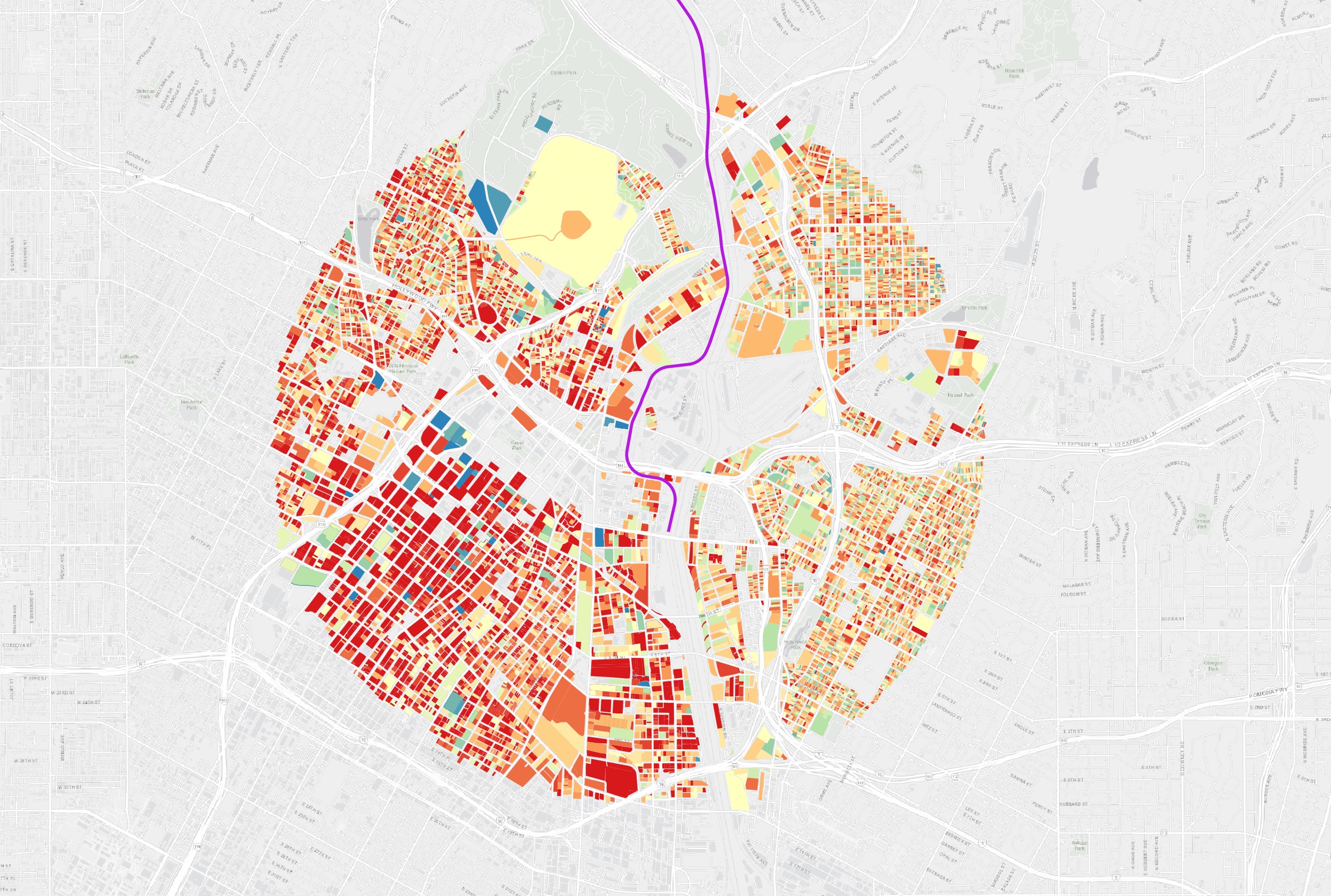
fromFast Company
5 days agoHow Paris redesigned itself to be a city of bikes-not cars
"This project is symbolic of what we've done over the last 12 years, reshaping the streets and the city," Christophe Najovski, the city's deputy mayor in charge of green spaces, stated during the opening ceremony.
Paris food

fromwww.housingwire.com
2 weeks agoHow Public Financing Wins Projects Before You Build
Through Community Facilities Districts (CFD), Municipal Utility Districts (MUD), Public Improvement Districts (PID), Community Development Districts (CDD) and reimbursement districts (RD), builders can potentially shift infrastructure costs off their balance sheets and onto special districts that homebuyers ultimately absorb through property taxes without potentially adding debt to the builder's books.
LA real estate
fromStreetsblog New York City
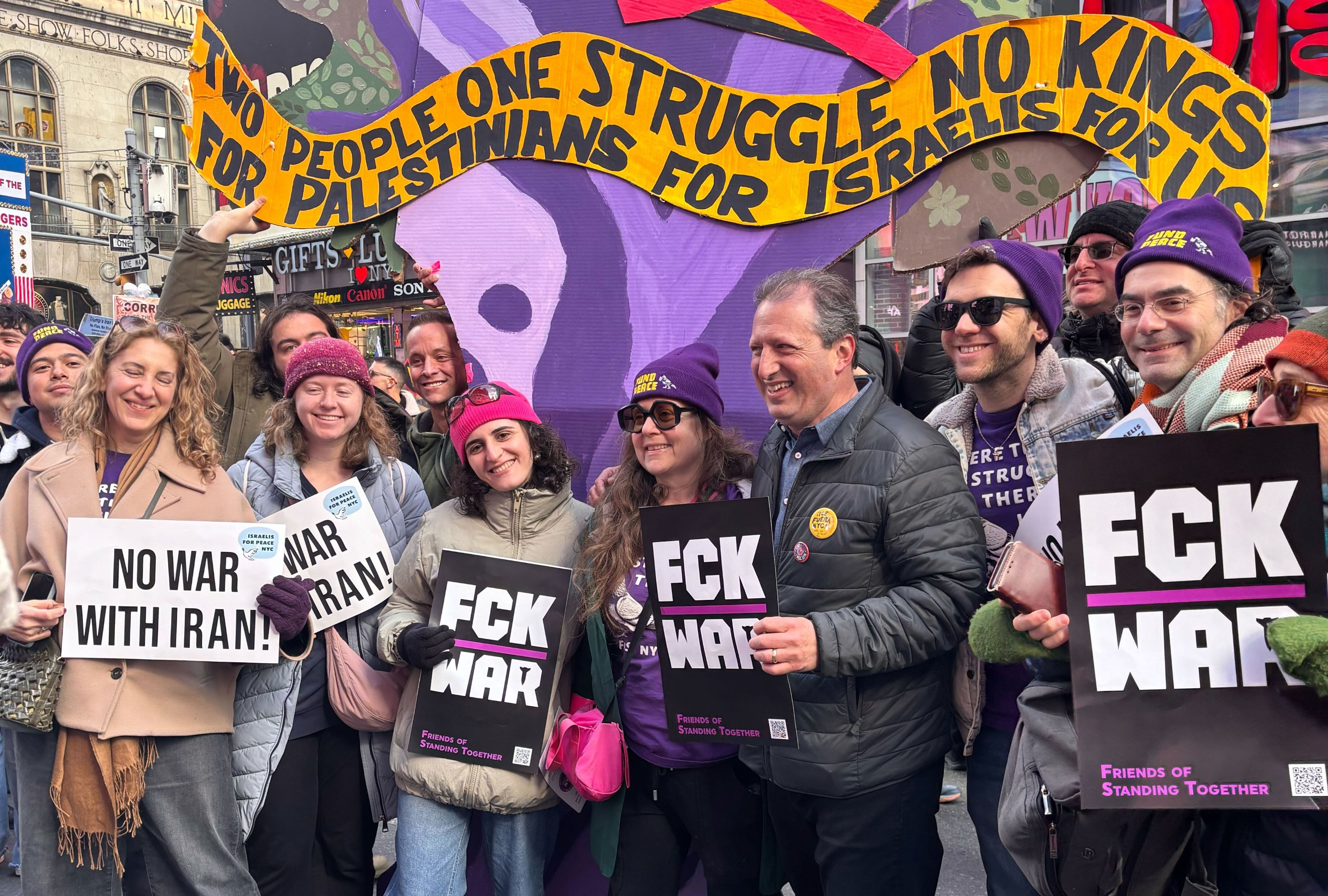
2 days agoFriday's Headlines: Margin For Terror Edition - Streetsblog New York City
The first three months of 2026 were among the three safest first-three-month periods since records started being kept at the dawn of the Automobile Age, with only 42 fatalities from car crashes in New York City.
Alternative transportation
London
fromwww.theguardian.com
2 weeks agoMayor unveils 1.5bn People's Network' transport plan for South Yorkshire
South Yorkshire's transport system will be unified under public control as the People's Network, featuring electric buses, 25 new trams, and bike hire schemes with £1.5bn investment over five years.


#fare-free-buses
New York City
fromwww.amny.com
3 weeks agoFare-free bus push: State lawmakers look to revive pilot program in budget proposals as Mamdani seeks citywide initiative | amNewYork
New York state legislative leaders propose reviving a fare-free bus pilot program that previously operated in 2023-2024, supporting Mayor Mamdani's campaign goal of eliminating bus fares citywide.
Alternative transportation
fromSustainable Bus
4 days agoNew certified Ultrafabrics collections target durability and compliance in passenger transport interiors - Sustainable Bus
Ultrafabrics launches new certified collections for passenger transport, combining durability, aesthetics, and sustainability in high-performance upholstery fabrics.
Alternative transportation
fromSustainable Bus
6 days agoZero-emission buses move beyond cities: intercity transition in Sustainable Bus' session at BUS2BUS - Sustainable Bus
Electrification of intercity and coach segments in Europe is advancing, requiring new infrastructure and operational strategies for zero-emission mobility.
#public-transit
Alternative transportation
fromStreetsblog Empire State
1 week agoLawmakers Want More Funding For Upstate Transit Than Hochul Is Offering - Streetsblog Empire State
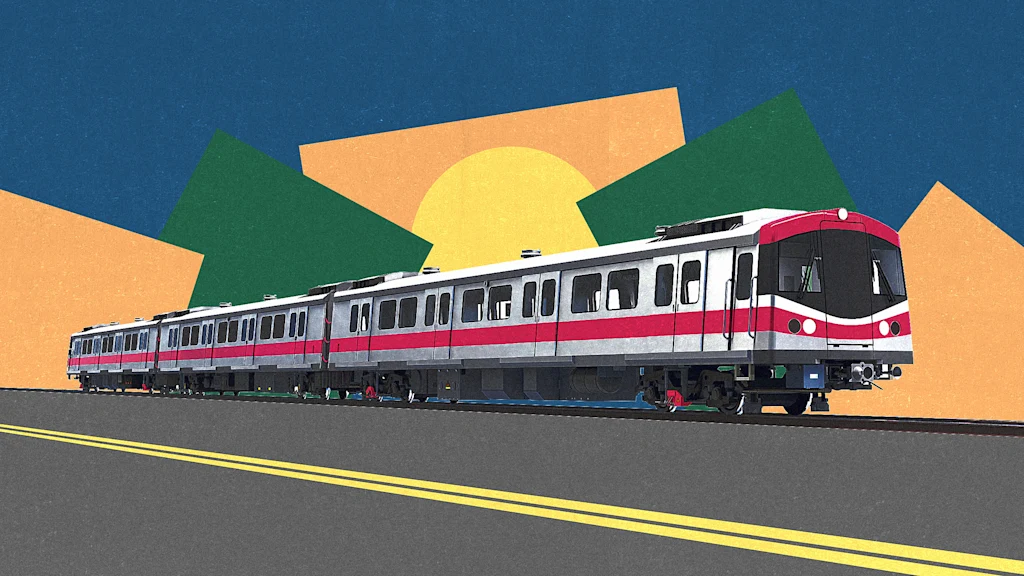
Upstate public transit authorities face service cuts without increased state funding, with lawmakers advocating for higher operating assistance than the governor's proposal.
Alternative transportation
fromStreetsblog Empire State
1 week agoLawmakers Want More Funding For Upstate Transit Than Hochul Is Offering - Streetsblog Empire State
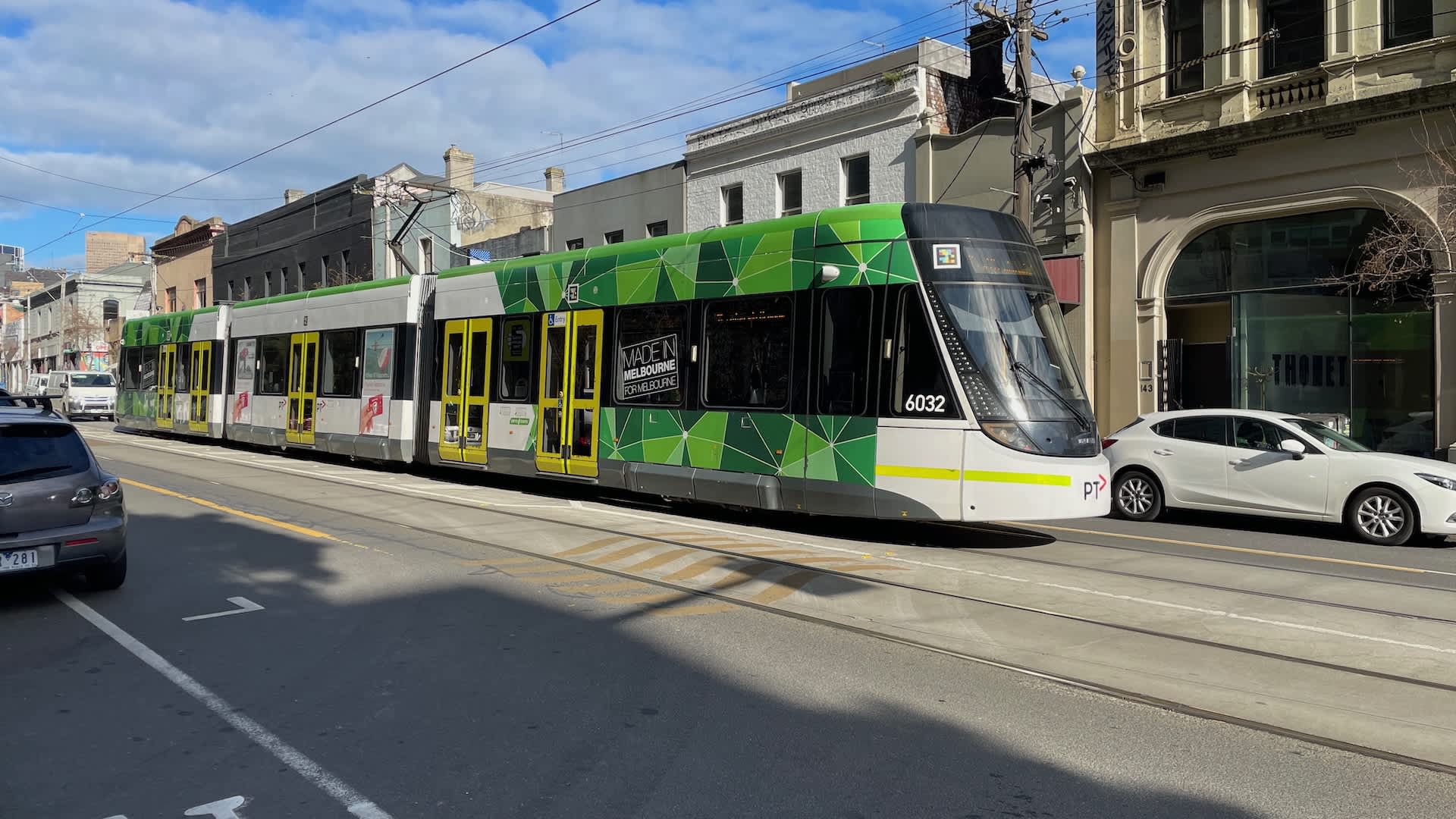
Upstate public transit authorities face service cuts without increased state funding, with lawmakers advocating for higher operating assistance than the governor's proposal.
fromStreetsblog
1 month agoWhen The Suburbs Want To Opt Out of Funding Regional Transit - Streetsblog USA
A vote six years in the making that would decimate the Dallas Area Rapid Transit system might soon be called off, potentially averting a major funding crisis for the agency - though advocates say there's more work to be done to make sure every DFW resident has the mass mobility options they deserve. Since the beginning of the decade, a handful of wealthy, sprawling suburban cities in the greater Dallas metro have been fighting
US politics
fromStreetsblog
2 weeks agoOpinion: The Federal Railroad Administration's Proposed Amtrak Restructuring is Worth Considering - Streetsblog USA
While dozens of other countries have delivered fast, modern train networks, we are stuck with a skeletal system built largely on slow, 19th-century alignments. Even developing nations are passing us by. There is growing recognition at the federal level that things need to change, but substantial and comprehensive reform would require an act of Congress.
Alternative transportation
fromSustainable Bus
1 month agoEvolution: the practical path to autonomous buses - Sustainable Bus
It's tempting to frame autonomous driving as a single leap. In public transport, adoption tends to be incremental - because the system is built for reliability, and new capabilities have to fit into daily operations without disrupting service. That is why a practical strategy is evolution, not revolution: introduce autonomy in a defined domain, learn safely in real operations, and expand capability step-by-step.
Artificial intelligence
Alternative transportation
fromStreetsblog
2 weeks agoWhy Some Congresspeople Want to Go Big on Greenways - Streetsblog USA
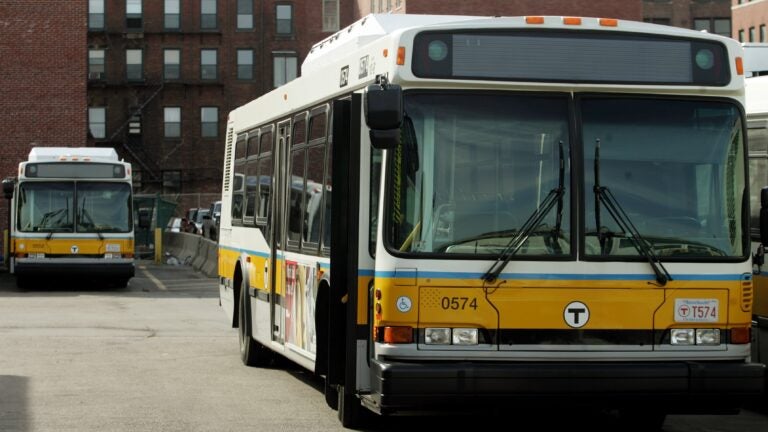
The Parks to People Act proposes $300 million in federal funding for walking and biking infrastructure as essential transportation tools, despite political opposition dismissing them as distractions.


New York City
fromBond Buyer
3 weeks agoMTA capital cost savings may be example for other agencies
The MTA's Construction & Development Department achieved $1.2 billion in cost savings during 2025, bringing total savings to $3 billion from 2020-2024, demonstrating cost management strategies applicable to other transit agencies nationwide.
fromArchDaily
3 weeks agoMobility Justice: Urban Equity in an Era of Innovation
Every city contains two transportation systems. One is the visible network of roads, rail lines, sidewalks, and bus routes mapped in planning documents. The other is the invisible geography of privilege and exclusion embedded within it: the neighborhoods that received highways instead of parks, the communities whose bus routes were cut, the sidewalks that abruptly end at the edge of a district.
Alternative transportation
US politics
fromStreetsblog
1 month agoThis Bill Would Give Your Community More Money To Build Its Own Transportation Future - Streetsblog USA
The BASICS Act shifts federal transportation funding toward metro regions, enabling human-centered projects and preventing state DOTs from monopolizing funds for highways.
US politics
fromStreetsblog
2 months agoOpinion: Transportation Researchers Still Care About Equity. This Week They're Proving It - Streetsblog USA
A unified convening champions transportation equity as federal programs, oversight, and policies are cut, disrupted, and repurposed in ways that deepen existing injustices.
fromwww.amny.com
1 month agoOp-Ed | It's time to bring updated transit to Harlem | amNewYork
Residents of East Harlem's El Barrio have waited 80+ years for the Second Avenue Subway. The Trump administration could force them to wait even longer as it withholds federal funding for regional infrastructure projects over an alleged naming issue, no less. It's outrageous, it's unfair, and the MTA backed by Governor Hochul won't stand for it. We're at a pivotal moment for the project sixth months after awarding our largest-ever tunneling contract back in August.
US politics
fromStreetsblog
2 months agoPassenger Rail Is Headed for a Reckoning - and the First 90 Days of 2026 Will Decide It - Streetsblog USA
Let's start with the biggest issue on the horizon: the proposed merger of Union Pacific and Norfolk Southern. Yes, the ultimate decision is about a year away. But sides are lining up for and against, and right now, the Surface Transportation Board, which is colloquially known as STB -- the railroads' economic regulator -- is considering the details of how the rules governing that decision will be applied.
US politics
[ Load more ]