#rattan-headboard
#rattan-headboard
[ follow ]
#interior-design #furniture-design #home-decor #sustainability #diy #bedroom-design #home-design #home-improvement

#furniture-design

fromDesign Milk
2 weeks agoKelly Wearstler Launches Indian Craft-Inspired Furniture Collection
Our role is, first and foremost, to transmit our fascination with a craft and to ignite that same excitement in the designer. This is the foundation of our curatorial approach: creating the right encounter between a designer's universe and that of a workshop.
Arts
fromArchitectural Digest
1 week agoThe Thuma Bed Frame That Dominates Your Instagram Ads Is a Girl's Best Friend
From a functional standpoint, I needed a bed that could be easily assembled, had considerable storage capability, and was built with durability top of mind. I liked the idea of Japanese joinery because it meant a tool-free experience.
UX design
Environment
fromEarth911
3 weeks agoWhere to Find Eco-Friendly Ergonomic Pillows
The sustainable pillow market has grown significantly, but greenwashing and PFAS contamination in eco-labeled products pose serious health and environmental risks requiring careful verification through third-party certifications.
fromApartment Therapy
1 month agoA "Heirloom" Solid-Wood Dresser and 8 More Finds Editors Can't Stop Talking About
If you're on the hunt for the most comfortable sofa or a clutter-clearing closet organizer, you can always count on Apartment Therapy editors to dole out thoughtful recommendations (it's what we do!). But how often do you get a glimpse at our personal shopping habits? Covering the latest home, cleaning, storage, and lifestyle finds means we're bound to make discoveries for our own homes along the way.
E-Commerce
fromArchitectural Digest
10 months agoRuffled Bedding Is Extra in a Good Way
The beauty of frills lies in its delicate silhouette that pairs equally well with gingham bedding as it does with florals or simple solid colors. In fact, an all-white ruffled bedding set or a frilly decorative pillow is all you need to lighten the mood in a room. Extra pomp doesn't have to skew antiquated, either, as several modern variations from upscale brands like Sferra and Annie Selke illustrate.
Miscellaneous
Design
fromYanko Design - Modern Industrial Design News
6 days ago5 Scandinavian Product Trends That Will Make Your Home Instantly Feel Like Hygge - Yanko Design
Scandinavian design emphasizes clean lines, natural materials, and functionality, creating a harmonious balance between aesthetics and practicality.
Fashion & style
fromArchitectural Digest
8 months agoThe Best Minimalist Bedding Delivers a Little Something Extra
Minimalist bedding combines intentional, high-quality essentials like duvet covers, sheets, and blankets to create a serene bedroom sanctuary with understated style and lasting functionality.
Design
fromwww.architecturaldigest.com
2 weeks agoThe Low-Profile Look Is In: Japandi Bed Frames Keep You Grounded
Japandi bed frames combine Japanese and Scandinavian design principles, featuring low-profile minimalist platforms made from natural materials like bamboo or oak, often assembled using traditional Japanese joinery without nails or screws.
Design
fromDesign Milk
3 weeks agoDWR Collaborates with Piaule on Furnishings for Its Catskills Hotel
Piaule, a modernist landscape hotel in upstate New York, collaborates with Design Within Reach to furnish its cabins and communal spaces with canonical modern design pieces that complement the property's architectural restraint and natural surroundings.
fromYanko Design - Modern Industrial Design News
3 weeks agoThis Sideboard Has Lapis Lazuli and Green Onyx Hand-Set Into Marble - Yanko Design
The exterior runs on strict formal logic. Vertical fluting covers the door panels from edge to edge, each ridge precisely cut into the stone so the surface ripples with shadow even under flat ambient light. On plain marble, this treatment would read as architectural severity, which is exactly the point. The fluting establishes a rhythm, almost like a grid, that makes what comes next feel genuinely disruptive.
Design
Design
fromwww.architecturaldigest.com
3 weeks agoAD Editors on the Best Up-and-Comers in the Bedding World
New bedding brands and collections from established designers offer diverse styles ranging from Scandinavian sophistication to vintage-inspired aesthetics, catering to various design preferences from cottagecore to classic elegance.
fromArchitectural Digest
1 month agoThe Best Four-Poster Beds Are Fit for Royalty
First gaining popularity in the 15th century, four-poster frames have given bedrooms a striking focal point for hundreds of years. Named for their quartet of corner posts, they can be as simple as a short, turned wood knob on each end, or as extravagant as a ceiling-height canopy frame (drapes are optional). Beloved for their craftsmanship, these silhouettes are traditionally made in solid wood with turned, bobbin, and hand-carved details.
Remodel
fromRemodelista
2 months agoCurrent Obsessions: All Together Now - Remodelista
Above: This dinner-party-friendly kitchen went wild over on Instagram for a full tour, see Kitchen of the Week: Off-Cut Cabinets Create a Rainbow of Wood in Edinburgh. Photograph by Richard Gaston. Shoppe Object is going on this weekend in NYC; head here for all the details. This Canadian cabin is the surprise star of the month, thanks to Heated Rivalry. Kudos. "Your kitchen objects are filled with feelings": Eager to read this book on "love, loss, and kitchen objects." Ooh, time to paint your stair risers? Our friends at Dosa are part of "The Host, the Guest," an exhibit at Atla in LA; head here for info.
Renovation

fromApartment Therapy
1 month agoThis Cozy Bedroom Transformation Cost Just $250 - No New Furniture Needed
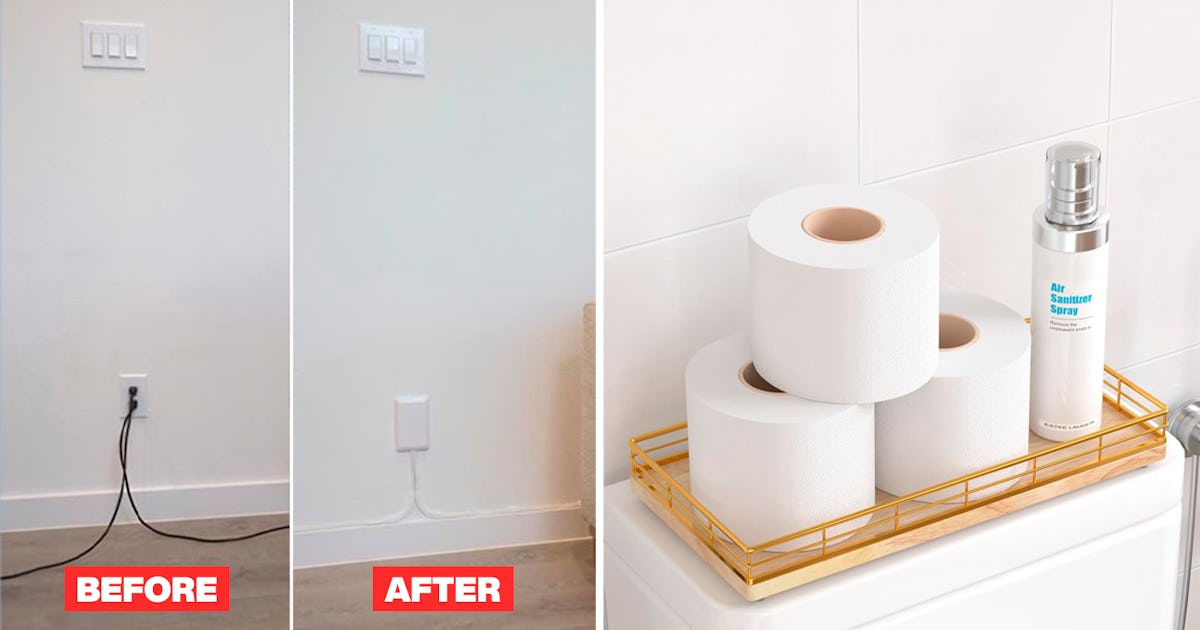
To start off, Kylen lowered the bed and lowered the shelf from before, and added trim to the floating nightstands. "[We] changed out the hardware for a more minimal and hidden look with the brackets and added the curtain rod hangers for a fun brass pop," Kylen says. The new bamboo rod is also nice for wrapping greenery and cool bulb lighting around without having to worry about anything falling.
Remodel
fromDefector
1 month agoMake It Nice: Curtains, Linens, And How To Figure Out What You Like | Defector
My husband and I just upgraded our apartment here in Germany to one with much more space. The downsides of this is we have hard marble floors and a tall-ceilinged living room (oh woe is us!). It's very echo-y and looks directly into our neighbors across the street. The windows have external shutters, so light-blocking isn't needed, but we'd love to get
Design
fromArchitectural Digest
7 months agoThe Best Bohemian Bedding Gives Your Space a Jet-Setting Feel
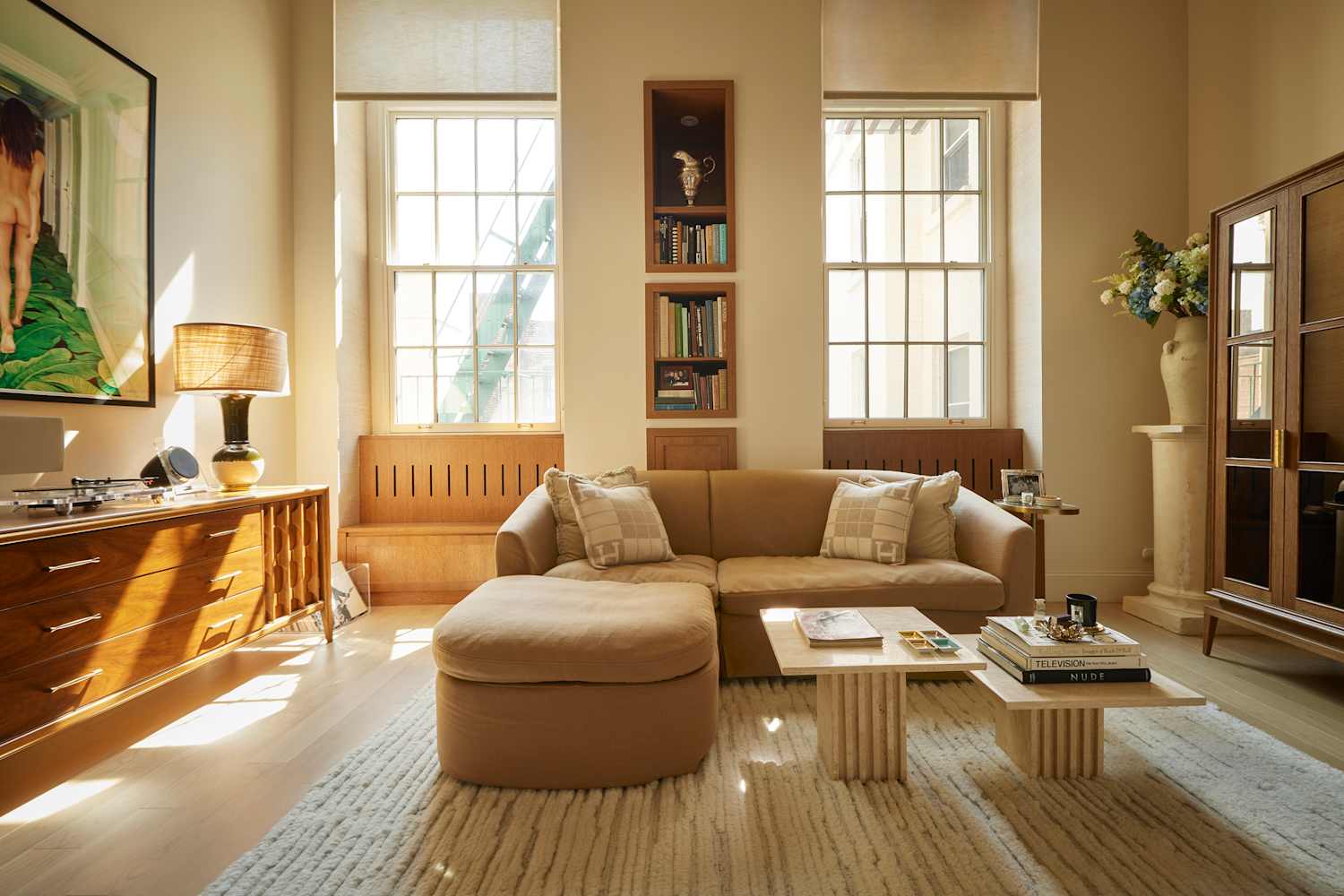
Also known as boho style, this free-spirited aesthetic is built on an eclectic mix of patterns and organic textures anchored by earthy elements and color palettes. Take a look at Justina Blakeney's Los Angeles home tour to find inspiration-her peacock-hued bedroom is a lesson in texture. The beauty of this style is that you can express yourself with bold prints that range from paisley motifs and palm leaves, or tone it down by layering a neutral bedspread and pillow shams with tassels or pom-poms.
Design
fromArchitectural Digest
10 months agoGo Bold With the Best Maximalist Bedding
The age of white-washed, super scant, and industrial spaces are behind us. Designers are craving excitement and color this season, manifesting this shift with maximalist bedding sporting punchy colors, big stripes, and winding patterns. An eye-catching bedding set is as good as a full bedroom makeover. Linens have the ability to fully shift the tone of a room: A set of deep cobalt silks can add mystery and allure, while a gingham duvet can take a space from empty to adorable.
Design
fromArchitectural Digest
1 month agoThe Best Runner Rugs Liven Up Even the Darkest of Hallways
Despite their slender profiles, the best runner rugs can still transform a space from confused to curated. While they don't have quite the anchoring effect of an area rug, they can still breathe life into the spaces that need it most (see: entryways, hallways, all-white kitchens in need of resuscitation). Beyond creating impact in your entryway or hallway, runners serve an entirely practical purpose: catching and/or disguising debris in your high-traffic areas.
Design
fromYanko Design - Modern Industrial Design News
2 months agoThis Oak Sideboard Has Doors You Can't Stop Touching - Yanko Design
You know that feeling when you run your fingers across something and the texture makes you stop in your tracks? That's exactly the vibe British furniture maker Nick James is going for with his sideboard featuring sculpted doors. And honestly, it's the kind of piece that makes you rethink what furniture can be. At first glance, it looks like a solid oak sideboard. Clean lines, classic proportions, nothing too flashy.
Design
fromYanko Design - Modern Industrial Design News
2 months agoThe Case for Heirloom Furniture in an Era Obsessed With Biodegradable Everything - Yanko Design
Furniture made from mycelium or algae can decompose in five years, sure, but a well-made antique armoire outlives empires because no one throws it away. Columns takes that logic seriously. Handcrafted in solid oak, natural leather, and horsehair, the pieces are built to last a thousand years, which sounds like marketing hyperbole until you look at the joinery, the hand stitching, and the material choices. This is furniture designed to be inherited, repaired, and remembered.
Design
Design
fromYanko Design - Modern Industrial Design News
1 month ago5 Product Designs That Brought the Moon Indoors: They're All Stunning - Yanko Design
Moon-inspired design uses restraint, tactile textures, and timeless geometry to create grounded, emotionally enduring, and quietly structured products.
fromArchDaily
2 months agoFrom Industry to the Living Room: Metal Furniture in Interior Architecture
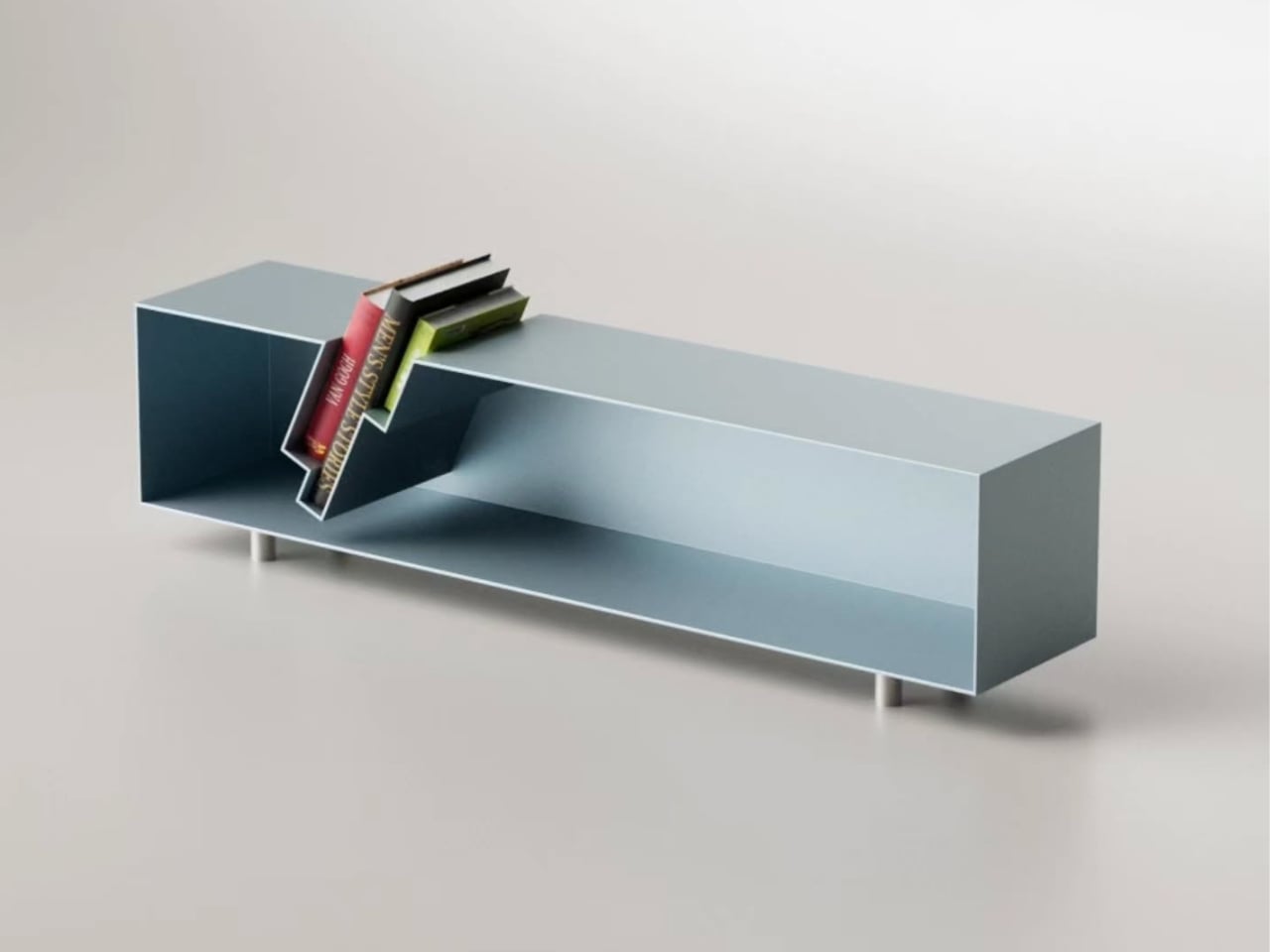
How did a material conceived for bridges, factories, and large-scale structures make its way to the living room bench, the apartment bookshelf, the café table? For centuries, metal was associated with labor, machinery, and monumentality-from the exposed structures of 19th-century World's Fairs to the productive logic of modern industry. Its presence in domestic interiors is not self-evident but rather a cultural achievement: the transformation of an industrial material into an element of everyday, intimate use, in close proximity to the body.
Design
fromApartment Therapy
2 months agoThis Design Duo Launched the Dreamiest Bedroom Collab (Sleep Has Never Looked Better!)
It's the place where you rest and recharge, and chances are your sleep space is probably the one area you tend to ignore, as it's more of a private zone versus a public one in a home. That's exactly why Michigan-based mother-daughter designer duo Jean Stoffer and Grace Start of Stoffer Home wanted to make sure their first collaboration with The Company Store really prioritized bedding - even though they're accustomed to designing whole homes and large-scale kitchen projects.
Design
fromAol
1 month agoDesigners Say the Most Luxurious Home Offices ALL Have This Unexpected Desk Placement
Until very recently, the typical home office desk placement consisted of a freestanding desk against the back wall, allowing for the sitter to look out onto the rest of the room. As of 2026, though, things are changing. The desk is still against that same back wall, but the chair is now on the other side, facing the wall as opposed to the rest of the room.
Design
[ Load more ]