#raul-torres
#raul-torres
[ follow ]
#contemporary-art #frida-kahlo #photography #public-art #illustration #art-exhibition #mexico-city #street-art





fromItsnicethat
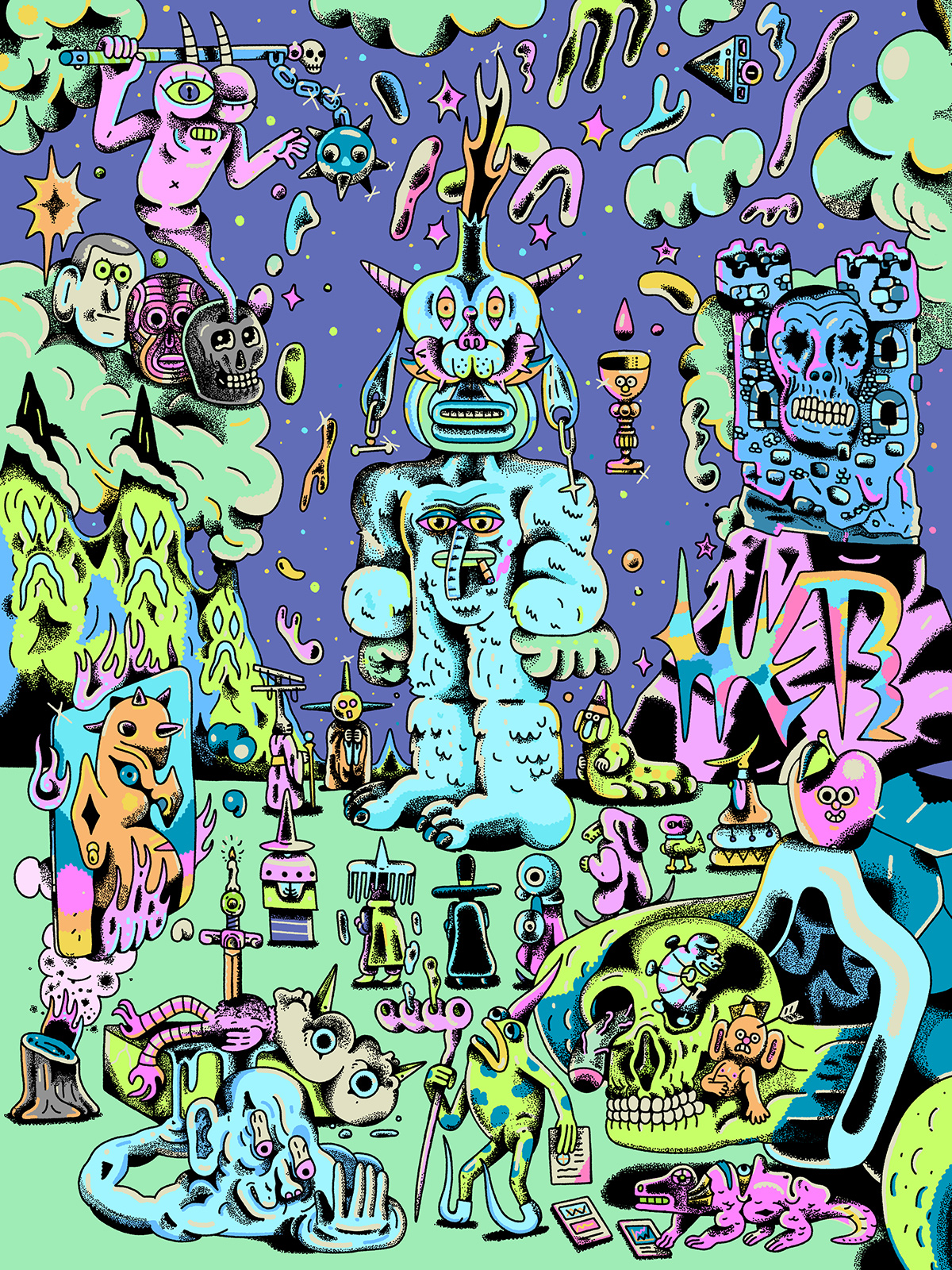
2 days agoBravas Graphix are the rave connoisseurs behind some of Brussels' most explosive posters
"We're constantly striving to strike a balance between work that respects academic rules of composition, established visual codes and good readability, with something more spontaneous, adventurous, playful, even naive."
Typography

#residential-architecture
Renovation
fromdesignboom | architecture & design magazine
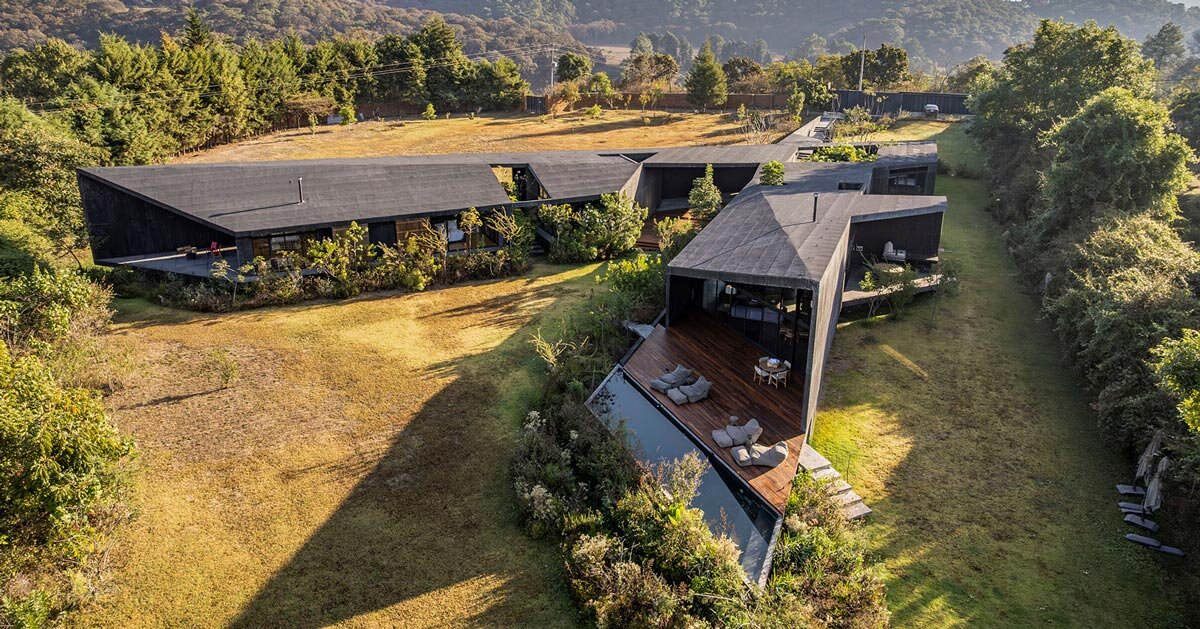
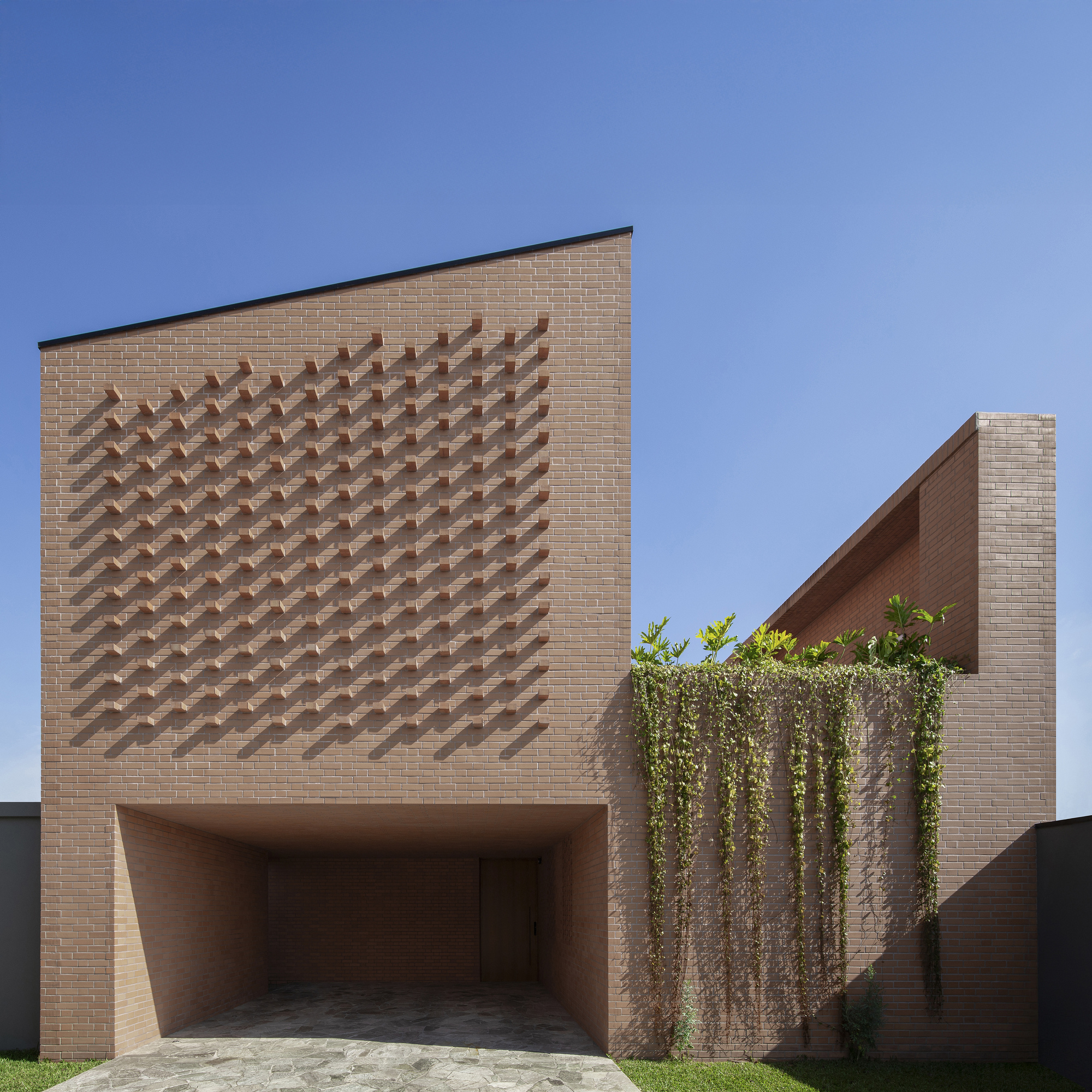
2 weeks agotwo intersecting volumes of black concrete carve mavra house into the mexican landscape
Casa Mavra in Valle de Bravo features two angular black concrete volumes designed by TAC Taller Alberto Calleja, organized as intersecting forms that connect interior spaces with the surrounding landscape through continuous walls and controlled openings.
Design
fromdesignboom | architecture & design magazine
4 weeks agoinside the surrealist universe of late artist pedro friedeberg, creator of the iconic hand chair
Pedro Friedeberg, Mexican surrealist artist and architect known for ornate drawings and hand-shaped chairs, passed away at 90, leaving behind six decades of work blending gothic architecture, optical patterns, and symbolism.


Arts
fromJuxtapoz
2 weeks agoJuxtapoz Magazine - Private Nightmares: Francisco Rodriguez @ Baert Gallery, Los Angeles
Rodriguez paints memories of vanished places using flattened compositions and muted palettes informed by historical artistic traditions, exploring contemporary anxieties through figures seeking escape from digital isolation.
Design
fromdesignboom | architecture & design magazine
1 month agoluis barragan's la cuadra san cristobal reopens to the public with two exhibitions in mexico
La Cuadra, Luis Barragán's 1968 equestrian complex, reopens as a public cultural campus under Fernando Romero's direction, launching with exhibitions dedicated to Barragán and Felix Gonzalez-Torres.
fromArtforum
1 month agoFoto Estudio Luisita
For the Escarrias-petite sisters of African descent born ten months apart in Cali, Colombia-commercial photography was in their family DNA. Their parents established a studio in their hometown that was overseen by their mother after their father's early demise. The siblings learned the family trade, and when they fled the country's civil war in 1958, they quickly reestablished the studio in Buenos Aires.
Photography
fromArtnet News
3 weeks agoA New Show on Picasso's Religious Roots Opens in a Spanish Cathedral
At first glance, this curatorial oversight is hardly surprising. After all, Picasso was an atheist and Communist supporter whose ever-shifting practice seemed to chafe against centuries of religious art. Indeed, in a well-known episode from the 1940s, Picasso personally confronted Henri Matisse for accepting the Vence chapel commission.
Arts
#public-art


Arts
fromdesignboom | architecture & design magazine
3 weeks ago'horizons' at perrotin LA to show JR's california works from prison yards to border wall
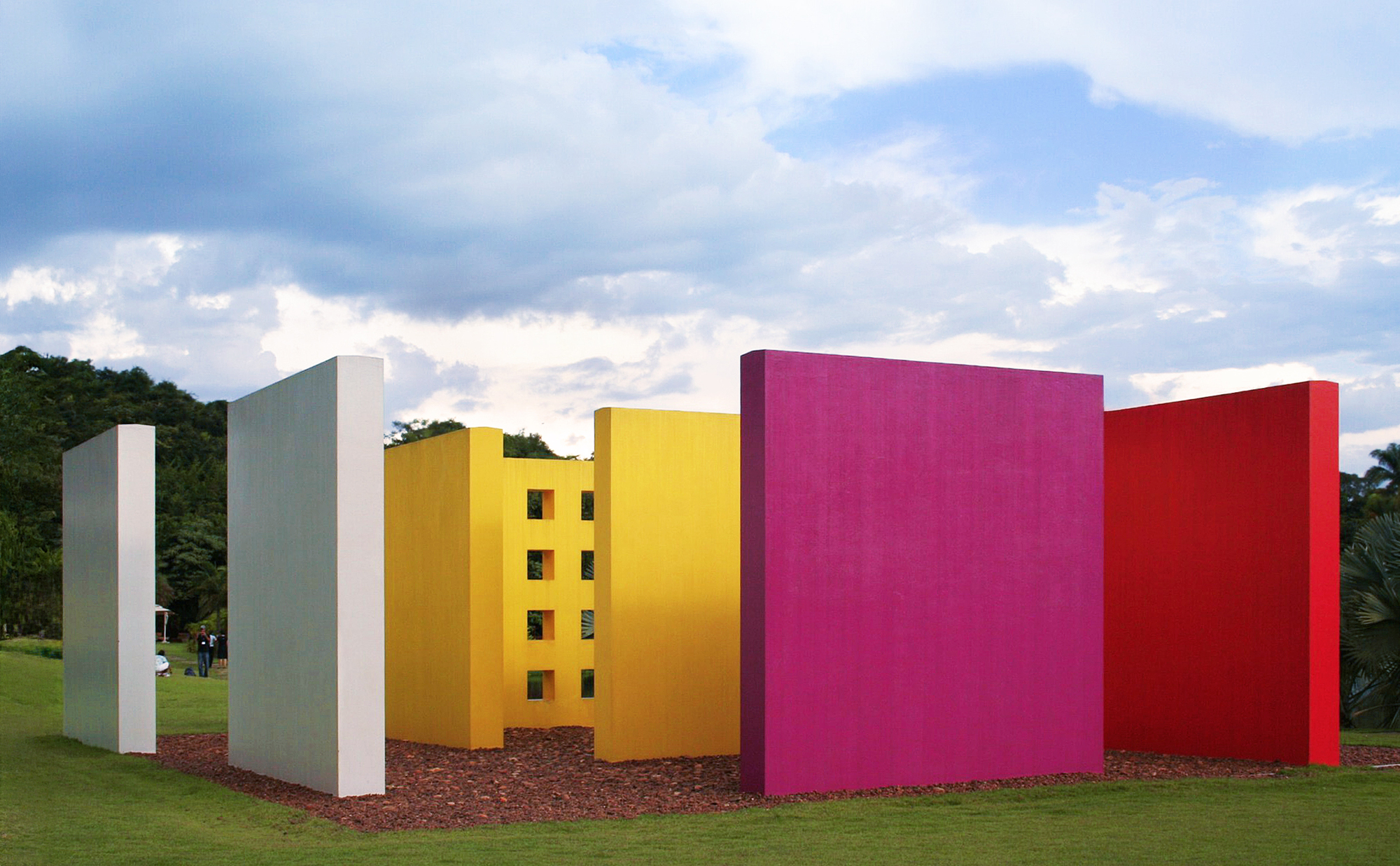
JR's 'Horizons' exhibition at Perrotin Los Angeles showcases large-scale photographic artworks created across California, transforming public spaces by placing enlarged portraits of individuals and communities onto architectural and landscape surfaces.
fromwww.theguardian.com
2 months agoPrado chief says Madrid art museum doesn't need single visitor more'
In 2025 the Prado, which is home to such masterpieces as Velazquez's Las Meninas and Hieronymus Bosch's The Garden of Earthly Delights, was visited by 3,513,402 people, an increase of more than 56,000 from the previous year. Visitor numbers have risen by more than 816,000 over the past decade. While some museum bosses would be toasting such a success, the Prado's director, Miguel Falomir, is treating it with caution. The Prado doesn't need a single visitor more, he told a press conference on Wednesday.
Miscellaneous
Film
fromenglish.elpais.com
1 month agoFeuding heirs, weak institutions and a mysterious will: Why didn't the Gelman collection stay in Mexico?
The Gelman Mexican art collection left Mexico for a loan in Spain amid unverified wishes, heirs' legal battles, and government intervention over heritage protections.
#mixed-media-sculpture

Arts
fromJuxtapoz
1 month agoJuxtapoz Magazine - Rise above it: John Rivas @ Francois Ghebaly New York
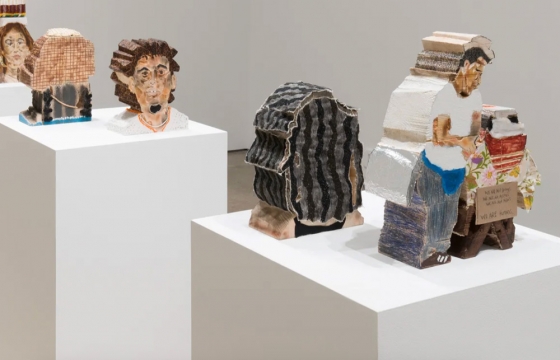
Salvadoran-American artist John Rivas expands his mixed-media practice into hand-carved wooden sculpture, exploring cultural identity, family labor, and personal memory through material resourcefulness and collaborative processes.
Arts
fromThe Art Newspaper - International art news and events
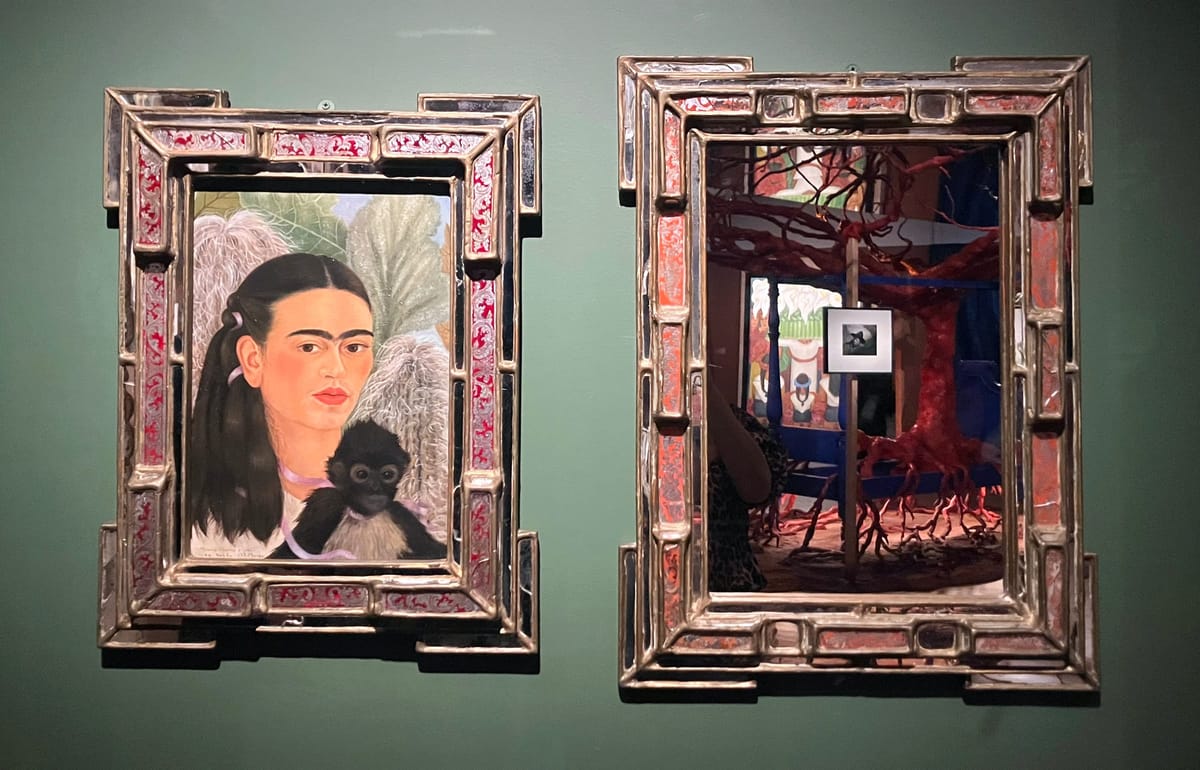
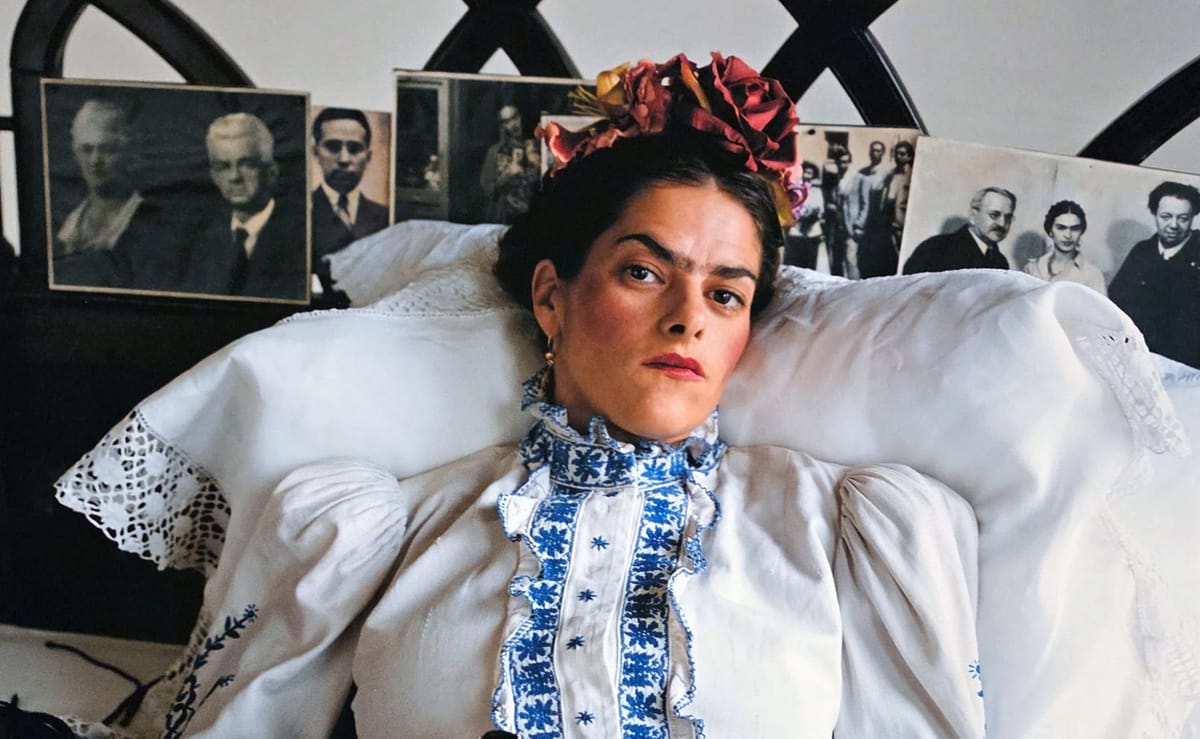
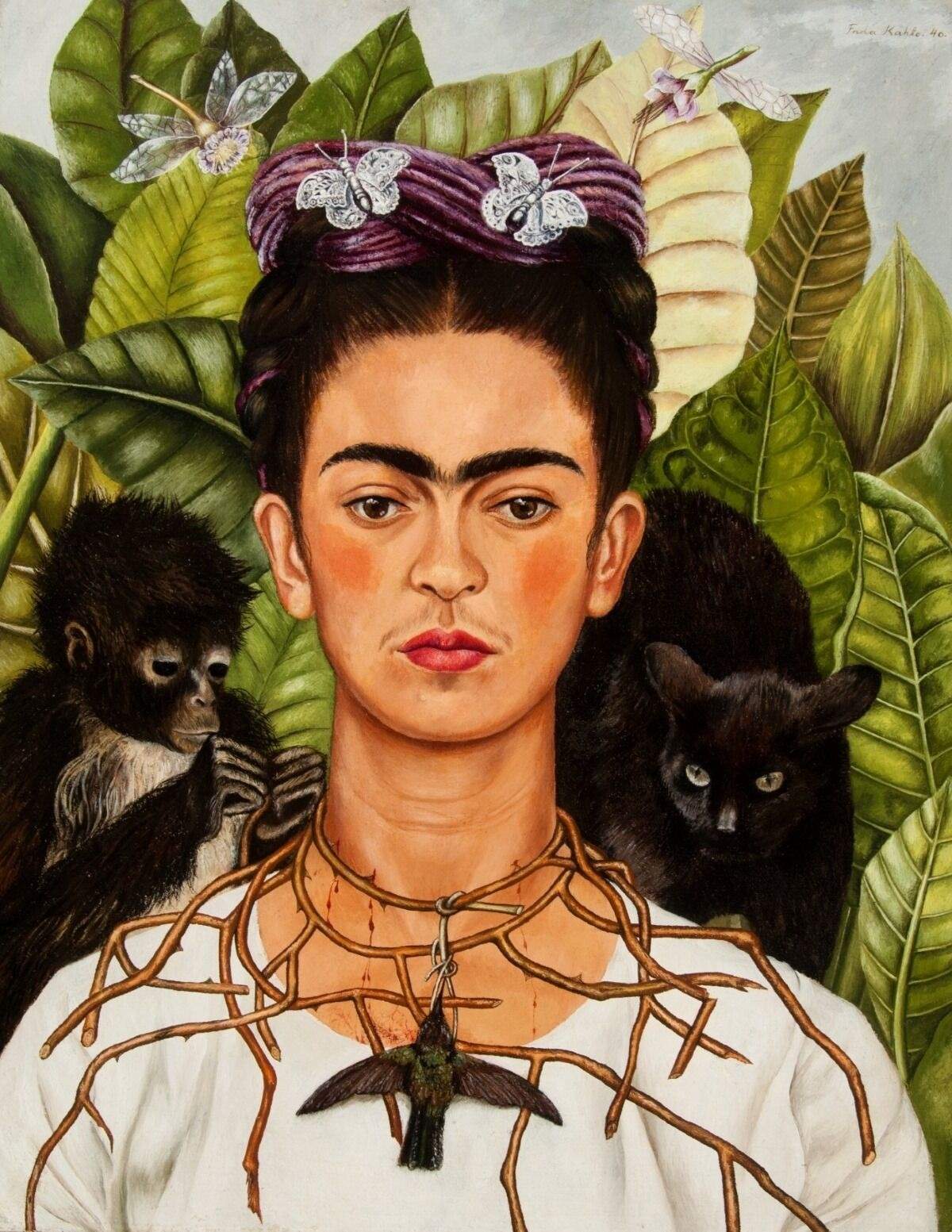
1 month agoThe many faces and identities Frida Kahlo are explored in exhibition catalogue
Frida Kahlo evolved from obscurity to global icon through posthumous appropriation by diverse movements that identified with her multifaceted persona and art across social, political, and commercial sectors.
Arts
fromThe Art Newspaper - International art news and events
1 month agoArco Madrid's 45th edition benefits from influx of Latin Americans to the 'new Miami'
Arco Madrid's 45th edition features 206 galleries amid Spanish galleries' protest against Europe's highest 21% VAT on art, which undermines international competitiveness.
Design
fromdesignboom | architecture & design magazine
2 months agoluca poian plans transit history museum in madrid with lightweight, inflatable facade
A translucent-ETFE-clad EMT Museum on the former Vicente Calderón site will celebrate Madrid's transit history with adaptable industrial-inspired spaces and civic-focused public programming.
fromThe Good Life France
1 month agoStreet Art rules in France - The Good Life France
If you've walked around any of France's cosmopolitan cities in recent years, you're sure to have come across some stunning murals. Painted onto the side of buildings, in hidden corners, and just about anywhere an artist can paint, street art is booming. We're not talking old-school graffiti here, hastily sprayed names on walls, and anti-social stuff like that. Today's street art is commissioned by city or town councils and created by prominent street artists from around the globe says Suzanne Pearson.
Arts
Arts
fromJuxtapoz
1 month agoJuxtapoz Magazine - Judith F. Baca: Great Wall of Los Angeles: The 1970s- A Decade of Defiance and Dreams @ Jeffrey Deitch, Los Angeles
The Great Wall of Los Angeles expands to depict 1970s Indigenous reclamation, prison and campus uprisings, Chicano antiwar protests, and art's role in testimony.
Arts
fromThe Art Newspaper - International art news and events
1 month agoMexico City's art scene gravitates to Santa Maria la Ribera neighbourhood
Santa María la Ribera has become a growing hub for contemporary Mexican artists, offering affordable studios, large Porfirian-era spaces, and new exhibition venues.
fromArtnet News
1 month agoHow Wifredo Lam Made Surrealism More Surreal Than the Surrealists | Artnet News
An exhibition of Wifredo Lam is about as safe a bet as the Museum of Modern Art can place and still plausibly say that it's a bet on expanding the canon. The Cuban artist is one of the most famous painters of the 20th century, featured in almost every single key show about Surrealism. MoMA acquired his famous painting The Jungle in 1946, a few years after he made it.
Arts
fromJuxtapoz
1 month agoJuxtapoz Magazine - Oscar Murillo: "el pozo de agua" @ kurimanzutto, Mexico City
OSCAR MURILLO (b. 1986, La Paila, Colombia) has developed a multifaceted and challenging practice that spans painting, collaborative projects, video, sound and installation. Through each body of work, the artist probes ideas of collectivity and shared culture, demonstrating a commitment to the power of material presence alongside complex meditations on contemporary society. A focus on the social dimension that sits on the border between performance and events is also central to Murillo's practice.
Arts

fromThe Art Newspaper - International art news and events
1 month agoExhibitions to see during Mexico City Art Week
Taking over the colourful Casa Gilardi, Luis Barragán's last commissioned residence, built for the advertising executive Francisco Gilardi in the mid-1970s, the German artist Gregor Hildebrandt transforms the house's stylish rooms with an ever-expanding exhibition of his enigmatic works across various media. Known for transforming outmoded analogue recording media-including audio cassettes, VHS tapes and vinyl records-into paintings, sculptures and large-scale installations, the Berlin-based artist's conceptual works explore themes of memory, nostalgia and the physical representation of intangible sound and sight.
Arts
Arts
fromHi-Fructose Magazine - The New Contemporary Art Magazine
1 month agoIn Plain Site: Isaac Cordal Creates Tiny Worlds Which Mirror Our own - Hi-Fructose Magazine
Small sculpted businessmen embody social complacency and systemic contradictions, showing technological obsession, environmental neglect, and coerced conformity amid crisis.


fromThe Art Newspaper - International art news and events
1 month agoAt Mexico City's Material and Salon Acme fairs, artists find hope in nature
"The new venue has allowed us to develop the experience of the fair-it lends itself to being more of a destination," Brett W. Schultz, the co-founder and director of Material, tells The Art Newspaper. The fair features over 70 exhibitors this year, with an especially strong contingent of Mexico City galleries that, like Material, have been around for a little over a decade.
Arts
fromThe Mercury News
1 month agoSan Jose artist brings wind, light to bear in her paintings
Artist Ayelet Gal-On does not just paint; she builds, layering oil, acrylic and plaster on canvas. Gal-On's signature subjects for "Taken by the Wind, Swept by the Light," her upcoming solo exhibition at Gallery 9 in Los Altos, are white dresses that appear to hang on a line, defying the stillness of the canvas. "I love the process of playing with color," says the artist.
Arts
fromwww.theguardian.com
2 months agoMonkey Christ' is as good as a Picasso | Brief letters
I was intrigued by the similarity between two paintings recently featured in the Guardian: the Ecce Homo as restored by Cecilia Gimenez (Cecilia Gimenez, famed for Monkey Christ' mural mishap, dies at 94, 30 December) and Tete de Femme by Pablo Picasso (1m Picasso portrait up for grabs for 100 in charity raffle, 31 December). Perhaps Cecilia's work is in need of a reappraisal. Steve Shearsmith Beverley, East Yorkshire
Arts
fromColossal
2 months agoThrough Tender Paintings and Carvings, Hilda Palafox Revels in Care and Communion
In her manifesto, Borderlands/La Frontera, Anzaldúa presents what she calls a new mestiza consciousness, which advocates for ambiguity and moves "toward a more whole perspective, one that includes rather than excludes." Groundbreaking when it was published in 1987, this theory pushed queer, feminist, and cultural scholars to consider how identity is both fluid and informed by several overlapping factors. It also helped to lay the groundwork for branches of study like ecofeminism,
Arts
fromArtforum
2 months agoMiami's Crisis of Memory: Eddie Arroyo's December 3, 2024, 7:10 am Design District, 2025
This is the site of the Florida state historical marker commemorating Arthur Lee McDuffie, a Black insurance broker and former US Marine whose 1979 beating death at the hands of Miami police ignited one of the most consequential uprisings in the city's history. A plaque unveiled in February 2024 at the site of his attack finally acknowledged the violence that fractured McDuffie's skull and the community-wide outrage that followed.
Arts
fromColossal
2 months agoAbsurd Scenarios Stretch Across Paco Pomet's Uncanny Canvases
From figures with multiple legs and noodles for arms to frolicking trees, Paco Pomet summons the absurd. Known for his uncanny oil paintings rendered mostly in monochrome and enlivened by colorful details of overly stretchy limbs or celestial objects, a sense of nostalgia greets surreal scenarios. The artist often derives his imagery from vintage black-and-white photographs, adding an absurd dimension to history.
Arts
fromJuxtapoz
2 months agoJuxtapoz Magazine - Misfits: Daniel Nunez Explores a New Freedom @ GR Gallery, New York
"The four large-scale canvases that constitute the core of ' Misfits' maintain the fundamental elements of the artist's visual lexicon while radically reconfiguring compositional structure and spatial organization. These works advance a design freedom that is simultaneously forceful and controlled, achieving a balance between expressive intensity and formal restraint. As such, the series marks a decisive moment in Nuñez artistic evolution and possibly an initial step toward a more profound and transformative reorientation of his practice."
Arts
fromJuxtapoz
2 months agoJuxtapoz Magazine - Israel Campos "Echoes" @ Charlie James Gallery, Los Angeles
These paintings reveal the layers of history that undergird modern Los Angeles. Yaanga Lies Under the 101 imagines the city's earliest Tongva inhabitants as they made their home on the land that, in the modern day, runs beneath the Hollywood Freeway. Campos's process mimics this archaeological layering: each canvas begins with a screenprinted underlayer that is then painted over in acrylic, and then once again layered with screenprinted details.
Arts
fromColossal
2 months agoRegina Silveira Pieces Together an Evolving Narrative of Latin America
Regina Silveira has spent the better part of three decades considering the relationship between media and meaning, particularly as it relates to Latin America. First presented in 1997, "To Be Continued..." features 100 black-and-white reproductions of photos, newspaper clippings, propaganda, advertisements, and more. Silveira nests each image into an oversized puzzle piece, which cuts off faces and scenes to leave fragments of pop culture icons, flora and fauna, and even the occasional mugshot spliced next to one another.
Arts
fromColossal
1 month agoBruno Pontiroli Tests the Boundaries of Familiarity in His Uncanny Wildlife Paintings
The artist is known for his absurdist paintings of animals with overly long legs, contorted bodies, or myriad mutant-like heads or limbs. They're often set amid woodlands or meadows evocative of 18th- and 19th-century academic landscape paintings or depictions of formal hunts. Instead, both domesticated and wild animals graze as normally as they would without dozens of heads or udders attached in unnatural places around their bodies.
Arts
Arts
fromThe Art Newspaper - International art news and events
1 month agoMexico City's Zona Maco fair continues to draw upbeat crowds and eager buyers
Zona Maco in Mexico City drew strong attendance and energetic engagement, highlighting ceramics and material-focused works alongside extended curator-gallery dialogues despite market calendar congestion.
Arts
fromColossal
2 months ago'Birds of Mexico City' Celebrates a New Generation Defining Queerness
Birds of Mexico City presents black-and-white portraits celebrating Mexico City's queer communities, juxtaposing Catholic tradition with modern self-expression through textures, costumes, and local symbols.
[ Load more ]