#rear-camera-selfies
#rear-camera-selfies
[ follow ]
#smartphones #smartphone #camera-technology #samsung #apple #camera #smartphone-cameras #mobile-photography






.jpg)

fromThe Verge
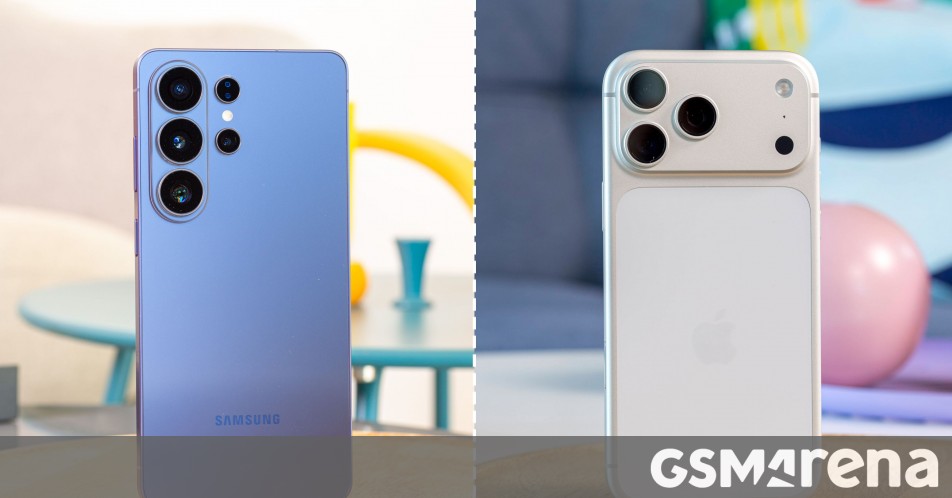
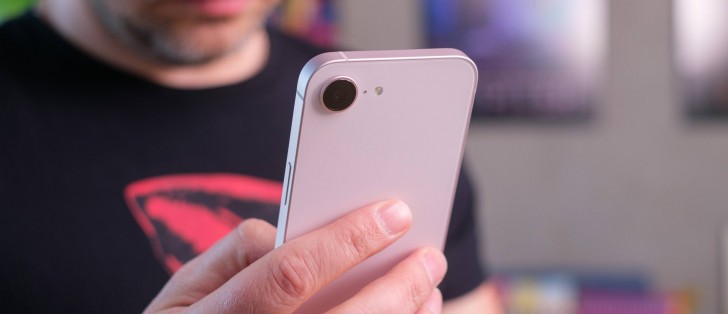
1 month agoThe Galaxy S26 is a photography nightmare
The new camera features, on the other hand, are neither of those things. They're something worse. Something scarier. On this episode of The Vergecast, Nilay and David discuss the new phones, then dive into the ways in which the S26's AI camera features seem to be clearly designed to change the whole idea of what happens when you try to take a picture.
Gadgets


fromGSMArena.com
1 month agoWhy Camera Hardware Is Back at the Centre of Smartphone Photography
In recent years, smartphone photography has become increasingly dominated by software. Computational imaging, AI processing, and post-capture optimisation now play a central role in how images are produced. Yet as these techniques become more widespread, camera hardware is once again emerging as a key differentiator. The REDMI Note 15 Pro 5G Series reflects this shift clearly, placing renewed emphasis on sensor capability and optical fundamentals rather than relying solely on software to define image quality.
Gadgets
fromThe Verge
2 months agoThe telephoto is the only phone camera that really matters
Samsung's Galaxy S20 Ultra wasn't the first phone to feature a periscopic telephoto lens - both Huawei and Oppo beat the Korean company to it - but it was the first in the US to make such a big deal about it. Almost all of Samsung's marketing for the S20 Ultra centered on its so-called Space Zoom, its 5x optical folded periscope lens, capable of digitally zooming much further.
Gadgets
fromGSMArena.com
3 weeks agoSamsung might bring a Galaxy S26 camera feature to older flagships
Virtual Aperture already works on the Galaxy S25, S25+, and S25 Ultra via the Expert RAW app, but only for the main camera. Having it available for the telephoto as well would obviously improve its usability.
Mobile UX

fromwww.techadvisor.com
2 months agoBuying a new phone? Here are the specs you should actually care about
Manufacturers like to adorn the long lists of features in their smartphone advertising with terms such as Super AMOLED, 120Hz, 5G, AI camera or ultra-wide angle but often this is more marketing than real added value for normal users. Sure, a lot of this stuff can be exciting for tech fans. But for everyday use, some of these extras are just unnecessary.
Gadgets
fromYanko Design - Modern Industrial Design News
2 months agoHonor Magic8 Pro Review: Brilliant Night Shots, Big Battery, Built to Last - Yanko Design
On paper, the Honor Magic 8 Pro is all about a trio of promises. It leans on a suite of AI features that aim to make the phone feel smarter and more helpful in the background. It builds around a camera system that claims strong low-light performance and long-range telephoto power. It wraps everything in a premium OLED display that is bright, sharp, and clearly meant to impress the moment you turn it on.
Gadgets
fromGSMArena.com
1 month agoAnother rumor claims iPhone 18 Pro will get an upgraded selfie camera
Back in November last year, a report claimed that Apple would upgrade the selfie camera across the entire iPhone 18 lineup. A new rumor now corroborates the upgrade but suggests the improved front camera may be limited to the Pro models. According to tipster Whylab, the iPhone 18 Pro and iPhone 18 Pro Max will feature 24MP selfie cameras, a claim that aligns with the November report that also pointed to a 24MP front sensor upgrade.
Mobile UX
fromThe Verge
1 month agoGoogle adds a camera to Snapseed on iOS
The Snapseed camera defaults to an automatic mode, but also includes optional controls for ISO, shutter speed, and focus, along with flash and zoom. It allows you to shoot using saved looks and edit stacks from the app, which can be altered after the shot is taken, along with a range of preset film effects inspired by specific films from Kodak, Fujifilm, and more. There's even a handful of UI color themes to pick from too.
Mobile UX
fromwww.gsmarena.com
2 months agoHonor Magic8 Pro Air camera specs emerge
Honor revealed that its upcoming flagship will feature a 50MP main cam armed with a 1/1.3 sensor. It will be paired with a 64MP periscope telephoto lens. Tipster UniverseIce chimed in with more details, claiming the main cam will feature an f/1.6 aperture and 23mm equivalent focal length. The periscope telephoto will apparently get an f/2.6 aperture and 74mm equivalent focal range. The module will also offer 3.2x optical zoom and up to 100x digital zoom.
Mobile UX
[ Load more ]