Artificial intelligence
fromwww.bbc.com
1 hour agoChina is winning one AI race, the US another - but either might pull ahead
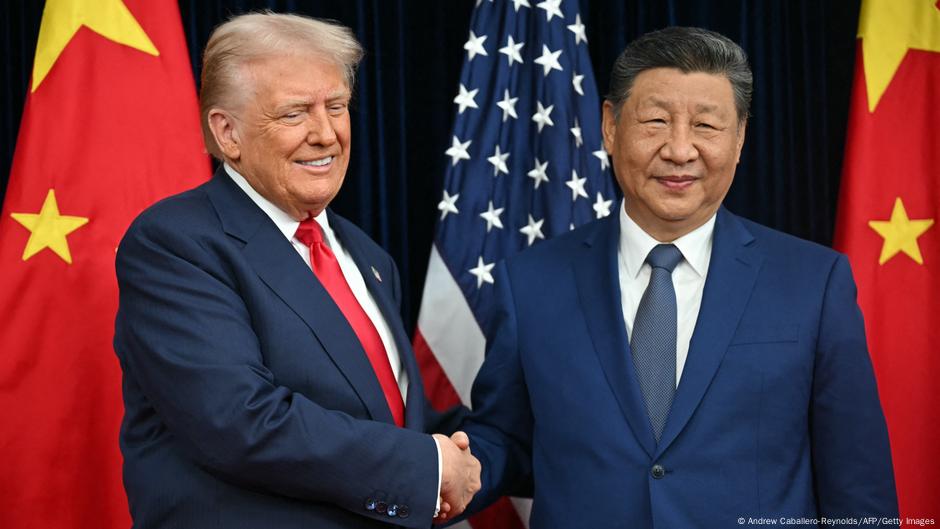
The US and China are in a technological race focused on dominating Artificial Intelligence.
South Korea imports about 45 percent of its naphtha, a critical petrochemical feedstock, with roughly 77 percent of those imports historically arriving from the Middle East. That supply line is now, for all practical purposes, severed.
The January 3rd Operation Absolute Resolve ousted Venezuelan Dictator Nicholas Maduro, marking a significant shift in US policy towards countering adversarial influence in the western hemisphere.
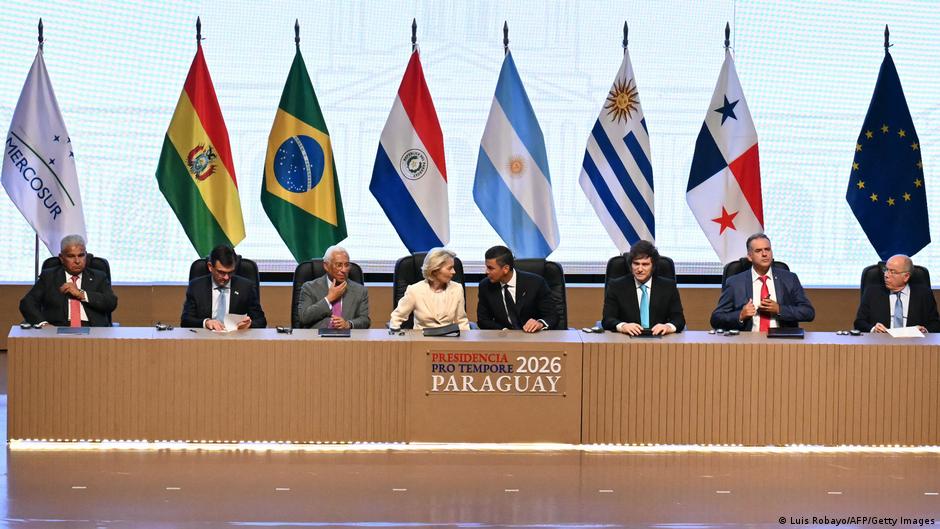
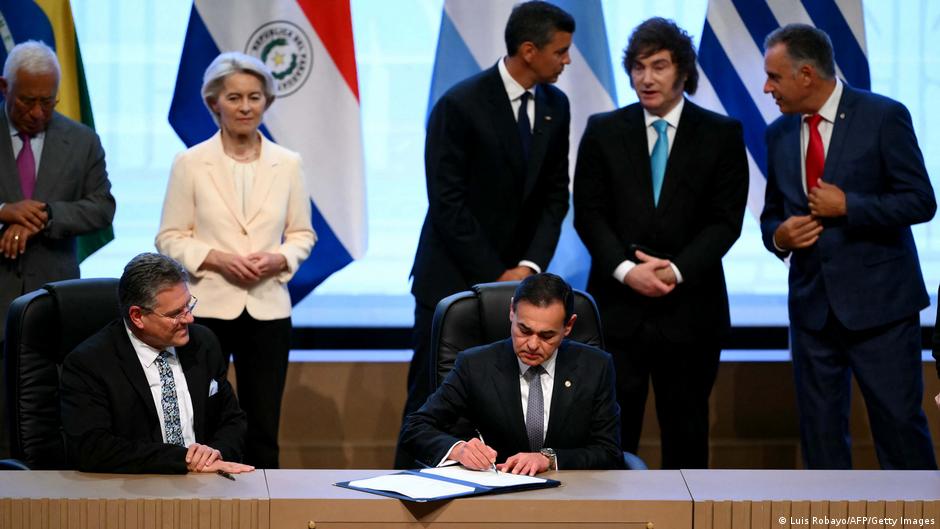
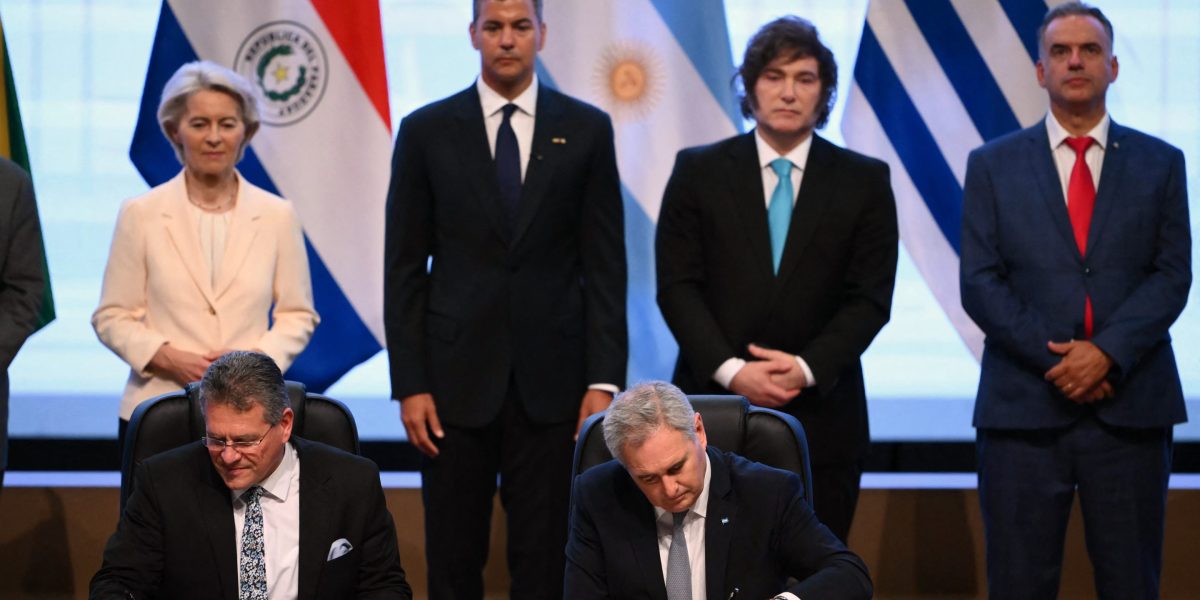
The European Commission will "proceed with [the] provisional application" of the Mercosur trade deal with Argentina, Brazil, Paraguay and Uruguay, the commission's chief Ursula von der Leyen announced on Friday. The deal was signed in January after over 25 years of negotiations, despite opposition from some European farmers.
The European Commission, the EU's executive arm, will next week propose new rules that are expected to include a requirement for companies in strategic sectors to produce in Europe if they want to receive public money. But the definition of "European preference" has triggered debate, with calls especially from France for more "Made in Europe", while other EU states such as Germany call for "Made with Europe".
As part of the landmark trade agreement announced on January 27th, the EU and India adopted a 'mobility framework' that aims to make it easier for Indian students, researchers and young professionals to move to the EU. The EU and India have a long history of collaboration. Bilateral ties were established in 1962 and a comprehensive trade agreement has been in discussion since 2004, think tank recalls. In 2016, the EU and India adopted a Common Agenda on Migration and Mobility (CAMM)
Companies enter new markets with momentum. Press coverage looks promising. Campaigns launch on schedule. Local teams are hired. Early dashboards suggest traction. Then progress slows. Customer interest plateaus. Partnerships take longer than expected. Internally, the conversation almost always turns to execution. Messaging must not be clear enough. The market probably needs more education. What I have learned is that this conclusion is usually wrong. What looks like market resistance is more often a signal that the brand is communicating from the wrong position.
Whether it's investigating the financials of Elon Musk's pro-Trump PAC or producing our latest documentary, 'The A Word', which shines a light on the American women fighting for reproductive rights, we know how important it is to parse out the facts from the messaging. At such a critical moment in US history, we need reporters on the ground. Your donation allows us to keep sending journalists to speak to both sides of the story.
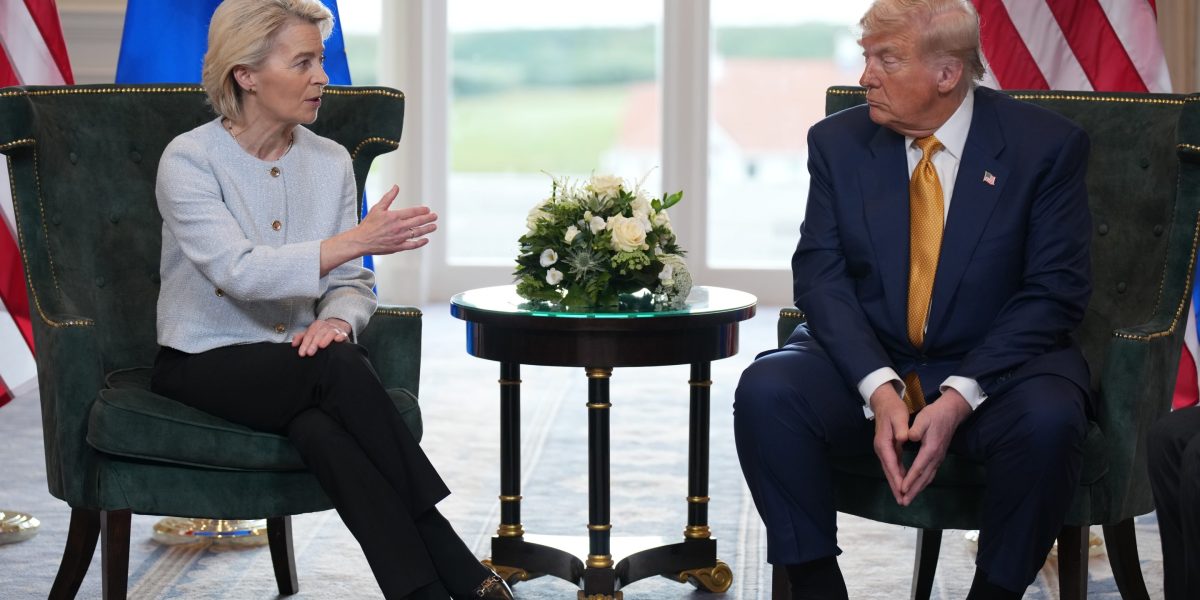
The International Monetary Fund has warned mounting geopolitical tensions and an escalation of Donald Trump's tariff war could hit global economic growth and trigger a backlash in financial markets. In an update as Trump threatens to impose tariffs on Nato allies opposed to his ambitions in Greenland, the Washington-based fund said a renewed eruption in trade tensions was among the biggest risks to global growth in 2026.
The upgrade places the EU on the same diplomatic footing as the United States, China and Russia and was announced during a visit to Hanoi by European Council President António Costa. "At a moment when the international rules-based order is under threat from multiple sides, we need to stand side by side as reliable and predictable partners," Costa said, adding that the partnership is about "developing spheres of shared prosperity."
Stability. Consistency. Ever-changing complexity. With language like that, deployed in separate meetings in three Asian capitals this week, government leaders forged closer ties driven in part by a figure halfway around the world: the president of the United States. And much of the time, they didn't even mention Donald Trump's name. IN BEIJING: The U.K. and Chinese leaders called Thursday for a "long-term, stable, and comprehensive strategic partnership" between their two countries. The important words are long-term and stable. The two countries committed a decade ago to building a comprehensive strategic partnership but progress has been halting at best.
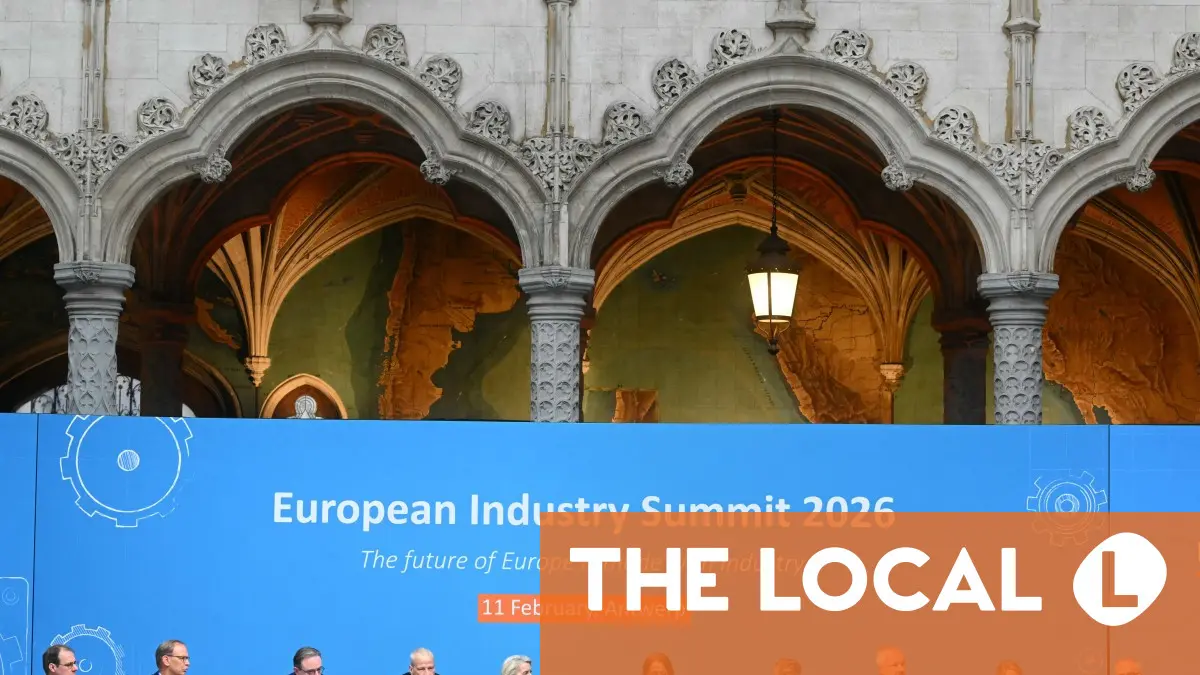
Given the daunting nature of the challenges they face in the era of Donald Trump, it is perhaps understandable that European politicians should wish to get away from it all. This week, in what is being billed as a leaders' retreat, a remote castle in the Belgian countryside has been selected for an EU summit on competitiveness. The pastoral setting may soothe the spirits of attending heads of state; but it belies the urgency of the debate they need to have.
Of all countries, China should appreciate the need to stop Mr. Maduro from smuggling these illicit drugs into the U.S., killing tens of thousands of Americans. China experienced this in the Opium War of 1839-1842, when Great Britain forced opium on China, despite government protestations, resulting in the humiliating Treaty of Nanjing, ceding Hong Kong to Great Britain. Mr. Maduro was violating U.S. laws, in a conspiracy to aid enemies and kill innocent Americans.
After nearly two decades of negotiations, India and the European Union announced Tuesday they have reached a free trade agreement to deepen economic and strategic ties. The accord, which the EU chief described as the "mother of all deals," could affect as many as 2 billion people. The deal between two of the world's biggest markets comes as Washington targets both India and the EU with steep import tariffs, disrupting established trade flows and pushing major economies to seek alternate partnerships.