#religious-liberties
#religious-liberties
[ follow ]
#supreme-court #birthright-citizenship #conversion-therapy #lgbtq-rights #first-amendment #14th-amendment


#higher-education
Higher education
fromwww.theguardian.com
9 hours agoFederal judge halts White House effort to collect university data on applicants' race
A federal judge halted data collection efforts by the Trump administration regarding race in college admissions, citing rushed implementation and potential privacy risks.
Higher education
fromwww.theguardian.com
9 hours agoFederal judge halts White House effort to collect university data on applicants' race
A federal judge halted data collection efforts by the Trump administration regarding race in college admissions, citing rushed implementation and potential privacy risks.




#lgbtq-rights
LGBT
fromSlate Magazine
3 weeks agoThe Supreme Court's Favorite New Excuse to Rule Against LGBTQ+ Kids
The Supreme Court expanded parental rights by blocking a school policy protecting LGBTQ+ students from forced outing, interpreting constitutional parental rights more absolutely than historical precedent.

LGBT
fromSlate Magazine
3 weeks agoThe Supreme Court's Favorite New Excuse to Rule Against LGBTQ+ Kids
The Supreme Court expanded parental rights by blocking a school policy protecting LGBTQ+ students from forced outing, interpreting constitutional parental rights more absolutely than historical precedent.

Healthcare
fromAdvocate.com
3 weeks agoU.S. court allows state bans on gender-affirming care for adults in unprecedented ruling
The 4th Circuit Court of Appeals upheld a West Virginia law restricting Medicaid coverage for gender-affirming care, marking the first federal appeals court enforcement of such restrictions.
US politics
fromABC7 San Francisco
3 weeks agoCivil rights group reports surge in anti-Muslim discrimination and rhetoric in 2025
Anti-Muslim discrimination in the United States has significantly increased during 2025, driven by anti-Muslim rhetoric from public officials and Trump administration policies targeting immigrants based on national origin.
#religious-freedom
Social justice
fromTruthout
2 weeks agoICE Jails Have Repeatedly Denied Muslims the Right to Fully Observe Ramadan
ICE immigration jails systematically deny Muslim detainees access to Qurans, prayer materials, and flexible mealtimes during Ramadan, violating religious freedom rights in civil detention facilities.
Social justice
fromTruthout
2 weeks agoICE Jails Have Repeatedly Denied Muslims the Right to Fully Observe Ramadan
ICE immigration jails systematically deny Muslim detainees access to Qurans, prayer materials, and flexible mealtimes during Ramadan, violating religious freedom rights in civil detention facilities.
fromLGBTQ Nation
1 week agoCatholic priests say sexual abuse law "violates their religious freedom" - LGBTQ Nation
The law says consent cannot truly be given in those circumstances due to the power imbalance, and it also applies to a professor and a student, or a boss and an employee, or a therapist and a client.
Law
Miscellaneous
fromPsychology Today
1 month agoReligious Freedom Includes the Freedom to Leave Religion
True religious freedom requires psychological capacity to choose freely, not just legal protection of beliefs, as cults use psychological entrapment rather than physical confinement to prevent members from leaving.
#christian-nationalism
Right-wing politics
fromSlate Magazine
4 weeks agoHow America Became A "Christian Nation" Overnight
The Roberts Supreme Court majority and Trump administration are dismantling the separation of church and state through coordinated legal and political action, enabling Christian nationalism to reshape American democracy.
Right-wing politics
fromwww.aljazeera.com
3 weeks agoUS civil rights group documents broad attack on Muslim life' in 2025
CAIR's annual report documents rising Islamophobia in the US government and society, warning that discriminatory policies and hate speech threaten constitutional rights for all Americans.
LGBT
fromAdvocate.com
2 weeks agoAppeals court weighs whether religious employers can fire workers for being transgender
Ellenor Zinski, fired by Liberty University after disclosing her transgender identity, left the U.S. for safety and now faces a federal appeals case determining whether religious employers can override LGBTQ+ protections under Title VII.
fromwww.npr.org
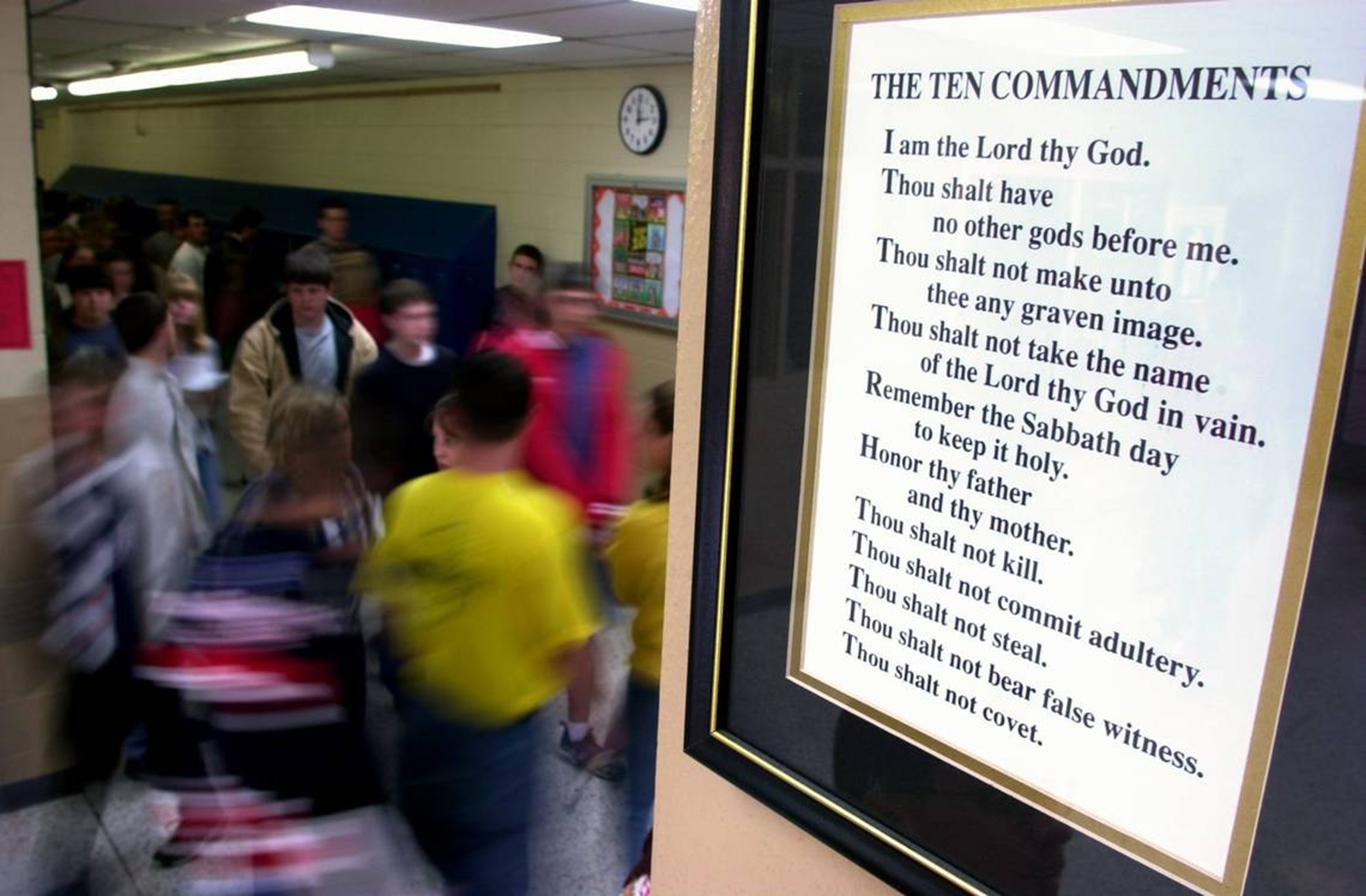
1 month agoCourt clears way for Louisiana law requiring Ten Commandments in classrooms to take effect
In the opinion released Friday, the court said it was too early to make a judgment call on the constitutionality of the law. That's partly because it's not yet clear how prominently schools may display the religious text, if teachers will refer to the Ten Commandments during classes or if other texts like the Mayflower Compact or the Declaration of Independence will also be displayed, the majority opinion said.
US news
Higher education
fromInside Higher Ed | Higher Education News, Events and Jobs
2 months agoPenn: Turning Over Jewish Employees' Names Unconstitutional
University of Pennsylvania refuses a federal subpoena seeking names of Jewish employees, arguing the demand is unconstitutional and endangers privacy and First Amendment rights.
LGBT
fromLGBTQ Nation
4 weeks agoChristian teacher wins right to refuse to read gay children's books in school - LGBTQ Nation
A Nashville public charter school teacher secured an accommodation to avoid reading a children's book about two gay fathers after enlisting a Christian nationalist legal group to threaten the school.
fromSlate Magazine
2 months agoThe Supreme Court Was Ripe for Another Ideological Food Fight. Then Something Else Happened.
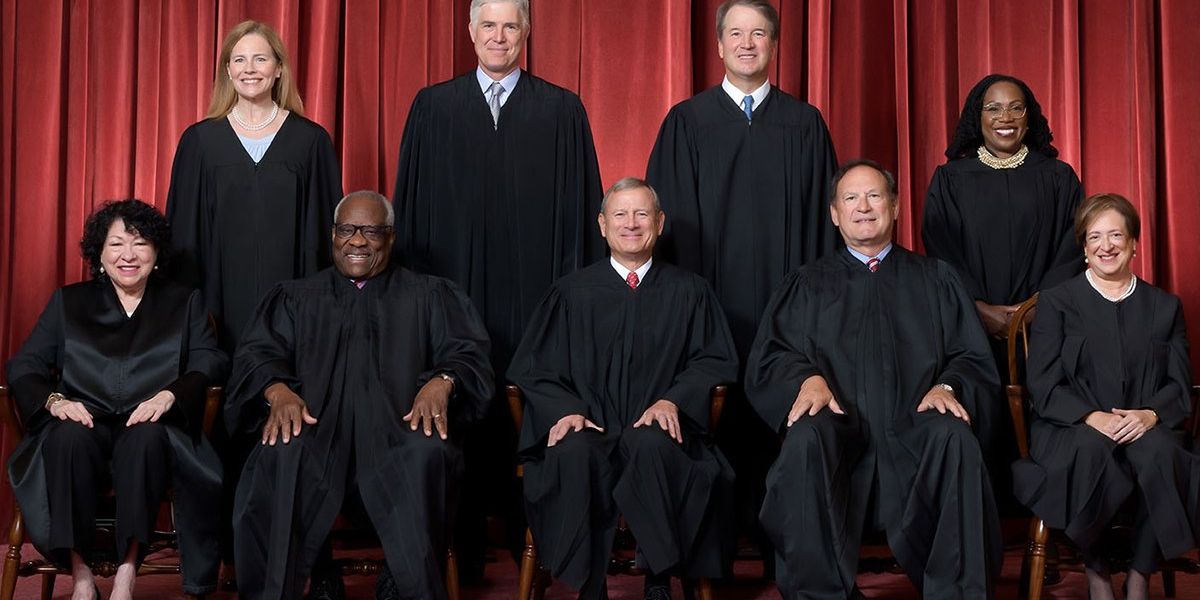
But inside the courtroom, the argument barely touched speech or religion. Instead, the justices together gravitated toward something else entirely: a problem about time, causation, and whether constitutional authority can be temporally partitioned. Does the Constitution operate only forward? Can a law be unconstitutional tomorrow yet legally untouchable yesterday? And can a single conviction permanently close the courthouse doors to the people most harmed by an unconstitutional rule?
Law
fromsfist.com
2 months agoSupreme Court All But Certain to Rule That Laws Barring Trans Students From Sports Are Constitutional
And a ruling is very likely to break on predictable, ideological lines, 6-3, unless the case is handed back to a lower court. The Supreme Court gave a win to trans rights back in 2020, with the help of new conservative justice Neil Gorsuch, in the case which correlated employment discrimination based on both sexual orientation and gender identity with discrimiation "on the basis of sex," which is a violation of Title VII of the 1964 Civil Rights Act.
US politics
fromLGBTQ Nation
2 months agoLandmark commission unanimously approves church's rainbow steps: "This is religious expression" - LGBTQ Nation
Oak Lawn United Methodist Church in Dallas received formal approval from the city's Landmark Commission last week after officials, members, and volunteers painted the Late Gothic Revival building's staircase the colors of the rainbow in October. The building has local landmark status, and it's listed on the National Register of Historic Places.
LGBT
[ Load more ]