Design
fromPsychology Today
23 hours agoThe Future of Brain Health Is Architecture
The built environment significantly influences mental health, mood, and performance, with neuroscience guiding design for improved well-being.
The campaign explores the relationship between graphic identity and natural motifs, with the S-check pattern reinterpreted through cherry blossom imagery, establishing a contrast between graphic order and natural variation.
"We are thrilled to bring this immersive experience to New Jersey. Whether you're an art-lover, history enthusiast, or someone encountering this masterpiece for the first time, this exhibition allows you to experience Michelangelo's genius in an intimate and unforgettable way."
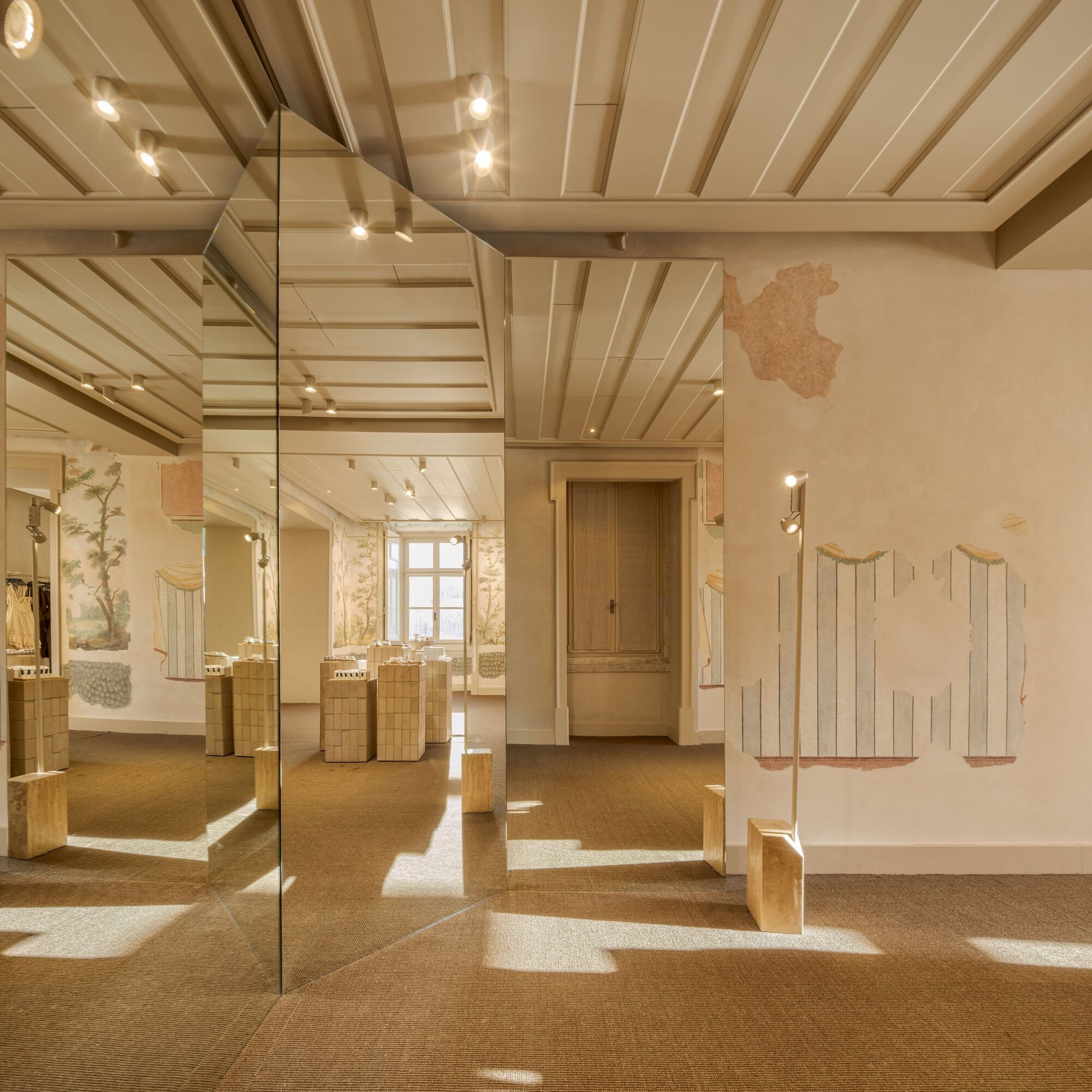
The new store preserves the building's historic character-keeping original brick walls exposed-while layering in contemporary materials such as metallic finishes, reflective surfaces, and semi‑gloss flooring.
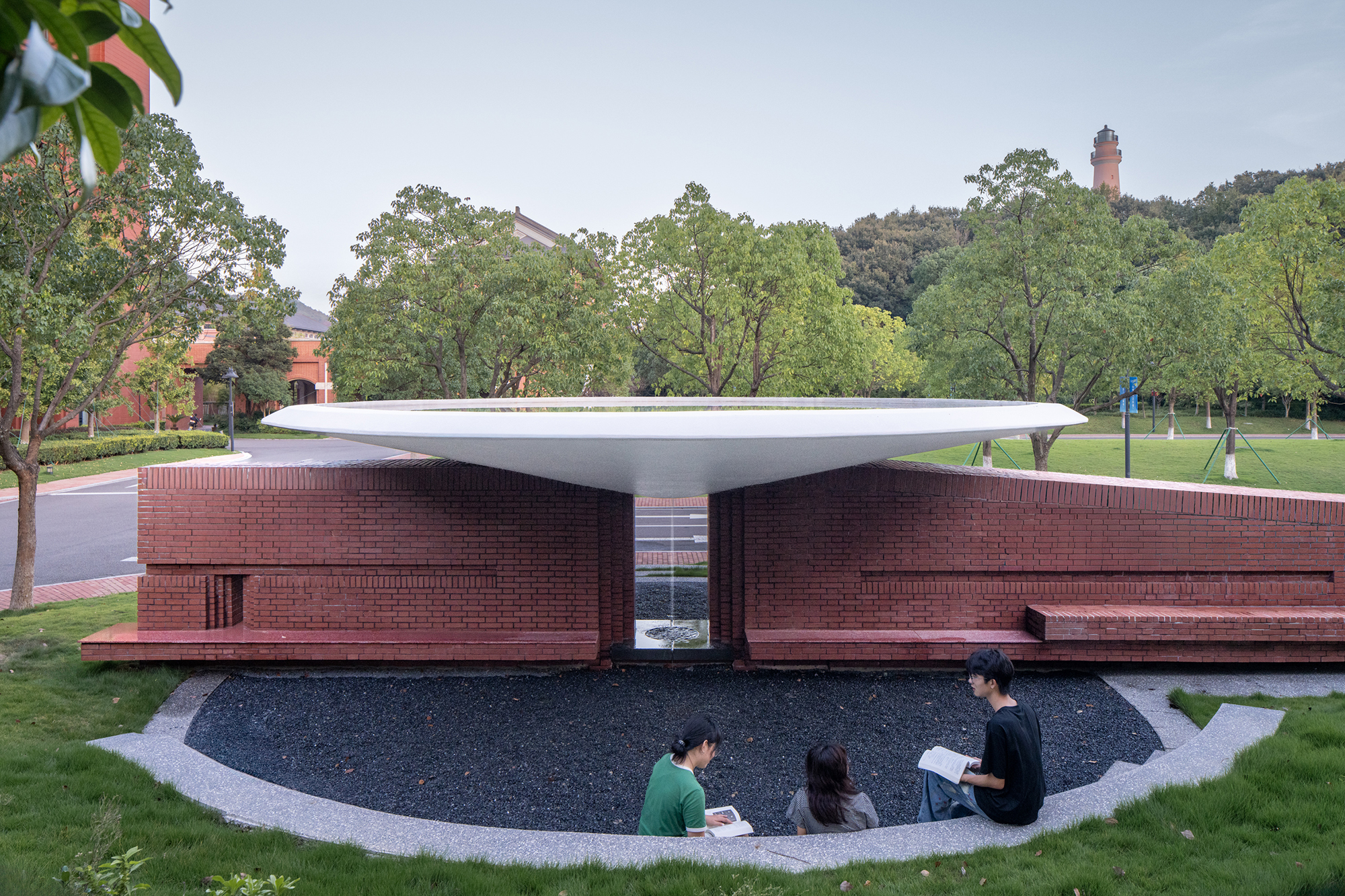
Viewpoints are structures designed for observing the landscape from elevated positions. They act as devices that organize the gaze and establish a direct relationship between the body and the territory.
"Everything in today's e-commerce environment is being driven by increased intensity of the research phase and true generational divides during the current macroeconomic environment," said Jaysen Gillespie, VP of product marketing and analytics at RTB House.
The original intent of pilotis was to create a sense of lightness that would allow circulation and light to flow beneath a structure, but contemporary requirements render thin columns insufficient for large-scale civic projects.
Decades of research in environmental psychology and building science reveal that indoor conditions can profoundly affect human health and behavior. Lighting influences circadian rhythms and sleep patterns. Air quality impacts cognitive performance and respiratory health. Temperature and acoustics shape comfort and concentration.
In Bergen - one of Europe's rainiest cities - Copenhagen-based BIOSIS has completed Lagunen II, a climate-adaptive, community-focused expansion of Norway's largest shopping centre. The 15,000-square-meter extension redefines the role of the contemporary mall by transforming it into an open, light-filled urban environment shaped directly by the coastal climate and the daily rhythms of its surrounding neighborhood.