#rhenna-figurine

[ follow ]
History
fromwww.thehistoryblog.com
1 month ago

Origin of repatriated erotic mosaic uncovered

A Nazi-looted mosaic depicting an intimate domestic scene was repatriated to Pompeii, but research revealed it originated in Latium, not Pompeii or its surrounding region.
fromOpen Culture
1 month ago

Roman Statues Weren't White; They Were Once Painted in Vivid, Bright Colors

One tenet of classical idealism is the idea that Roman and Greek statuary embodied an ideal of pure whiteness-a misconception modern sculptors perpetuated for hundreds of years by making busts and statues in polished white marble. But the truth is that both Greek statues and their Roman counterparts were originally brightly painted in riotous color.
History
#archaeology
fromNature
2 months ago
Science

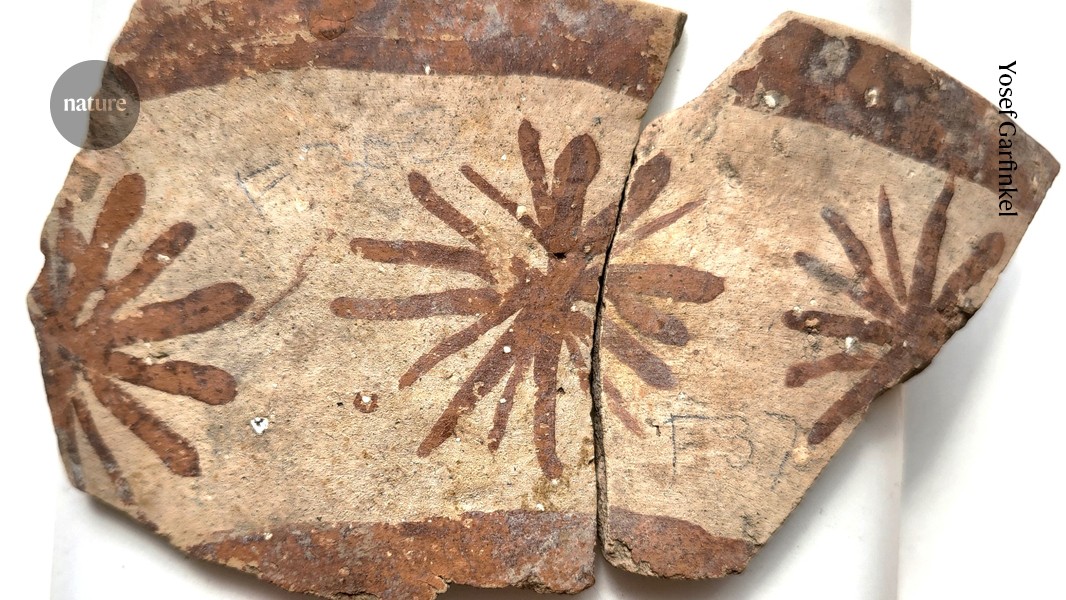
Daily briefing: Symbols on ancient pottery could be earliest evidence of mathematics

fromNature
2 months ago
Science

Daily briefing: Symbols on ancient pottery could be earliest evidence of mathematics

#ancient-mathematics
fromWorld History Encyclopedia
1 month ago

Fashion & Dress in Ancient Mesopotamia: From Basic to Accessorized in the Ancient World

Fashion and dress in Mesopotamia - clothing, footwear, and accessories - were not only functional but defined one's social status and developed from a simple loincloth in the Ubaid period (circa 6500-4000 BCE) to brightly colored robes and dresses by the time of the Sassanian Empire (224-651). Styles changed, but the essential form and function remained the same. As in any civilization, the upper class and nobility wore more expensive clothes of higher quality.

History
fromMail Online
1 month ago

Mysterious symbols spanning the globe hint at a lost civilization

His investigation began after identifying recurring giant T-shapes, three-level indents, and step pyramids carved into ancient stones worldwide. 'These specific symbols that are built in different size proportions, and the symbols are found in ancient stones around the world, are not supposed to exist; no cultures are supposed to have any cross-platform,' LaCroix explained. The symbols appear in locations ranging from Turkey's Van region to South America and Cambodia.
History
History
fromwww.thehistoryblog.com
1 month ago

Phoenician scarab found at Nuragic site in Sardinia

A 2,700-year-old Phoenician steatite scarab seal from Lebanon was found at inland Nuragic Ruinas in Sardinia, indicating long-distance contacts and exchange.
[ Load more ]