Cooking
fromTasting Table
2 hours agoSurf And Turf Tastes Even More Gourmet With This Buttery Lobster Substitute - Tasting Table
Prepare surf and turf at home with steak and scallops for a delicious meal without the high restaurant prices.
When light shines through water, colors with longer wavelengths are absorbed by the water, with the longest wavelengths absorbed first. Blue and violet have the shortest wavelengths of visible light, so they are able to penetrate the deepest.
During major floods, thousands of tiny fish convene at Luvilombo Falls in the upper Congo River Basin to undertake a peculiar vertical migration, described for the first time today in Scientific Reports.
I use a lot of vermouth actually. Obviously it's a fortified wine and so therefore it has a lot of flavor. When I'm doing pastas, for example, I'm using white vermouth sometimes. If I'm doing a seafood pasta with clams, it's amazing. People are like, 'What's that flavor in there?'
"There are not very many conservation issues that I'm aware of where industry and conservationists and consumers and the fishermen and the resource users all want the same thing. Every stakeholder wants less bycatch."
Young fish that spent more of their waking hours being active tended to live longer than did more-sluggish fish. Young fish that restricted their sleep schedule to evening hours also reached a riper age than did those that slept more during the day.
The bodies of the crabs displayed male reproductive structures, while other parts showcased female features, including gonopores, said K.S. Anoop Das.
Generally, East Coast oysters are brinier than West Coast oysters. Eastern oysters, raised either in the Atlantic Ocean or in its estuaries, live in a much saltier environment. West Coast oysters are mostly raised in protected bays, estuaries, and tidal rivers, where there is much less salt.
The batter was completely devoid of flavor and just tasted like fried crunch. We couldn't even pick up the taste of salt. And the fillets themselves were just as tasteless. These may crisp up well in the oven or air fryer, but a passable texture doesn't make up for flavorless fish, no matter how much tartar sauce you slather over it.
Signs of ageing accelerated when fish were exposed to the chemicals, according to the study, which could have implications for other organisms. Chemical safety regulations tend to focus on short-term exposure to high doses of pesticides and other chemicals, but the study focused on long-term exposure. Low doses of pesticides are widespread in the environment, so their effects should be studied and understood, the authors said.
Orange roughy is a giant, deep water fish that can live to be 130 years and doesn't reach maturity till 30 years of age. Since they take so long to reach maturity, and thus be suitable for consumption, you might think that orange roughy is an expensive and rare commodity. However, we spoke to Wesley Rose, director of perishables for Whole Foods Market, to dispel such a myth.
The animals do, however, have neuronsnerve cells that appear interconnected throughout their body. And now a new study shows that how these animals sleep is surprisingly similar to humans, suggesting that sleep may have evolved before even the most primitive brains. The findings, published on Tuesday in Nature Communications, also help answer one of science's prevailing mysteries: Why do animals sleep?
Consumers must be aware that seafood fraud, in which vendors label cheaper fish as products of higher quality and price, is common practice. According to Oceana, fish is mislabeled 25 to 70% of the time, especially when it comes to prized fish like wild salmon and Atlantic cod. Those of us who care about the environment are also concerned with traceability,
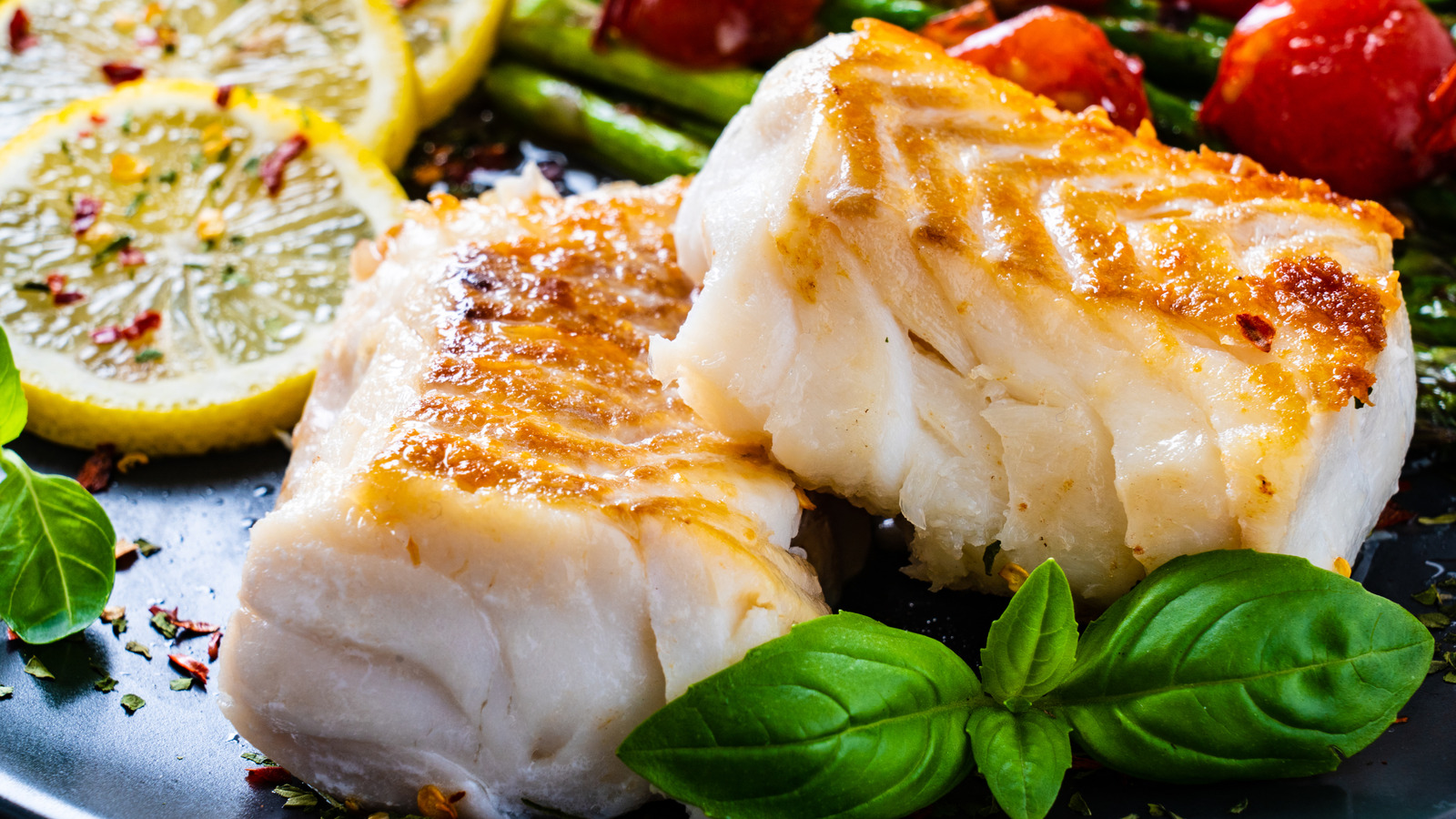
"Never fry super-delicate fish, as they fall apart," recommends Chef Becker. This means you should steer clear of frying fish like tilapia, branzino, sole, and flounder. When flipping them over, these fragile fish can easily break apart and overcook faster than you think. You'll either end up with breading that isn't crisp enough or an overly dry interior. Either way, it won't be an enjoyable meal.
When it comes to the list of the most popular seafood in the U.S., shrimp is far and away the most consumed. While we tend to think of seafood as coming from saltwater oceans, this list also includes freshwater fish, clams and shrimp. It's true that most of shrimp we eat comes from saltwater habitats, but freshwater shrimp has its place at the table. Setting aside the distinction between shrimp and prawns, there are some key differences between freshwater and saltwater shrimp that you should know.
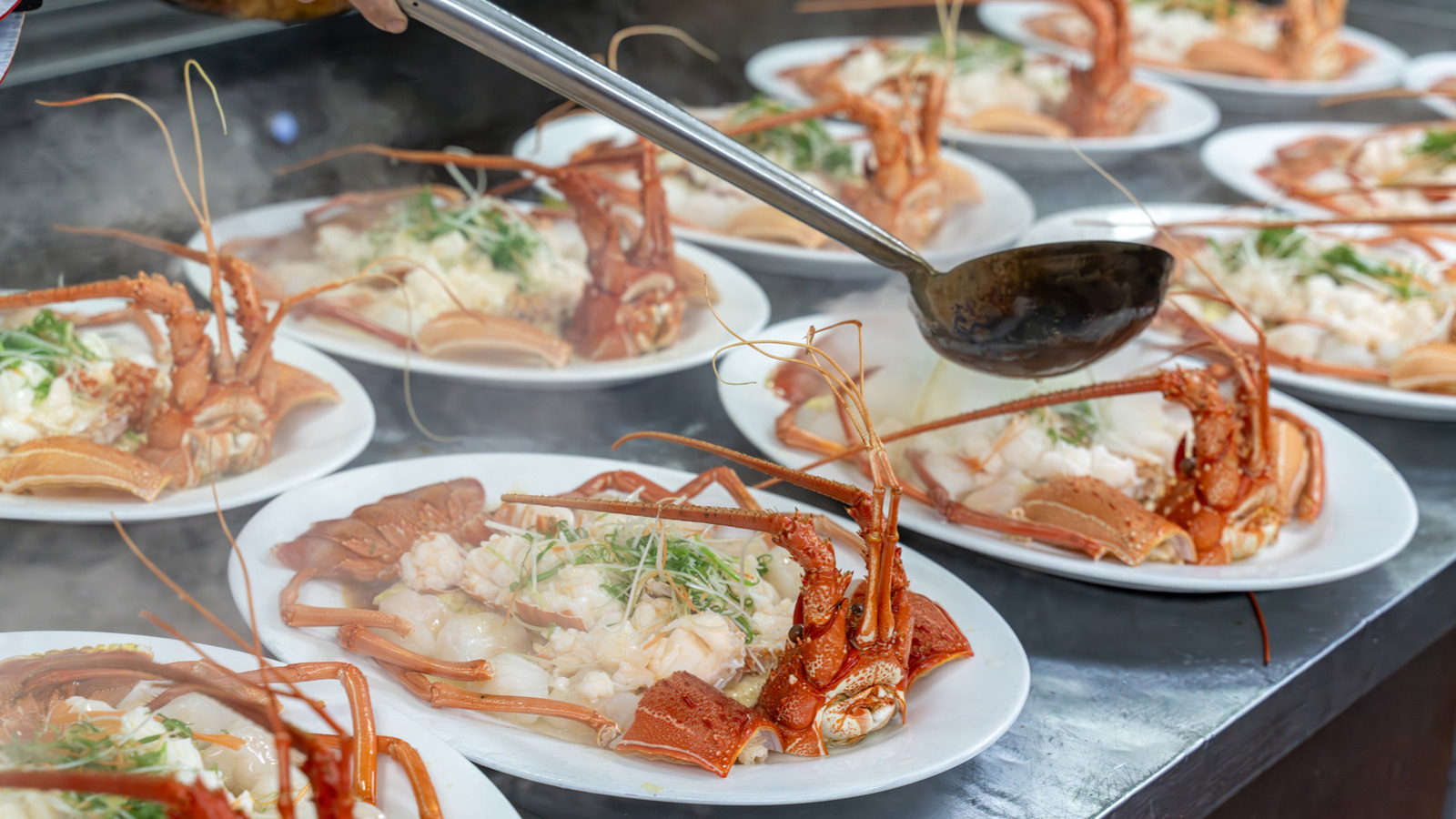
But when you pull off that tail section, you will reveal inside the cavity something that stands out against all of the pink and white flesh - a strange green paste. For many bib-clad lobster eaters, this green stuff ends up in the bin along with the scraps of cracked and empty shells, but they don't know what they are missing. That green paste is called tomalley, and despite its potentially off-putting appearance, it's a part of the lobster experience begging to be savored.
Commonly canned fish, like salmon, sardines, anchovies, and mackerel all contain little bones that are safe, even enjoyable, to eat. During the canning process, the fish is pressure-cooked at high temperatures, which softens the bones to the point that they become tender and brittle. In canned salmon, the pale vertebrae often flake apart easily and are rich in calcium. Sardine and anchovy bones are even smaller and usually go unnoticed, disintegrating with mastication.