#right-flank-vulnerability
#right-flank-vulnerability
[ follow ]
#iran #cybersecurity #ukraine #us-military #russia #nato #military-strategy #drones #strait-of-hormuz
#nato
Russo-Ukrainian War
fromLondon Business News | Londonlovesbusiness.com
6 days agoNATO tensions spike as Russian drones crash inside Finland - London Business News | Londonlovesbusiness.com
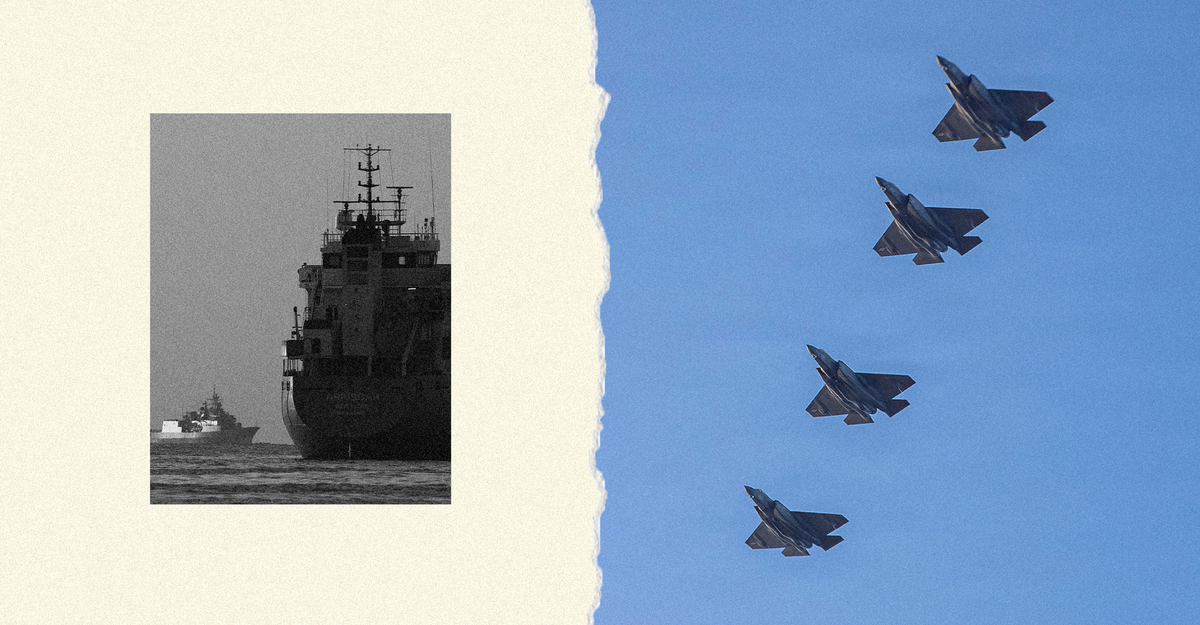
Tensions between NATO and Russia escalated after two drones crashed in Finland, prompting a serious security response from authorities.




World news
fromLondon Business News | Londonlovesbusiness.com
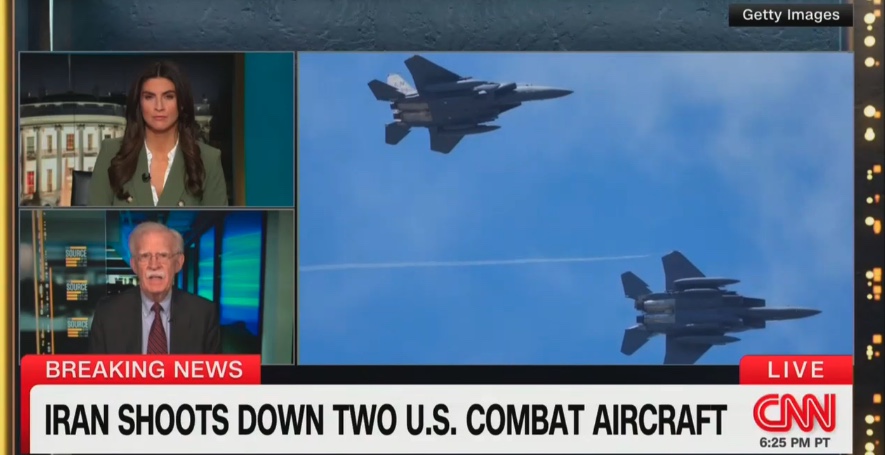
1 day agoPentagon confirms fighter jet shot down over Iran as rescue mission underway - London Business News | Londonlovesbusiness.com
An F-15E Strike Eagle was shot down over Iran, initiating a combat search and rescue operation for its two crew members.

Information security
fromSecuritymagazine
4 days agoThe Rising Tide of Executive Protection: Corporations Ramp Up Security in an Era of Heightened Threats
Companies are increasingly investing in executive protection due to rising threats, making it a strategic necessity for business continuity and resilience.
fromThe New Yorker
5 days agoThe Spy Who Helped Stop Iran from Getting the Bomb
Chalker claims that during his time at the C.I.A., he was instrumental in persuading Iranian scientists to defect, which provided crucial information that 'prevented Iran from getting a nuke.' His operations involved complex strategies and a deep understanding of the scientists' motivations.
Washington DC
fromwww.dw.com
2 weeks ago'Vulnerable' satellites guide the world and its wars
Signals from Global Navigation Satellite Systems are quite vulnerable. They are exceptionally weak, meaning that any radio noise near their frequency, accidental or malicious, can interfere with reception. I am confident that there are people in every government who understand the problem. The challenge is getting leadership to both understand and act to reduce the risk.
Russo-Ukrainian War
fromwww.businessinsider.com
3 days agoUkrainian troops showed 'greater tactical imagination' than Western trainers, British officer says, pointing to their ambush tactics
Ukrainian soldiers demonstrate greater tactical creativity and flexibility compared to their Western trainers, particularly in ambush tactics.
World politics
fromLondon Business News | Londonlovesbusiness.com
4 days agoPentagon criticises UK's 'big, bad Royal Navy' for 'refusing to get involved with Iran' - London Business News | Londonlovesbusiness.com
The US Secretary of War criticizes the UK for not deploying naval resources to the Strait of Hormuz amid rising tensions.
fromMail Online
3 weeks agoHow Iran can bring the war to US soil in just days: Key targets MAPPED
All you would need is a ship under a foreign flag positioned offshore to launch hundreds of drones, or even a truck carrying them. When I served as deputy administrator at the National Nuclear Security Administration, overseeing nuclear programs, the drone threat was something we were deeply concerned about.
US politics
Russo-Ukrainian War
fromwww.theguardian.com
6 days agoUkraine war briefing: German defence giant sparks row after comparing Ukraine drone makers to housewives'
Rheinmetall's CEO faced backlash for comparing Ukrainian drone production to housewives making weapons, prompting responses from Ukrainian officials and social media.
fromThe Cipher Brief
3 weeks agoThe Future of War Is Now: What Washington Needs to Hear from the Battlefield
I have been working in Ukraine since 2019, first as an active Green Beret advising in an official capacity, then after leaving that service, directing special operations on the ground and more recently carrying hard-won lessons back to NATO before they are forgotten or overtaken by the next news cycle.
Washington DC
fromenglish.elpais.com
4 weeks agoDoes the United States have enough munition for a prolonged war?
We've got no shortage of munitions. Our stockpiles of defensive and offensive weapons allow us to sustain this campaign as long as we need. Iran is hoping that we cannot sustain this, which is a really bad miscalculation.
US politics
Venture
fromThe Cipher Brief
1 month agoWhat the Latest Policy and Tech Shifts Mean for National Security
Counter-Unmanned Aerial Systems require integrated, multi-layered defense architectures combining non-kinetic and kinetic responses rather than isolated legacy technologies, as modern autonomous drones render traditional electronic warfare ineffective.
Miscellaneous
fromLondon Business News | Londonlovesbusiness.com
1 month agoUkrainian special forces conduct sabotage and strike operations behind Russian lines - London Business News | Londonlovesbusiness.com
Ukrainian special operations forces conducted infiltration and sabotage missions against Russian positions in northern sectors, using explosives to destroy personnel and disrupt supply routes.
Information security
fromThe Cipher Brief
2 weeks agoAmerica Is Digitally Fragile - and Our Adversaries Know It
America faces unprecedented vulnerability as critical infrastructure systems are digitally dependent and interconnected, while adversaries possess capabilities to penetrate and pre-position for exploitation before conflict begins.
Russo-Ukrainian War
fromwww.theguardian.com
2 weeks agoUkraine war briefing: Kyiv deploys 200 anti-drone experts to Middle East
Ukraine deploys 201 anti-drone experts to the Middle East to counter Iranian Shahed drones, while warning European nations that advancing drone technology enables attacks by non-state actors and criminal networks.
Russo-Ukrainian War
fromenglish.elpais.com
3 weeks agoThe front line basements where Ukraine specializes in electronic warfare
Ukrainian soldiers are manufacturing homemade anti-drone systems on the front lines, representing a grassroots weapons production effort alongside official defense industries in response to evolving drone warfare tactics.
fromSecuritymagazine
2 months agoThe New Battleground of Cybersecurity
I've always had what I would consider a hacker mindset, a curiosity to take things apart, understand them, and use that knowledge to solve problems. That mindset took me on a circuitous route into the cybersecurity industry; after being kicked out of high school for hacking computer systems, I worked a range of jobs, managing office supply companies by day and cracking Wi-Fi networks by night until I started a Digital Forensics degree which led me to the world of security research.
Science
World politics
fromBusiness Insider
1 month agoThe war with Iran is more evidence that winning the fights you can't see is critical in modern combat
US military operations increasingly rely on space and cyber forces to disrupt enemy capabilities before kinetic strikes, making non-kinetic warfare critical to modern combat effectiveness.
World politics
fromLondon Business News | Londonlovesbusiness.com
1 month agoNATO warns to prepare for war that our 'grandfathers saw' - London Business News | Londonlovesbusiness.com
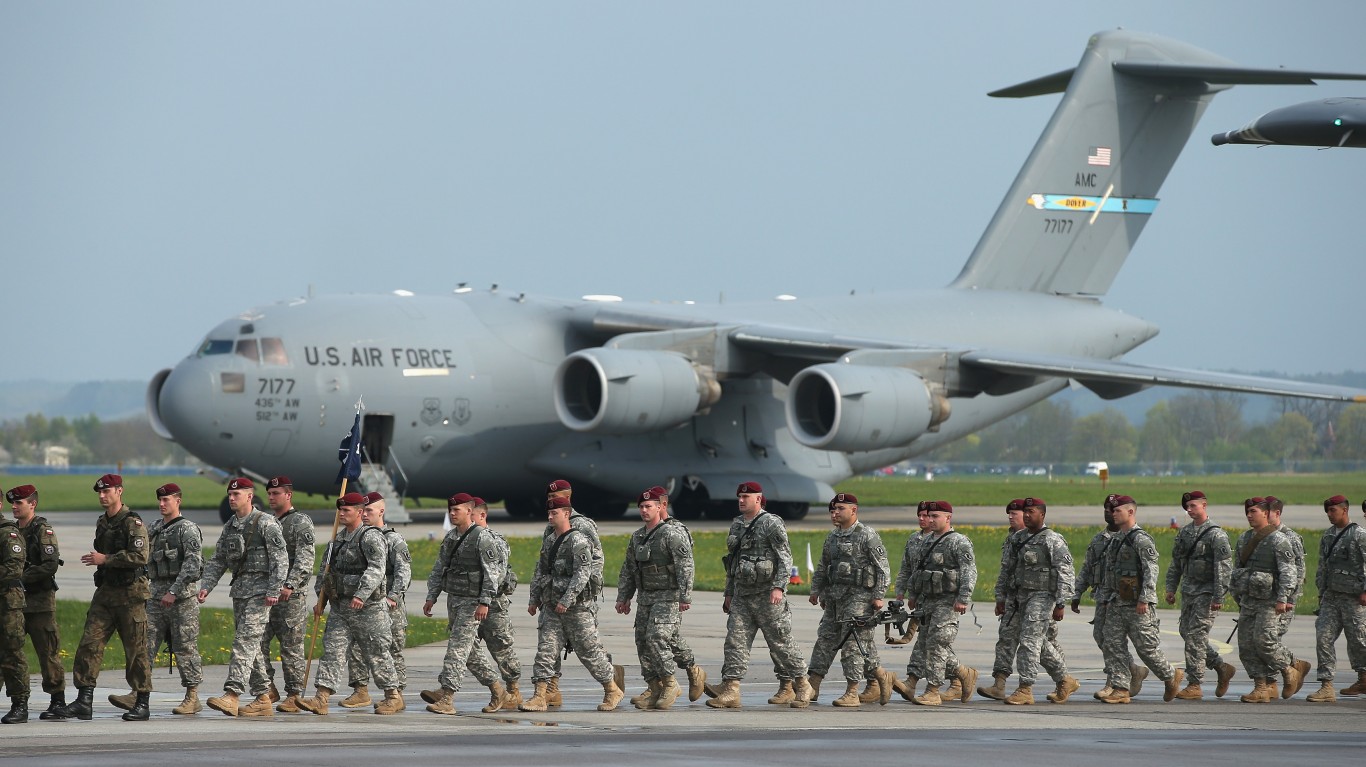
NATO warns that unchecked Russian aggression risks triggering a new world war, with Poland particularly vulnerable due to its border proximity to Russia and Ukraine.
Information security
fromComputerWeekly.com
1 month agoWestern cyber alliances risk fragmenting in new world order | Computer Weekly
Geopolitical fragmentation in 2025 drove cyber shifts toward coercion, disrupted alliances and intelligence sharing, decentralised resilient cybercrime, and intensified US–China AI competition.
fromSecurityWeek
1 month agoCyber Insights 2026: Cyberwar and Rising Nation State Threats
Entering the cyber world is stepping into a warzone. Cyber is considered a war zone, and what happens there is described as cyberwar. But it's not that simple. War is conducted by nations (political), not undertaken by criminals (financial). Both are increasing in this war zone we call cyber, but the political threat is growing fast. Cyberwar is a complex subject, and a formal definition is difficult.
Information security
[ Load more ]