Europe politics
fromwww.theguardian.com
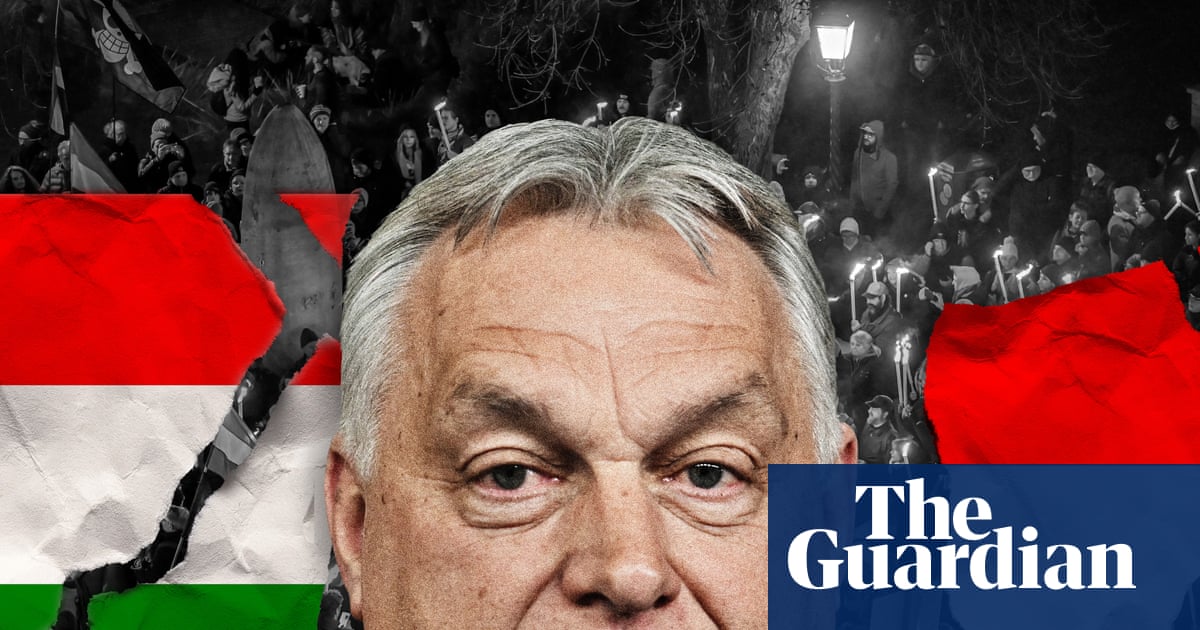
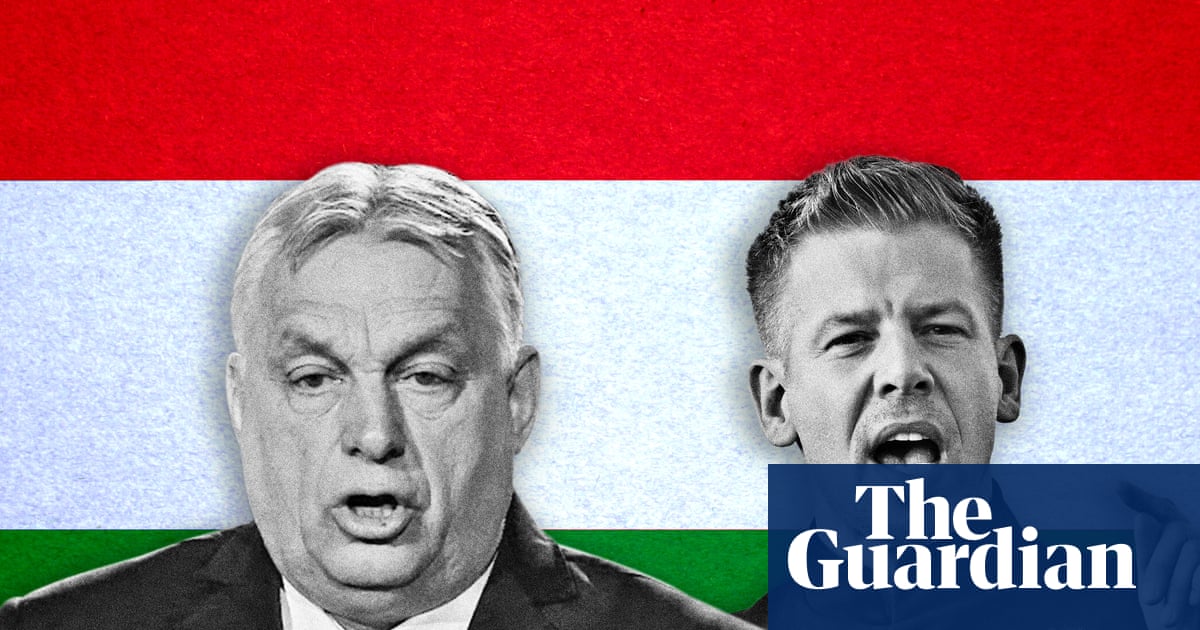
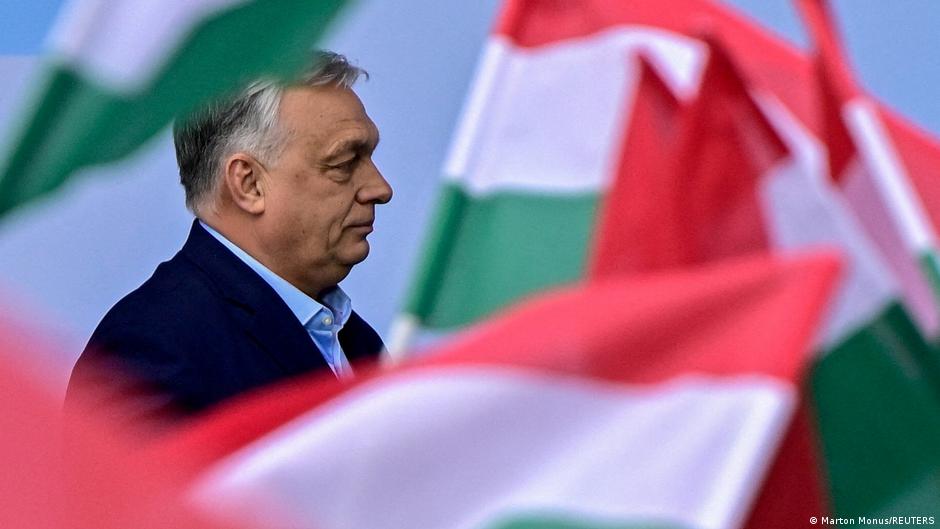
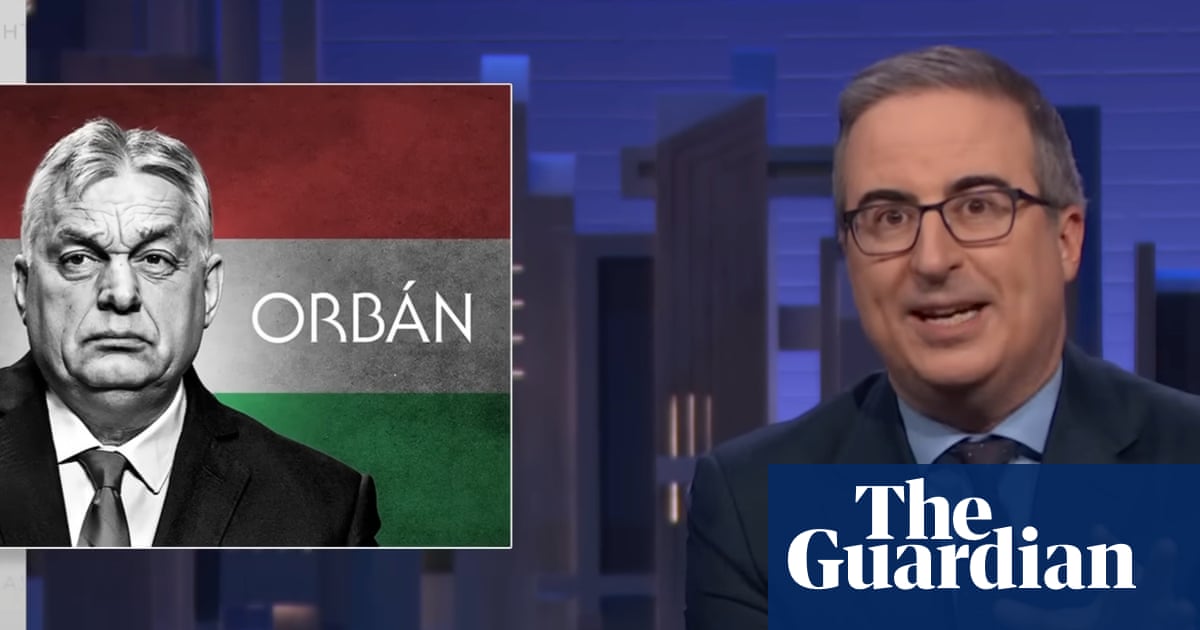
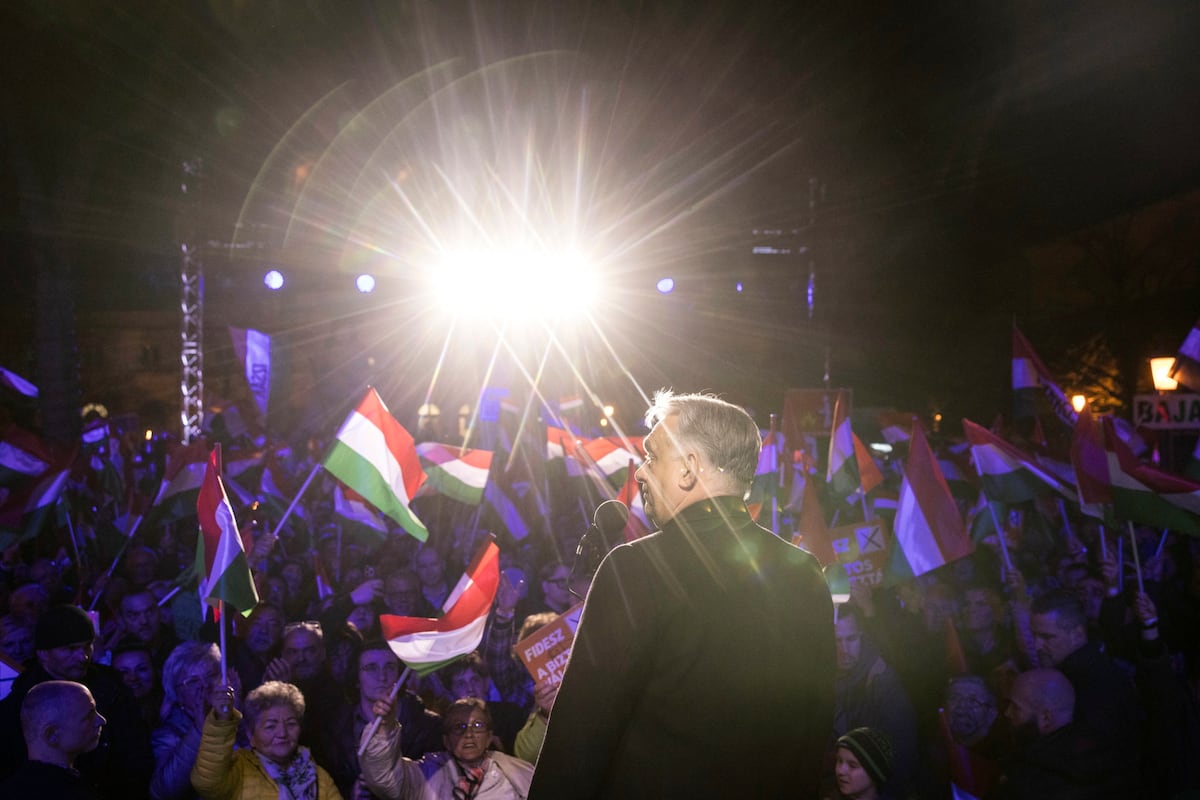
16 hours agoWhy US and Russia are backing Viktor Orban in Hungary election
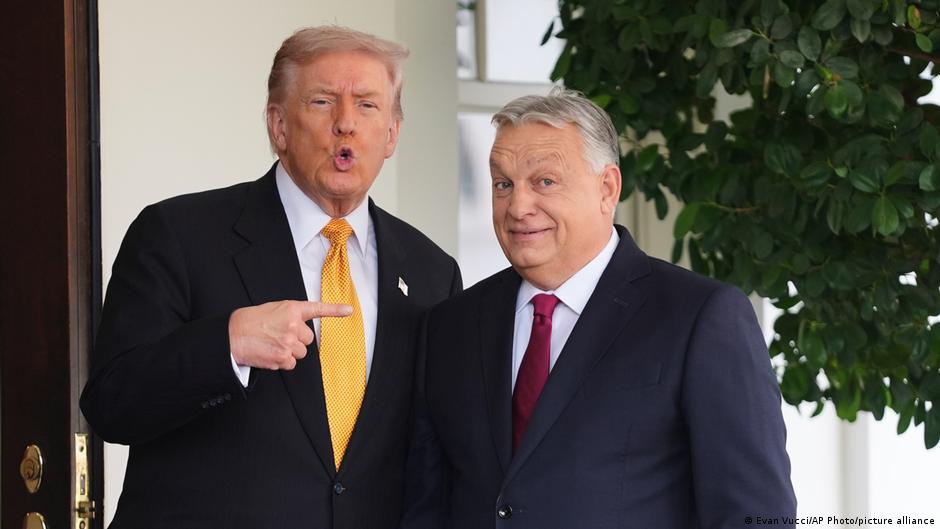
JD Vance's visit to Hungary aims to support Viktor Orban amid a contentious election, reflecting shifting US-Russian relations.
"We have a great opportunity in our movements to learn how to be opponents without being enemies," says Tanuja Jagernauth. This perspective emphasizes the importance of maintaining respect and understanding even amidst conflict.
From the moment Donald Trump was sworn into office for his second term, he made clear that a major priority of his administration would be pursuing vindictive actions against his perceived enemies. One of the earliest targets of this agenda of retribution: law firms. In his first months in office, Trump signed executive orders that targeted firms that supported DEI, represented the Democratic Party, advocated for liberal causes, or employed prosecutors who had worked on former special counsel Robert Mueller's investigation into Trump's 2016 campaign.
I hope that colleagues like Orban will not become accomplices of Putin and Lukashenko. Because if he blocks the EU 90 billion intended for us, for weapons-which, by the way, are not his money-then from a historical perspective, Orban will become an ally of the fascist Russian regime.
The Canadian prime minister, Mark Carney, inspired a wave of enthusiastic nodding among the cosmopolitan crowd gathered in Davos last month when he took to the podium and proclaimed that the world order underwritten by the United States, which prevailed in the west throughout the postwar era, was over. The organizing principle that emerged from the ashes of the second world war, that interdependence would promote world peace by knitting nations' interests together in a drive for common security and prosperity, no longer works.
Sir Keir Starmer is only one of the middle power leaders trekking to Beijing to renew relations. No one has forgotten China's increasing international forcefulness, its handling of the pandemic and its closer relations with Russia as war engulfed Ukraine. But the wildness of Donald Trump's first year back in power is spurring Canada, France and others to hedge their bets. This, not whisky tariff cuts, is what the British prime minister sought.
After all his threats, and with military options under discussion in Washington, Donald Trump stepped back, announcing that the killing [of protesters] has stopped. Despite the telecommunications blackout, it seems clear that a ruthless regime has shed still more blood than in previous protest crackdowns. Rights groups say that thousands have been killed and vast numbers arrested; one official spoke of 2,000 deaths. Witnesses compared the streets to a war zone.
In the wake of ruthless arrests of journalists Don Lemon and Georgia Fort in Minneapolis, one Harvard political scientist is arguing something many of us have suspected for a long time: the US is moving away from its traditional democratic framework toward a fundamentally different system of governance. In an interview with the media industry publication Status, Harvard political scientist Steven Levitsky made the case that the Trump administration's assault on democratic norms has now become extreme, even by the standards of right-wing dictators.
When we talk about our inability to pay attention, to concentrate, we often mean and blame our phones. It's easy, it's meant to be easy. One flick of our index finger transports us from disaster to disaster, from crisis to crisis, from maddening lie to maddening lie. Each new unauthorized attack and threatened invasion grabs the headlines, until something else takes its place, and meanwhile the government's attempts to terrorize and silence the people of our country continue.