#route-constraints
#route-constraints
[ follow ]
#google-maps #autonomous-vehicles #robotaxis #baidu #transportation #new-york-city #congestion-pricing



#urban-development
Business intelligence
fromLondon Business News | Londonlovesbusiness.com
5 days agoWhy GIS matters in modern infrastructure and urban planning: Building smarter, future-ready cities - London Business News | Londonlovesbusiness.com
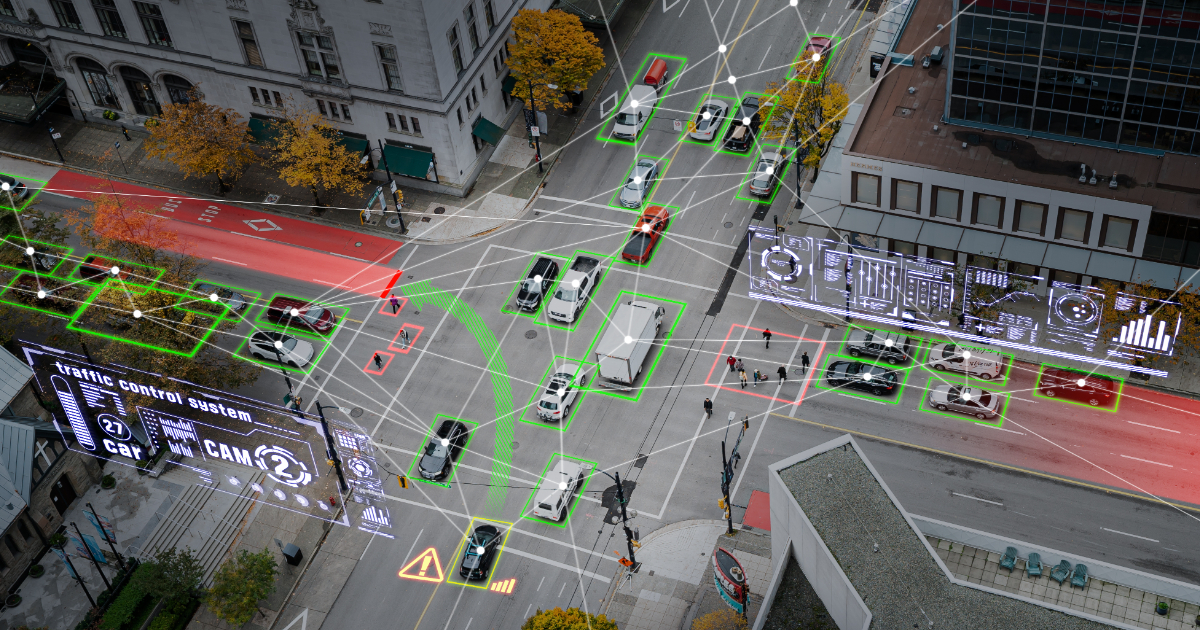
GIS is essential for effective urban planning, enabling data-driven decisions that enhance infrastructure and quality of life in rapidly growing cities.
Business intelligence
fromLondon Business News | Londonlovesbusiness.com
5 days agoWhy GIS matters in modern infrastructure and urban planning: Building smarter, future-ready cities - London Business News | Londonlovesbusiness.com
GIS is essential for effective urban planning, enabling data-driven decisions that enhance infrastructure and quality of life in rapidly growing cities.
#autonomous-vehicles

fromwww.bbc.com
1 month agoArtificial intelligence
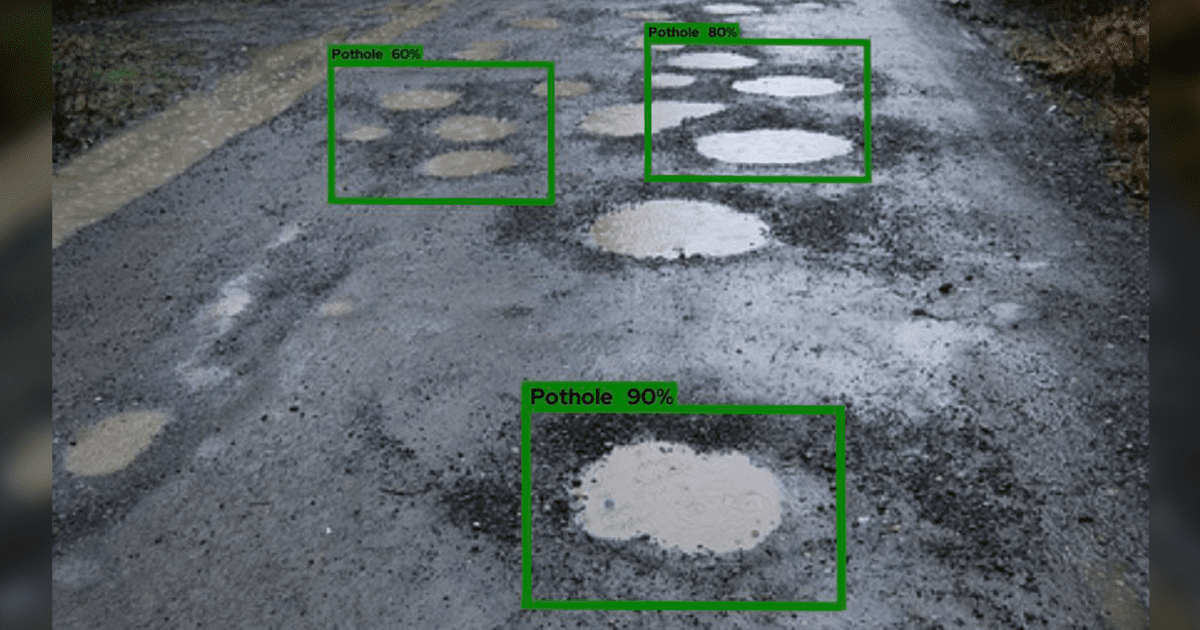
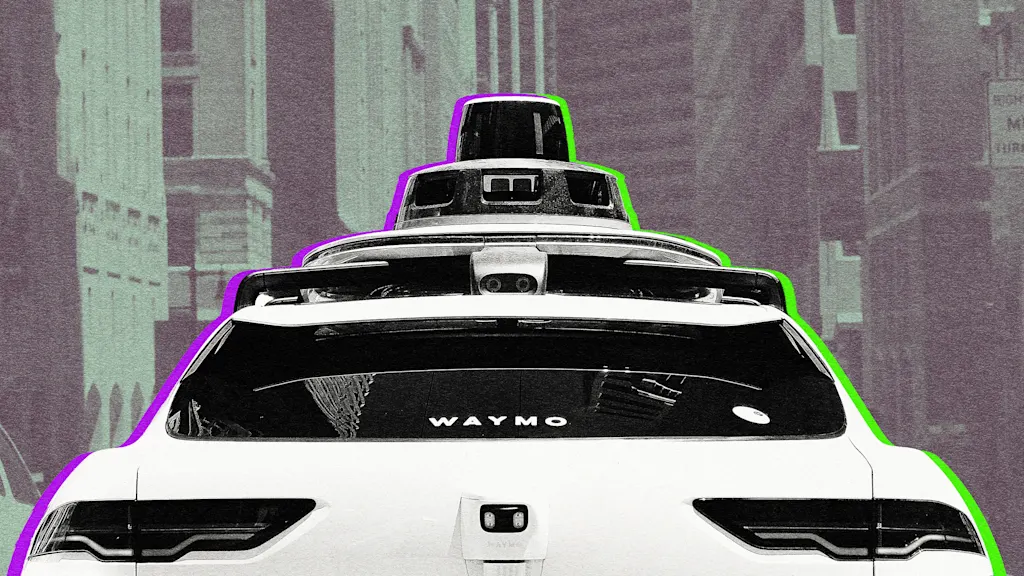
Not even potholes will hold up self-driving cars, UK firm predicts
Wayve raised $1.5bn to expand its AI-powered autonomous vehicle technology, planning London robotaxi launches with Uber while claiming capability to drive anywhere including pothole-affected UK roads.

#congestion-pricing


fromStreetsblog
1 month agoNew York City
Woulda, Coulda, Shoulda: Lessons for the Future of Congestion Pricing - Streetsblog New York City
Higher, inflation-indexed rideshare surcharges and clearer, immediate toll-funded transit improvements would have increased congestion pricing's effectiveness and equity.
fromwww.amny.com
2 months agoNew York City
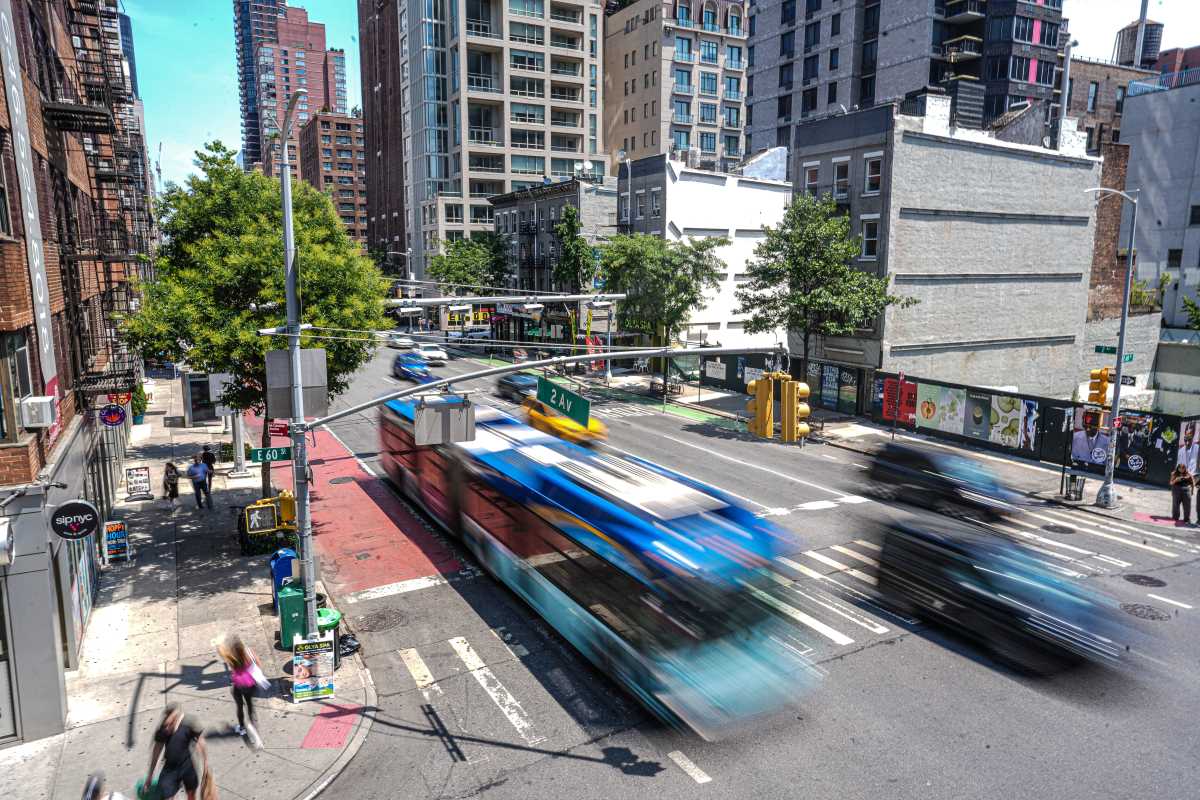
Expert Analysis | After one year of NYC congestion pricing, the mobility jury is still out amNewYork
New York City's congestion pricing operates and alters travel behavior, but legal uncertainty and policy contradictions raise questions about affordability and long-term goals.
New York City
fromwww.amny.com
2 weeks agoCongestion pricing: NYC subways saw millions more riders during Manhattan toll program's first year, transit group finds | amNewYork
New York's congestion pricing program drove a 7.7% increase in subway ridership to 1.3 billion rides in its first year, with over 90 million additional trips compared to the previous year.


fromThe Cipher Brief
2 weeks agoGPS Denied: Time to Upgrade
On February 28, ships navigating the Strait of Hormuz started appearing on tracking screens in places they couldn't possibly be. They appeared to be sitting on airport runways, parked on Iranian land, and clustered at nuclear power plants. More than 1,100 commercial vessels had their navigation systems scrambled in a single day following US-Israeli airstrikes on Iran, bringing a waterway that handles a fifth of the world's oil exports to a halt.
Science
Arts
fromThe Art Newspaper - International art news and events
2 weeks agoNew book shows why physical maps have an important role to play in our digital world
A cartography professor discovered 96 historically significant maps in a forgotten university archive, revealing cartography's vital role in preserving sociopolitical memory and demonstrating maps' importance beyond navigation.


UK news
fromComputerWeekly.com
3 weeks agoUnreliable fleet connectivity driving employee exodus | Computer Weekly
UK fleet operators face significant connectivity challenges that threaten competitiveness, with unreliable networks causing customer complaints and operational disruptions despite limited failover protections.
Roam Research
fromFast Company
2 weeks agoGoogle Maps and Apple Maps are making parking harder than it has to be
Navigation apps lack parking guidance, causing drivers to waste time searching for spots and increasing traffic pollution; MIT research demonstrates that providing probability-based parking recommendations could improve travel decisions and reduce congestion.
Miscellaneous
fromComputerWeekly.com
3 weeks agoRender Networks unveils synchronised agentic critical infrastructure architecture | Computer Weekly
Render Networks expands ClearWay platform to automate critical infrastructure deployment, reducing capital risk through real-time field verification and audit-grade accountability across complex multi-asset projects.
Alternative transportation
fromSustainable Bus
1 week agoWhy MENA region matters for public transport: UITP's Hashem Alhendawi highlights strategic, financial and mindset shifts - Sustainable Bus
The UITP Global Public Transport Summit 2026 in Dubai was canceled, but international dialogue in public transport will continue through ongoing collaboration and partnerships.
Artificial intelligence
fromArchDaily
4 weeks agoCompute Isn't Weightless: AI Infrastructure and the Architecture of the City
AI development is reshaping urban infrastructure and spatial planning in the Greater Bay Area through government-led initiatives that translate computational needs into physical zones, data centers, and specialized districts.
Gadgets
fromComputerWeekly.com
1 month agoConnectivity, AI drive fleet safety, productivity and decision-making | Computer Weekly
AI, connected data, and safety-focused services are transforming fleet operations, with GPS tracking adoption at record highs and AI delivering measurable safety improvements and cost reductions.
Europe news
fromenglish.elpais.com
1 month agoMohamed Mezghani, from the International Association of Public Transport: A traffic jam of electric cars is still a traffic jam'
European public transportation is recovering post-pandemic with increased ridership, but faces funding challenges requiring strategic investment and targeted fare policies to sustain growth.
Alternative transportation
fromStreetsblog
2 weeks agoWhy Some Congresspeople Want to Go Big on Greenways - Streetsblog USA
The Parks to People Act proposes $300 million in federal funding for walking and biking infrastructure as essential transportation tools, despite political opposition dismissing them as distractions.
Alternative transportation
fromFast Company
3 weeks agoTraffic safety improvements frequently die by popular vote. It's time to stop that
Vision Zero, a Swedish road safety philosophy, proves traffic deaths are preventable through proper street design, enforcement, and awareness, yet Americans resist safety improvements due to normalized traffic violence.
fromArchDaily
3 weeks agoMobility Justice: Urban Equity in an Era of Innovation
Every city contains two transportation systems. One is the visible network of roads, rail lines, sidewalks, and bus routes mapped in planning documents. The other is the invisible geography of privilege and exclusion embedded within it: the neighborhoods that received highways instead of parks, the communities whose bus routes were cut, the sidewalks that abruptly end at the edge of a district.
Alternative transportation
fromZDNET
1 month ago41 hidden Google Maps settings and features every power user should know
After writing about Google Maps for nearly 15 years, I've learned firsthand that it's packed with hidden settings, menus, and toggles. Many help you fine-tune the app to your liking, while others unlock new features you probably didn't know existed.
Roam Research

Alternative transportation
fromArchDaily
1 month agoRural Transportation Hubs: Infrastructure Design, Access, and Regional Mobility
Rural transportation hubs are vital national infrastructure anchors that require distinct architectural and operational models reflecting dispersed populations and freight-dominant needs, not urban replicas.
fromSustainable Bus
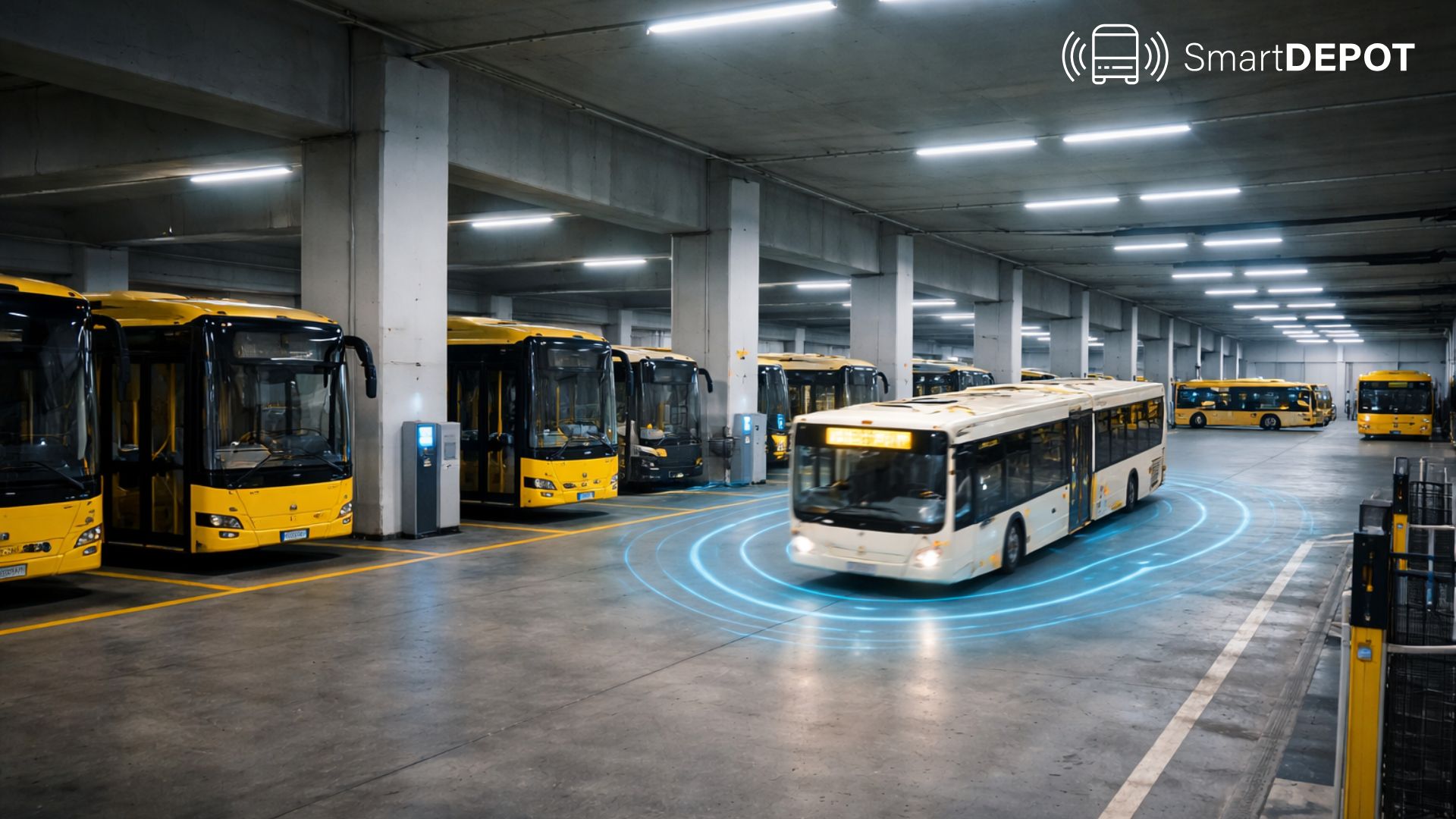
2 months agoAutonomous Systems: depot-first autonomy for smartbuses
For more than a decade, autonomous buses have been "almost ready." Demonstrations with safety drivers began around 2015, and ten years later, this is still largely what we see. The reason is not a lack of ambition - it is physics, safety, and economics. Autonomous buses on city streets are inherently difficult. They carry dozens of passengers, operate as heavy vehicles, and move through a chaotic urban environment.
Business
fromFuturism
2 months agoDelivery Robot Gets Stuck on Train Tracks, Gets Obliterated by Locomotive
Footage of the incident, which took place January 15, shows the robot sitting motionless on the tracks, seemingly making no attempt to get out of the way as the unmistakable blare of the train horn gets louder and louder. "Oh it's gonna crush it!" the onlooker taking the video can be heard saying moments before the train, operated by Brightline, flattens the unfortunate bot into the tracks. Sparks can be seen flying from beneath the train before the video cuts off.
Startup companies
fromwww.cbc.ca
2 months agoNo single magic bullet' will fix Toronto's gridlock, new congestion officer says | CBC News
There's no one solution to fix the city's gridlock, Toronto's new chief congestion officer says as he finishes up his first week on the job. Andrew Posluns sat down with CBC Toronto on Friday to discuss the freshly created role, noting there's no magic bullet that will address the city's congestion. There are a lot of factors that feed into congestion, he said. We need to do everything we can in order to be able to mitigate and address the congestion challenges that arise.
Canada news
fromBusiness Matters
1 month agoThe impact of road signs on economic development
When routes are well organized, there are clear directional signs, and speed limits become reasonable. The early installation of warning signs allows transport companies to plan deliveries more accurately and avoid delays. For businesses, time is money. When a truck carrying goods does not spend hours detouring due to an unclear traffic scheme or stuck in traffic where it could have been avoided thanks to competent traffic management, fuel costs, driver wages, and vehicle maintenance costs are reduced.
Alternative transportation
fromArchDaily
1 month agoMoving Capitals Across Global Contexts: From Strategic Planning to Environmental Necessity
Across history, the relocation of capital cities has often been associated with moments of political rupture, regime change, or symbolic nation-building. From Brasília to Islamabad, new capitals were frequently conceived as instruments of centralized power, territorial control, or ideological projection. In recent decades, however, a different set of drivers has begun to shape these decisions. Rather than security or representation alone, contemporary capital relocations are increasingly tied to structural pressures such as demographic concentration, infrastructural saturation, environmental risk, and long-term resource management.
World news
fromwww.bbc.com
2 months agoCalls to withdraw fresh floating bus stop guidance
The design, which has a cycle lane between the stop and the kerb, is intended to allow bus passengers to get on and off safely while cyclists continue moving. Sarah Gayton, street access campaign co-ordinator at the National Federation of the Blind of the UK, said: "It does not address the concerns that blind and visually impaired people have and it's totally insulting to think that we'll accept this."
UK politics
fromSustainable Bus
1 month agoEvolution: the practical path to autonomous buses - Sustainable Bus
It's tempting to frame autonomous driving as a single leap. In public transport, adoption tends to be incremental - because the system is built for reliability, and new capabilities have to fit into daily operations without disrupting service. That is why a practical strategy is evolution, not revolution: introduce autonomy in a defined domain, learn safely in real operations, and expand capability step-by-step.
Artificial intelligence
Alternative transportation
fromFast Company
1 month agoThe 'time is money' mantra is a terrible starting point for planning and designing infrastructure
Using productivity and time-as-money frameworks to justify transportation planning decisions is economically flawed and oversimplifies the complex nature of traffic congestion and urban mobility.
Artificial intelligence
fromeLearning Industry
2 months agoArtificial Intelligence In Transportation Training And Education
AI enables individualized transportation training by evaluating trainee performance, tailoring instruction, simulating real scenarios, and measuring performance for targeted improvement.
[ Load more ]