#sarah-hanahan
#sarah-hanahan
[ follow ]
#contemporary-art #art #art-exhibition #san-francisco #painting #contemporary-painting #ybca #photography
fromHi-Fructose Magazine - The New Contemporary Art Magazine
2 days agoKyle Cobban Draws From The Unknown - Hi-Fructose Magazine
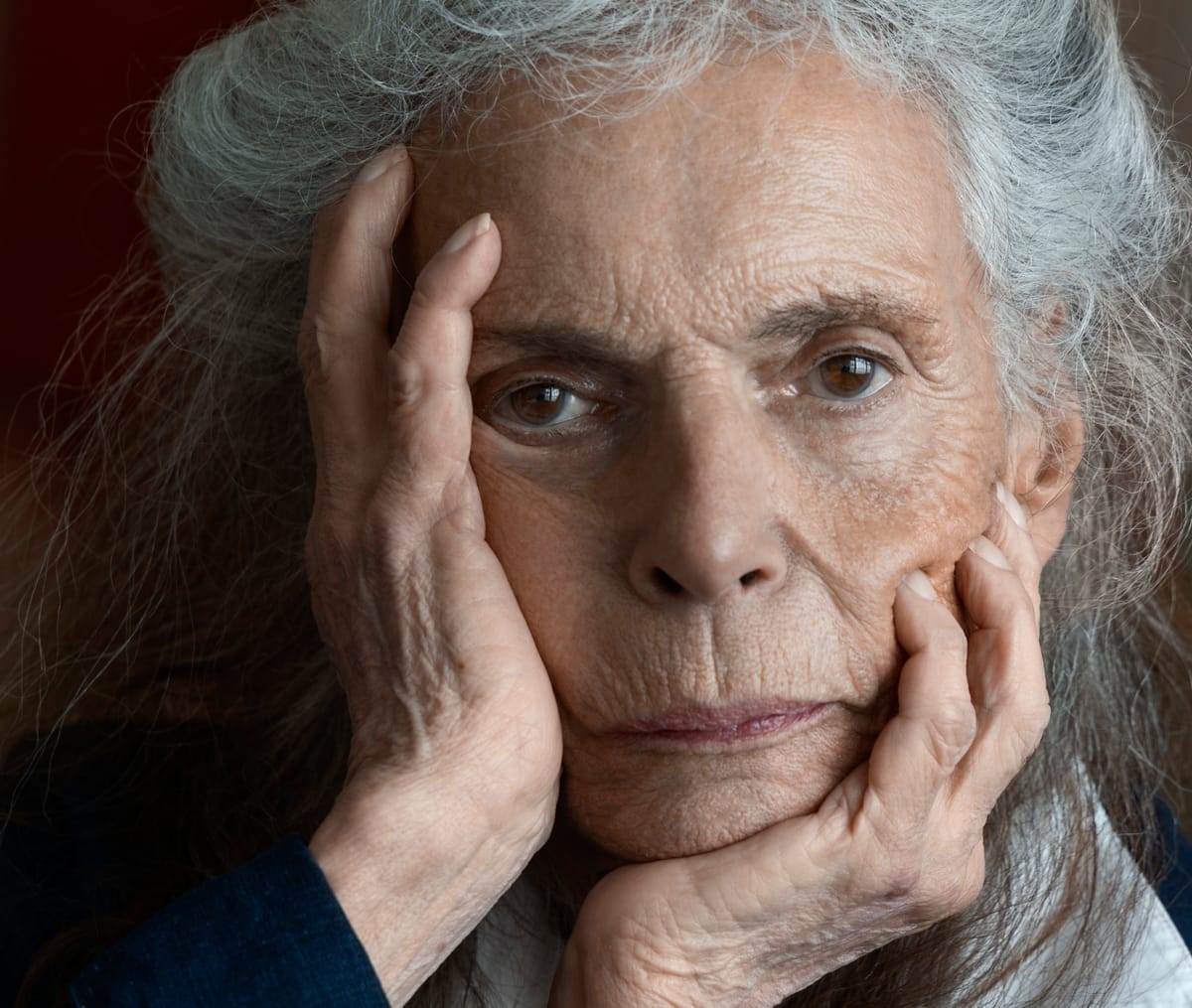
"It's an amalgamation of the Chicago neighborhood aesthetic with a Bulls fan, quite literally. It's kind of on the nose, but that's how I juxtapose the elements of my work, with the structure of a home and then a figure who is around or in the home."
Chicago Bulls




fromJuxtapoz
5 days agoJuxtapoz Magazine - Last Days to See Kate Meissner's New Paintings @ Lyles & King's Project Space, NYC
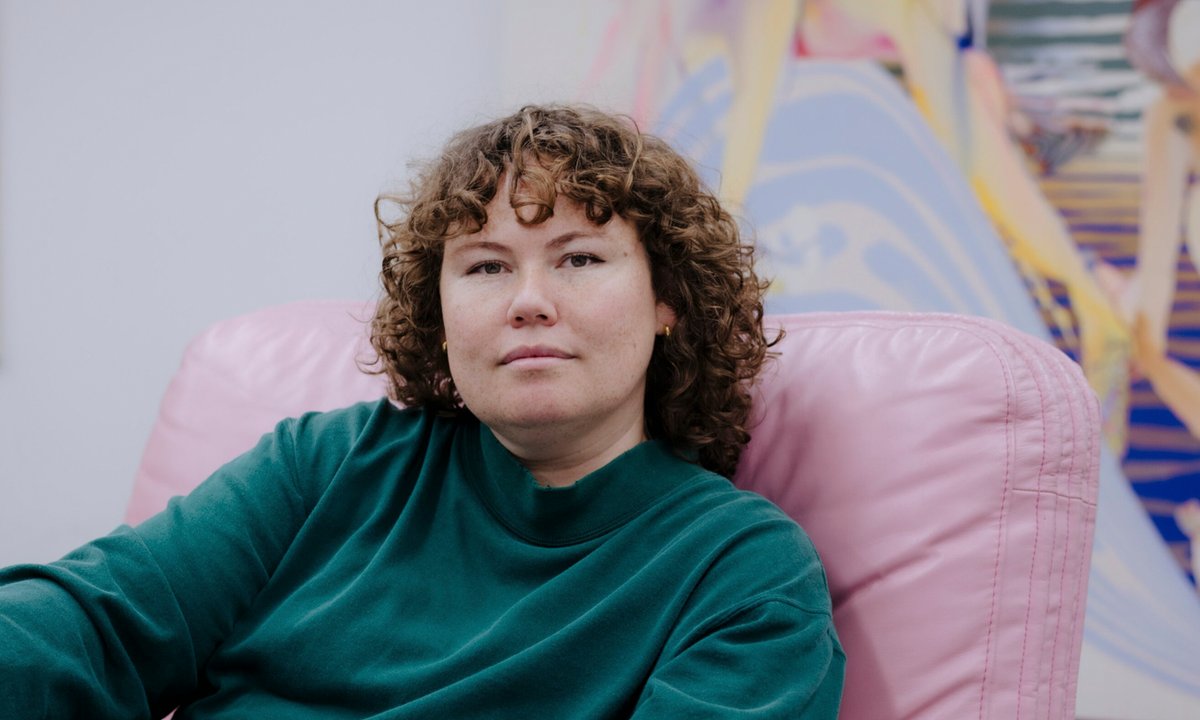
"These works are an exploration of the human body's elasticity and capacity to metamorphose. Informed by my own experience of pregnancy and the birth of my first child last year, these paintings are a meditation on physiological transformation and the body's underlying animalistic and mammalian nature."
Arts
#contemporary-painting
Arts
fromJuxtapoz
3 weeks agoJuxtapoz Magazine - Gretchen Scherer "Reading the Rooms" @ Richard Heller Gallery, Santa Monica
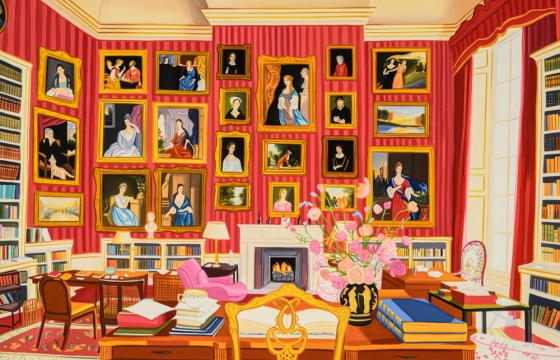
Gretchen Scherer creates paintings of real spaces by researching and transforming them through imagination, exploring the tension between actual environments and emotional perception.
fromArtnet News
3 days agoAt Art Basel Hong Kong, Wet Paint Hits Galleries, Malls, a Semi-Secret Space, and More | Artnet News
Hong Kong's particular and seductive Metabolist city planning is an ode to consumption as a great totalizer of culture, and to contemporary art as merely a niche commodity form among many others.
Arts
Arts
fromOregon ArtsWatch * Arts & Culture News
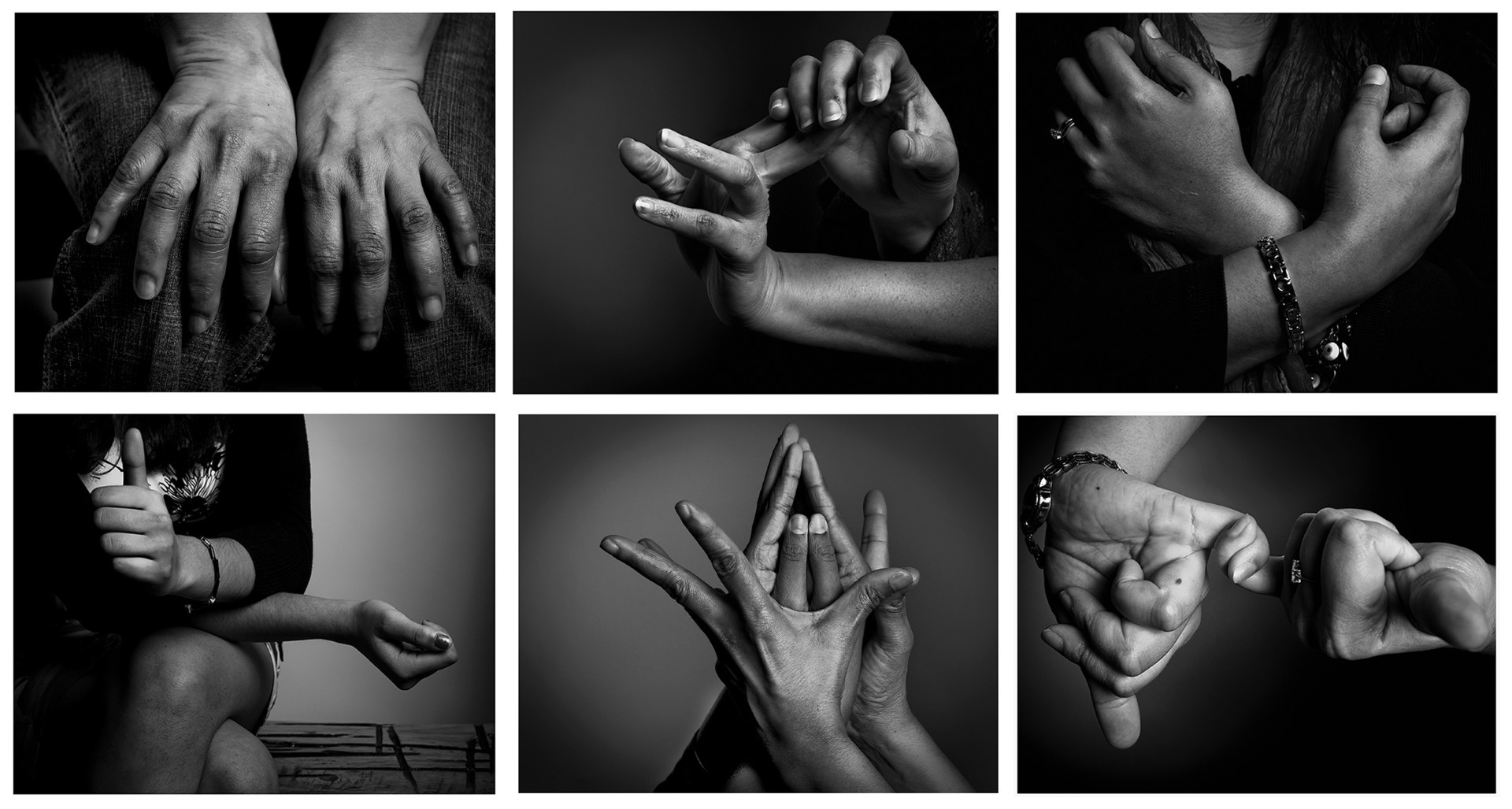
1 week ago'A Division of Vision': H. Eliz Snowcarp's art for people who see things differently * Oregon ArtsWatch
H. Eliz Snowcarp's installation challenges exclusion in the art world by promoting tactile interaction and inclusivity for those with different abilities.
Photography
fromItsnicethat
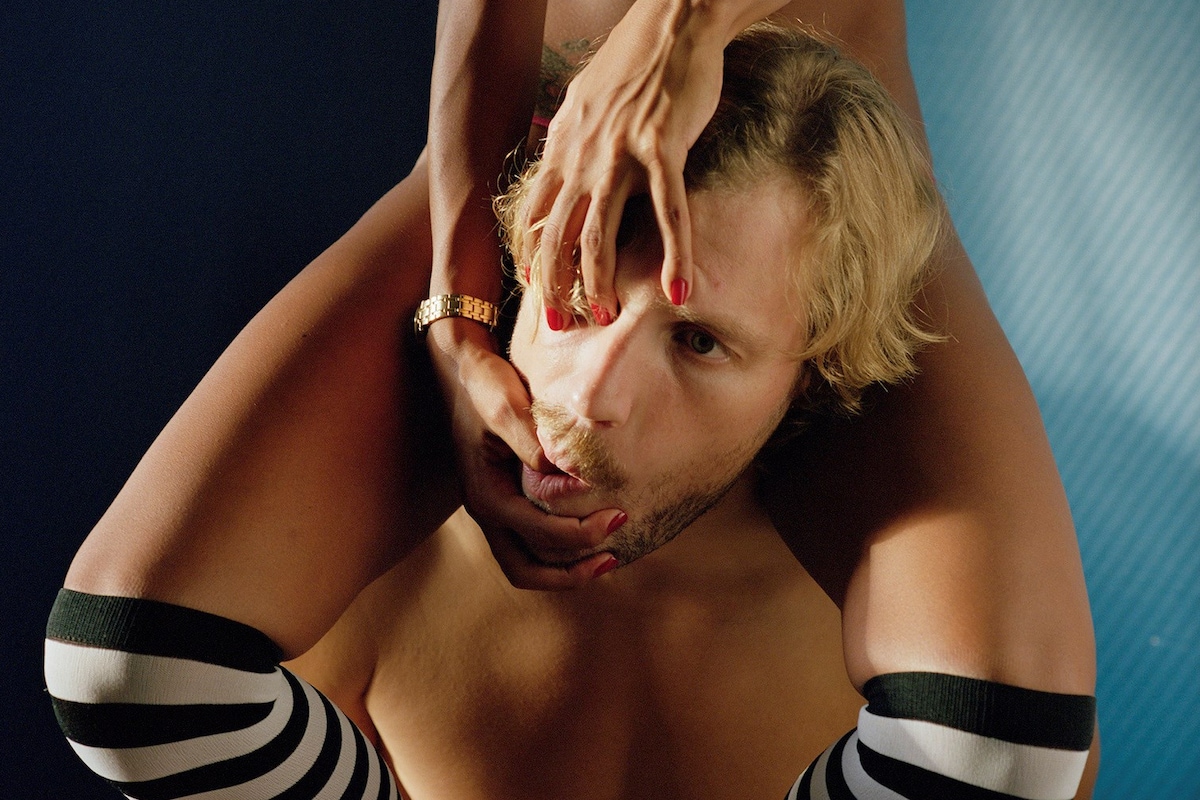
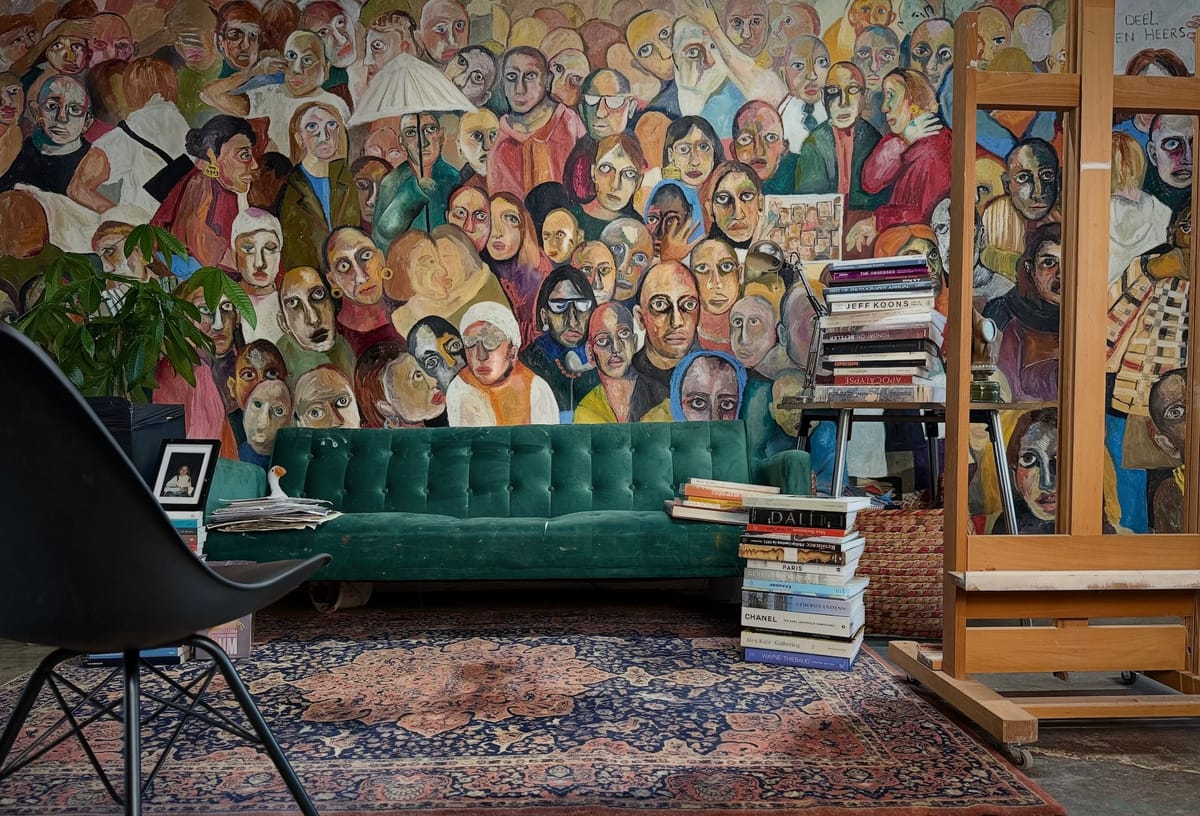
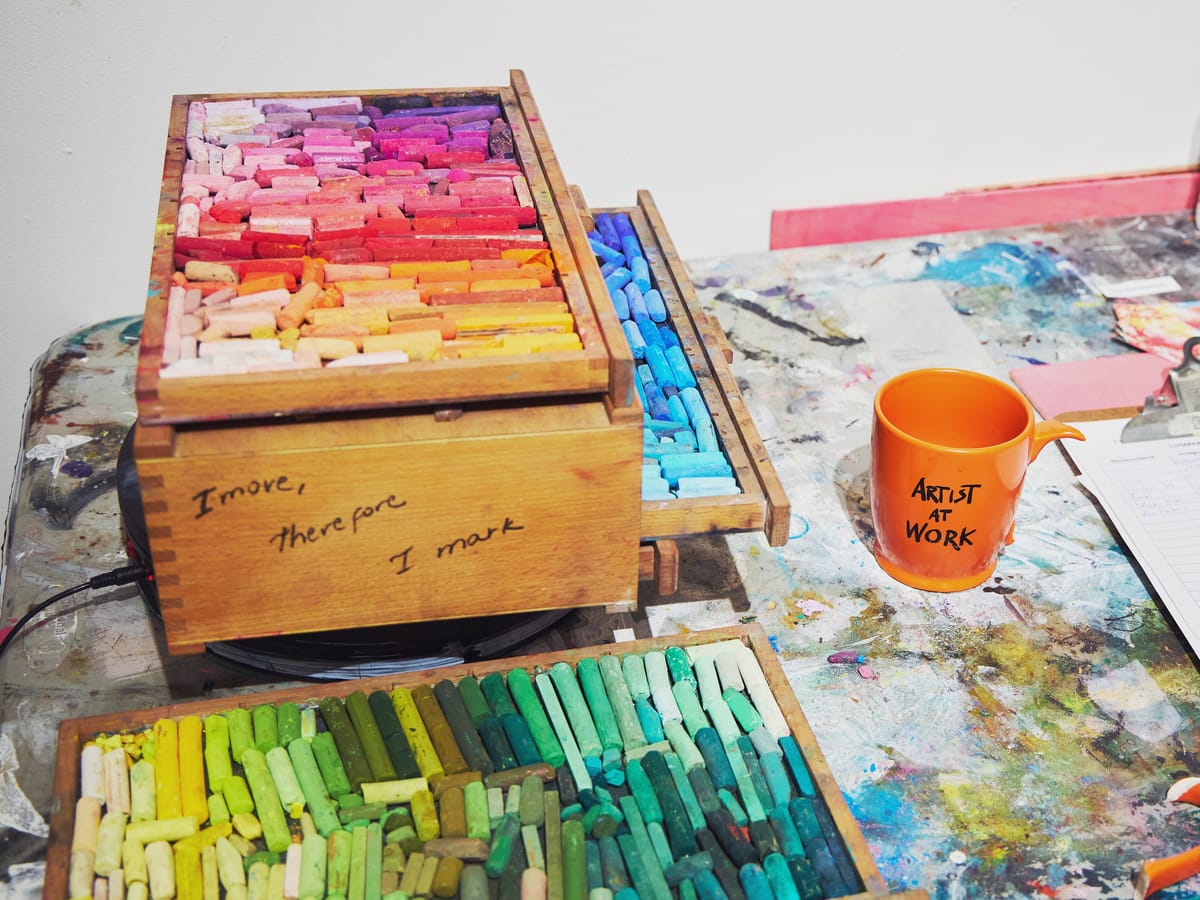
2 months ago"Professionalism kills creativity": Thalia Gochez on the importance of having fun as a photographer
Intimate portraiture uplifts BIPOC narratives and bridges subject, photographer, and viewer through perseverance, creative risk, and rejecting rigid professionalism.
Photography
fromItsnicethat
2 months ago"Professionalism kills creativity": Thalia Gochez on the importance of having fun as a photographer
Thalía Gochez uses intimate portraiture to uplift BIPOC narratives, stress perseverance, challenge professionalism's limits on creativity, and bridge subject, photographer, and viewer.
fromArtnet News
3 weeks agoInside the Forum Where Women in the Arts Are Taking on the Status Quo
What began as a passion for collecting became a responsibility. She not only believes in the artistic genius of women, but she wants society in general to hold men and women artists in equal esteem-and to place the same monetary value on their work.
Arts

fromColossal
3 weeks agoElizabeth Saloka's Vibrant Painted Rocks Adopt the Personalities of Snacks and Pop Culture Icons
Last fall, I bought a ton of marble scraps off a sculptor in Woodstock for like, $10 off Facebook. For sandwiches and cakes, crumbling asphalt parking lots are good. When I lived in Sunset Park, they demolished a building a couple blocks from my apartment, and there was a hole in the fence, so I'd go in there and find tons of cool shapes and textures of rubble.
Arts
Arts
fromJuxtapoz
1 month agoJuxtapoz Magazine - "Always Never": a Solo Exhibition by Linda Geary @ pt.2 Gallery, Oakland
Linda Geary's paintings layer acrylic and oil through wiping, washing, and translucent applications to create ghosting effects where shapes hover between emergence and disappearance while maintaining structural tension.
Arts
fromThe Art Newspaper - International art news and events
1 month agoLos Angeles's next generation of dealers forges new paths
Recent gallery closures in Los Angeles reflect unrealistic expectations about the market rather than fundamental decline, with younger galleries thriving through community engagement and local commitment.
Arts
fromThe Art Newspaper - International art news and events
1 month agoIn Pictures: Sculpture gets a leg up at Frieze Los Angeles
Contemporary artists showcase innovative sculptural works at art fairs, blending traditional materials with conceptual themes and attracting significant collector interest.
Arts
fromThe Art Newspaper - International art news and events
1 month agoPerfectly unusual settings for art in Los Angeles
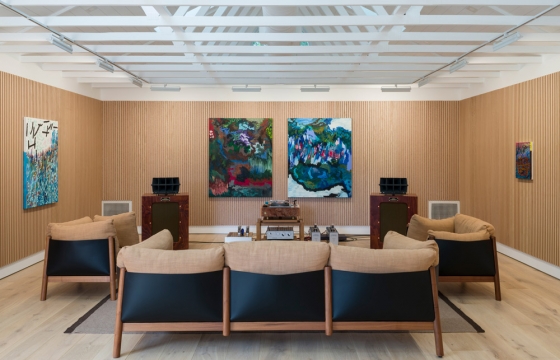
Alternative art galleries are increasingly operating from unconventional domestic and commercial spaces like apartments, garages, and restaurants, rejecting traditional white cube aesthetics to embrace informality and rapid artistic experimentation.
fromThe Art Newspaper - International art news and events
1 month agoThe stories we tell ourselves: Sophie Calle at the Orange County Museum of Art
We tell ourselves stories in order to live. For more than 50 years, the French artist Sophie Calle has worked in the space between facts and their retelling, demonstrating how the narratives we share about ourselves are always partial, constructed. Working across photography, text, film and installation, she reveals how fantasy and projection intervene in our best attempts to see and be seen.
Arts
fromThe Art Newspaper - International art news and events
1 month agoBearing the weight of the world: Amanda Ross-Ho rolls out a new performance at Frieze Los Angeles
A repeated gesture is a way of making something gigantic. When Art Production Fund approached her to imagine a work for the three-acre turf field at the Santa Monica airport during Frieze, her mind went to performance. To activate the synthetic green space, she realised she needed to create something that engaged both the physical conditions of the site and the temporary context of the fair.
Arts
Arts
fromThe Art Newspaper - International art news and events
1 month agoA selective history of the moving image comes to downtown Los Angeles
The Julia Stoschek Foundation presents over 40 time-based works from the 1960s to present day at Los Angeles's Variety Arts Theater, celebrating the city's pivotal role in visual media history.
fromHyperallergic
1 month agoThis Is Not My LA Art World
We're just a week away from Frieze LA, when East Coast dealers and local artists alike descend upon the Santa Monica Airport, but this isn't Renée Reizman's first rodeo. Since the critic and artist moved to the area almost 15 years ago, she's witnessed blue-chip New York galleries set up shop and sideline the irreverent, DIY spaces that shape the local art scene. Without these spaces, Reizman writes, she would not have discovered what art can be outside of the white cube.
Arts
fromThe Mercury News
1 month agoSan Jose artist brings wind, light to bear in her paintings
Artist Ayelet Gal-On does not just paint; she builds, layering oil, acrylic and plaster on canvas. Gal-On's signature subjects for "Taken by the Wind, Swept by the Light," her upcoming solo exhibition at Gallery 9 in Los Altos, are white dresses that appear to hang on a line, defying the stillness of the canvas. "I love the process of playing with color," says the artist.
Arts
fromHyperallergic
2 months agoHere's Why the LA Art Show Is Worth Your While
The 31st edition of the LA Art Show is back this week at the downtown Convention Center, more than a month before Frieze, Felix, and Post-Fair roll into town. Although it is LA's longest-running art fair, the show is somewhat of an outcast, snubbed as pedestrian, too commercial, and out of touch with the cutting edge of the global art world. But at the rear of the cavernous exhibition hall, a pair of projects organized by curator Marisa Caichiolo gives visitors a sense of the fair's cultural and political relevance.
Arts
fromHyperallergic
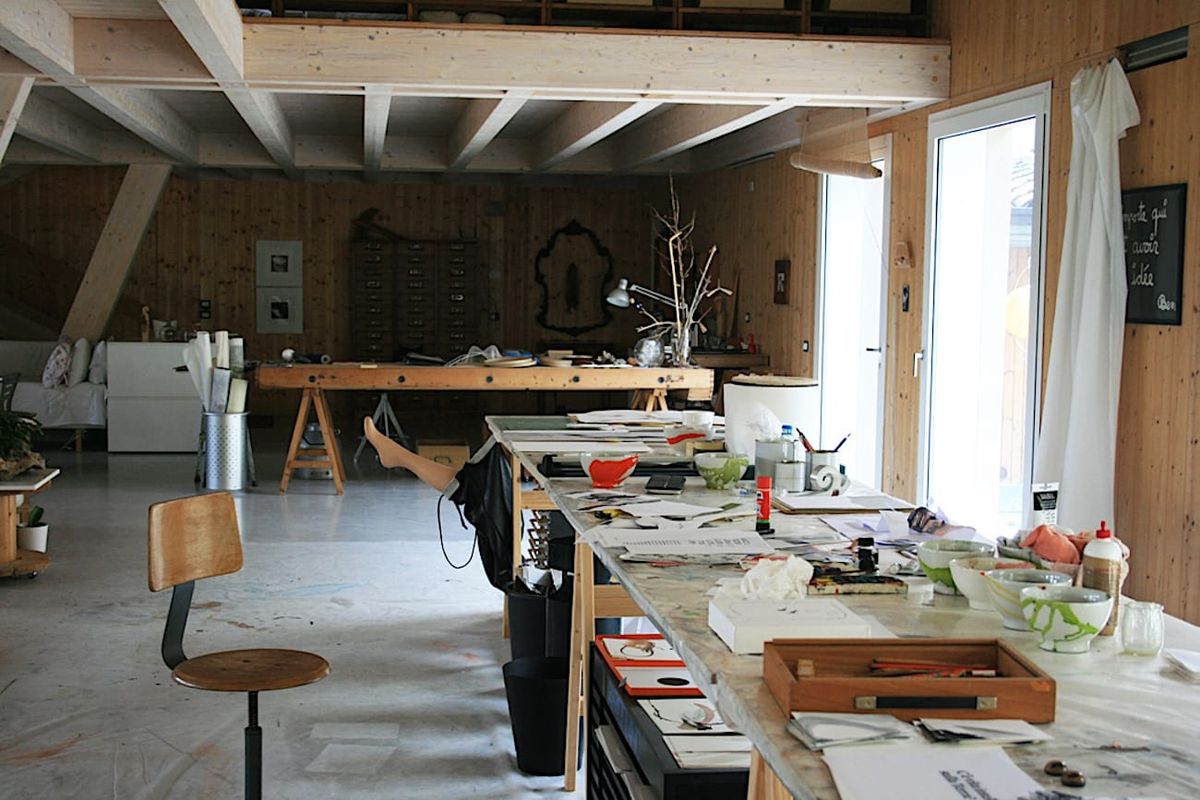
1 month agoA View From the Easel
I work outside, carving and shaping the stone. Outside my house, I have a table, an extension cord, and tools. It's very cold and I have to wear all my winter clothes. When it's too cold, I do the filing and finishing work inside after I shape it outside. I listen to all kinds of music. I listen to Eminem all the time; his albums are all my favorites. For drawings, I work at Kinngait Studios or at home on my kitchen table.
Arts
Arts
fromwww.theguardian.com
1 month agoArtist Sarah Sze: A work of art is finished when everything teeters'
Sarah Sze’s Gagosian Beverly Hills exhibition uses 13 works—large, intricate paintings and video installations—to create immersive, disorienting landscapes reflecting an image‑saturated, unstable contemporary world.
Arts
fromThe Art Newspaper - International art news and events
2 months agoA gifted colourist and civic-minded storyteller: touring show celebrates US artist Noah Davis
Noah Davis's posthumous survey demonstrates his mastery of color, narrative subtlety, art-historical erudition, and rising market and museum recognition.
fromwww.theguardian.com
1 month agoIt still feels incredibly relevant': the groundbreaking art of Theresa Hak Kyung Cha
Born in South Korea in 1951, Cha and her family immigrated to the United States when she was 12. The family found their way to the Bay Area, where Cha became a standout student, eventually earning four separate degrees at UC Berkeley, working at the Berkeley Art Museum and becoming a fixture of the northern California avant-garde art scene throughout the 1970s.
Arts
Arts
fromHi-Fructose Magazine - The New Contemporary Art Magazine
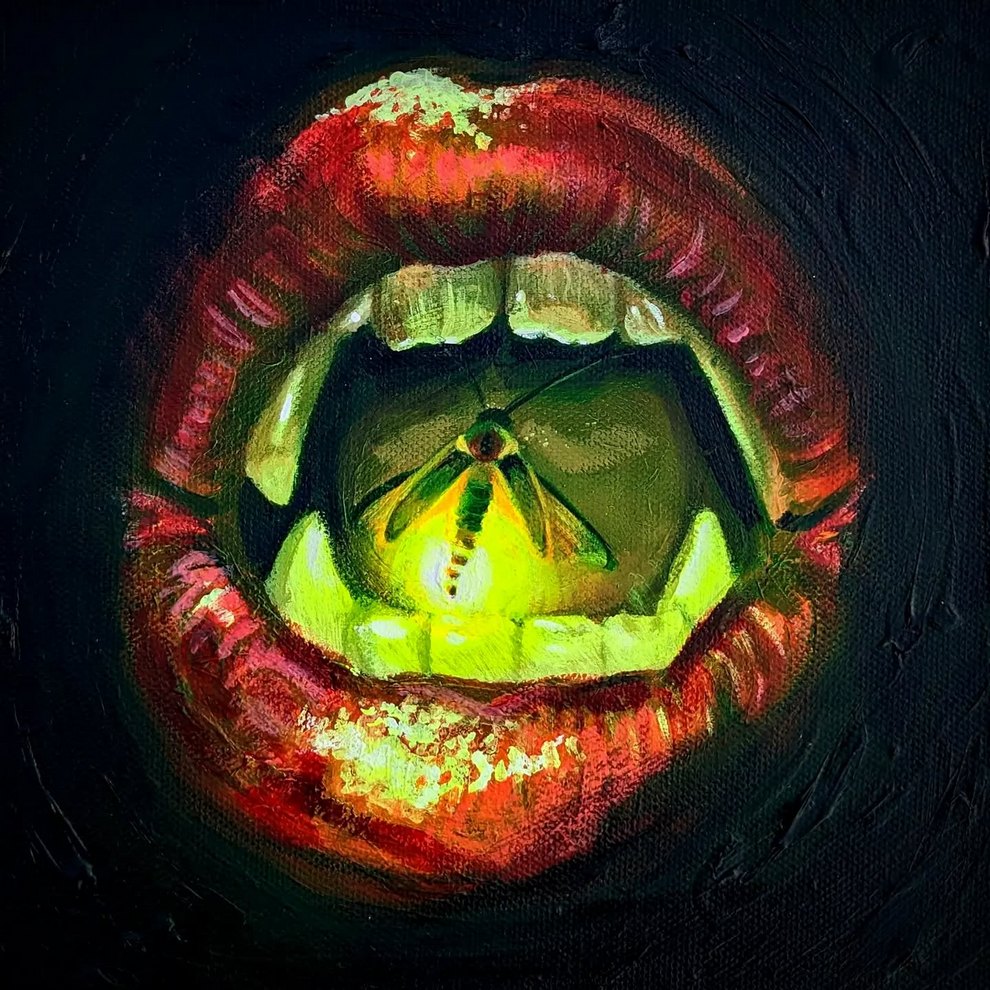
2 months agoPainting From The Inside Out With Christian Van Minnen - Hi-Fructose Magazine
Paintings juxtapose bruised, tumorous flesh with forbidden fruits and gummy forms to create disorienting, alluring yet repulsive surrealist imagery.
[ Load more ]